
Globally, freshwater covers about 0.8% of land. In the UK, that number is 3%.
Freshwater ecosystems in the UK are internationally important. Of the world’s 210 chalk streams, 170 are in England. The UK’s freshwater network is made up of 200,000km of streams and rivers, plus thousands of ponds, lakes and ditches, forming a cross cross of habitats that support a diverse array of wildlife from dragonflies to water voles. Our freshwater systems should be one of the jewels of our landscape but no rivers in England, Wales or Northern Ireland are considered to be in high ecological health. In Scotland, 92% of rivers do not meet high ecological health.
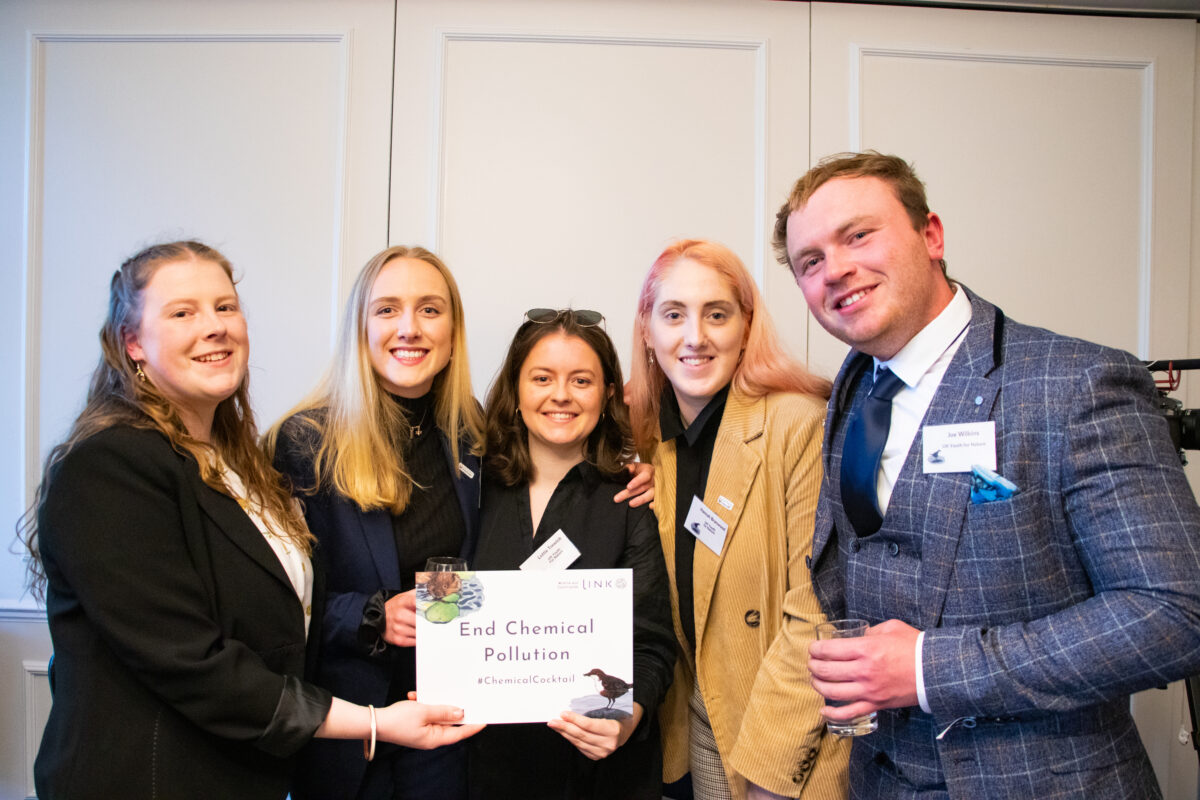
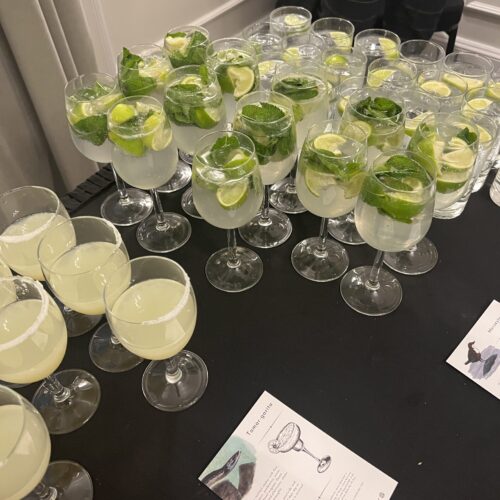
The UKY4N team in at out Chemical Cocktail Bar event in London.
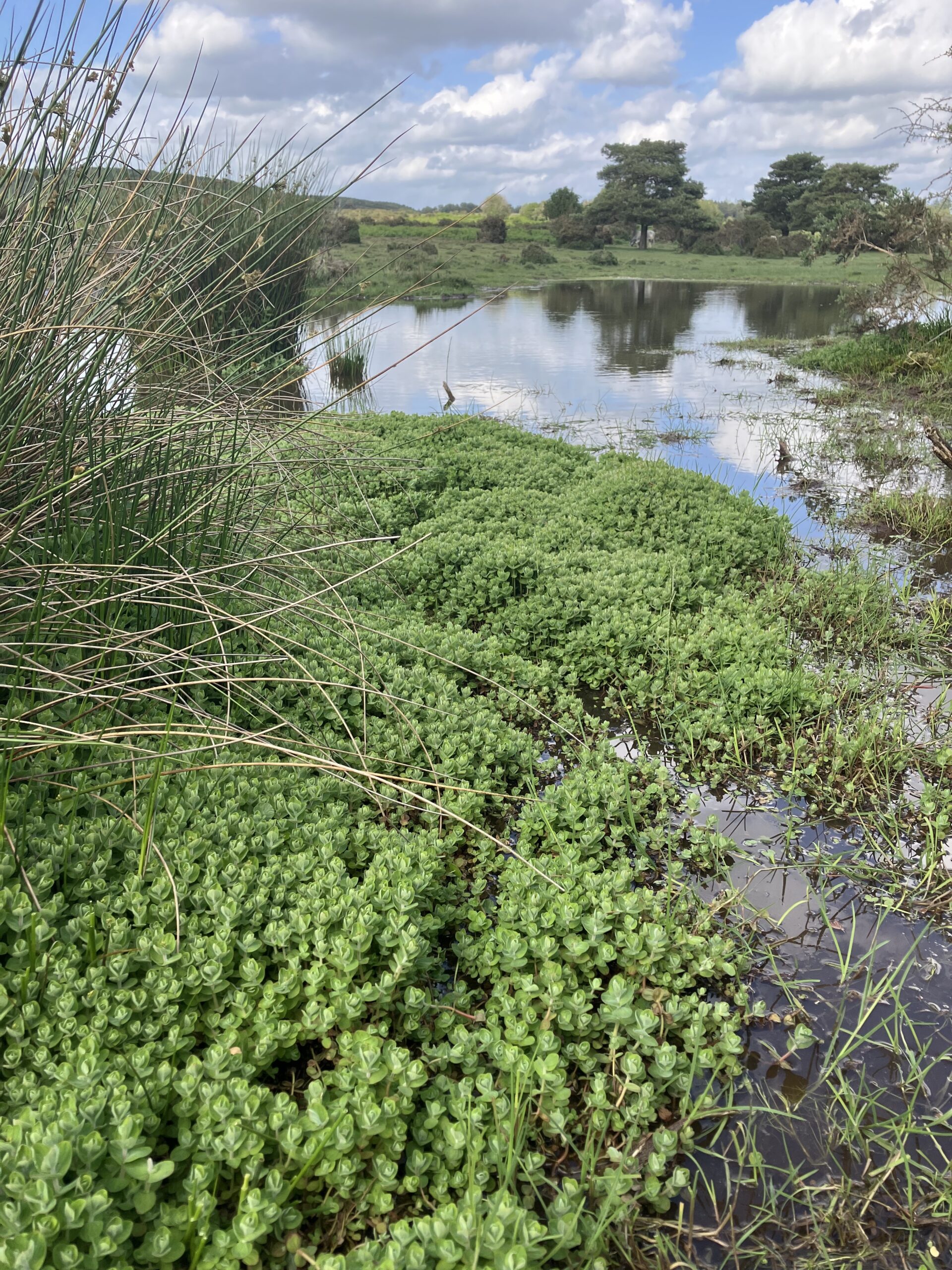
Freshwater ecosystems provide vital habitat for rich, communities of wildlife.
They are also are hotspots for human activities that have led to widespread pollution, habitat degradation, over-exploitation and alien species introductions.
The last few years has seen a much needed spotlight shone on sewage and plastic pollution in freshwater systems. The circumstances and legislation around pollution from our agricultural system are murkier and much less talked about. UK Youth for Nature is changing that.
In 2022 a cross-party government commission reported on the state of our rivers, and revealed that a ‘chemical cocktail of sewage, agricultural waste and plastic is polluting the waters of many of the country’s rivers’.
Agricultural waste such as farm slurry, fertiliser run off and the impact of harsh toxic chemicals is putting enormous pressure on our freshwater environments. Agricultural pollution from rural areas affects 40% of water bodies in England, but we know that creating more space for nature, repairing freshwater barriers and reducing the use and toxicity of pesticides in these landscapes can have a huge impact for biodiversity and the public alike.
With news from the Environment Agency that our target date for cleaning up England’s waterways will be moved from 2027 to 2063, UK Youth for Nature are calling on government to act now for our freshwater ecosystems, for nature and for our future.
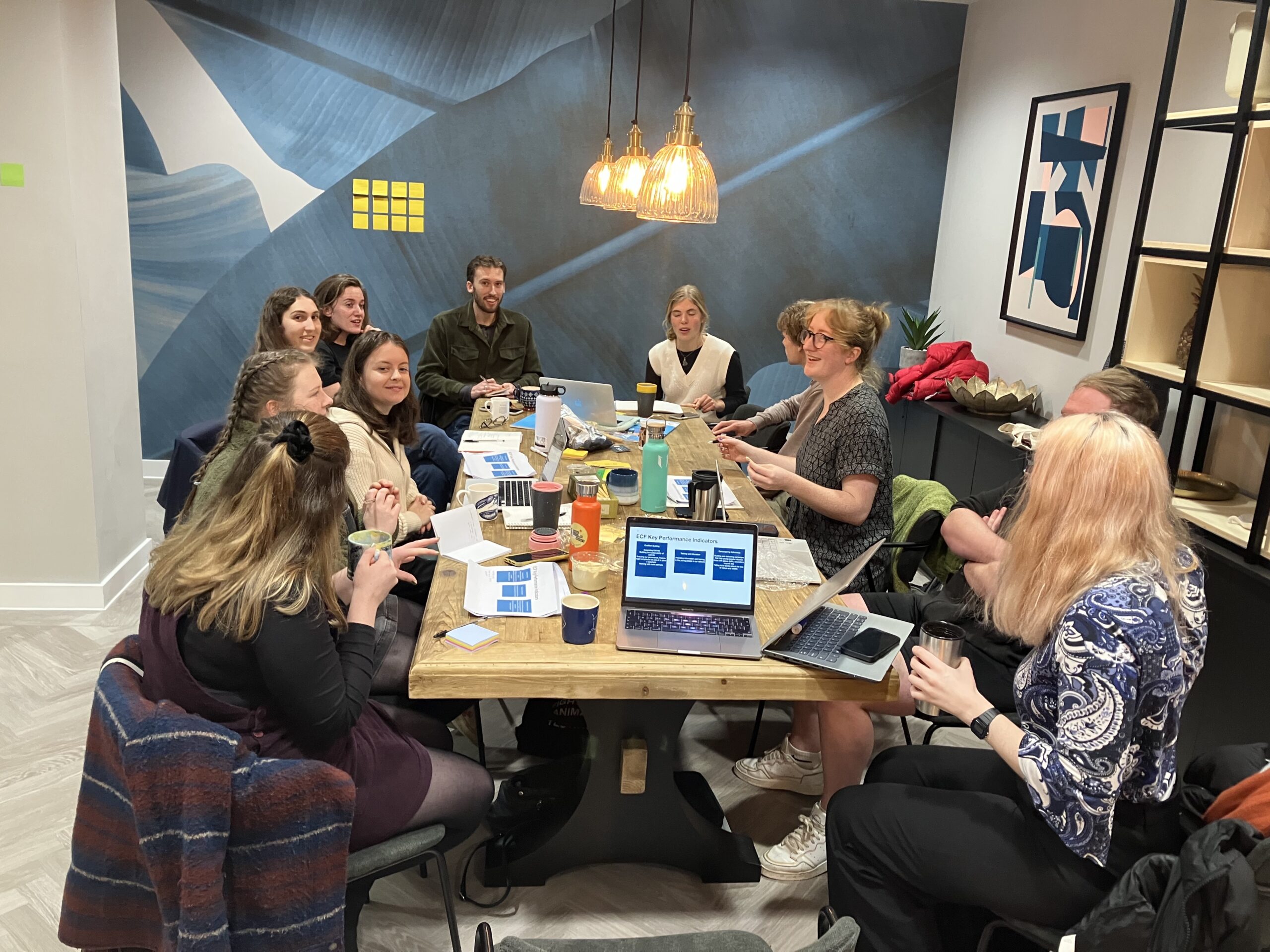
The UKY4N team in Birmingham, mapping out our Not So Freshwater campaign.
Political asks – what are we trying to achieve?
- 50% reduction in pesticide use (volume and toxicity) by 2030.
- Ambitious targets to restore field margins and riverside ecosystems to reduce field run-off and boost our waters for wildlife and people
FRESHWATER SPECIES
Our team chose five key species to represent the diversity of wildlife found in UK freshwater systems. Each of these species is impacted by freshwater pollution, find out more by clicking on the images.
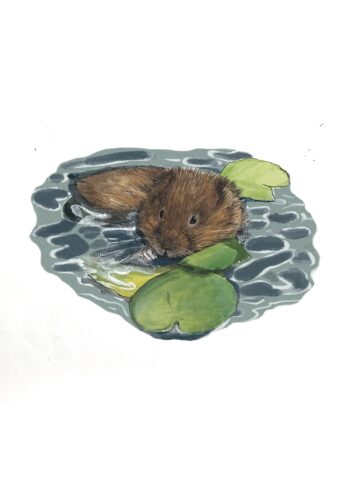
Water vole
The water vole is a small rodent with a big impact on our fresh water systems. They are ecosystem engineers, changing the soil properties of river banks, by increasing drainage and nutrient contents. Unfortunately, agricultural intensification and wetland drainage means water voles have declined from 94% of their former sites!
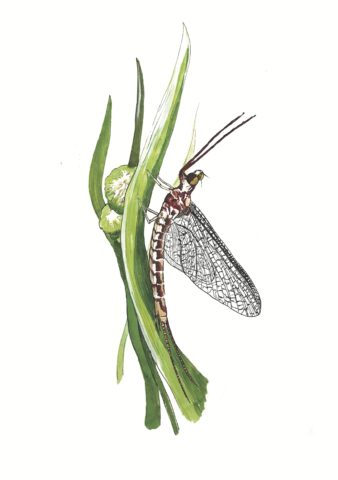
Common mayfly
The common mayfly is one of 51 species of mayfly in the UK. They are an important food source for brown trout and Atlantic salmon. The larvae spend their time under water feeding on algae and plants, adults emerge in summer for a spectacular few hours of displays and breeding before they die.
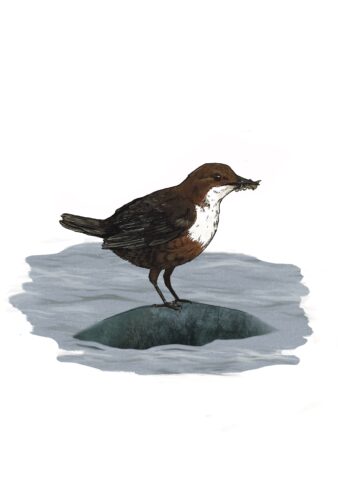
Dipper
The dipper is a small brown and white bird species found in freshwater habitats, such as rivers, across the UK. They play an important role in maintaining balance in their ecosystem, but populations are currently threatened by increasing pollution levels in British waterways, leading to them now being considered at risk of extinction from Europe.
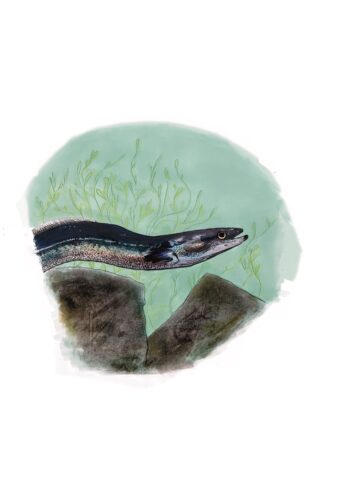
European eel
Eels are long, snake-like fish, mostly found in streams and rivers throughout Europe, though their unique life-cycle means that they travel as far as the Sargasso Sea in the West Atlantic Ocean to breed! As a smaller predator, they play an important role in a river’s ecosystem, but are unfortunately in decline as pollutants make their way through the food chain.
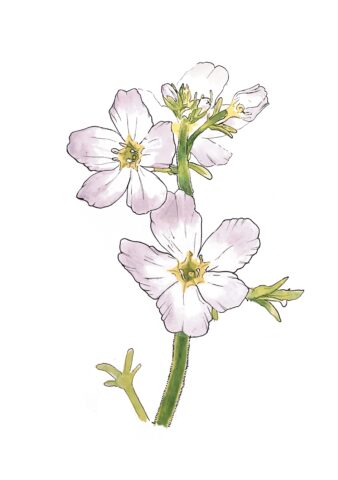
Water violet
A submerged aquatic plant related to Primroses. It grows in clear, slow moving, shallow water bodies and forms bushy clumps which provide shelter for invertebrates and fish. It was formerly widely distributed across England but is threatened by water pollution and the drainage of its habitats.
How can you help freshwater?
How can you help freshwater?
1. Research and learn more about the state of freshwater in the UK, sign up to our newsletter to keep up to date with our campaign
2. Support nature friendly farmers, where possible buy organic, local food
3. Banish pesticides and herbicides from your garden!
4. Celebrate freshwater ecosystems and raise awareness of the threats, share a photo on social media, tag UK Youth for Nature and use the hashtag, #NotSoFreshwater
5. Join the team! We’re always looking for new members to help us fight for nature. Email us at ukyouthfornature@gmail.com to find out more.
Want to get involved?
Join our team!