

For the Mammal Society’s 70th Annual Conference, our community member Seniz Mustafa chaired a panel for the Friday night lecture ‘Inclusion in Conservation’. Below, Seniz summarises the background to this topic and its importance to the environmental sector and shares her reflections on the event.

A commonality to those within the environmental sector is a dedication to the conservation and protection of our natural landscapes and the species in this country. But too often, the social aspects that are forever intertwined with nature have been less addressed, been sources of conflict, and suffered from a lack of awareness or inaction.
But in this time of biodiversity crisis and nature decline, we know that it impacts all of us. Not just the few, not just those already within the sector, but everyone. So, surely, all people should have the freedom and the choice to take part in conservation?
To unpick and draw up a background on this topic, we need to understand what it means to be inclusive. In the simplest terms, it is the act of including someone or something as part of a group or structure or fostering a sense of inclusion where all identities feel welcome. That is something many people could relate to or understand. Delving deeper, inclusion also means ensuring equal opportunity by bringing opportunities to those with limited access.
What could this look like? It can be socio-economic factors, for example, the cost of transport, not having a car (which is imperative to many jobs in this sector), memberships and outdoor gear…it all adds up. Therefore, leading to a lack of access to training, volunteering or jobs and the ability to network in the sector. Moreover, feeling unsafe or unwelcomed in spaces that are most often dominated by the white middle class, having to work long working hours, or experiencing a lack of educational opportunities.
These are examples of systemic discrimination of identities, such as gender and disability, which overlap and intersect with each other to dissuade and reduce a person’s passion or career in nature. Intersectionality is important to understand because people have many factors that contribute to their identities and experiences. Therefore, when decisions are made, we cannot just look at one factor. We must address them together. For example, if a course for young people to take part in conservation does not address other identities, such as disability and economic status, it could then reinforce inequalities among young people.
It is possible many readers have heard that conservation is the second least diverse sector after farming regarding people of colour. Moreover, how sites are not accessible to those with physical support needs and for those who are neurodiverse, such as those with autism and ADHD.
The interactions with nature at a young age often spark passions people often reminisce about in later life are so important.
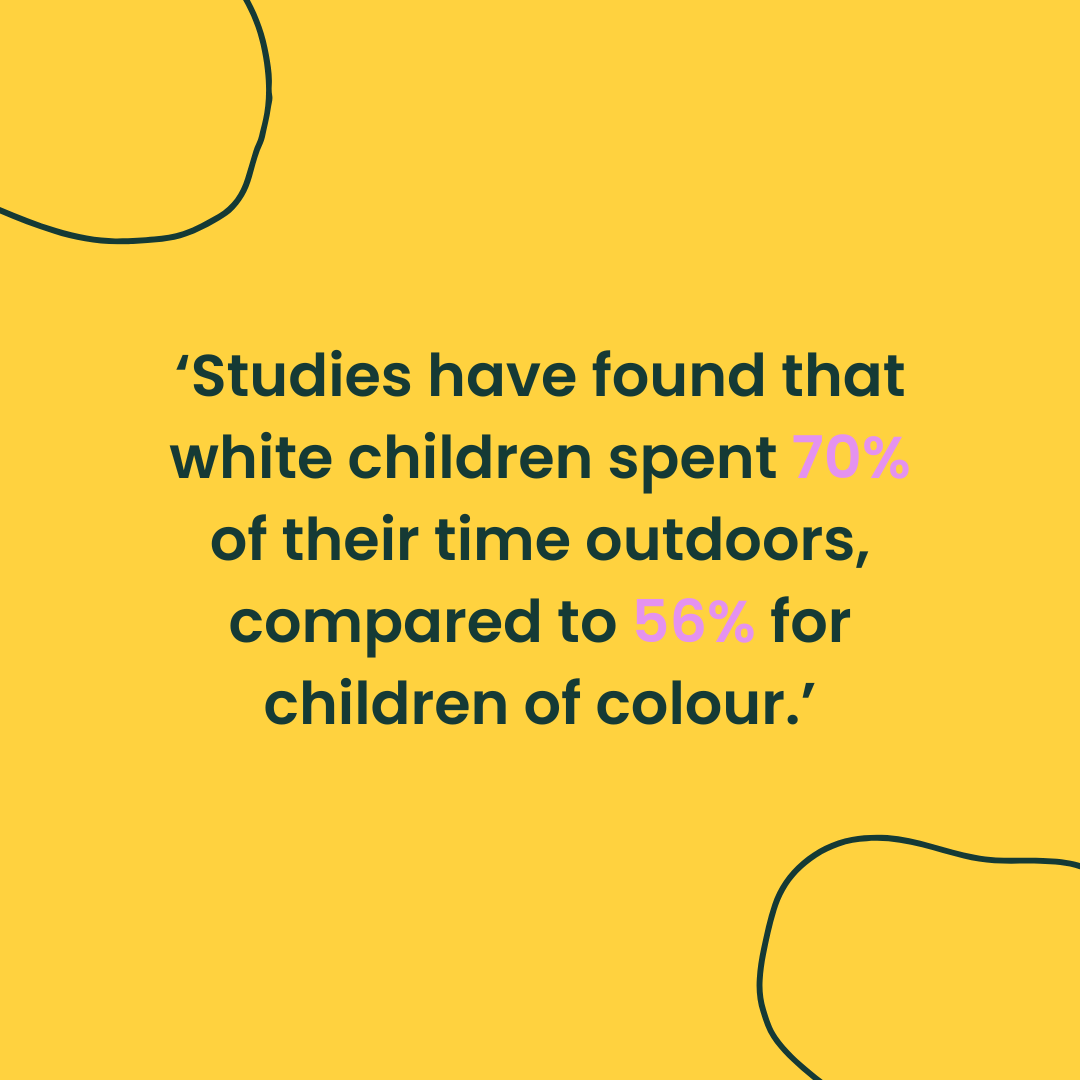
As the amazing journalist and ecologist Jasmine Isa Qureshi said in their Gritty Talent article, passions and skills take time to grow and develop. Time and space to explore the world around them and nurture their curiosity is a “luxury” many minorities do not have.
These inclusions can reap such benefits for us all and the young people who could grow into our next generation of adults with opportunities to engage meaningfully with nature that will turn that into a passion for conservation. Even in terms of health, spending time in nature improves sleep and anxiety and lowers blood pressure and stress. This, again, is another reason working in this sector can be quite so lovely, so why not share those benefits?
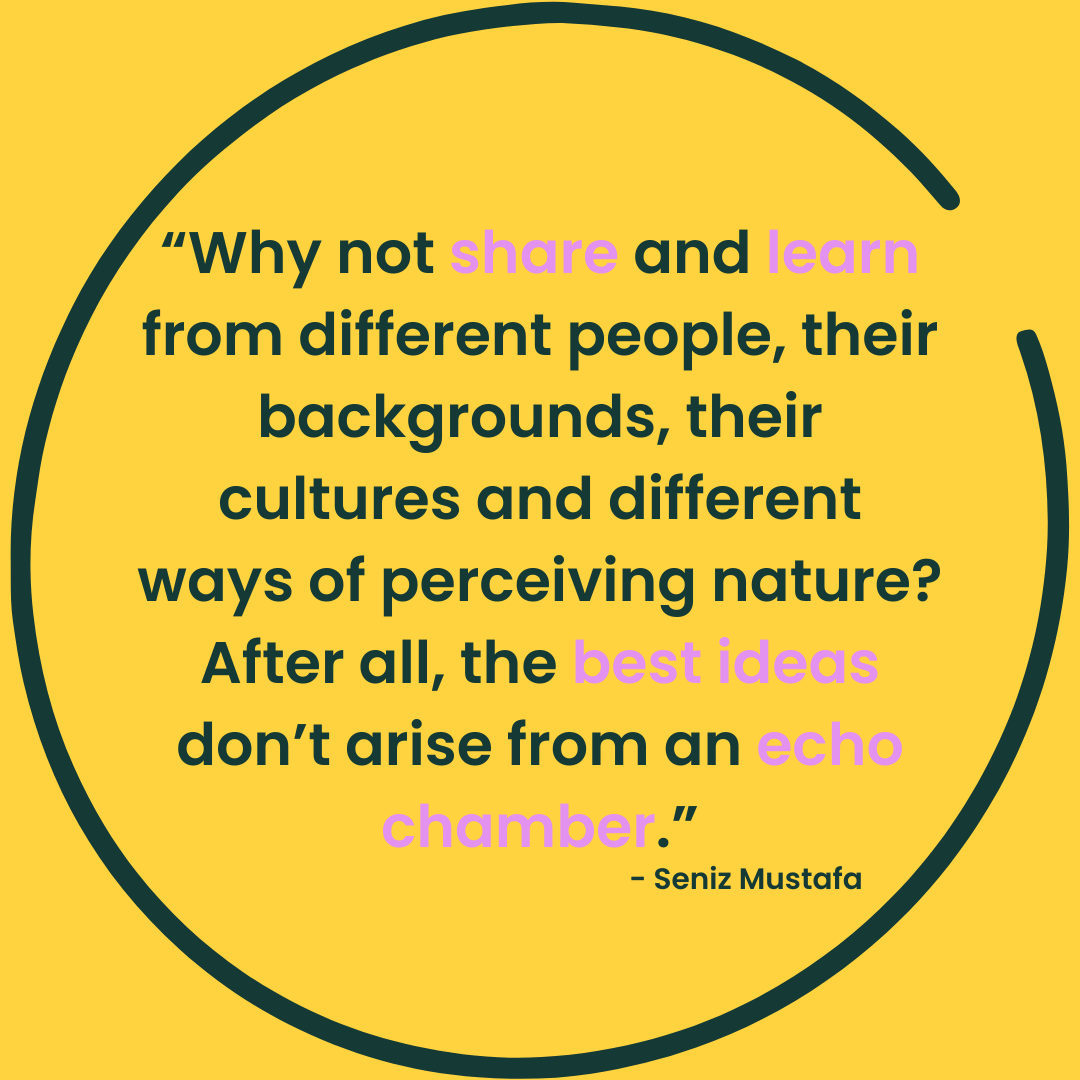
If conservation means making collective decisions about how to manage, protect and restore shared natural resources fundamental to both our own survival and the species we share the planet with, then the values and perspectives we bring to that decision-making should encompass all of society and all the beautiful differences it contains.
Post-event reflections
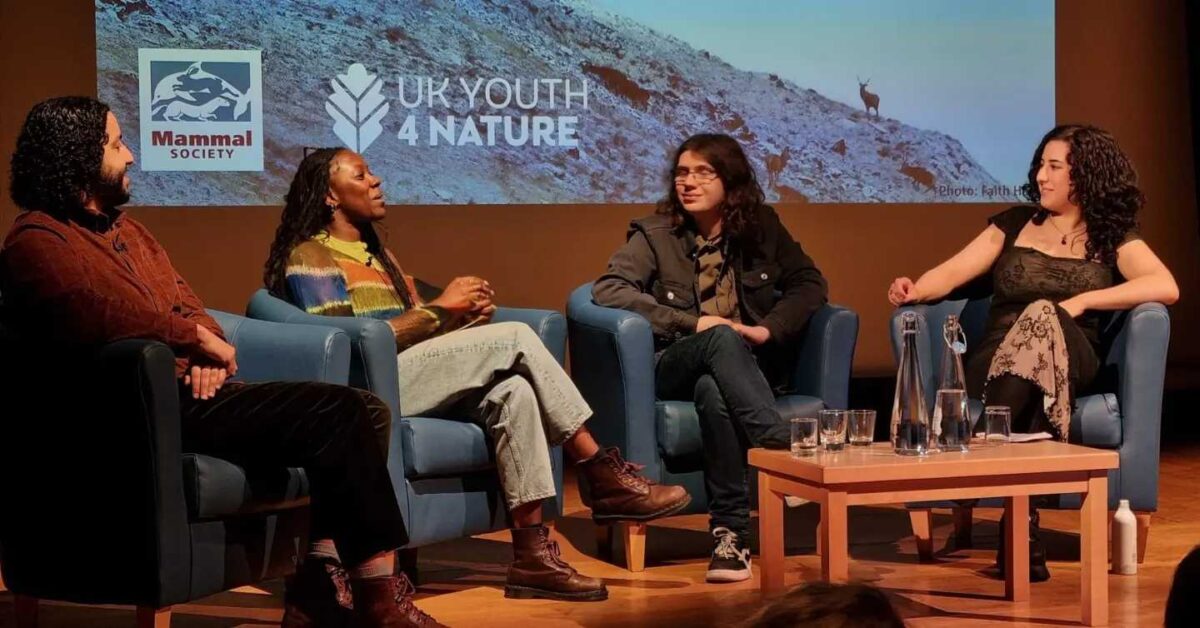
‘I had a wonderful time hosting the panel on inclusion in conservation at the Mammal Society 70th annual conference. Importantly, I felt it to be a safe space where I could be more honest and comfortable to share my thoughts. I was thrilled to see such a great turnout, in person and online, and how engaged the audience was 🙌🏼
It was particularly heartwarming, afterwards, to have several members initiate conversations with me on the topic, asking questions and resonating with what was said. To have an open mind, and continue to talk to others on this topic is vital to continue the movement to make our sector more inclusive.’
