

by Francesca Read-Cutting
A quick history of ponds
If you travelled back to the mid-twentieth century, ponds would have been familiar part of the landscape, with an approximate 800,000 ponds sprawled across the U.K. and 4 or 5 ponds regularly being found in a single field. Dating back to Medieval times, these bodies of water were once vital water sources for both humans and biodiversity and could be found in every village and town. Additionally, they played a crucial role in transportation, acting as watering holes for weary travelers and their horses.

However, despite their historical significance, the number of ponds in England has drastically declined over the years. This decline can be attributed to various factors, including urbanisation, agricultural intensification, land drainage for development and technological advancements allowing water to become available on tap.
As a result, the U.K. has lost more than 50% of its natural ponds, disrupting ecosystems and diminishing biodiversity.
Why does this matter?
Ponds are incredible hotspots for biodiversity, collectively supporting more species than any other freshwater habitat. In fact, ponds support a staggering 2/3 of all freshwater species, and many species are unique to these habitats. The loss of ponds deprives these species of crucial breeding grounds, foraging areas, and shelter, while networks of ponds also act as ‘nature corridors’, allowing wetland species to disperse around the countryside. Thus the impacts of this decline in ponds on biodiversity are profound.
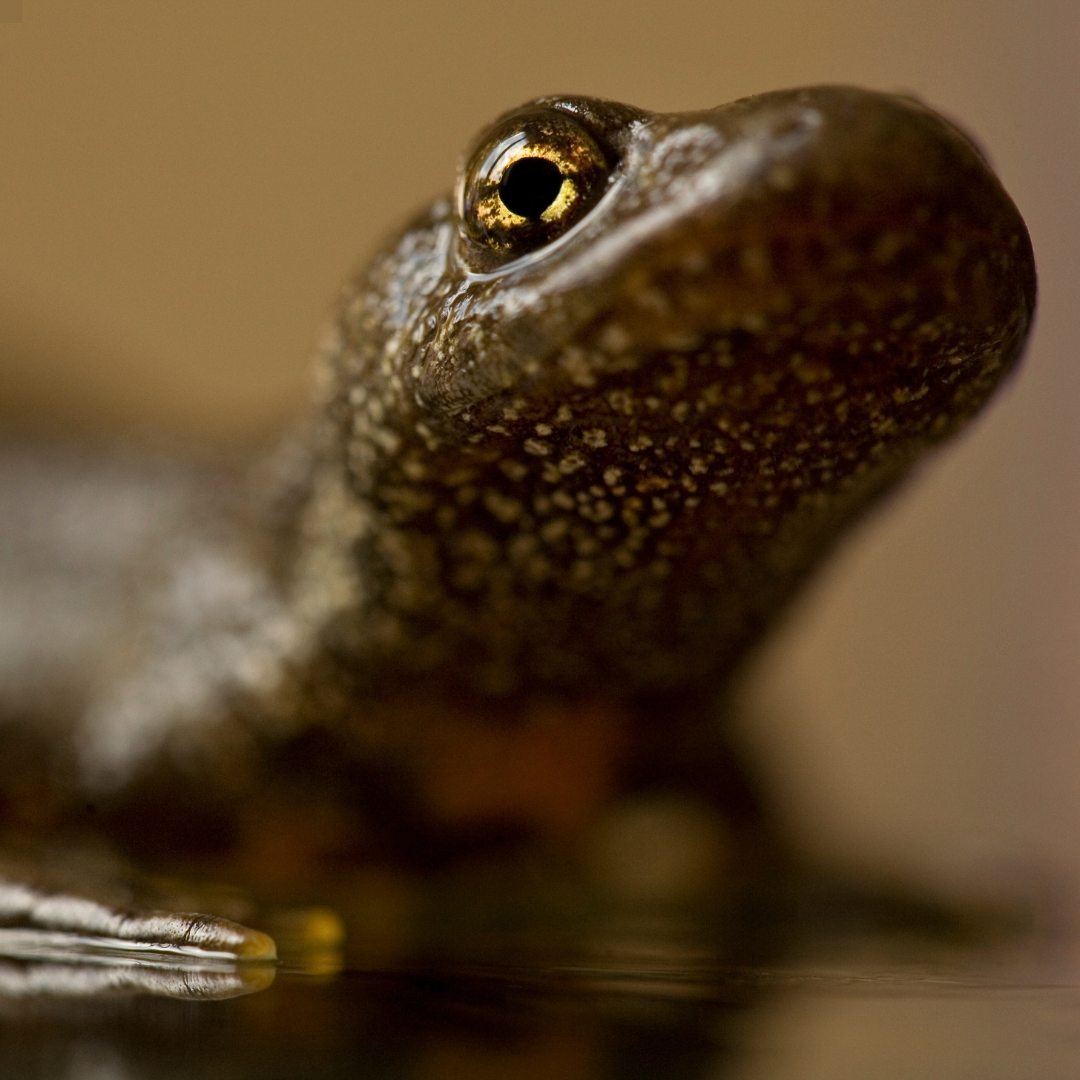
Great crested newts are just one of many UK species that have suffered steep population declines as a result of wetland removal.
What can YOU do?
Fortunately, individuals can take action to reverse this trend by creating their own ponds. Whether you have a garden or not, there are options available to everyone.
1. Garden Ponds: For those with gardens, creating a pond can be a rewarding and relatively straightforward endeavor. Choose a suitable location with adequate sunlight and dig a hole of the desired size and shape. Line the pond with a durable pond liner, add rocks or logs around the edges for wildlife access, and introduce native aquatic plants to provide habitat and oxygenation. Consider installing a small pump or fountain to keep the water circulating and prevent stagnation.
2. Miniature Ponds in Buckets: Even if you don’t have a garden, you can still create a miniature pond in a bucket or container. Simply fill a large container with water, such as a plastic tub or barrel, and add floating plants or submerged vegetation.
You can also include rocks or sticks for climbing insects and amphibians. Place the container in a sunny spot, and regularly top up the water to compensate for evaporation (use rainwater whenever possible to avoid introducing chemicals or minerals into the pond).
By building ponds, whether in gardens or miniature versions in containers, individuals can contribute to the preservation and restoration of vital habitats for wildlife. These small-scale initiatives not only enhance biodiversity but also provide valuable opportunities for education, enjoyment, and conservation action.
What I’m doing
My family bought a house with a lovely sloped garden, but without many native plants. The bottom of the garden in particular was just lawn. My mum went to a school with a stream running through it, where she spent a lot of time on her tummy giving the caddis fly larvae bits of shell to make their cases.
When my mum visited a friend’s house, she saw a pond that was only 18 months old, but was teeming with newts, dragon flies, water boatman and a proliferation of plants. It looked as though it had been there forever. She realised how much life this tiny body of water could support and how drawn she felt to it, so determined to bring one to our garden.
We dug a hole with shallow shelves allowing wildlife to get in and out, turfed the edge to make it look natural, added pond liner and several plants (elodea) that helped keep the water clean and oxygenated. Then we just waited, and…

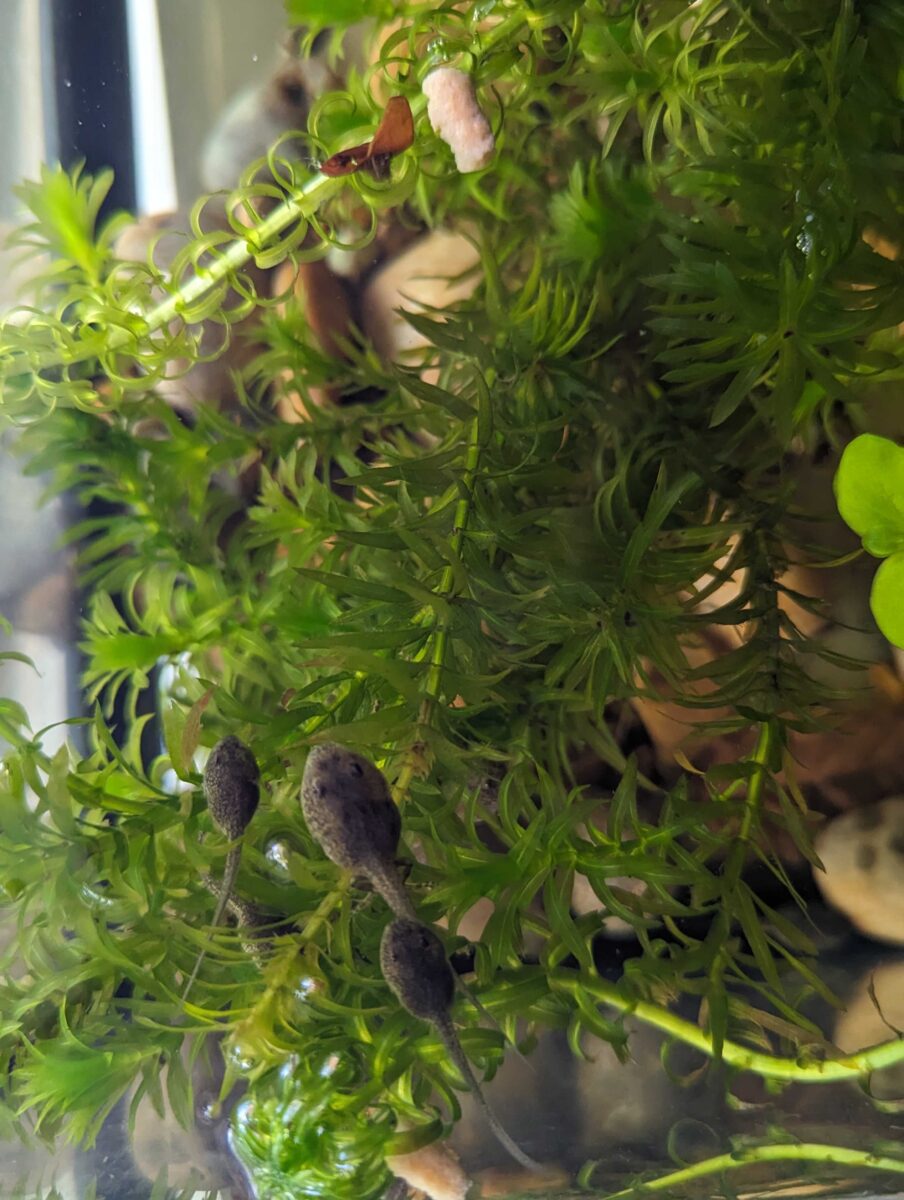


Together, we can make a difference in protecting our planet’s precious ecosystems for future generations.
Extra resources
Watch Leave Curious’s video ‘What if we created 23 Million Mini Ponds?’
We’re launching a brand new campaign very soon, centred around boosting nature in urban landscapes. Follow us on Instagram, Twitter, TikTok or LinkedIn to stay in the loop!
Are you subscribed to our newsletter? It’s full of upcoming events, campaigns to get involved with, simple actions we can all take to help nature and great information about the wildlife that’s on your doorstep. Subscribe here.
Check out this BBC article on making a mini wildlife pond
Would you like to join our community of young nature activists? We’d love to hear from you! Click here to find out more about us and how you can get involved.
