

by Ione Howells
At UKY4N, we’re passionate about nature everywhere, not just in our wild spaces. As part of the Urban Nature Day in Bristol and our ‘Your Wild Streets’ campaign, we’re working with Pesticide Action Network UK (PAN UK) and the Pesticide Safe Bristol Alliance (PSBA) to call for a reduction and phase out of pesticide use in Bristol and other urban spaces.
Earlier this year, UKY4N attended the launch of the Pesticide Collaboration’s brand new campaign for reducing pesticide use in urban spaces through a new government bill that would commit councils to a phase-out of pesticides in our urban areas – our streets, parks, playgrounds, and other green spaces. But change on a local level can have a huge impact too.
Why is this important?
Pesticides can take many forms – herbicides, insecticides, fungicides – but are increasingly being associated with ill health. Pesticide use in urban areas makes up ~10% of the UK’s total usage, but is the second most common route of exposure (after food). That’s important – many pesticides harm our health, causing irritation and illness, or are ‘possible carcinogens’. We also don’t know what impact these can have long-term, or in combination with each other.
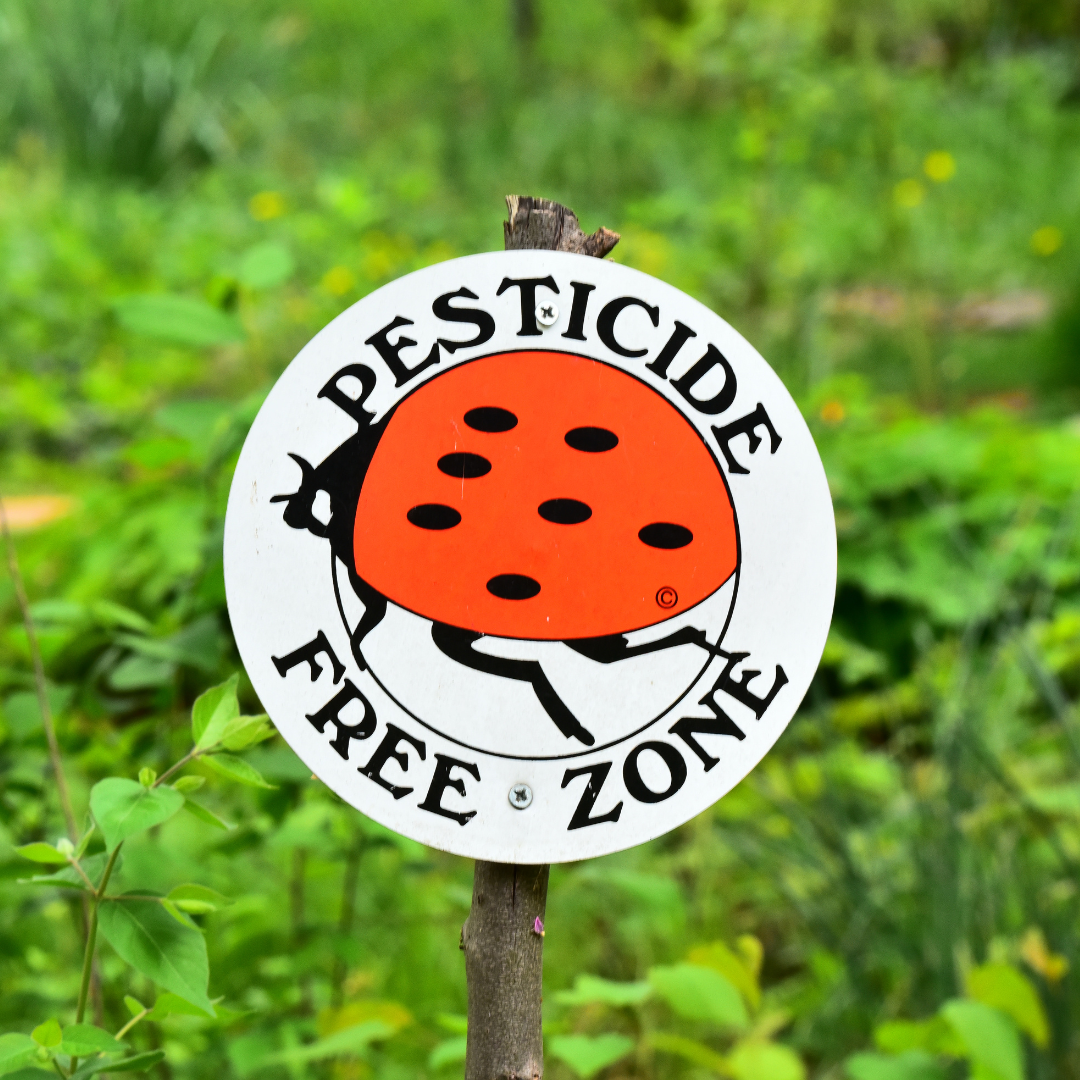
Of course, there’s a huge harm to nature too! Urban insects and wildflowers – and those above them in the food chain, like hedgehogs – are killed or significantly harmed by pesticide use, and runoff from spraying can pollute our waterways and harm aquatic life too. We care about nature and want to integrate it into our cities, and we know that this can have huge benefits to our mental and physical health.
By reducing pesticide use and using alternative methods, we can create wilder streets that benefit plants, non-human animals and us in so many ways, and help us reach the climate and nature goals we need to save our planet.
What’s this got to do with Bristol?
Bristol was named the most eco-friendly city in England this year – but pesticides are still used across the city. In Bristol, local organisation PSBA have been working for almost 10 years and have received a number of concessions from the council, including a pledge to reduce glyphosate use by 50% by 2030 and an establishment of local ‘Pesticide-Free Zones’. However, there’s not been very much real movement – only an 18% reduction. The Bristol One City climate plan calls for ‘sustainable restoration and enhancement of wildlife population and habitats in Bristol’ by 2030 – phasing out pesticides could be a great first step in helping our urban wildlife.

Pesticide Action Network have also been working across the UK – 49 towns are ‘Pesticide Free Towns’ (PFT), including local towns Glastonbury, Trowbridge, Warminster, and Frome. Bath is also linked to PFT, having banned the use of glyphosate. These local steps show that pesticide reduction or phase out can be successful in Bristol!
What are the next steps?
During our Urban Nature Day on 14th September, we’re hoping to invite a number of key local decision makers, to show them that young people care about urban nature and their health, and want harmful pesticides used less in their towns.
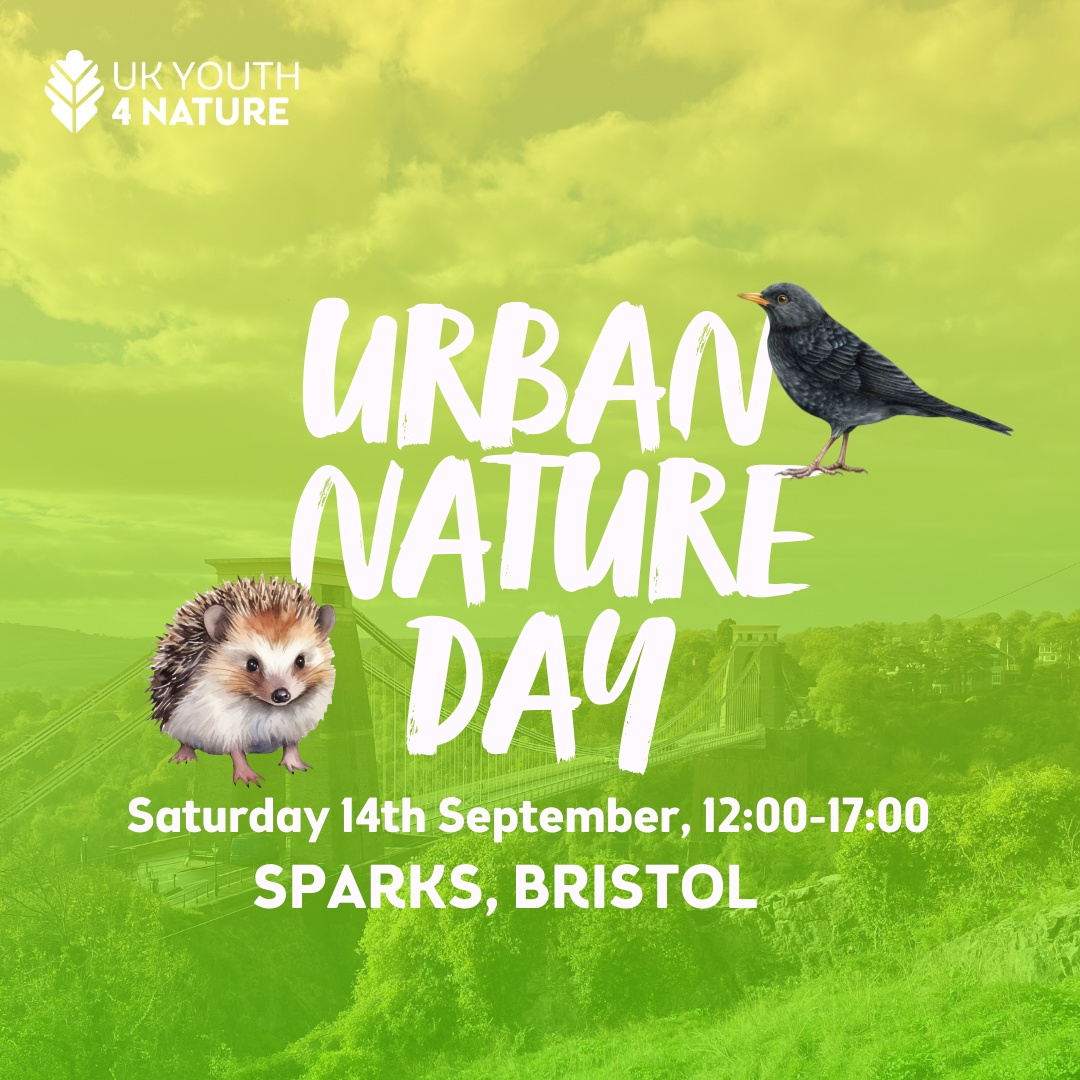
Alongside encouraging letters to local MPs and councillors, we (as always!) want to integrate a creative aspect too. As well as creating a pesticide-free ‘streetscape’ on the day, we want to link this to the wider Your Wild Streets campaign – encouraging young people to go explore and capture the nature around them, whether that be through photography, writing, painting… the possibilities are endless!
If you do go exploring, share your photos with us on Instagram @UKYouth4Nature – we’d love to see them!
Stay up to date with everything we’re working on by subscribing to our newsletter!
