Who are you?
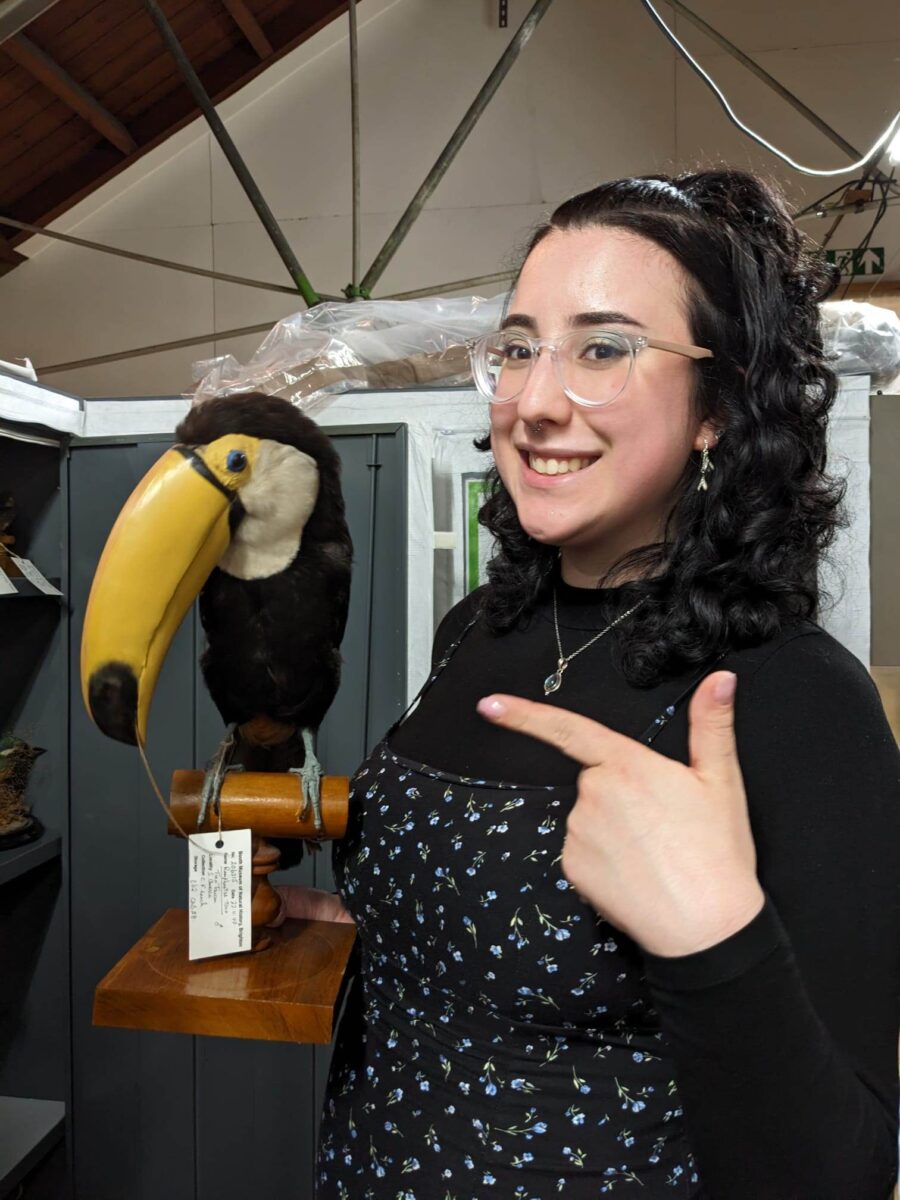
To put it in just a few words, my name is Seniz. I am an ecology and conservation master’s student studying in Brighton. My projects mainly focus on birds and their foraging behaviours and choices. I
am a very active member of the Brighton environmental community, and I endeavour to make that community more open and inclusive where I can!
How did you get here?
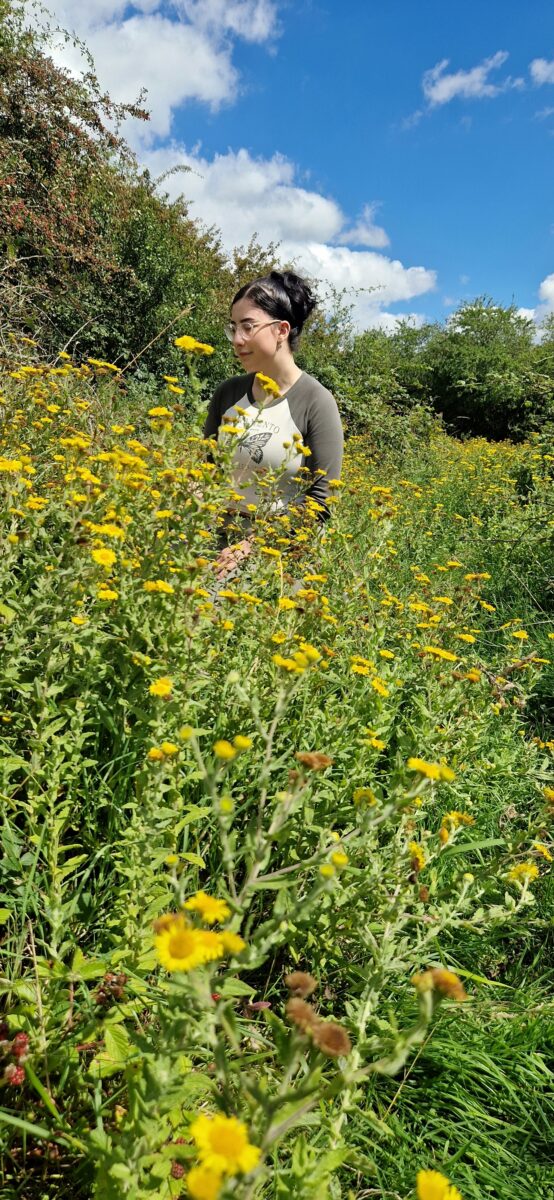
Not in the easiest way, but with unadulterated determination! I had a windy road, having I was not from a nature-focused background. Still, I always found nature to be something I wanted to learn more about and developed a strong emotional connection to it, as unbeknownst to me, I have AuADHD! After fumbling around a bit and getting onto my course, it wasn’t until I was on my placement year that all those years clicked together, and that began with falling in love with birds and moths (a killer combo). As we emerged from the COVID pandemic, I had the chance to gain experience that let my passions to flow and have an output. Since then, I’ve never really stopped being proactive, taking every opportunity I could and sharing that with other young people in my community – we do not gatekeep environmentalism whilst I’m around!
What do you believe to be an absolute non-negotiable for the future of our planet?
I firmly believe that to achieve global unity in the face of the climate crisis, we must allow space
for all cultures and communities to be heard. The face of environmentalism need not be that o
western ideals; after all, western ideologies have a lot to learn. That means even in the UK we make
environmentalism more accessible and give people the tools to decide how they feel our shared pot
of earth should be treated. It also means more acknowledging of the colonialist roots of western
conservationism across the globe and working to untangle that. To learn from and empower
indigenous cultures and their ideas of interacting with nature!
Biggest nature obsession
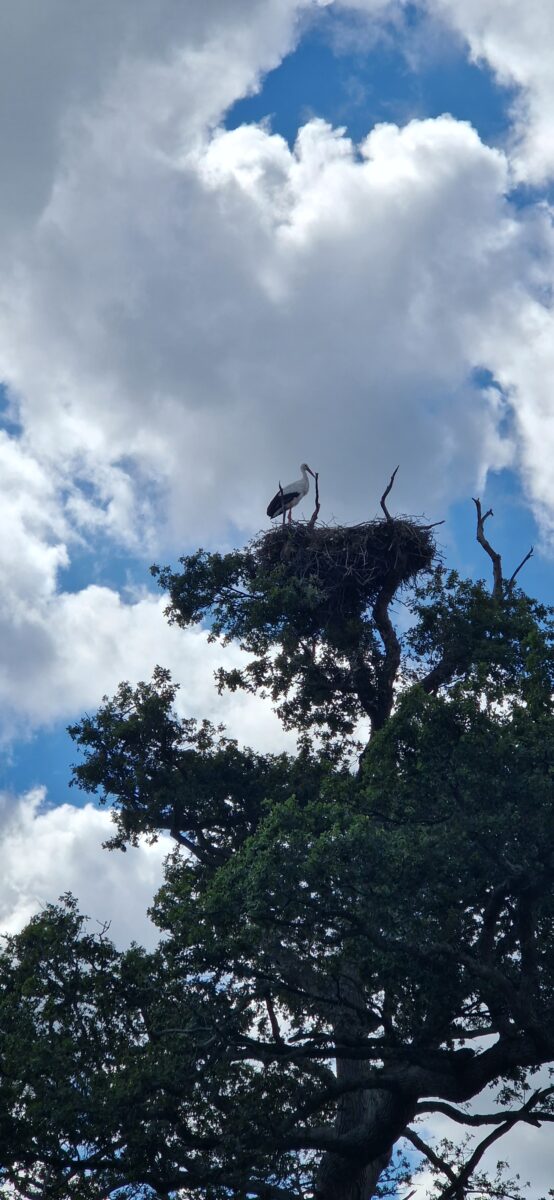
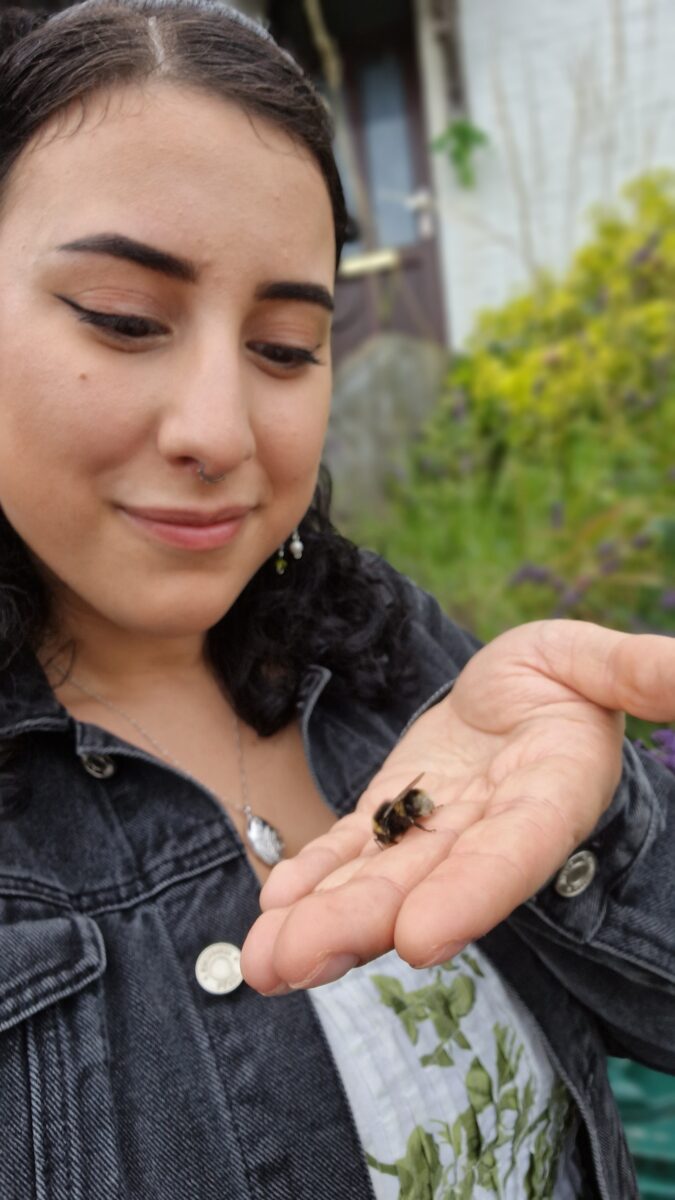
I absolutely love animal behaviour! It’s so fascinating to me, hence why it’s a big focus of my dissertations. It’s not enough for me to know just what decisions animals make. I need to understand WHY they make the decisions they make! From the aggressive purple emperor males that will attack not just each other but even birds to maintain their own territory to white storks bringing animal dung to their nests so their young can practice eating on their own! It’s crazing and an absolutely fascinating part of ecology!
What’s the most interesting nature fact you’ve learned lately?
This is something I learned in my time at Knepp Estate, and I love to share this with people, it is how the Tamworth pigs that they introduced during their rewilding journey churn up the soil when searching for food. This disruption in the soil actually allows the scarlet pimpernel plant to grow, and its seeds are one of the key food sources turtle doves depend on! As a red list species, it demonstrates how important those behaviours and interactions are!