Written by Nell Miles

What is it?
The UK State of Nature Report is the most comprehensive report on the UK’s current biodiversity, based on the latest and data from biological monitoring and recording schemes across the country. The 2023 report is the fourth to be published since the State of Nature Partnership was founded in 2013.
What does it say?
The report is 213 pages long and covers the current state of nature in the UK, followed by information on current conservation responses and what the Government could do better to more adequately protect nature. The ‘key findings’ section features some rather dire figures – the abundance of 753 terrestrial and freshwater species has dropped 19% on average across the country, 58% UK priority species have shown a decline, and only a small percentage of our natural habitats (14% of priority habitats, 7% of woodland, and 25% of peatlands) have been assessed to be in good condition. Public sector funding for biodiversity conservation has also decreased 24% over the last five years.
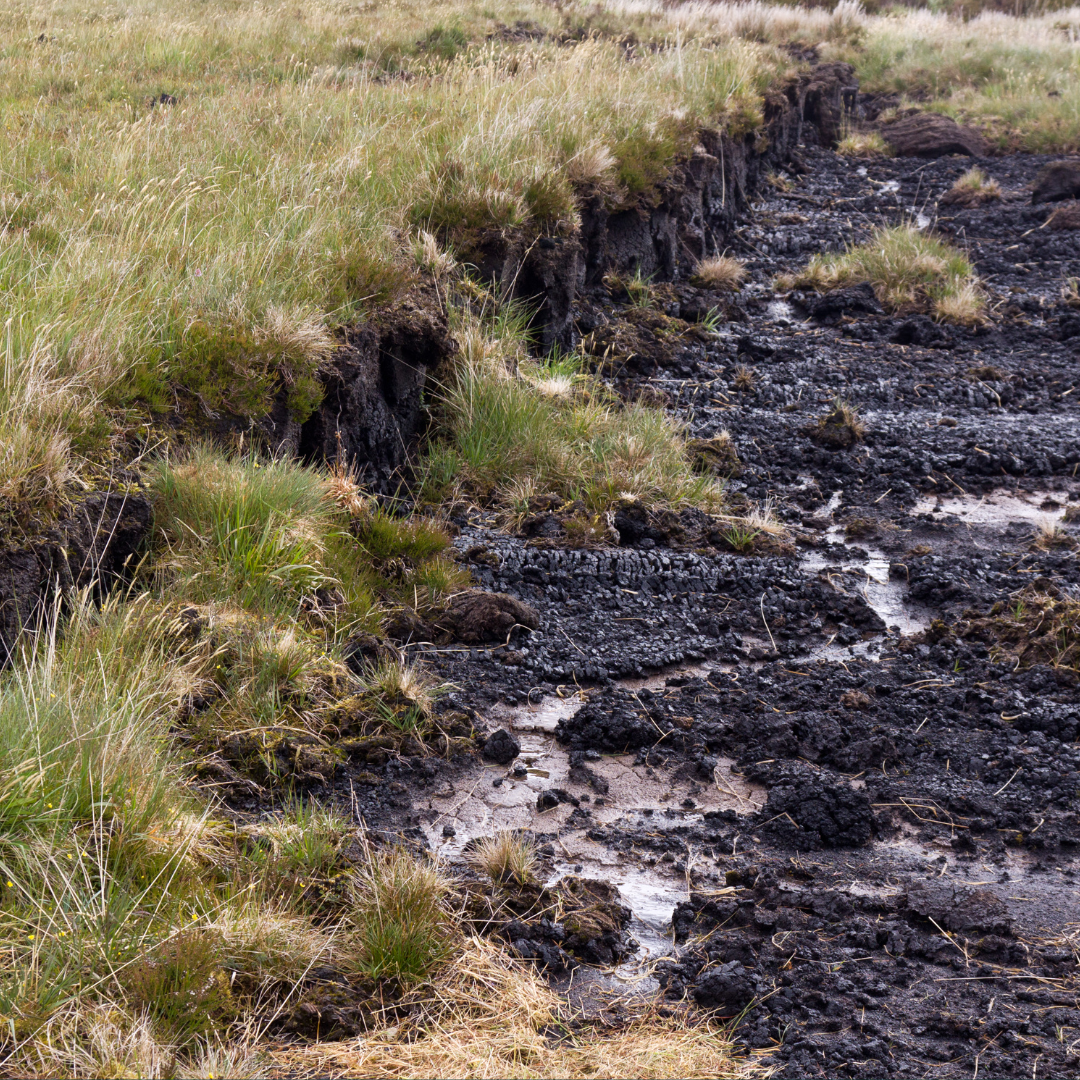
Only 25% of the UK’s peatlands have been assessed as being in ‘good condition’
Current conservation responses are also clearly inadequate: only 11% of UK land is in protected areas, 44% of woodland is certified as sustainably managed, and only a fifth of farmland is in agri-environment schemes – only a small part of this is considered nature-friendly farming. The picture is similar for marine ecosystems: large areas of the UK seafloor were reported to fail to meet Good Environmental Status owing to habitat disturbance from fishing, and half of marine fish stocks are unsustainably harvested.
Is there any good news?
While the report is admittedly largely negative, there are some key wins to be celebrated. A trial of nature-friendly farming on the RSPB’s Hope Farm featured diversified crop rotation and conversion of 10% its formerly cropped land to support nature, and suffered only a small drop in food energy production (90.4% previous levels) whilst breeding bird populations increased 177% and greenhouse gas emissions dropped by 9.4%. There is clear evidence that some species conservation projects have worked, and reduced sulphur dioxide levels owing to the EU National Emissions Ceiling Directive have contributed to population recoveries of several bryophyte species (mosses, liverworts and hornworts).

Reductions in sulphur dioxide emissions have contributed to bryophyte recovery in the UK
It’s also important to remember that the fact we can have this data is a positive too. Only once we know about the problem can we do something about it, so the wealth of data on which to assess the state of UK nature is an invaluable resource. It has also been collated as a result of thousands of incredible volunteers whose work has contributed to the findings – an example of how brilliant collective action can be.
What are the report’s recommendations?
The State of Nature report is very clear about what is needed to halt and reverse biodiversity loss: the Government must not only increase conservation and restoration efforts, but also tackle the drivers of biodiversity loss, especially in relation to our food system. We need ambitious legislation backed by meaningful action and investment to restore nature.
What can I do?
Reports like this, at a time when the UK has already been in the news for a sleuth of environmental harms and issues, can be extremely disheartening. But it’s important to remember that we can make change. We need rapid systemic change if we are to reverse the loss of nature and mitigate global warming, but we are not powerless in this fight. Young people have power in our votes, our consumption, in the time we can spend volunteering or spreading the word. If you are feeling hopeless and want help in finding how you can make a difference, get in touch.