
At the start of June, volunteers Connah Snape and Ione Howells went to Budapest with Youth and Environment Europe (YEE) and the Council of Europe to attend a 6-day study session on ‘the Right to a Healthy Environment: A Young Activist Perspective’.
This article explores the key issues raised by the session – for more information on the session itself, be sure to see Connah’s fantastic video diary here!
The event

Just like the event Christina attended a few months ago, this was hosted by Youth and Environment Europe (YEE) and Yeghvard Ecological NGO at the incredible European Youth Centre in Budapest.
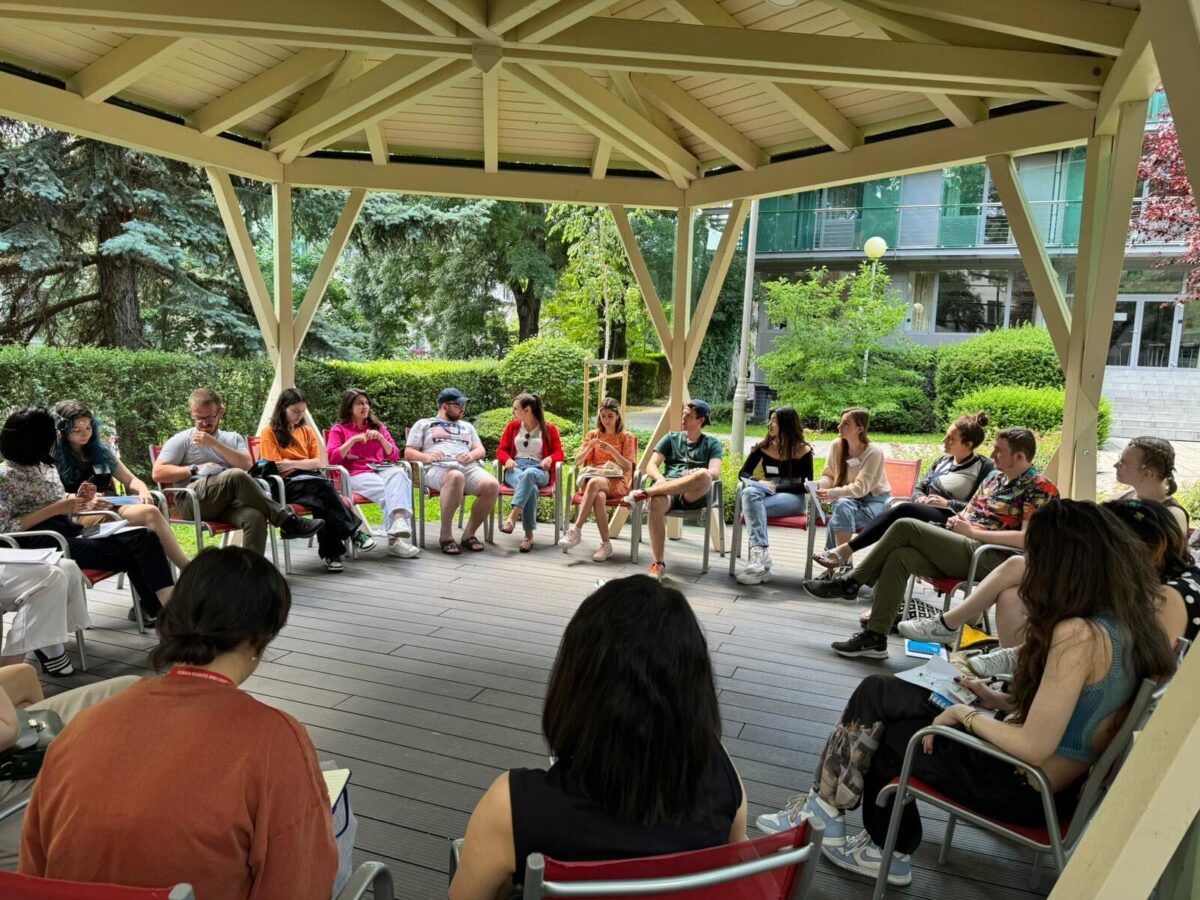
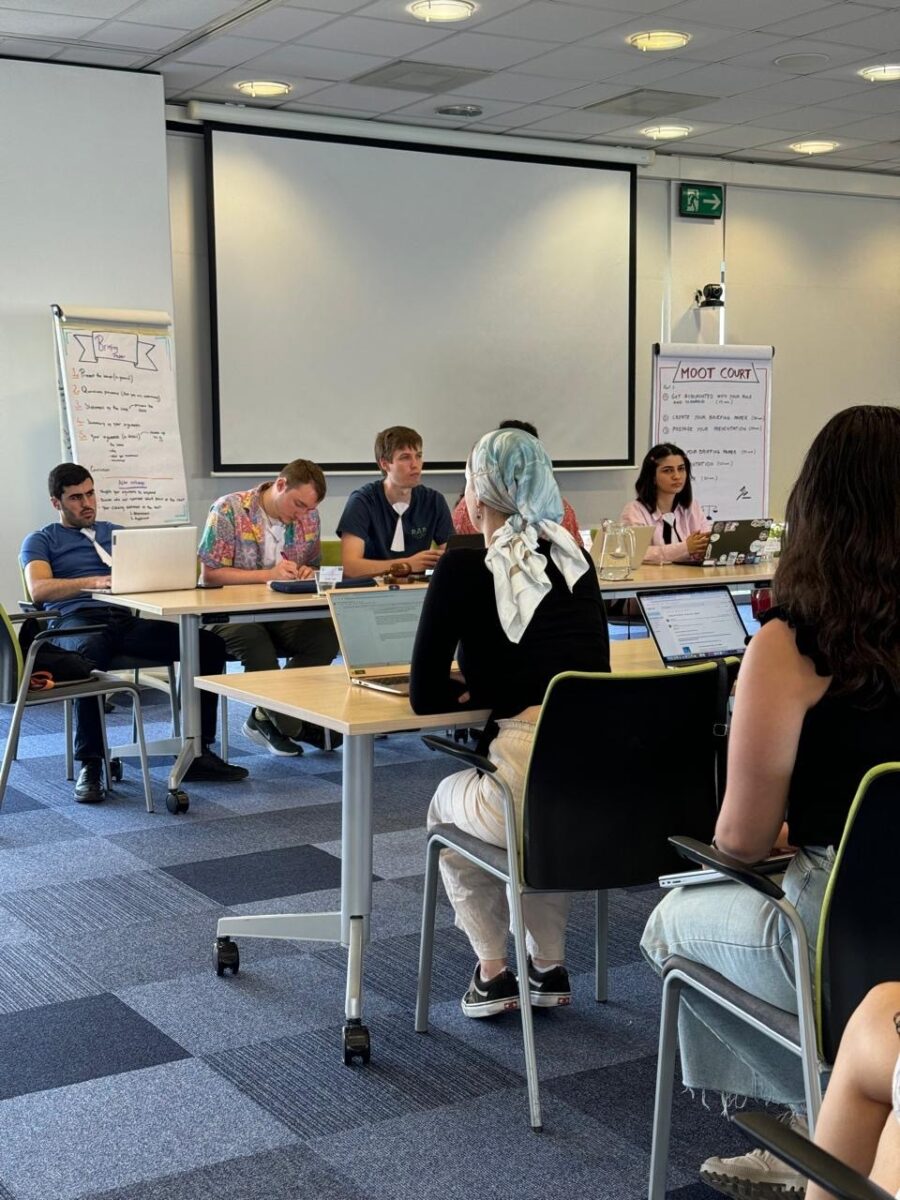
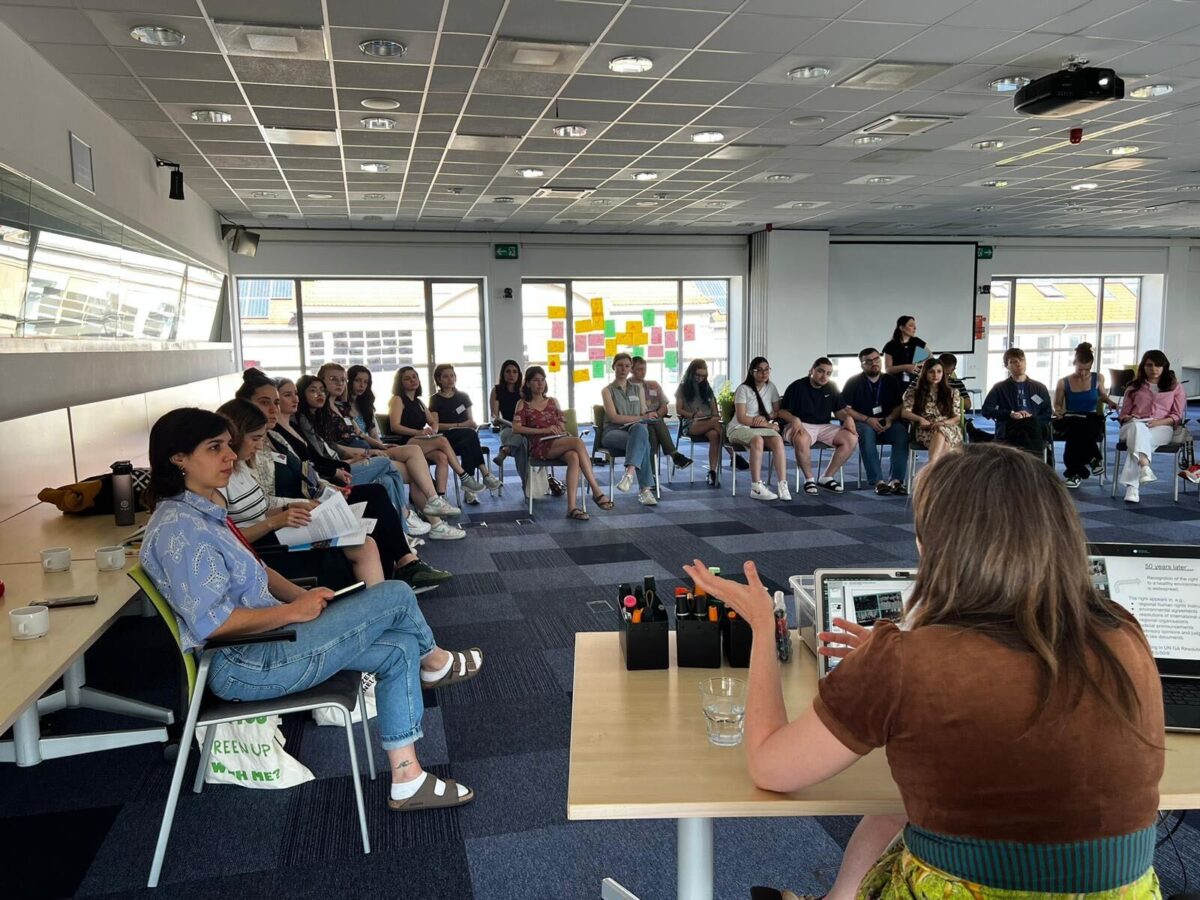
Connah and I worked with 27 other young activists and youth workers in a ‘study session’ to increase youth capacity and knowledge of our environmental rights, especially the fight to recognise the Right to a Healthy Environment in the Council of Europe.
Over six days, we learnt about human rights and the environment, including support from Amy Lawrence at Greenpeace, and shared our current experiences of the environment and youth advocacy in our own countries. We’ve also worked to produce a youth toolkit on advocating for the Right to a Healthy Environment – but more about that at the end!
What is the Right to a Healthy Environment?
The ‘Right to a Healthy Environment’ (RtHE) is the human right to a ‘clean, healthy and sustainable environment’, recognised by the UN General Assembly in July 2022 after a long campaign by a huge international coalition. But what does this mean?
We know that the environment has serious impacts – both positive and negative – on our mental and physical well-being. Considering this, the RtHE calls for:
- Clean air
- A safe climate
- Safe and sufficient water
- Sustainably produced food
- ‘Non-toxic’ environments
- Healthy ecosystems and biodiversity
- Participation in environmental decision making
- Access to environmental justice
- Access to environmental information
These things are very close to our hearts here at UKY4N and are key to addressing the climate and nature crises equitably. Despite the UN recognition, however, the RtHE has yet to be adopted by the European Court of Human Rights. That doesn’t mean there hasn’t already been environmental human rights action in Europe, however…
A potted history of ‘green’ human rights
Despite the fact the Council of Europe (NB: this is not the European Union. The CoE has 46 member countries, including the UK) has yet to integrate the RtHE into the European Convention on Human Rights, environmental issues are still a hot topic.
There have been more than 300 decisions at the European Court of Human Rights on environmental issues – campaigners argue that existing human rights are violated by climate inaction. A recent success story is the KlimaSeniorinnen case; the Court ruled that the government had violated the group’s ‘right to respect for private and family life’ by not acting fast enough to address climate change.
This isn’t enough, though; without a dedicated RtHE, green human rights litigation relies on goodwill from judges and fitting climate into existing regulation. But progress is being made! 43 of the 46 Council of Europe countries recognise the RtHE or similar on a national level (although this doesn’t include the UK), and the Council of Europe recently passed a non-binding recommendation on the ‘consideration’ of the RtHE. The parliamentary body of the Council of Europe has been calling for action since 1999 and continues to apply pressure on member States.
The campaign for the RtHE
So how are we going to get the RtHE adopted in Europe? Healthy Environment Europe is an alliance of over 400 NGOs, including Greenpeace and Amnesty, calling for the Council of Europe to formally integrate the RtHE into the Convention on Human Rights. They work both inside and outside of the Council to pressure member States to adopt the Right and enshrine it in law.
But if 43 countries already recognise it, why do we need a provision in the Convention on Human Rights? By adding it to the Convention, the Campaign argue that this provides additional protection to both the Right and its defenders.
National legislation is subject to change as governments change, but human rights are far more stable and secure – and human rights defenders are better legally protected than environmental campaigners currently are. It would set a precedent that the environment is just as key to our survival and flourishing as any other human right.