Birding is for everyone

Ramandeep Nijjar explores the joy of birding ahead of the RSPB’s Big Garden Birdwatch.

Birding is regularly defined as the identification, observation and recording of birds in the wild and their natural habitat. I personally love it as you can do it wherever you go, whether it is the park, a city centre, at a train station or just outside your house as there are often birds flying everywhere. You do not need to have an extensive knowledge of ornithology to be involved in birding, you just need to be curious about wildlife. 

What are some benefits of Birding?

  • It can encourage you to get outdoors and this can provide benefits for your mind, body and soul. 
  • It may allow you to connect with friends and family as you all spend time together. 
  • It may provide you with a sense of calm, I have often found it reduces my stress and anxiety. 
  • It may provide a change of scenery and allow you to experience new places that you have not been to before. 
  • It can help create moments of stillness and wonder and help individuals feel more connected to the world around them. 
Who can be a Birder and what do you need?

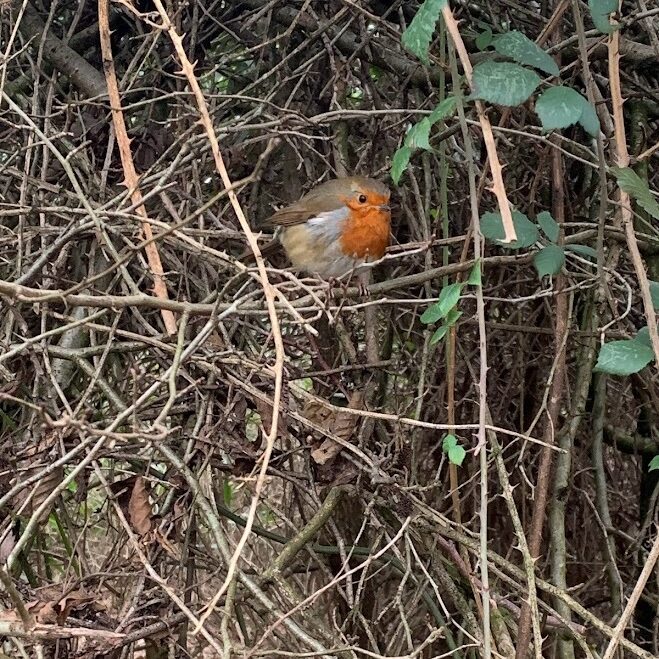
Anyone can be a birder, everyone is entitled to enjoy birds and birding, however it best suits them. You may want to watch birds from the comfort of your house through windows or more intensively in nature reserves. It is your personal choice.

Suggested Beginner Tools 

  1. A Field Guide – Even with modern technology, I find a traditional field guide incredibly helpful. An excellent guide should contain not just photos of birds, information on birds’ natural habitat, migration patterns, diet and their calls. Field Studies Council, RSPB have good ones and second hand book shops are another option. I found mine in a charity shop and use it regularly. 
  1. Binoculars and monoculars – to help you have better viewing of birds. There are a wide range of brands but as a beginner you do not need an elaborate brand and you can sometimes find some good preowned ones. 

This guide is also very helpful: https://shopping.rspb.org.uk/page/how-to-choose-binoculars-for-bird-watching.

If you are a young person, you might also be eligible to apply for BTO’s equipment donation scheme: https://www.bto.org/develop-your-skills/birding-basics/bto-equipment-donation-scheme

  1. Notebook and pen/pencil – Some people like to keep a record of what birds they encounter but this is your personal preference, however you will likely experience the UK weather when birding so you might want to make it waterproof!
Recommended Apps 

  1. Merlin Bird ID – features the best of community contributed photos, songs, and calls, tips from experts around the world to help you ID the birds you see, and range maps from Birds of the World – all powered by billions of bird observations submitted to eBird.
  1. Birda –  a bird app and community for anyone curious about nature and birds, no matter your level of knowledge or previous bird watching experience. 
  1. Birdtrack –  makes recording your sightings easy and your bird watching more rewarding; plus your sightings support research and conservation at the local, national and global scale. 
  1. Collins Bird Guide – provides everything you need to identify a species quickly and learn about it thoroughly. Immerse yourself in the exceptional illustrations, maps, calls and concise text. 
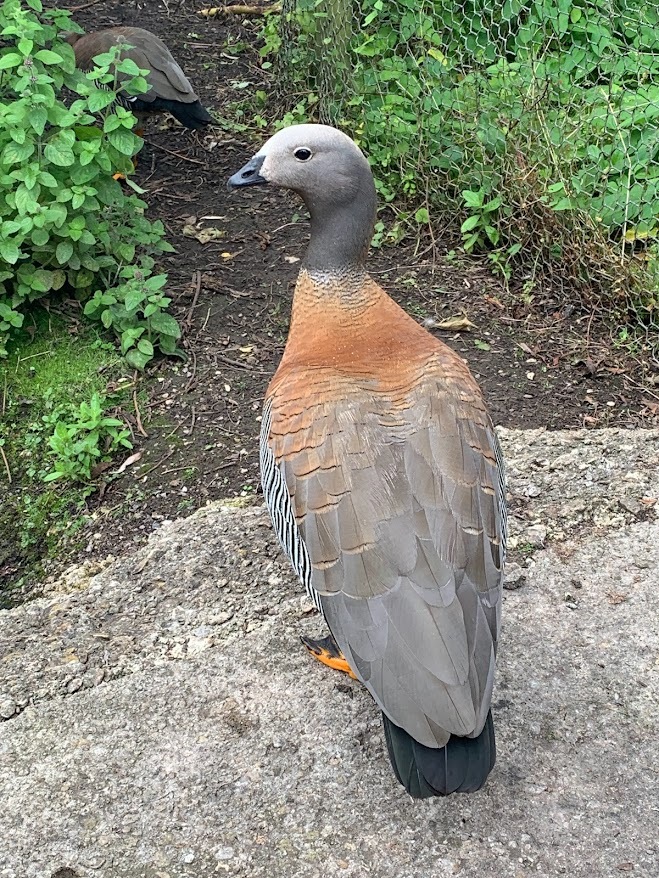
RSPB Big Garden Birdwatch 

Big Garden Birdwatch is the world’s largest garden wildlife survey. Every year, hundreds of thousands of nature lovers like you take part, helping to build a picture of how garden birds are faring. All you have to do is spend an hour watching the birds in your patch, between 24 and 26 January, and record the birds that land.

Sign up here 

We hope you enjoyed reading this blog and we will end with one of my favourite quotes. All the best for your birding journey!


“The presence of a single bird can change everything for one who appreciates them,”

– Julie Zickefoose

Like what you see? Subscribe to our newsletter to get regular updates directly to your inbox.
UKY4N at the Oxford Real Farming Conference

Farming in Flux

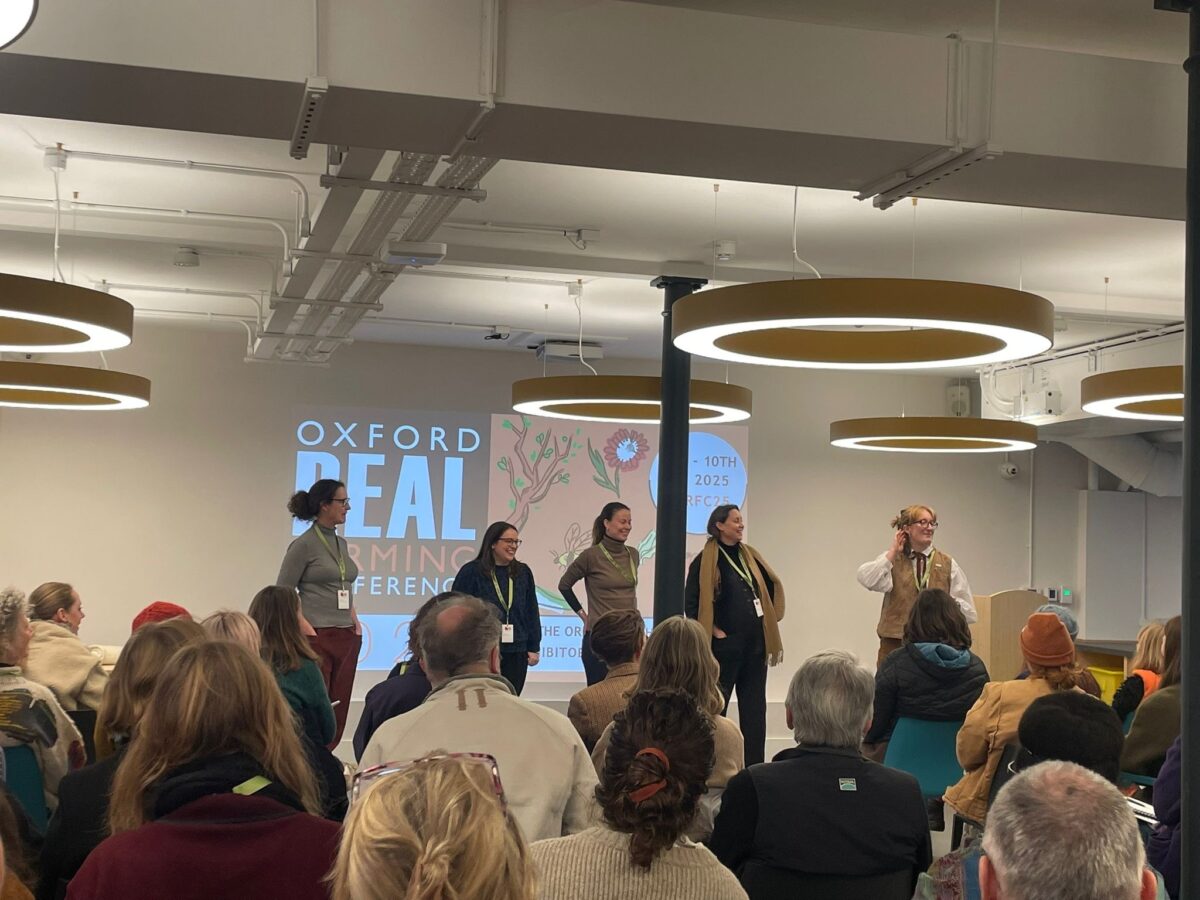
Oxford Real Farming Conference is a meeting of farmers, activists and various groups from across the rural economy. Yesterday our co-director Roisin delivered sessions aimed at connecting these interests, to help build a more biodiverse, sustainable future. 

Rois led a session on flower farming and diversification (her other job) focussing on: 

  1. How nature friendly methods can help us adapt to our changing climate.
  2. How we can increase the diversity within farming.
  3. How we can create community, starting right here in the conference.

This event was absolutely packed out, demonstrating the appetite among farmers and growers to adapt to the climate and biodiversity crises. The questions tackled in the event matched the tone of the wider conference – how can we develop farming to improve our communities, our nature and our planet?

Growing Culture

Rois also represented the UK Youth 4 Nature campaign in a session hosted by the ‘Growing Culture’ cooperative. This session explored how we can communicate the trauma of climate change, nature loss and genocide without our narratives themselves reproducing that trauma.  

The session was a space for everyone to share stories of hope and their stories of pain without fear of judgement. Rois’s favourite quote from the session was:

“We are not fighting for nature to survive, we are fighting to survive as nature.” 

The room discussed the importance of looking after our own mental health and practicing self love as a critical tool against oppression. One member explained that this practice was vital to be able to recognise when we have become overwhelmed or burned out.

Inclusion and solidarity are values that we in the UKY4N campaign hold dear, and we were pleased to see it reflected in the broader conference. These values were woven through many of the sessions over the two days and we are excited to further engage with farming spaces as we navigate and develop our Not So Freshwater campaign in 2025.

Not So Freshwater

Our Not so Freshwater campaign is calling on the UK Government to:

  1. Reduce pesticide use by 50% (volume and toxicity) by 2030
  2. Create ambitious targets to restore field margins and riverside ecosystems to reduce field run-off and boost our waters for wildlife and people

If you want to support our campaign, head to our campaign page and write a letter to your MP or subscribe to our newsletter to get regular updates directly to your inbox.

Community member spotlight – Robson Peisley

Who are you? (Tell us a bit about yourself!)

My name is Robson, and I am a third year Ecology and Conservation student at the University of Brighton. I am currently completing a dissertation on pond creation and restoration, looking at the use of invertebrates as bioindicators. At the university I am also President of the Ecological Society, where I work to deliver events and opportunities to connect students to nature and to develop their skills.

Outside of my studies I am a Youth Ambassador for the South Downs National Park, where I represent youth voice in the management and decision making relating to the park. As well as this, another part of the role is raising awareness about the work of the National Park and pushing for inclusion and accessibility within the landscape. I am also the Youth Engagement Coordinator for the Sussex Mammal Group, where I am working with other local groups and underrepresented communities to create a variety of opportunities and events for young people to engage with mammals and conservation. I also do some bits to support species monitoring efforts, such as being a Wetland Bird Surveyor and participating in other schemes. And of course, I am also part of the UK Youth for Nature community!

What’s your favourite season, and why do you enjoy it?

I love spring and autumn. I think there is something so special about how they act as a transitional period and the visual changes we experience in nature during these times. From bird migrations, flowers coming into bloom, and leaves falling, spring and autumn are definitely some of the most visually stunning. They’re also a fantastic time to spot a wide range of species, which is great if you’re a keen naturalist such as myself.

Why do you feel so passionately about National Parks?

There are a couple of reasons why I feel so passionate about working with National Parks here in the UK.

Firstly, I feel that there is an important role to play in increasing the public understanding of National Parks and what they are. Whilst National Parks are in part designated for their importance for nature, here in the UK they are also designated in part for their historical, geological, and landscape importance. In fact, many people live inside our National Parks, whereas in many other places National Parks are expanses of land where no one lives.

Secondly, I believe that landscape scale efforts are needed to counteract the ongoing nature and biodiversity crisis, and National Parks have such potential within this. To achieve biodiversity and nature targets we need to see habitat and landscape scale action, and protected landscape’s management plans can drive this.

What is one thing that you think we need to see more of in nature spaces?

Without a doubt knowledge exchange between individuals and groups. Something I have personally realised is that there are so many people with such vast knowledge of the natural world, but this knowledge doesn’t seem to always get exchanged. So for me I think a big thing is to try to start and facilitate these conversations. No one person is ever going to know everything about nature, but if we can all share what we each know then more people have a wider knowledge. This in turn creates more awareness about nature and the environment, but also develops for skills for those that work in the environment sector.

Where is your dream place to travel to?

My dream is to travel to Oceania one day. The wildlife is so diverse, and I would love to immerse myself in it all. For example, where else in the world would you come across an egg laying mammal? 

Closer to home, I would love to explore more of the British landscape. We have such diverse landscapes across the UK and without a doubt there is so much more I want to see. One big one that sticks out to me is Snowdonia, it’s somewhere I’ve always wanted to visit so fingers crossed I squeeze it in this year! I also would love to go to Skomer Island to see the puffins, and I would love to return to the Scottish Highlands as my previous visit to the Cairngorms was very brief.

If you could instantly learn any skill, what would it be?

I always say I would love to be better at species identification. However deep down I know that learning these skills and the extensive time it takes is part of what makes them so fulfilling. I am always curious to identify and understand the living things I come across, and so learning more about species identification is always a bonus. This is something I hope to really develop this year!

UK Youth for Nature is a group of like-minded nature lovers who are on a mission to improve the future for wildlife, nature and humans in the UK. If you want to be part of our community, you can find out more here.