Community member spotlight – Katie Harriet Thompson

Who are you?

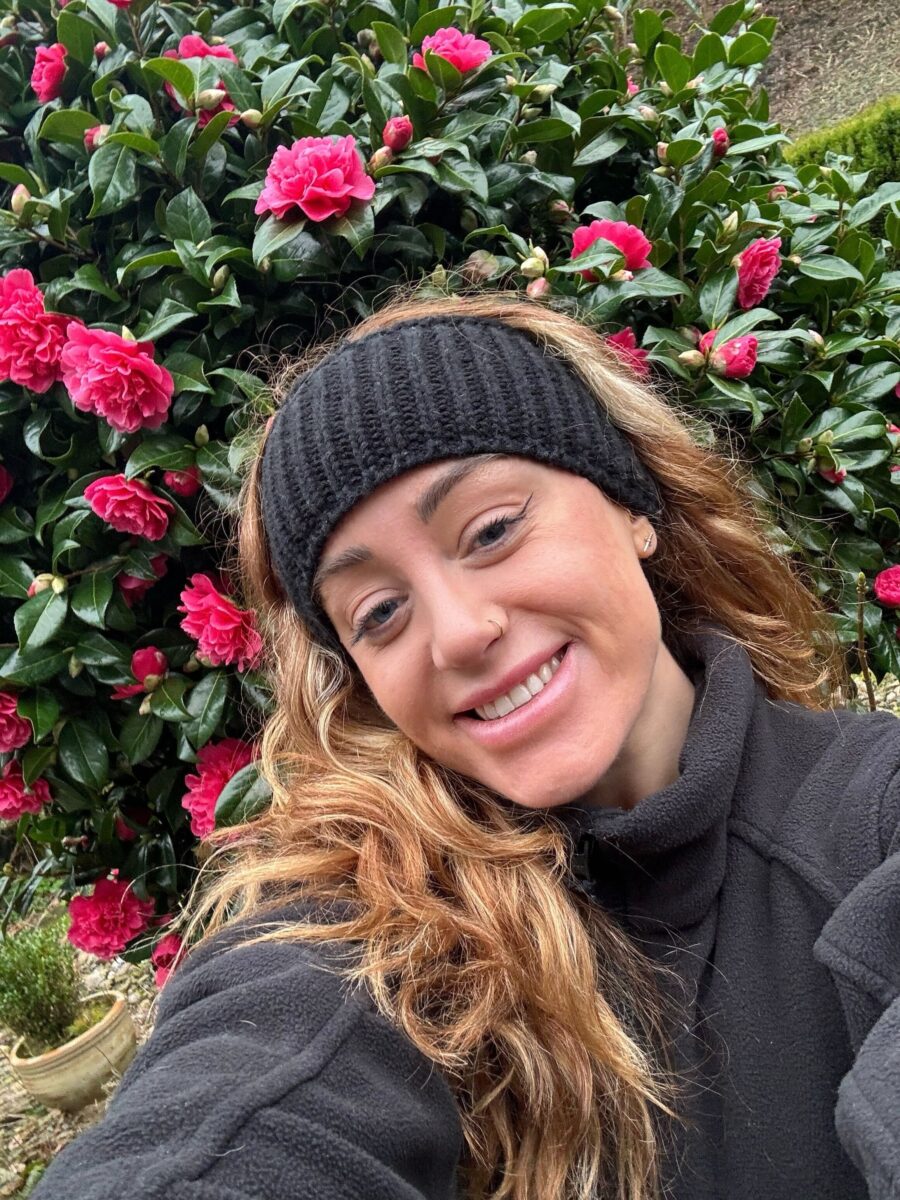
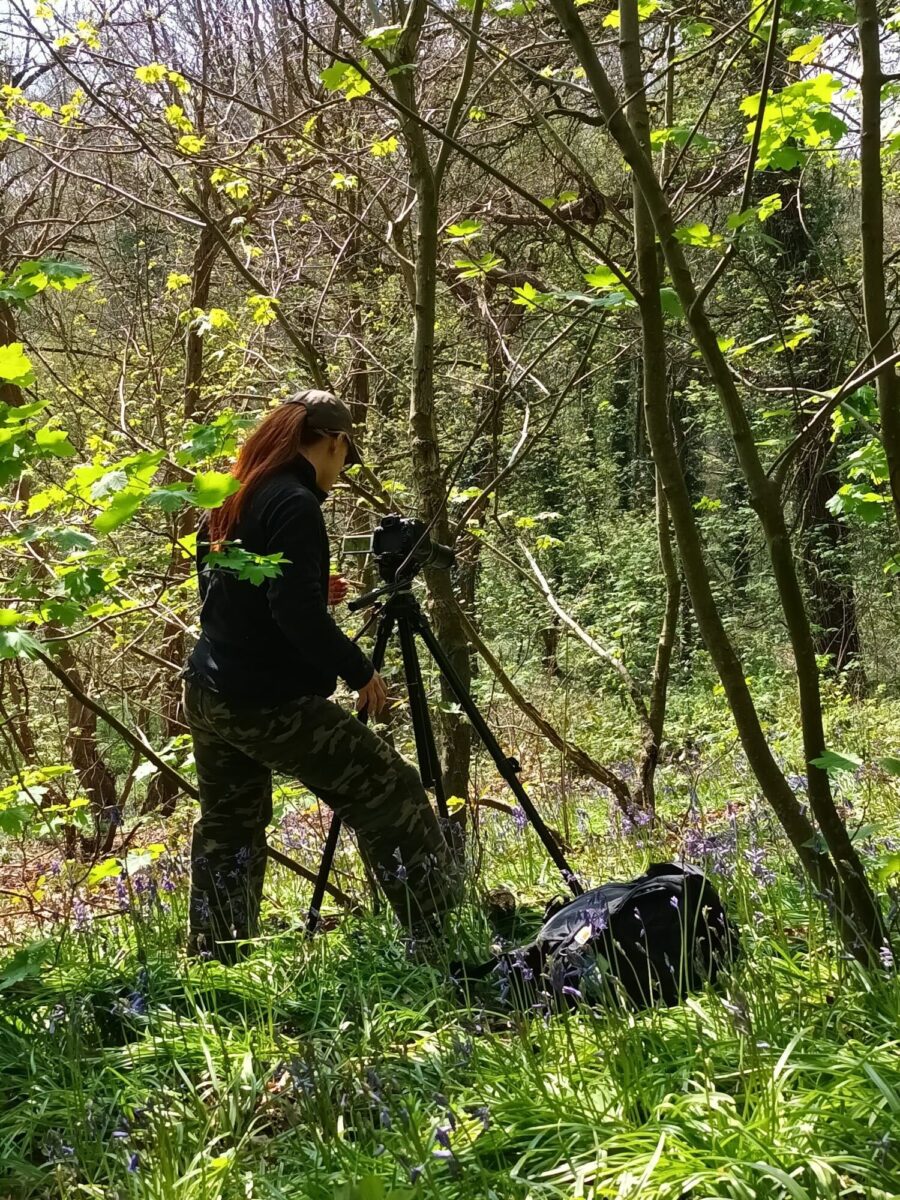
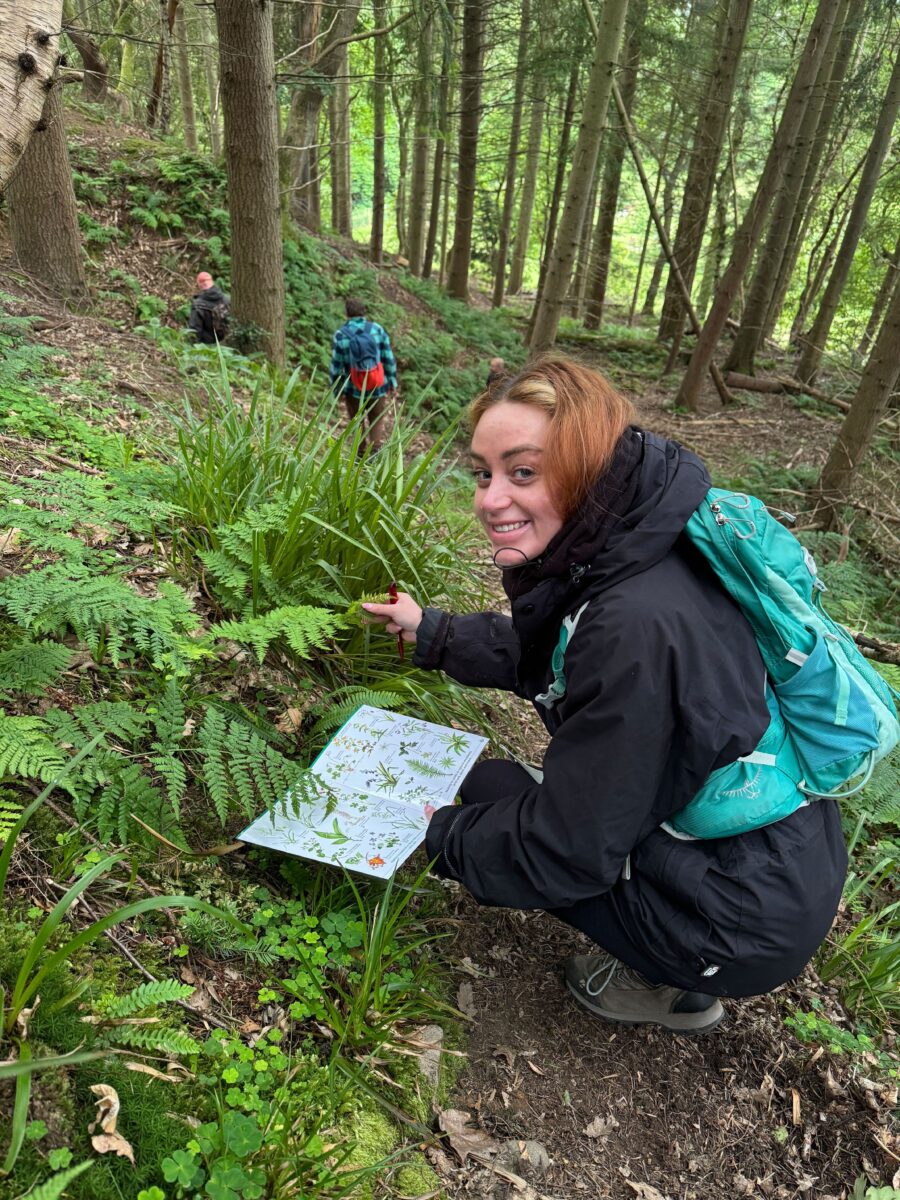
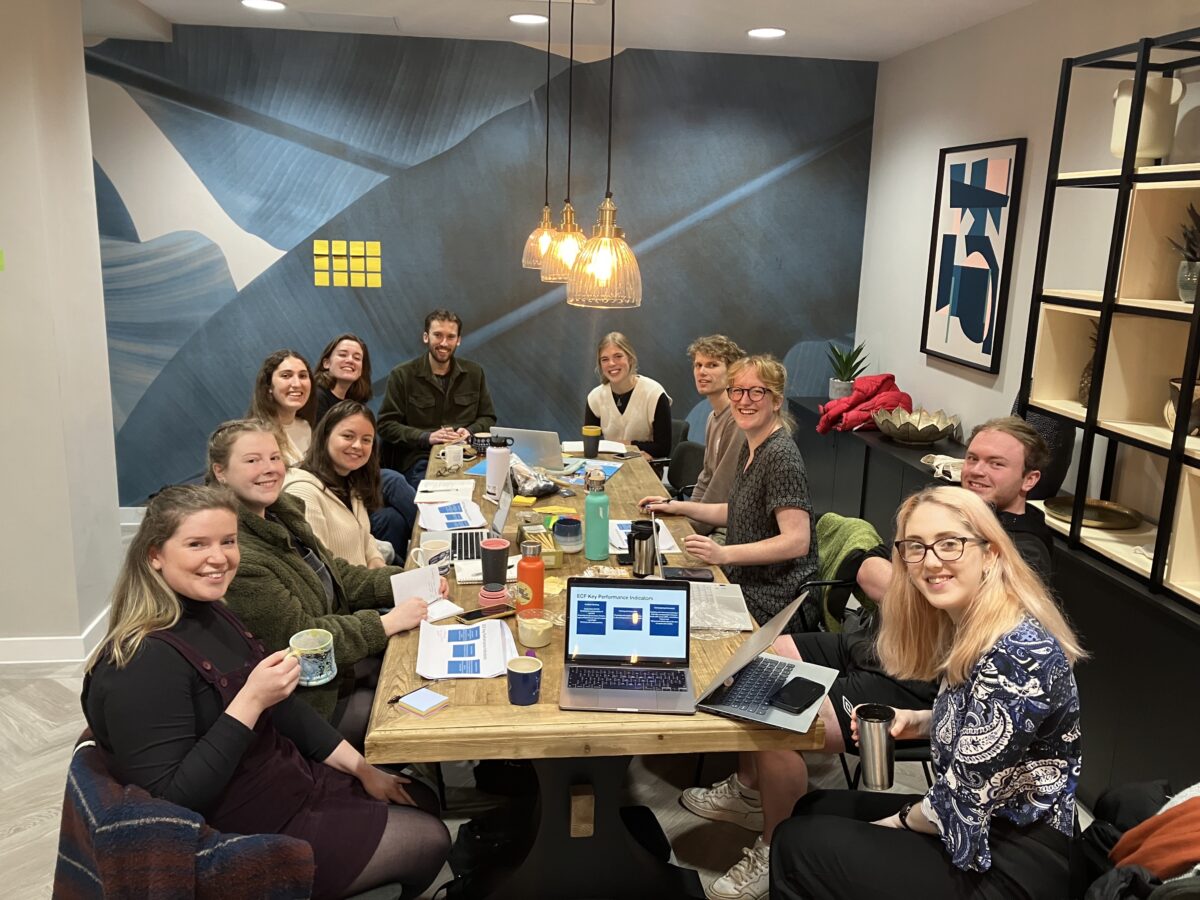
Hey, I’m Katie, I’m a wildlife storyteller and I’m obsessed with animals! I’m part of the UKY4N Webinar team. In my spare time, I love hiking, travelling and skateboarding. I’m also a freelance filmmaker and photographer :camera_with_flash: 

Why are you so passionate about engaging young people with nature and the environment?

    I believe engaging with young people is key to solving the climate and nature crisis as 70% of young people have climate anxiety, yet 86% believe being outdoors and among nature has a positive effect on their mental wellbeing. We are our future stewards, leaders and stakeholders. We make up a huge percentage of our population and we need to be engaged and share our passion. Plus, younger people are so much fun!! Being around young people, especially children, brings out my inner child and playful side. I’m very lucky that both my current jobs include youth engagement. 

    Tell us three reasons why we should care about ancient woodlands

    They are the UK’s most complex ecosystem, supporting many rare species and communities such as primrose, hazel dormice and specialist lichens. They are our natural heritage and history, housing our ancestors and providing their timber. They have always been woodlands and they have a right to remain so.

    With only 2.5% land coverage and a lack of legal protection, we are at risk of completely losing these magical woodlands for good. If policy doesn’t change, ancient woodlands will degrade and be destroyed until nothing is left.

    What is your favourite tree and why?

    This changes all the time for me! One of my favourites is a very specific ancient hawthorn tree in my local woodlands. I love it as it was the first ancient tree I photographed and I also notice memorial flowers are left there often, which makes me feel connected to the other people who visit and notice the tree too.

    Have you ever had an encounter with a famous person?

    I met 3 TV celebrities when I entered the Woodland Trust Igniting Innovation challenge -Megan McCubbin, Danny Clarke and Dwayne Fields. They were all really lovely and supportive during my project pitch and, as a filmmaker, I really appreciated their encouragement and it felt surreal to show them my film clips.

    Do you have a bucket list? Tell us two things that are on it

    Hell yeah! 2 things I am hoping to tick off next year are surfing in Cornwall and visiting the rainforests in Dartmoor (I’m a northern girl so haven’t been to either before).

    UK Youth for Nature is a group of like-minded nature lovers who are on a mission to improve the future for wildlife, nature and humans in the UK. If you want to be part of our community, you can find out more here.

    Volunteer spotlight: Jessica Humphreys

    UK Youth for Nature is a network of 16-35 year olds across the UK. Our organising team runs all of our campaigns and workshops and we wouldn’t be here without them. This month we’re celebrating one of our key volunteers, Jessica Humphreys. Thanks Jess for all you do for UKY4N!

    I’m Jessica , I’m 19 and based in North Wales. I’m an Animal Management student, meaning I study everything from animal behaviour to ecology and wildlife conservation! When I’m not studying or volunteering you can usually find me doing wildlife photography or Ballroom and Latin dancing.

    What’s your favourite plant or animal?

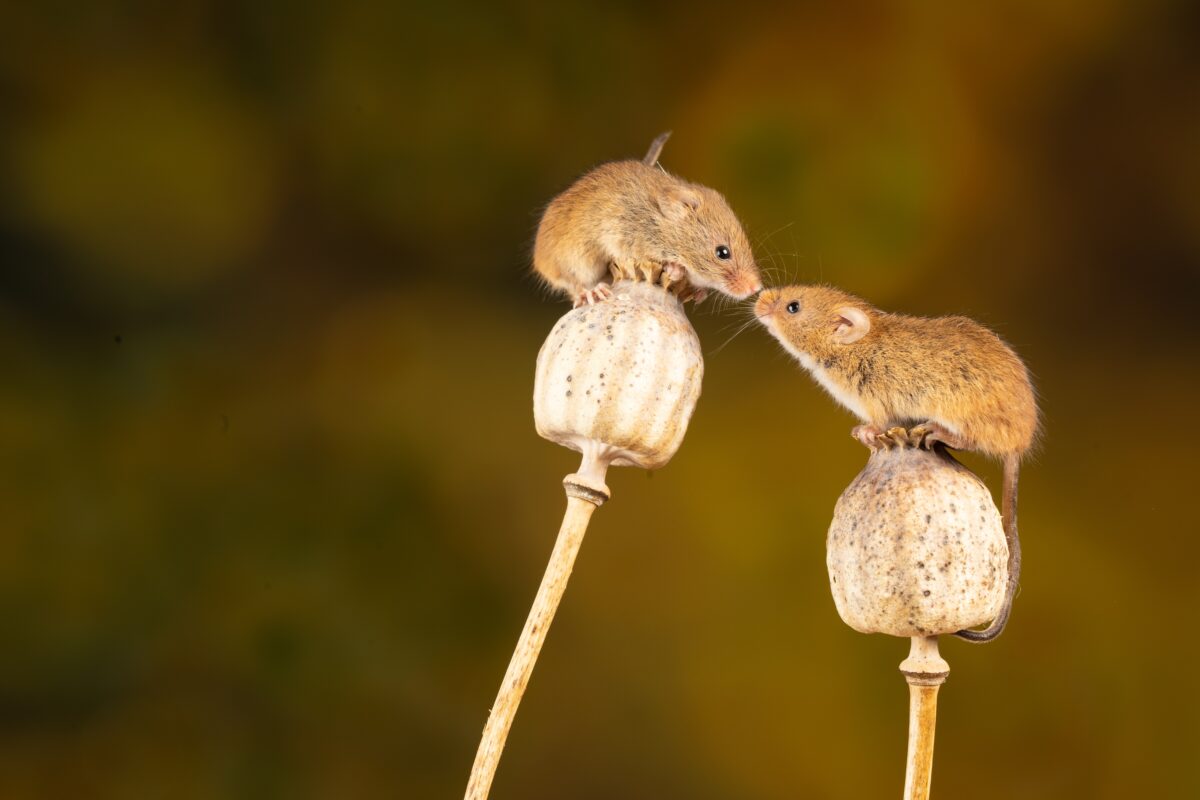
    It’s so hard to choose one favourite! I’ve always had a particular love for ornithology (anything bird related!), but since I can’t decide on just one bird, I think I’d have to say the Harvest Mouse, Europe’s smallest rodent and the only British mammal to have a prehensile tail!

    How did you hear about UKY4N?

    I followed UK Youth For Nature on their Instagram account, and through there saw their week of ‘Silent Spring at 60’ webinars advertised. I signed up for a few (which were all amazing!), and I’ve been here ever since!

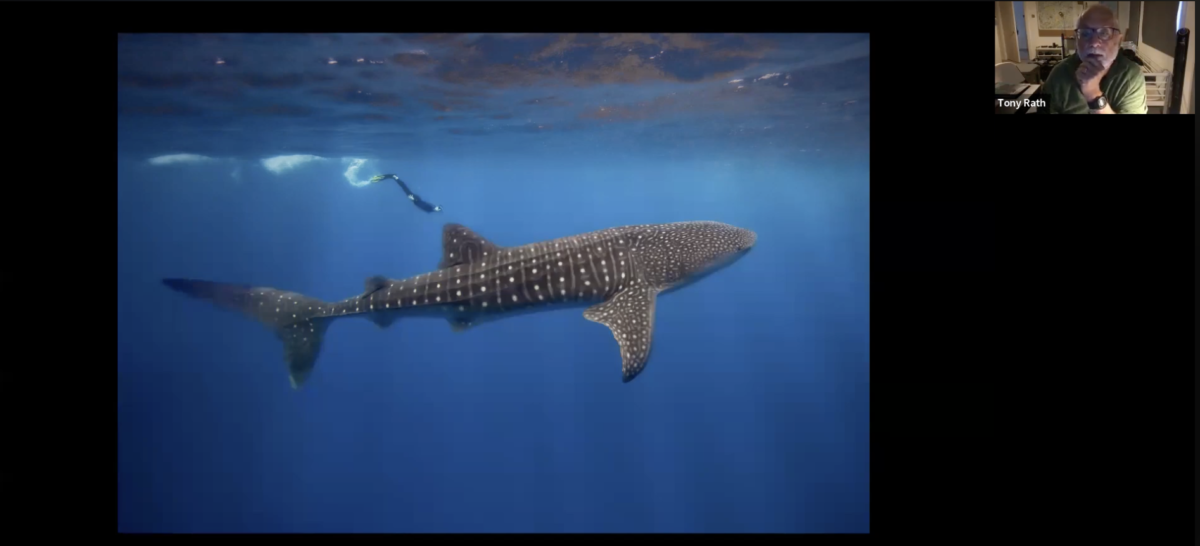
    Wildlife photography workshop
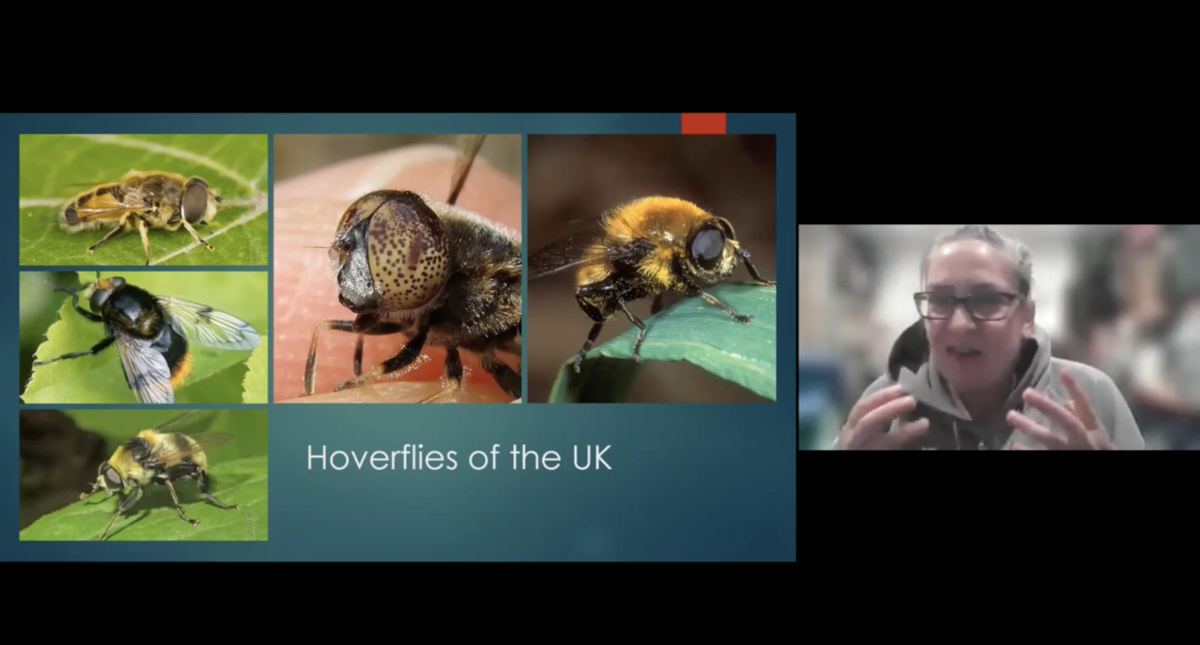
    The importance of insects
    Women in conservation

    What is the best bit about being part of UKY4N?

    For me there’s 2! Firstly, being involved with a variety of campaigns for subjects I’m passionate about and having a platform to advocate for change. Secondly, the amazing team at UK Youth For Nature! They really are the nicest bunch of people, and it’s lovely to be able to work with such a passionate and likeminded team!

    Why do you think youth voice is so important for nature protection and restoration?

    I think young people particularly have grown up hearing about the biodiversity and climate crises and, at least for me, this has instilled extra passion and drive for change, which is the first step in making a difference. I think young people can sometimes feel powerless in these situations, and by simply seeing organisations of young people, like UKY4N, advocating for change, it will encourage and empower others to do the same.

    Photo by Archie Mathison

    If you’re interested in joining UK Youth for Nature as a volunteer, check out our get involved page to learn more or drop us an email.

    A little Bird Told Me…#4 :

    Edition: Oceans by Joe Wilkins

    At time of writing, many people around the country are heading to the coast. 

    Why do we flock to the coast? Is it the open space? The cooling sea breeze? The sounds? I guess everybody has their own reasons for wanting to be beside the sea (we’d love to hear yours – @ukyouthfornature on social media!)

    When I started planning this blog, I thought I would know exactly the direction it was going to take. But as I started writing, I realised there were so many topics and issues I wanted to cover. Did I want to focus on my personal love of the sea? Marine biodiversity? Access to the coast and the ocean? The ocean is such an important part of my life that I wanted to be sure that this blog did it justice.

    So, I decided to use this blog as a chance to introduce a few different themes and areas of interest and serve a conversation starter for myself and you, the readers.

    The State of the Ocean

    “How inappropriate to call this planet Earth when it is quite clearly Ocean.”

    Arthur C. Clarke

    The ocean covers nearly three-quarters of our planet’s surface and was long thought to be too large for human activities to impact. But this is no longer the case (Pink, 2018). We are seeing large-scale changes in ocean chemistry, biology, and dynamics globally (Gattuso et al., 2015). With the threats of sea level rise, ocean warming, and acidification set to impact many countries worldwide, governments worldwide must begin looking to humanities future relationship with the ocean (IUCN, 2017). This will involve creating and implementing policy and management strategies that, firstly, reduce the impact of human activities on the sea and, secondly, reduce the effects of ocean change on coastal socio-ecological systems, particularly those increasingly vulnerable to said change. 

    But what is actually being done? In a word: nothing.

    It’s been nearly two months since World Ocean Day (June 8th), when businesses and world leaders were making big promises to protect the ocean. But shockingly, they haven’t followed through on any of these commitments.

    Let’s do a roundup of the last month in ocean conservation:

    • The High Seas/BBNJ Treaty signing has been delayed.
    • The United Nations Convention on Biological Diversity COP15 has been delayed to 2022.
    • The Gulf of Mexico was on FIRE from a ruptured pipeline.
    • The UK Government is likely to approve the drilling of massive oil field in the North Sea. Seriously? We need to #stopcambo
    • The MV X-Press Pearl Disaster has caused unknown damage to marine ecosystems in Sri Lanka.
    • Seas continue to warm.
    • It’s looking likely that Deep Sea Mining will be entering the exploitation phase in the near future. We still know so little about the deep sea and the impacts of DSM but in my opinion, it’s a disaster waiting to happen. 
    What needs to be done?

    This is question could be answered in a variety of different ways, depending on your area of interest. Here’s some things that spring to my mind straight away, beyond the simple “we need to protect our seas” statement often heard.

    Building a love for the sea

    Education is an extremely valuable tool in the fight against ocean destruction. Ocean science and conservation can be an incredibly gate-kept sector, even in comparison to other environmental studies and activism. The ocean itself can seem very distant for many people, with them feeling extremely far removed from the ocean.

    Governments need to invest in nature- and ocean-based education, with funding for hands-on experiences for children and young people. Speaking from personal experience, these are extremely important to building a love and appreciation of our natural world and in this case the ocean. This is especially true for those in marginalised communities, who may not have the opportunity to otherwise.

    “People protect what they love.”

    Jacques-Yves Cousteau, Renowned Oceanographer

    Allowing people to act on this love

    Governments need to be put in place mechanisms that enable people to act upon their values. This is an issue that extends beyond the individual. Mainly this should be targeted at large businesses and corporations who have the audacity to charge extra for ‘sustainable’ options. Create a system where it doesn’t cost extra to be environmentally friendly. We need to hold companies to account and, as our representatives, governments should be acting in our best interests, not those of FTSE100 companies

    Realising that technology forms only a part of the solution

    This is a recurring problem globally. Many governments, particularly those who prioritise economic growth and business, look for technological development and solutions to allow business to continue to grow, often at the expense of communities and the environment. This solution is further pushed by businesspeople and industrialists globally. The most recent example was billionaire founder of Microsoft, Bill Gates, suggesting that the spraying of chalk dust into the atmosphere could be the solution to climate change (Ramirez, 2021). Another ocean-based example is the pre-eminence of the plastic pollution problem among those facing the oceans and technological ‘clean-up’ solutions (Stanton, Johnson & Kay, 2020). A recent study by Hohn et al. (2020) found that clean-up technology alone will not tackle the issue of plastic pollution, but that behavioural change in our consumption and production patterns are required. Yet, this receives less prominence than ‘tech’ solutions and start-ups.

    Many scholars in risk and resilience theory question the ability of technology to solve a problem caused by technology itself. Technology will play a role but there is a greater need for behavioural and systemic change rather than focusing solely on technological solutions. 

    So, in short, world leaders and policymakers have a long way to go on our journey towards protecting the world’s ocean.

    A personal note…

    As you may have gathered, I’m extremely passionate about protecting marine environments.
    The ocean is possibly the most important component of Earth’s life support system, impacting every inhabitant of this planet, even those thousands of miles from the nearest coast.

    But on a personal level, I’m happiest when in the sea and that is a big reason I want to see our seas healthy and thriving. The world beneath the waves has always called me (Moana who?)! So, my desire for ocean protection may not be completely altruistic (don’t @ me).

    References

    Gattuso, J., Magnan, A., Billé, R., Cheung, W. W. L., Howes, E. L., Joos, F., Allemand, D., Bopp, L., Cooley, S. R., Eakin, C. M., Hoegh-Guldberg, O., Kelly, R. P., Pörtner, H. o., Rogers, A. D., Baxter, J. M., Laffoley, D., Osborn, D., Rankovic, A., Rochette, J., Sumaila, U. R., Treyer, S. & Turley, C. (2015) Contrasting Futures for Ocean and Society from Different Anthropogenic CO 2 Emissions Scenarios. Science (American Association for the Advancement of Science). 349 (6243), aac4722. Available from: https://hal.sorbonne-universite.fr/hal-01176217. Available from: doi: 10.1126/science.aac4722.

    Pink, J. (2018) 5 ways that climate change affects the ocean. The Conversation.

    Stanton, T., Johnson, M. & Kay, P. (2020) The war against plastic is distracting us from pollution that cannot be seen. The Conversation. Available from: https://theconversation.com/the-war-against-plastic-is-distracting-us-from-pollution-that-cannot-be-seen-147161 [Accessed 29/04/2021].

    Common Bottlenose Dolphin – Natural Kingdom: Wild Walls

    (Also known as Tursiops truncatus)

    By Claudia Villacian Casado

    Natural Kingdom: Wild Walls are a series of wildlife and nature murals in cities and towns across the UK. These murals represent our collective concern about the loss of wildlife and climate change in the UK, and internationally. Working with communities, young people, partners, and artists up and down the country we will be highlighting the importance of nature, especially for fighting climate change. The murals will be created between now and the end of September and will be accompanied by lots of political and community activity in the run up to COP26 .

    Find me here: SY23 2EX

    If you’re lucky enough to be looking out to beautiful Cardigan Bay from Aberystwyth on a peaceful morning, you might just be able to catch a glimpse of a sleek, dark grey, curved dorsal fin. Or hear a faint clicking sound as you see a streamlined body surfing the waves – what could it be? You’re in the presence of a playful and sociable bottlenose dolphin! 

    Photo by NOAA on Unsplash

    Found throughout the world and the UK but frequenting Aberystwyth through Cardigan Bay, common bottlenose dolphins help keep our oceans healthy – which is crucial to having a healthy planet. They do this by eating animals like fish and squid, maintaining the balance in the food chain. Due to anthropogenic factors, the beautiful bottlenose dolphin faces several threats. As a trusting and playful animal, bottlenose dolphins often get caught in fishing gear and our continual exploitation of our waters means commercial fishing for other species is a threat to bottlenose dolphins. While seeing a bottlenose dolphin from a boat might be a wonderful experience for humans, boat traffic and water pollution can disrupt these creatures’ natural habitat and affect their sense of orientation. Unfortunately, our impact on the planet means the bottlenose dolphin has to be on high alert. 

    Photo by Andrew Jephson on Unsplash

    So why should we care and what makes these dolphins so special? The bottlenose dolphins found in British waters are the biggest of their kind and from Aberystwyth looking out to Cardigan Bay is one of the best places to see them! Their size helps them cope and thrive in the cold temperature of the waters – they can live up to 50 years! Common bottlenose dolphins are social animals and love to live in groups – you call these groups pods. Another characteristic of these creatures are the different types of vocalisations they use to keep in contact. Just within the population found in Cardigan Bay, we can hear a variation in the type of whistles used to communicate. As well as whistling, bottlenose dolphins make clicking sounds so they can use echolocation to find prey or scope out their surroundings. These animals have extremely complex language systems – what do you think they’d say if we could understand? 

    And how can you spot a bottlenose dolphin? The name might give you a hint – these dolphins have a short and bottle-shaped beak as well as light/dark grey bodies with a lighter underbelly. Around 60% of the dolphin population in Cardigan Bay has a distinct mark on their fin, making it easier to recognize them! Otherwise look out for these animals taking part in some activities. Bottlenose dolphins love to have fun – they’ve been known to surf on waves, jump out of the water and slap their tails! They’re also speedy swimmers – being able to reach speeds of 18 miles an hour. 

    Photo by Bertrand Borie on Unsplash

    After a long day of exerting so much effort, the bottlenose dolphin rests by alternating which side of their body sleeps – a type of sleep called unihemispheric sleep. A true testament to how magnificent these creatures are, they only rest one side of the body at a time so they can maintain consciousness on the other side to carry out activities like breathing or swimming very steadily. Tomorrow their day of play, hunting and communication starts again!

    How are we helping, and how you can too:

    Common bottlenose dolphins are at risk in our changing climate and through our exploitation of the ocean. To help, you can: 

    • Visit the mural, take a picture, draw it, post it online and celebrate its beauty! 
    • Get in touch with your local MP or councillor, write them a letter, and tell them why protecting and restoring nature is so important! We can help you get started here 
    • Support organisations like Cardigan Bay Special Area of Conservation and The Wildlife Trusts – get in touch with them, tell them about the mural, why you care, and let’s fight together! 
    • Learn more about our friend the Common Bottlenose Dolphin here and here. 
    • Paint/Draw/Write about your own experiences with the species and @ukyouth4nature on socials

    Northern Dune Tiger Beetles – Natural Kingdom: Wild Walls

    By Monica Kaur Bhatia and Bred Beckett

    Natural Kingdom: Wild Walls are a series of wildlife and nature murals in cities and towns across the UK. These murals represent our collective concern about the loss of wildlife and climate change in the UK, and internationally. Working with communities, young people, partners, and artists up and down the country we will be highlighting the importance of nature, especially for fighting climate change. The murals will be created between now and the end of September and will be accompanied by lots of political and community activity in the run up to COP26 . 

    Find me here: Grafton Street, Toxteth, Liverpool L8 5XJ

    A little introduction 

    Small and subtle, the northern dune tiger beetle is a hidden gem when it comes to the UK’s ecological build up. These invertebrates are full of surprises and go about their lives in such an exciting way, so I thought what better way to get to know these little legends than by spending a day with these incredible tiger beetles! 

    Some background

    For a little bit of background, northern dune tiger beetles definitely hold some cool titles on the UK wildlife scene; they are actually quite rare found in only a few places across the west coast, and exert so many beautiful intricacies, whether it’s their bright red wings, or their hidden iridescent green underside – do you see what I mean about them quite literally being hidden beauties? Along with these physical features, the beetles hold some serious skills for an insect only 2cm in length – they are thought to be one of the fastest beetles in the whole world, rocketing at speeds of 2.5 metres/second!

    To put these nifty skills such as super-speed to good use however, it is fundamental that these insects are given the habitat they need to thrive – they are fussy little things, and so the temperature, along with hiding places, egg laying spots, and hunting areas of these habitats need to be just right! So, where on earth will we get all of the right conditions for these insects? The answer is sand dunes! Sand dunes aren’t just your average sandy beaches either. They have been intricately shaped by natural wonders such as the wind and water to form specific mounded shapes, and without these dunes perfectly managing the conditions for these beetles to go about their daily life, they simply wouldn’t be able to thrive in abundance.

    Photo by Chantal on Unsplash

    Now that we know a little more about these beetles and where they live, let us get right into how they utilise these superb skills and habitats in their daily life.

    Morning time!

    The day starts on the barely vegetated, sparse sand dunes of Sefton, Merseyside and Cumbria in the north west of England. For such speedy sprinters, the first call to action for these insects is surprisingly relaxing – they sunbathe! That’s right, they get to start out the day how every human wishes they could; laying on rocks, grass and the ground, basking in the sun rays. Why do they do this? Just to simply get warm – I think we all know that given how chilly it gets each night up north that these little creatures need to warm up before leaping into their active day.

    Photo by p j on Unsplash

    Where do they hang out for the rest of the day?

    While they like to have a stretch in the sun in the mornings, they can’t laze about all day – this is the fastest beetle in the world we’re talking about, and they have so much to do! These tiger beetles spend a lot of time in their larval form before metamorphosing into adults. In this stage, they nuzzle in sand burrows – these are just holes within the sand – and while sitting down for most of their lives doesn’t make it seem like these beetles are very busy, this is the stage where they must always be on the lookout, as things are about to get interesting. 

    Photo by Anthony Choren on Unsplash

    Time to eat!

    The way in which nutrients are obtained to sustain an active lifestyle – in the same way as humans – is through diet. Northern dune tiger beetles love to dig into a range of treats, and due to its immense hunting skills, it has its pick of the bunch; they like to eat anything from ants and spiders to moths and flies. So how does this link to the larval position we spoke about; these beetles will sit in their holes, keeping a close eye on what’s happening at the surface of the sand, pouncing on these prey as they move past the burrow. In regards to the moths and flies, the beetle is adept in flight too, and fast at that!

    Photo by kazuend on Unsplash

    They must be exhausted!

    After this long day of hunting, sprinting, and flying, it is safe to say that these beetles need a good night’s sleep in order to do this all again in the morning. Using these same burrows, they dig into them even deeper in the night – up to 20cm, and rest here until the sun rises. These nifty holes are also where any eggs are laid and shielded in the winter time until they are ready to crop up in summer.

    Photo by Basil Samuel Lade on Unsplash

    This routine is unfortunately at risk

    Do you remember how before we got stuck into the day, we discussed how sand dunes must be surplus and well maintained in order to sustain the exciting lifestyle of the northern dune tiger beetle? This, sadly, isn’t the case right now. While invasive species such as Rosa rugosa (a non-native species of rose originated in Eastern Asia, introduced to the UK as an ornamental species) are being maintained to limit the rate of which the land reclaims the sand dunes, human activities such as the creation of seaside attractions, holiday paths and homes, along with the natural process of dune degradation (through erosion and transport as a result of high velocity wind) means that this already rare species is at even greater risk due to displacement. 

    Photo by Brina Blum on Unsplash

    How are we helping, and how you can too.

    Northern Dune Tiger Beetles and Sand Dunes are at risk in our changing climate and through changes in land use. To help, you can: 

    • Visit the mural, take a picture, draw it, post it online and celebrate its beauty! 
    • Get in touch with your local MP or councillor, write them a letter, and tell them why protecting and restoring nature is so important! We can help you get started here 
    • Support organisations like Buglife and Dynamic Dunescapes – get in touch with them, tell them about the mural, why you care, and let’s fight together! 
    • Learn more about our friend the Northern Dune Tiger Beetle here.
    • Paint/Draw/Write about your own experiences with the species and @ukyouth4nature on socials

    A little bird told me… #3

    Edition: Hedge of Glory

    By Glesni & Alanna

    Farming is a way of cultivating a relationship with the more-than-human world. It connects us to our own web of life and joins up the dots on how our harvesting and cultivation impacts those around us – for better or for worse. When done with respect to other natural systems we can create more biodiversity, better health and even redirect floods/alleviate drought and capture carbon. 

    Commercial large scale farms that run on fossil fuels, mono-crops and subsidies are failing us. When farms consist of large fields of one crop, and one crop only, these require huge amounts of artificial fertilizers and additives that are systematically conforming to processes of machinery. This conformity not only results in quick run-off of nutrients from the fields into the nearest waterways, but also means that any ‘product’ unconforming to shape or size gets rejected from ever leaving the farm – thus creating wasted food.

    Out of the over 300,000 edible plant species out there, only 200 of these on average are eaten by the majority of people, even less so in commercially monopolised countries like the UK. If the way we farmed reflected these other species, we could create farms that reflect the landscape and dance with their own niches.

    More often than not, we associate our behaviour as an ethical consumer with the impact our spending habits have on the environment and on the treatment of the workers. Whilst these are incredibly important factors to consider, there are additional questions we should be asking ourselves that feed into these. How does how we shop affect ourselves and our community?

    During the pandemic, more people have been shopping locally and supporting small businesses, which has been linked to an increased feeling of community spirit. This has given people the opportunity to connect with where their food comes from, build relationships with people in their community and has given both the consumer and the business owner a chance to help each other during a time of uncertainty. 

    A practice that applies similar values, includes a method of food production called Community-supported agriculture (CSA). CSA enables people in the community to form a direct partnership with the farmers. This includes sharing the responsibility and rewards of farming and enabling them to take control of their food supply. There is no one strict method or definition for CSA. Examples can include local people investing in a farm, whereby they receive a share of the produce whilst the food production is still farmer-led. There are also other groups where local people lead the farm, by sourcing a piece of land and using it to produce their own food – recruiting other members of the community to help. 

    CSA schemes have been found to provide a variety of benefits to individuals, the community, the local economy and the environment. 

    It has changed people’s eating habits, often leading to eating healthier and organic food, supporting better overall health and happiness. Eating seasonal fruit and vegetables has provided people with the opportunity to experiment with the different food that is available that particular season and become more connected with nature and the process of growing food. Eating seasonal local foods also means there is very little transport or plastic involved, reducing an individual’s carbon footprint. 

    Concerns that we might have when buying from larger supermarkets, including excess plastic packaging and limited transparency in the food trade and production, are reduced when buying food from CSA schemes. Consumers are able to be proactive in how their food is produced, are able to get involved as much or as little as they wish to. 

    People have gained new skills, connected with others in their community and according to research from the Soil Association, CSA has also improved local employment. In comparison to UK agriculture as a whole, CSA has shown higher levels of employment relative to the land available. 

    If you’re looking for hands-on experience and an element of adventure, have a look at Worldwide Opportunities on Organic Farms (WWOOF). WWOOFing involves learning about sustainable and argo-ecological farming whilst working and living with a host family. During your time as a WWOOFer, you are not paid by being given money. Instead, the host family pay you by providing you accommodation and food for the time that you spend on their farm. 

    Alternative farming is a great example of how food production can work in harmony with nature and the community. We hope you find a way to get involved!


    To read the full Newsletter – Click the link below

    How Birds Use Our Waters – Part 3: The High Seas

    By Will Bevan

    This past month at UK Youth for Nature we have been celebrating our oceans and the incredible diversity of life which depends on them, including us. I have focused on birds as often overlooked inhabitants of the marine environment, heavily dependent on it as we are for food, the air we breathe, and the regulation of our climate. This time we complete our journey, finally arriving in the ‘High Seas’, the parts of our ocean beyond national jurisdiction which cover a staggering 50% of our planet’s surface area! Along the way we have discovered how a great wealth of bird species rely upon the UK’s coastlines and territorial waters all year round, including our overseas territories, and we have talked about how our country has a huge responsibility to protect globally important bird populations.

    However, most of these birds are not just tied to one country but are international in their lifestyles. For example, almost the entire world population of Manx shearwaters (Puffinus puffinus) breed in the UK, but they only spend part of the year on our shores. From July to March they migrate and winter in the South Atlantic, mainly off the coasts of Brazil and Argentina. Even during the breeding season they can feed many hundreds of kilometres away if conditions are right, way beyond the national jurisdiction of any country. Whilst we can try to protect birds at their breeding grounds or within territorial waters, in order to ensure a stable future for all bird species this needs to happen in all of the areas which are important for them, including the High Seas.

    What exactly are the ‘High Seas’?

    The High Seas exist beyond national borders and are a global commons to be used collectively by all nations, although these international waters have been historically hard to govern. The United Nations Law of the Sea Convention (UNCLOS) tries to regulate specific activities within the High Seas, such as deep-sea mining and overexploitation of fish stocks, but only 1.2% is formally protected. Human rights abuses and illegal activity are rife, and where there is regulation or oversight it is in relation to resource extraction rather than ocean protection. Whilst there is no clear legal framework for the management and development of Marine Protected Areas (MPAs) in the High Seas, what is clear is that these vast and deep waters support an incredible amount of biodiversity, much of which we know hardly anything about!

    Birds without borders

    At one time the movements of birds throughout the oceans were a complete mystery, with anecdotal evidence of individuals seen by ships or washed ashore providing only small clues as to their movements. The development of ringing schemes began to enlighten us, with birds caught and given unique metal bands which allowed us to identify individuals if they were ever recaptured. It is the staggering pace of development in tracking technology within recent years however which has now given us unparalleled insights into their exact movements at sea, although we have still only scratched the surface.

    For example, we now know that Manx shearwaters have a hugely complex migration pattern with many stopovers, travelling south from the UK along the coastlines of western Europe and Africa, eventually crossing over to South America, where they spend the winter in the highly productive waters (see Part 2) off the Patagonian Shelf. After wintering here they then head North, following the coast up to North America before crossing over the Atlantic and back to the UK for the breeding season. Though there is some variation to this route, a Manx shearwater which lived to 50 years old could have travelled around 8 million kilometres in its lifetime, which is roughly ten trips to the moon and back! Another astounding migration is made by one of our rarest breeding birds, the red-necked phalarope (Phalaropus lobatus), with only a handful of breeding pairs in Shetland and the Western Isles. In 2012 geolocators revealed that one male bird had left Shetland in August and crossed the Atlantic Ocean to Canada, from where it moved down to Florida, crossed the Gulf of Mexico into the Pacific Ocean, and spent winter between the Galapagos Islands and South America until April, when it returned by the same route.

    In a comprehensive recent study, an international team of researchers found that some of the more extensively seafaring species, the albatrosses and large petrels, spend almost 40% of their lives in the High Seas – birds such as the Tristan albatross (Diomedea dabbenena), 99% of which breed on Gough Island, a British overseas territory. Though tied to the colony around the central South Atlantic during the breeding season, non-breeders move extensively throughout the southern oceans, using areas off of South America and South Africa, searching for locations with high ocean productivity where food is abundant. Incredibly, increasing evidence suggests that these birds – which belong to the ‘procellariformes’ or ‘tubenoses’ – may be able to smell their way across the oceans, using odours to pinpoint foraging locations and find their colonies.

    The importance of a High Seas Treaty

    Unfortunately for birds living extensively in the High Seas, this is a large proportion of their lives where they are even more vulnerable to threats such as being caught in fishing gear or losing food resources to overfishing, threats that are easier to deal with in territorial waters. Many of these species are therefore some of the most threatened, and whilst bilateral agreements exist between certain countries to protect birds which occur in their territorial waters, such as between Japan and Australia, the High Seas are the most important at-sea area overall for albatrosses and large petrels. Species breeding in the UK and its overseas territories have some of the strongest links to the High Seas, as well as to countries such as Brazil and Argentina. What is clear is that coordinated cooperation between the UK and other nations to protect birds both within territorial and international waters is the best chance we have of halting and even reversing the path to extinction.

    In August of this year, the UN General Assembly will meet for the Intergovernmental Conference on Marine Biodiversity of Areas Beyond National Jurisdiction (BBNJ) to work on a treaty which will decide on the “…conservation and sustainable use of marine biological diversity of areas beyond national jurisdiction…”. This is a once in a generation chance to modernise governance of the High Seas with a strong treaty which can help to reach the target of 30% protection of the oceans by 2030. Proper protection of important marine areas for birds can help to regulate or even exclude fisheries with damaging practices which are one of the main reasons for the declines in albatrosses and large petrels. This, coupled with other measures such as the eradication of invasive predators decimating breeding colonies will allow populations to become much more resilient in the face of climate change, the effects of which we are already beginning to feel. Whilst it is too much to go into here, there are a lot of great resources explaining the High Seas Treaty and the desired outcomes by the High Seas Alliance and Greenpeace, for example.

    We have come to the end of our journey for UK Youth for Nature’s oceans campaign, and I hope that I have managed to convey just how connected the fate of the birds which call our shores home are to the health and protection of the entire ocean, not just our own waters. Protecting the incredible abundance and variety of these species depends upon dealing with threats both where they breed and spend their time at sea, and I hope that future generations will be able to marvel at their incredible lifestyles as I do, as I hope now you will too.

    How Birds Use Our Waters – Part 2: UK Territorial Waters

    By Will Bevan

    In my last blog post for UK Youth for Nature’s oceans campaign, I looked at how our coasts are crucial in supporting a huge diversity of bird species all year round. This time I’ll be travelling further out into our territorial waters, to see how the fate of the seabirds which call our shores home are inextricably tied to the health of our oceans.

    What do we mean by territorial waters?

    The term ‘territorial waters’ is often used as a broad term to encompass the seas which are under the jurisdiction of a government. This includes the territorial sea, which extends 12 nautical miles from the coastline, and the Exclusive Economic Zone, which extends a further 200 nautical miles out – unless there is another country within these limits. In the UK’s territorial waters, the government has control over all economic activity including fishing, mining, and energy production. It also has a responsibility to protect the incredibly diverse wildlife which calls these waters home, to make sure that we are surrounded by thriving, healthy seas.

    It might surprise you to find out that the UK has the fifth largest Exclusive Economic Zone in the world, as it is responsible for the waters surrounding its overseas territories as well. This includes such far flung places as South Georgia and the South Sandwich Islands, Saint Helena, Gough Island, Tristan de Cunha, and the Pitcairn Islands. These overseas territories hugely increase the UK’s influence over the oceans, as well as the wildlife it is responsible for – a responsibility which is shared with the local governments of these territories. This also vastly increases the number of seabird species which occur in waters under UK jurisdiction, giving us an even greater role on the world stage in protecting them. For example, these territories are home to a quarter of the world’s penguins and a third of the world’s breeding albatrosses!

    Why are our territorial waters important for seabirds?

    Most seabirds are hugely dependent on the ocean as a source of food and are drawn to ‘hotspots’ of high productivity where prey is more abundant. These ‘hotspots’ are especially important during the breeding season, as seabirds need to have plenty of nutritious food within close range of their colonies so that they can provide enough for their hungry, growing chicks. The distances and locations they travel to find food will vary depending on the species, and even between individual birds, but seabirds must be able to balance feeding their chicks with their own energy needs. If they cannot, the adults must prioritise their own survival over that of their chicks, opting to try again the next year. Therefore seabirds thrive and successfully raise chicks in colonies where they can access abundant, reliable sources of food that they can travel to without exhausting themselves completely. The seas around the UK are highly productive, and this combined with the wide range of suitable habitats along our coastlines support the huge numbers and diversity of seabirds which live here. This is also true for UK overseas territories, with places like Gough Island supporting large colonies of breeding seabirds, including endangered sooty albatrosses, Atlantic yellow-nosed albatrosses, and the critically endangered Tristan albatross.

    The availability of prey can be influenced by numerous factors which often interact in complex ways, such as ocean temperature, ocean currents, the topography of the seabed, and the time of year. Seabirds must time their breeding efforts for when conditions are just right and there will be plenty of food to raise their young. This means that their populations are highly sensitive to any changes in the marine environment that might affect how much prey there is, where it will be, and when it is around.

    Our territorial waters are not just important during the breeding season, with some seabirds staying through the winter months whilst others disperse out into the open ocean or migrate to other shores. The birds that stay need to be able to find food to sustain them through the cold winter months, and whilst they are not tied to feeding their chicks at the colonies, stormy weather can rapidly deplete energy supplies and affect their ability to feed, with exhausted birds dying from hunger and exposure. These seabird ‘wrecks’ can be particularly bad in some years, such as in 2014, when thousands of dead birds washed up on our shores. Bad weather in winter can also have knock on effects in the breeding season, with storms in late winter and early spring influencing the ability of seabirds to get in prime condition for courtship and the demands of raising young.

    Threats in our waters

    What is clear is that seabirds require healthy, biodiverse, and productive oceans in order to give them the best chance of breeding and surviving all year round, and we therefore have a responsibility to ensure that this is the case where we have jurisdiction. However, some of our internationally important populations of seabirds, such as northern fulmars, European shags, Arctic skuas, and black-legged kittiwakes are declining alarmingly.For other species the picture is mixed, with Atlantic puffins doing poorly in places like Shetland and the Isle of May in the Northeast but faring better at Skomer and Skokholm Islands in Wales. Whilst the causes are often unclear as to exactly why these trends are occurring, with complex interactions between multiple stressors, we can identify some key factors in these declines:

    Climate change

    Warming oceans are affecting the availability of some prey species, such as sandeels, which are heavily relied on by birds like puffins and kittiwakes during the breeding season as a source of plentiful, nutritious food. Climate change is also increasing the incidence of severe storms, resulting in more seabird ‘wrecks’. The European shag is suffering this fate, being a coastal species which does not venture far from its colonies and having plumage which is not as waterproof as other seabirds it finds it difficult to escape bad weather and is therefore more susceptible to death by exposure. Climate change is going to be difficult to deal with, but the best way to ensure resilience against it is to deal effectively with other threats, such as overfishing, which are easier to deal with.

    Overfishing

    Commercial fisheries, especially those which target specific species, can be devastating for seabird populations which rely on these species. For example, in Scotland, commercial sandeel fisheries were found to be creating food shortages for kittiwakes by depriving them of this crucial resource during the breeding season. In this case, a seasonal ban was introduced on fishing during this time, demonstrating that we can act accordingly when we understand the causes of declines, although food shortages are still an issue as a result of climate change. Overfishing is also thought to have contributed to the decline of naturally nesting populations of Herring gulls, combined with changes in fisheries practices such as a reduction in discards, and this species has started to find more reliable food sources in our towns and cities. Over exploitation of fisheries is also happening in overseas territories, with populations of sooty terns on Ascension Island plummeting as a result.

    We can deal with overfishing and other damaging economic activities by introducing bans and limits at certain times or year or by creating Marine Protected Areas (MPA’s). However, whilst nearly a quarter of the territorial waters around the UK are designated MPA’s, this is often in name only, with harmful activities such as fishing, bottom trawling and dredging still allowed. We therefore need immediate strengthening of these protections.

    Fisheries bycatch

    Like many other marine animals, such as dolphins, sharks, and turtles, seabirds can end up being killed unintentionally by fishing vessels. Birds such as albatrosses are particularly vulnerable, getting caught on the baited hooks of longline fishing vessels and being dragged underwater, for example. Whilst progress is being made in reducing bycatch by developing new technologies, increased monitoring, and education, dealing with this problem requires international cooperation as these species often roam large distances through the territorial waters of multiple nations.

    Invasive species

    Though not strictly a marine problem, invasive alien species such as mice, rats, and cats are a massive problem for seabirds, with chicks and incubating birds often helpless against predation, and they can decimate populations on some islands. Removal of invasive species will be one of the most effective ways to prevent seabird declines across many colonies, with restoration projects such as the one currently being undertaken on Gough Island hopefully improving their prospects. On Lundy Island in the Bristol Channel, rats were eradicated in 2006, and since then the seabird population has more than trebled, proving the effectiveness of dealing with this threat.

    Pollution

    Oil pollution can ruin the waterproofing of seabirds feathers, affecting feeding and thermoregulation and eventually resulting in death by exposure. Plastic pollution is a growing menace, within many species consuming large amounts of plastic and feeding it to their chicks. To them, as well as looking like food, plastic can also even smell like food, picking up a compound called dimethyl sulphide which is usually given off by some microorganisms when they break down, such as when they are being eaten. The seabirds can use this smell to detect prey which are eating the microorganisms, an amazing instinct which is unfortunately resulting in many deaths when birds eat the wrong things. Whilst plastic pollution is not a major cause of population declines at the moment, more and more plastic enters the oceans every day and production keeps increasing, and so it is vital to curb this threat now.

    Next time, join me for the final part of this series, where I will be looking at the ‘High Seas’, the oceans beyond national jurisdiction which cover around 50% of the planet! Here there is often a crucial lack of protection for seabirds, with some species spending a large proportion of their time in these waters. The threats I touched on in this article are often much worse in the high seas, where there is usually no oversight, monitoring, or legal protection. I’ll be looking in depth at this overlooked part of our oceans and show that in order to halt drastic seabird declines, the UK needs to be a key player in the upcoming negotiations for a ‘High Seas Treaty’, which will ensure a legally binding commitment to conservation and sustainable development in areas beyond national jurisdiction.


    A little bird told me… #2

    Edition: Connect to Roaming

    Land. It’s all around us. But what comes to mind when you think of ‘land’? There is a tendency for our minds to wander to the familiar portrayal of it as large swathes of farmed fields that exist autonomously and seperate from the spaces we live in; far from towns and cities. But land is everywhere. Issues that include land include us. Everywhere we are allowed to relax, socialise,  work: – whilst not in the air or in the sea, of course, is land. Something we all bear our weight on each day, trusting the ground below us to support and cradle us, holding us close, preventing us from falling out into distant galaxies… 

    And land is around us for our whole lives. Everywhere we occupy, wherever we are. 

    Yet, our experiences of what type of land we each are able to access varies so vastly from person to person – from inner city parks where pigeons coo; to disused tennis courts full of dandelions and grasses sneaking up through the cracks; to vast wetlands and mountains adorned with flowering heather and the quiet buzz of bees… The type of land we can each access not only affects where we are, but also who we are and how we are. 

    It has been said countless times already that the type of spaces we have been able to reach during national lockdowns have been incredibly important for our health. But just how important is it?  Research by the University Of Surrey[1] found that some birdsong were able to offer relief from stress and mental fatigue, depending on the participants’ upbringing. Studies[2] have also shown a correlation between noise pollution and exacerbation of detrimental physical and mental health issues, as well as hindering the ability to have primary socialization and develop crucial early learning skills. Chronic exposure to noise keeps your stress receptors active for longer than is healthy- wearing down your immunity and making you more vulnerable to health problems. The effects that noise pollution has on communities and families further deepens the pre-existing disparity that exists in society. 

    Ensuring that we have better access to land would be a chance for us to better the health of those that we share the land with. Lepidopterist (butterfly collector!), Robert Micheal Pyle, once wrote “What is the extinction of a Condor to a child who doesn’t know a Wren?”. The strength of our connection to the life around us is reflective and shows up as reciprocal acts of care. When we understand the ecological systems around us we can find our place within them, and be a naturally equal asset to the biomes we inhabit, belonging here as much as any other species. We all have gifts that we can share. 

    In the UK we have a long history with land rights. I’d recommend Three Acres and a Cow (and Gafael Tir) for a full and fun way to absorb it all (via some catchy folk songs and poems). However, I’d like to talk about our recent history. Only 24 years ago the Right To Roam  legislation was made law, and due to actions such as the Kinder Scout Mass Trespass in 1938 were the first National Parks created only 70 years ago. Currently, the Right To Roam only covers areas that equals approx 8% of England’s land (in contrast to 100% of land in Scotland). However, these areas (such as The New Forest, Dartmoor and The Peak District) are often too far away to be part of people’s daily life. Currently, the Right To Roam campaign is working on ways to further our ability to access more of these vital spaces. Emerging work such as Who Owns England and Mapping The Lost Rainforests of England is really taking strides at mapping out the unseen and unspoken. So if you are able to, do enjoy the areas that we can access in the UK, either by footpaths, rights of way or the right to roam – and be sure to check out the countryside code guidelines.

    If we only conjure up images of big farms and far away forests when we think of land, we run the risk of removing ourselves from it – losing our innate connection with it and the knowledge of how to live in symbiosis. If we don’t take time to imagine the future, we will get what is already being planned – and there’s a lot of inspiration coming in our next newsletter…

    Additional links: 

    Slow Ways – https://beta.slowways.org 

    Groundwork ‘Out Of Bounds’ report: https://www.groundwork.org.uk/about-groundwork/reports/outofbounds/?fbclid=IwAR1znEn5LgRyEEg4jmP_-FZch_sqplP7iVKdjKU9ThGgFloEOBDRyq7ABHA

    The Lost Rainforests of England – https://lostrainforestsofengland.org/2021/03/16/mapping-the-lost-rainforests-of-england/

    Three Acres and a Cow – history of land rights – https://threeacresandacow.co.uk

    Countryside Code Infographics – https://www.nfuonline.com/news/latest-news/use-our-free-countryside-code-resources-to-spread-the-word-with-walkers/

    Who Owns England – https://whoownsengland.org

    Gafael Tir – http://gafaeltir.cymru/en/home/

    Study citation [2] – https://www.theguardian.com/lifeandstyle/2018/jul/03/sonic-doom-noise-pollution-kills-heart-disease-diabetes

    Study citation [1] – https://www.nhm.ac.uk/discover/how-listening-to-bird-song-can-transform-our-mental-health.html

    UKY4N Ocean Campaign

    By Joe Wilkins

    Just as most* rivers eventually flow into the sea, UK Youth for Nature’s Freshwater Campaign is flowing into our Ocean Campaign.

    Kicking off today (8th May 2021), our campaign will focus on critical areas of focus for UK politicians such as our coasts, territorial waters, and the High Seas (those beyond national jurisdiction).

    Despite covering nearly three-quarters of the planet, the ocean has long been neglected in environmental policy and legislation. This can no longer be allowed to happen! It is not exaggerating to say that life on Earth depends on a healthy, functioning, and resilient ocean. From its control of the weather to its provision of food and other resources to its role in the mitigation of human activities such as fossil fuels, we must protect this most precious of Earth’s habitats.

    Before diving into the Ocean, I would like to add that just because we are shifting our focus away from rivers does not mean we forget them altogether. It is not only water that rivers carry to the sea. They take large quantities of waste and pollution from the land into the ocean. With no river in England registering good ecological health, one must wonder about the impacts on our coastal areas such as estuaries, bays and our territorial waters. This reaffirms the need for a systemic and holistic approach to environmental conservation.

    Now to fully immerse ourselves in issues facing the ocean.

    Have you noticed the UK Governments choose to dodge many of the questions about our territorial waters? But what is the current condition of the UK’s territorial waters? In a word: poor (not my word of choice but this is a public blog). The Government would lead people to believe that large swathes of our territorial waters fall under the protection of Marine Protected Areas (MPAs), but these are little more than paper parks. 

    I was surprised to discover that only 5% of MPAs have a bottom trawling ban in force. Bottom trawling is one of the most damaging marine activities. It can release vast quantities of stored carbon from the seabed, destroy the local ecosystem and have knock-on consequences on the regional food webs. The combined impacts of bottom trawling, industrial fishing, and pollution can be devastating! The ecosystems in UK territorial waters are under extreme pressures, and we are already beginning to see impacts. Many seabirds, fish, and marine mammals are vanishing from our waters, such as the Puffin which has declined by as much as 42% over the past five years.

    How can the governments claim that these areas are protected when bottom trawling and other damaging activities are allowed? The UK Governments have long lectured other countries on the best approaches to sustainable management of their waters, but I think they should be looking in the mirror (or in their reflection in the sea, though it may be polluted) and ask themselves: are we actually protecting our waters? They can no longer continue this “do as I say, not as I do” approach to ocean conservation, and we are calling on them to change now!

    With the expected signing of the High Seas Treaty (formally the Biodiversity Beyond National Jurisdiction Treaty) in August, attention should also be on our role in protecting the seas beyond our view. The UK Government (Westminster) has been active in creating a Global Oceans Alliance and using its diplomatic strength to encourage others to sign the treaty, which should be commended. But on its own behaviour, the Government has been suspiciously quiet. Could this be because they are attempting to hide the fact that they in the process of giving deep-sea mining rights to global weapons companies? The High Seas Treaty needs to be strong and protect these vast areas (nearly 50% of the planet’s surface) from damaging human activities. 

    As an island and maritime nation, the UK is inherently linked to the health of the ocean. But more than this, the world is connected to the health of the ocean. Every one of us. No matter if we live right on the coast or hundreds of miles away from the sea. So my ask to the UK Governments is: get serious about ocean conservation. Empty promises, paper parks, and finger pointing will no longer cut it.

    Join us at UK Youth for Nature in making sure that the UK Governments keep to their promises to protect the ocean!

    I would like to end my rant blog with this quote from Arthur C. Clarke about the size and importance of the global ocean:

    How inappropriate to call this planet Earth when it is quite clearly Ocean.

    *Of course, there are some exceptions to this statement. Do check out examples of rivers that end in inland basins, such as the Okavango Delta in Botswana.