Reflections on the Bird Crime Report

By Finlay Sleath

The RSPB has released its Bird Crime Report 2023, and if like me you are a nature lover then it’s not a fun read. It covers all confirmed incidents against birds of prey in the UK over the last 15 years, and the standout figure is that in that period 1344 birds have been killed. This, the RSPB argues, shows that not enough is being done to prevent these crimes. They have received some criticism for the report, but we’ll get into that later – first, let’s go through the basics.

What’s in the report?

Under the Wildlife and Countryside Act 1981 (and in NI, the Wildlife Order 1985) it is illegal to kill or harm any bird of prey in the UK. However, in the last 15 years, 586 buzzards, 270 red kites, 154 peregrines, and 51 golden eagles have indeed been killed (as well as many white-tailed eagles, goshawks, and hen harriers, which were in fact the most persecuted bird as compared to population size). Many of these birds have been brought back from the brink of extinction in the UK due to decades of work by dedicated conservationists, so this is incredibly tragic.

The main force driving these crimes, according to the report, is by far the game shooting industry, i.e. landowners charging clients to shoot grouse or pheasant or partridge on their large estates. The higher the density of these gamebirds on an estate, the more profit a landowner can expect to make.

Unfortunately, since many raptors will kill these gamebirds, it seems that the pressure to create high densities of gamebirds is leading gamekeepers to shoot or trap or poison these birds (as well as others which are very unlikely to threaten gamebirds at all, such as barn owls and kestrels).

We know this because most incidents of crime against birds of prey are discovered on or near game-shooting estates. In the last 15 years 75% of people convicted for such crimes have been connected to the game-shooting industry. However, convictions are very rare – on average, there have been only 4 convictions a year, even though a bird of prey is killed on average once every four days. What’s more, these convictions generally result in nothing but a small fine as punishment. This, the RSPB argues, does not provide an adequate deterrent.

It should also be said that many of these game-shooting estates are remote and isolated places – when a raptor is killed, there will likely be no witnesses to the crime, and the evidence can be easily destroyed. As can be seen in footage released by the RSPB earlier this year, gamekeepers also know to avoid killing raptors with radio tags attached. All of this means that the true number of birds being killed is likely much higher than the figure given by the report.

What needs to be done?

There is hope! In March this year, Scotland introduced the Wildlife Management and Muirburn Act. This means that if evidence of a wildlife crime is discovered on a shooting estate, then that estate’s license to host shoots can be withdrawn. As a much bigger financial risk to the landowner than a small one-off fine, this will hopefully help to reduce raptor persecution. No such law exists in the rest of the UK, however, where far more birds are killed, so it’s for this that the RSPB is now pushing.

Why has the report been criticised?

There has been pushback to this report. Roger Draycott of the Game and Wildlife Conservation Trust says that the report ‘clouds the positive conservation work done by game managers across the country, including the work to help raptors.’ The fact that raptor numbers are still increasing year on year is brought up by the director of moorland for Scottish Land and Estates, Ross Ewing, who also says that ‘what the RSPB determines to be a ‘confirmed incident’ is not necessarily a view shared by the police.’

The observation about ‘confirmed incidents’ is true – the RSPB includes cases where traps or poisoned baits have been found, even if this has not led to a confirmed bird death. However, it seems to me that such incidents should certainly be included in the report, as they still represent a direct attempt at a wildlife crime (and may well have killed a raptor if they had gone undiscovered).

It’s also true that some game shooting estates have aided conservation work (the Rottal Estate is in fact mentioned by the report as having helped with the translocation of a golden eagle), and that bird of prey numbers overall are on the rise in the UK. But this is a report on crimes against birds of prey – it seems reasonable that the focus is on birds being killed, rather than birds that have survived. And the evidence does clearly point to game shooting being the root cause of the majority of the crime: this is fact, not judgement, and the report is right to make this clear.

How can I help?

The RSPB is campaigning that Westminster introduce a bill similar to the one passed in Scotland earlier this year. There is a donations page on their website. It is crucial that if you believe you have witnessed a crime against a bird of prey taking place that you report it to the police. There are detailed instructions for doing this on the RSPB website, but to summarise: keep yourself safe, contact the police, note what is happening, take photos and videos of suspects and vehicles involved, and do not interfere with the evidence or post your footage on social media.

My own advice

Take every chance you can to communicate your love for these incredible birds to the people around you, especially if they are strangers. You never know what circles people move in and whether they are having doubts about their own habits or those of the people around them. If you can inspire an appreciation of how lucky we are to be able to see these birds in our skies again after so many decades of absence, it might just carry across to someone who can make a difference. It’s also possible that some who enjoy game shooting have no idea of the damage that is done in order to compete for their money.

Anger is a completely understandable response to wildlife crime, and it’s certainly a response I relate to. While it may be tempting to brand all shooting estates as anti-wildlife, this is in fact not the case. There are many cases of brilliant wildlife conservation that happen on shooting estates and it is a shame that the actions of some have tarnished the good work of others. Game-shooting has a long cultural history and many communities are formed around it – building bridges between communities can help to work towards a future where wildlife and people can thrive. Lets keep celebrating the incredible wildlife that can be found across our countryside and build policies and practices that will help to protect it.

How to help

RSPB – Stop the Killing

Sources

RSPB – Bird Crime

The Guardian – More hen harriers killed in UK during 2023 than in any other year, RSPB says

The Scotsman – 400 Cases of Raptor Persecution

Belfast Live – Northern Ireland birds of prey illegal kills reach 89 since 2009

Sky News – Prosecution rate for wildlife and bird of prey crimes less than 4%, warns RSPB
Raptor Persecution – Latest RSPB Birdcrime report reveals ongoing ‘criminal slaughter’ of raptors across the UK

If you’re a young person in the UK who loves nature and would like to join a community of like-minded people to fight for the future of birds of prey and other wildlife, click here to learn how to get involved!

The Land of Song, The Land of Rivers

Ask anybody from or who has visited Wales, and they will tell you two things: it always seems to be raining, and everyone loves a sing-song. The former is mostly accurate, and the latter is entirely true. This wet and mild climate, or oceanic climate (Cfb) if we want to be fancy and use the Koppen climate classification, combined with a varied landscape, means that rivers are everywhere in Wales. And you know any nation whose nickname is “The Land of Song” loves to sing – especially the long tradition of choirs.

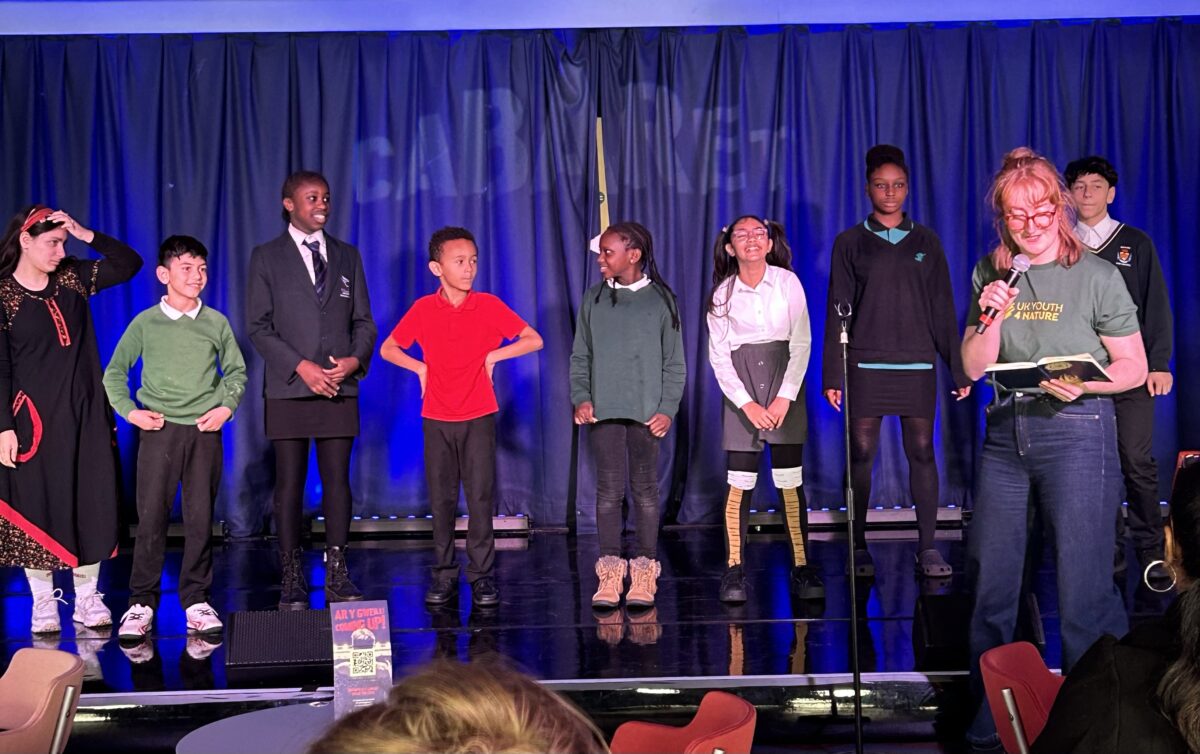
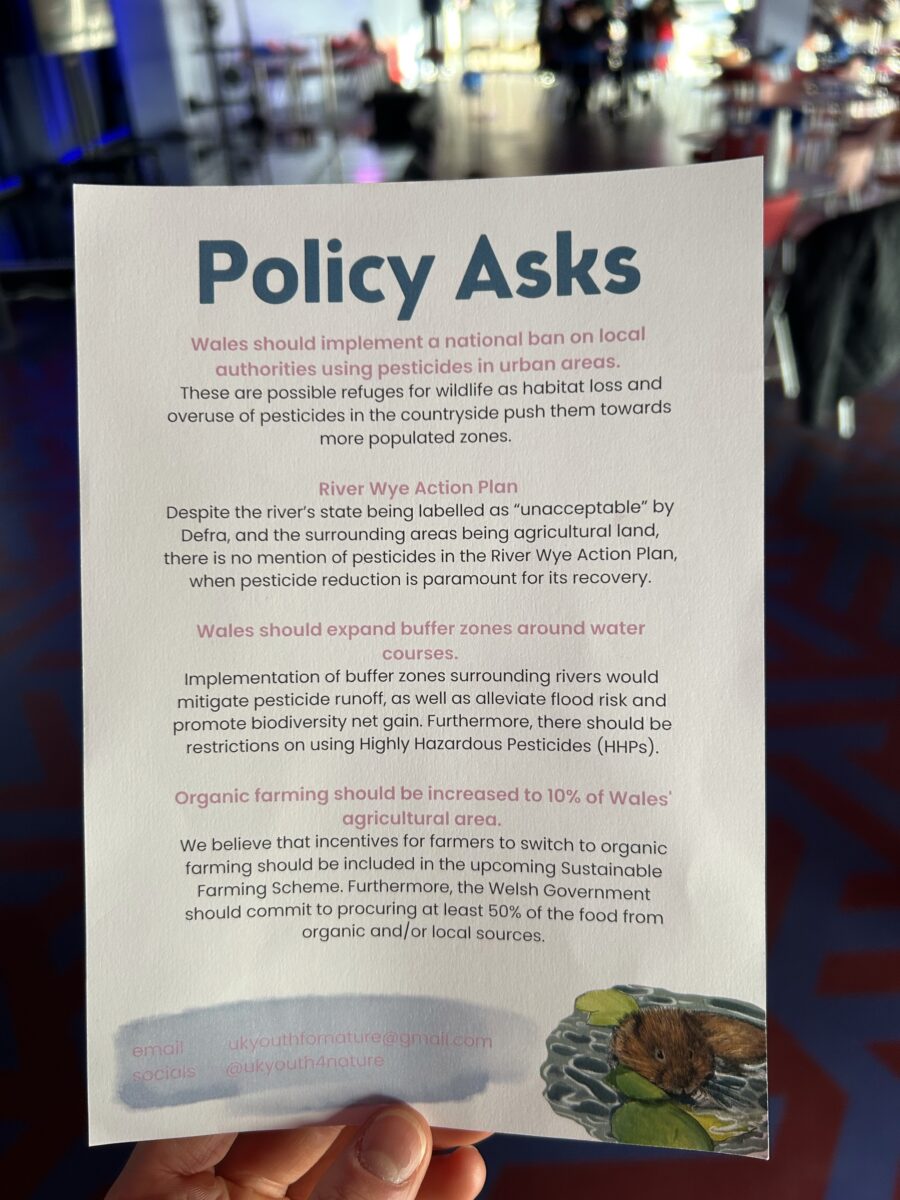
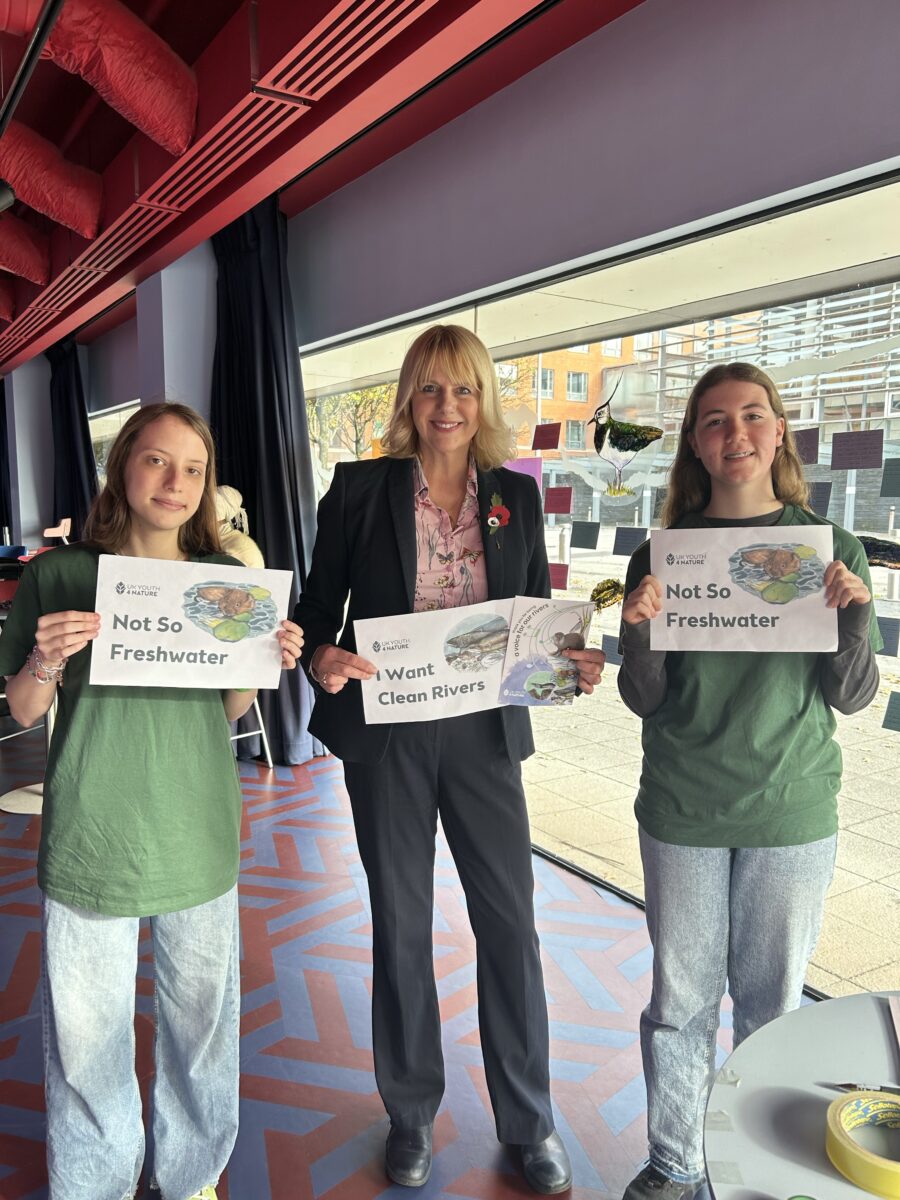
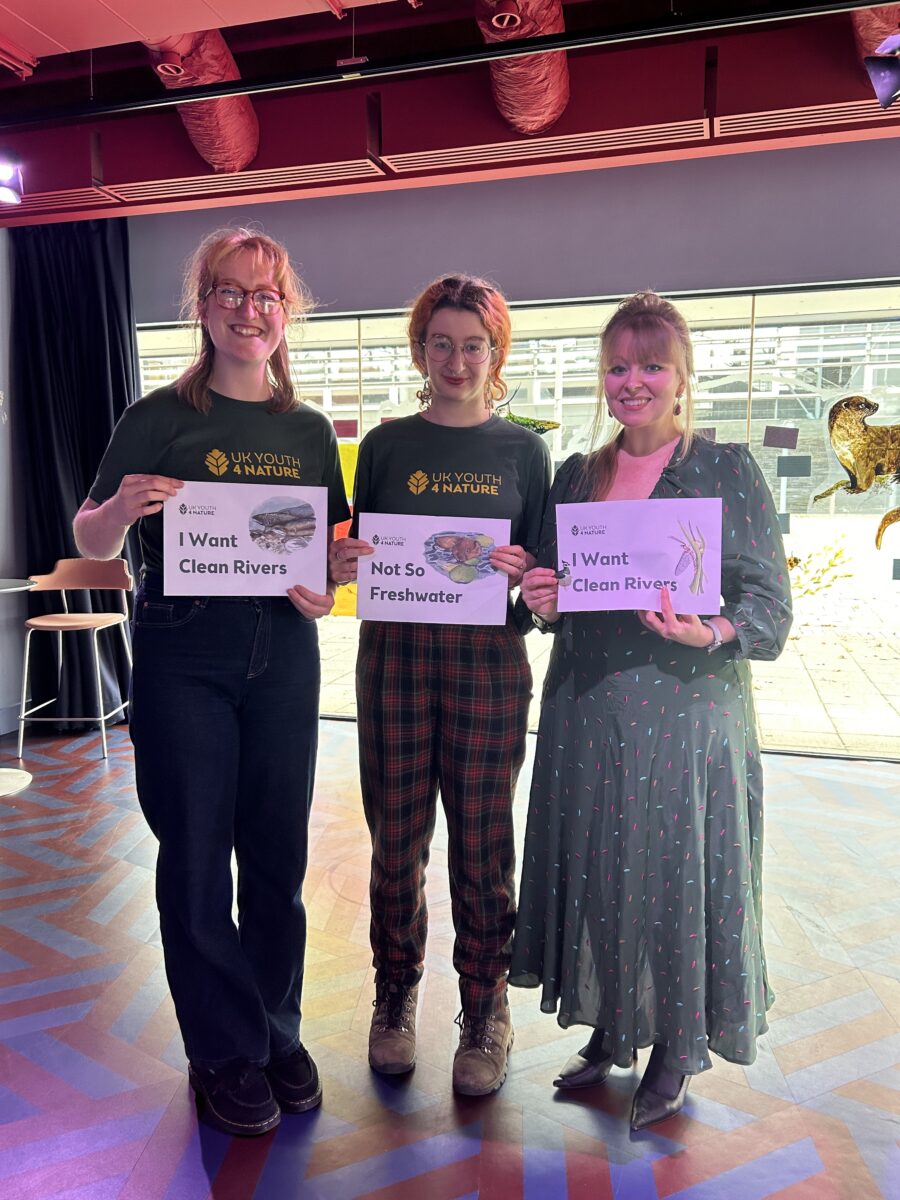
So, UK Youth for Nature combined these two defining features into one exciting event in Cardiff Bay. “A Voice for Our Rivers / Llais i Afonydd”, supported by Delyth Jewell MS, was an opportunity to celebrate Wales’ rivers through music and art. Attended by several MSs, policymakers, and ENGO leaders, it also allowed a chance to explore potential collaborations and policy solutions for addressing agricultural pollution in our rivers.

The event kicked off in incredible fashion with a performance by young members of the Oasis One World Choir – a community arts project welcoming and sharing arts activities with those displaced from their birth countries. The performance included a mixture of songs written by the choir showing their hopes and fears for the future of rivers, plus some Welsh classics with a twist. Working with the UK Youth for Nature team, they sang “Afon Lan”, an adapted version of the Welsh belter “Sosban Fach”.

Event sponsor Delyth Jewell MS then delivered an empowering speech highlighting that protecting and restoring rivers in Wales is not only an environmental issue but a social and cultural one, too!

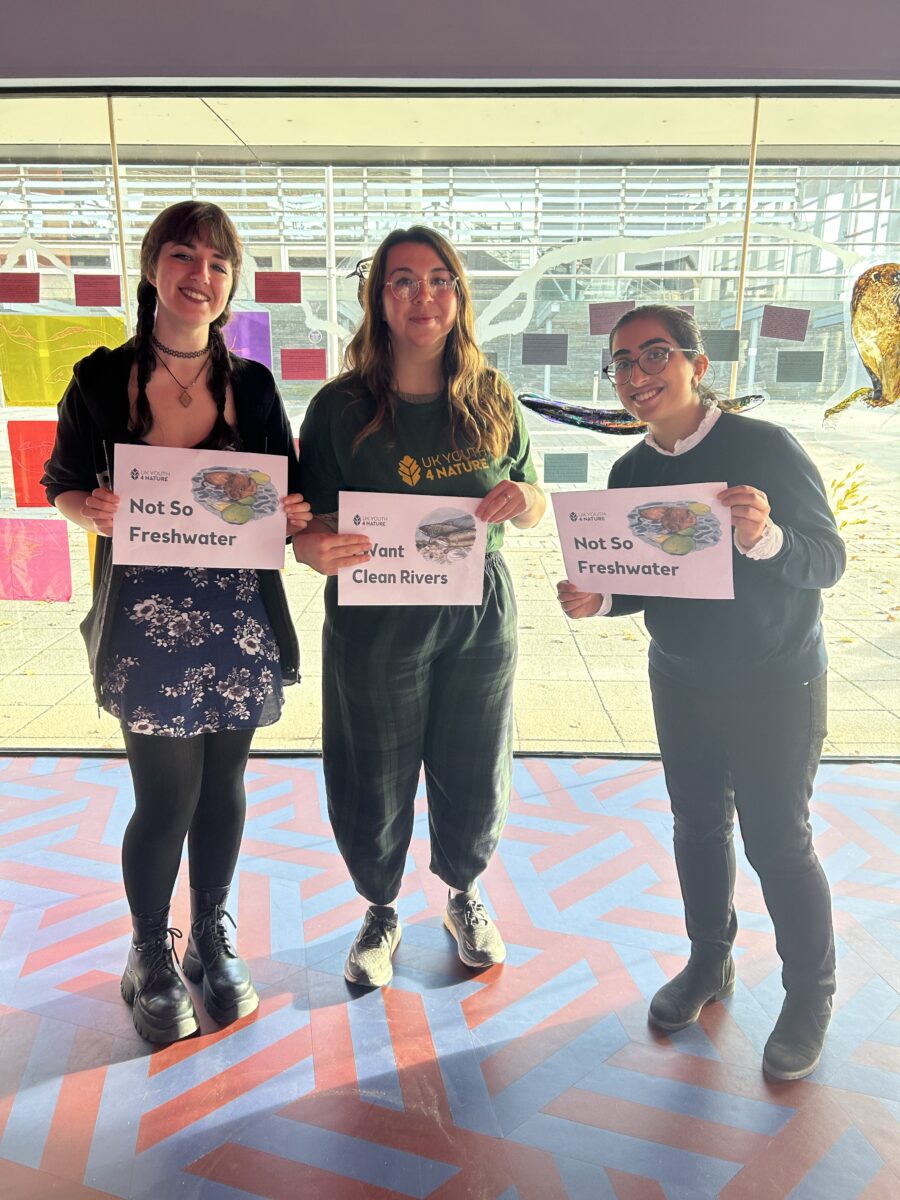
Our #NotSoFreshwater campaign focuses on addressing water pollution from agricultural sources. But we want to work with farmers to find sustainable and just solutions to move towards nature-friendly farming. Therefore, it was important that farmers’ voices were heard at the event. Jake Cohen, who works closely with farmers in Mid Wales, did a fantastic job of sharing the views of his network of farmers on how we can move forward together at this challenging time.

Finally, we heard from Grace Ingram, a young campaigner from Cardiff and a member of our team. In a speech full of fears and hopes, Grace mentioned how we learn about fantastic rivers from around the world, but rarely are we taught about the incredible rivers in Wales. So, whilst people might be aware of wildlife in the Amazon, sometimes they are less familiar with the nature on their doorstep.

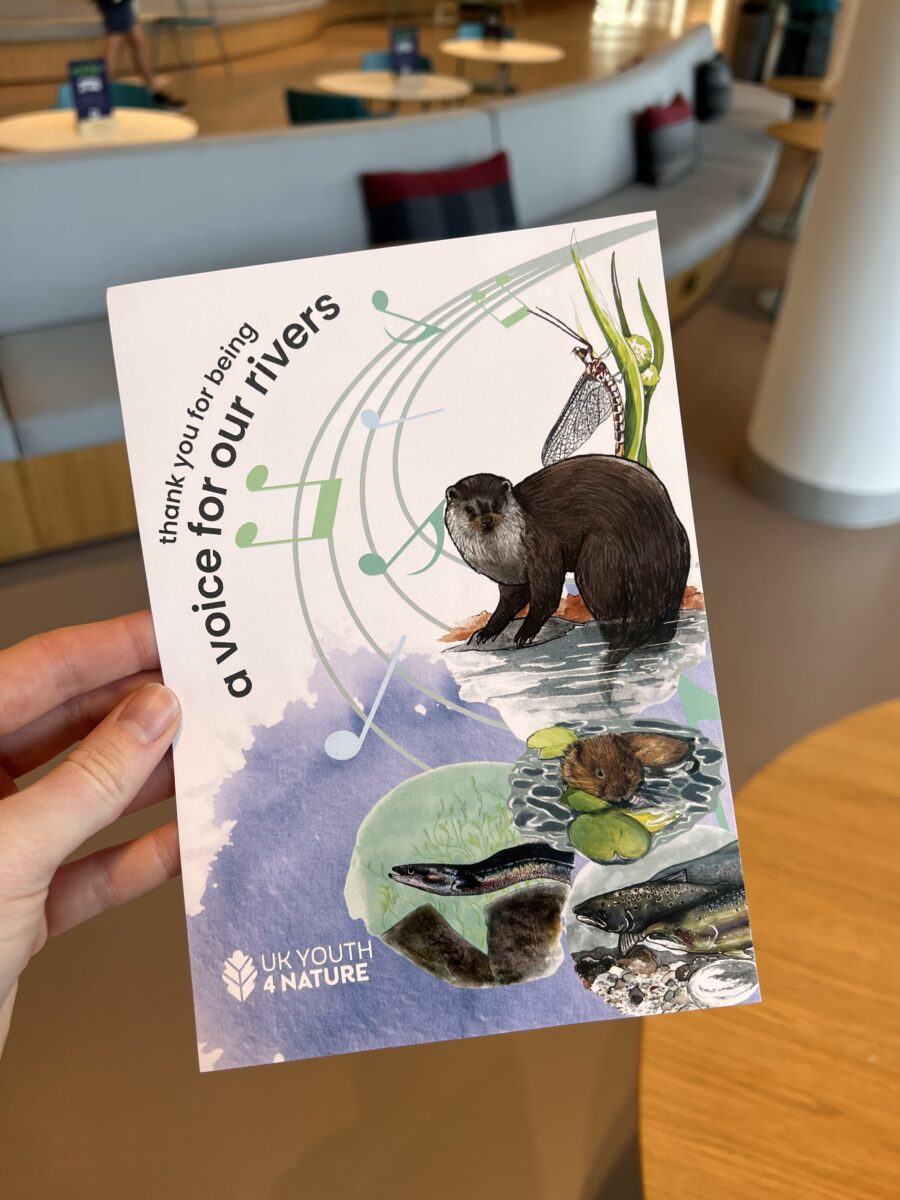
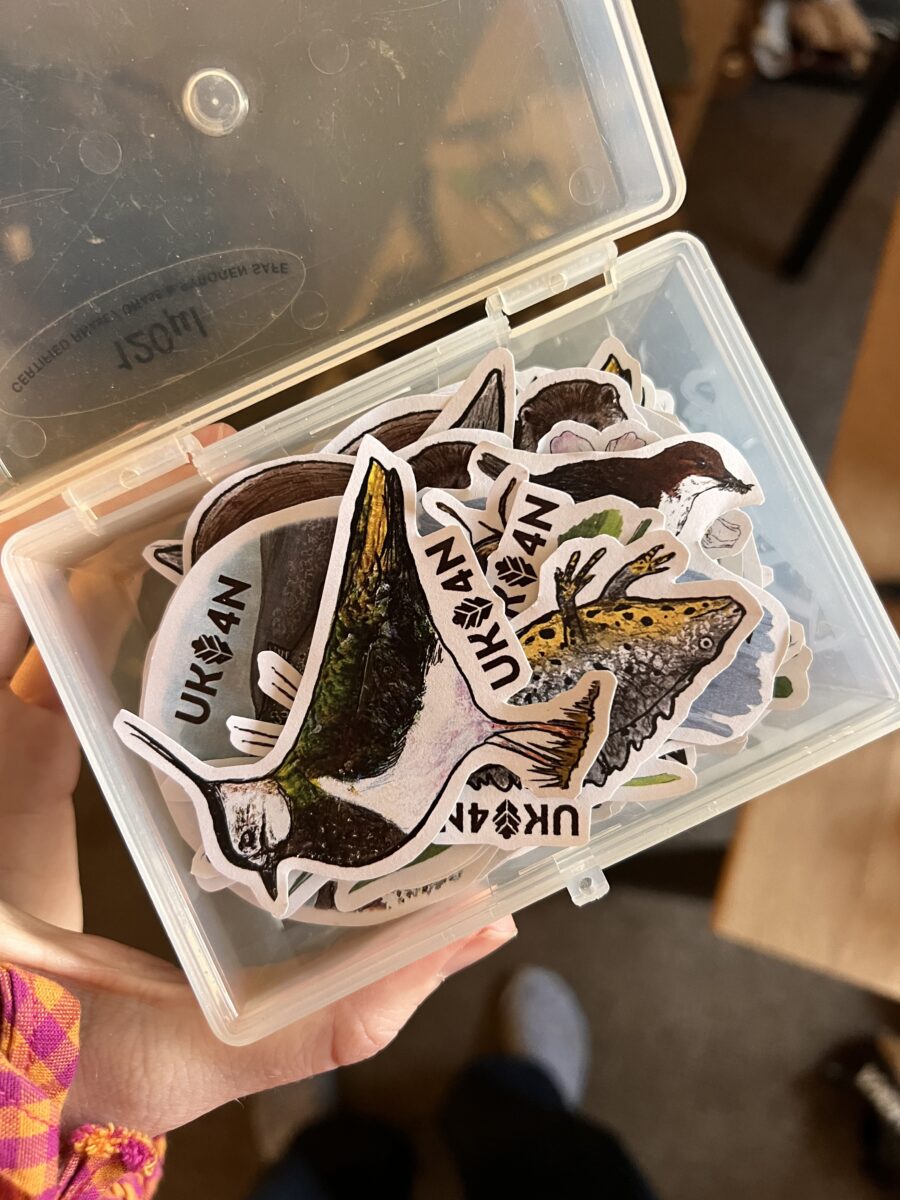
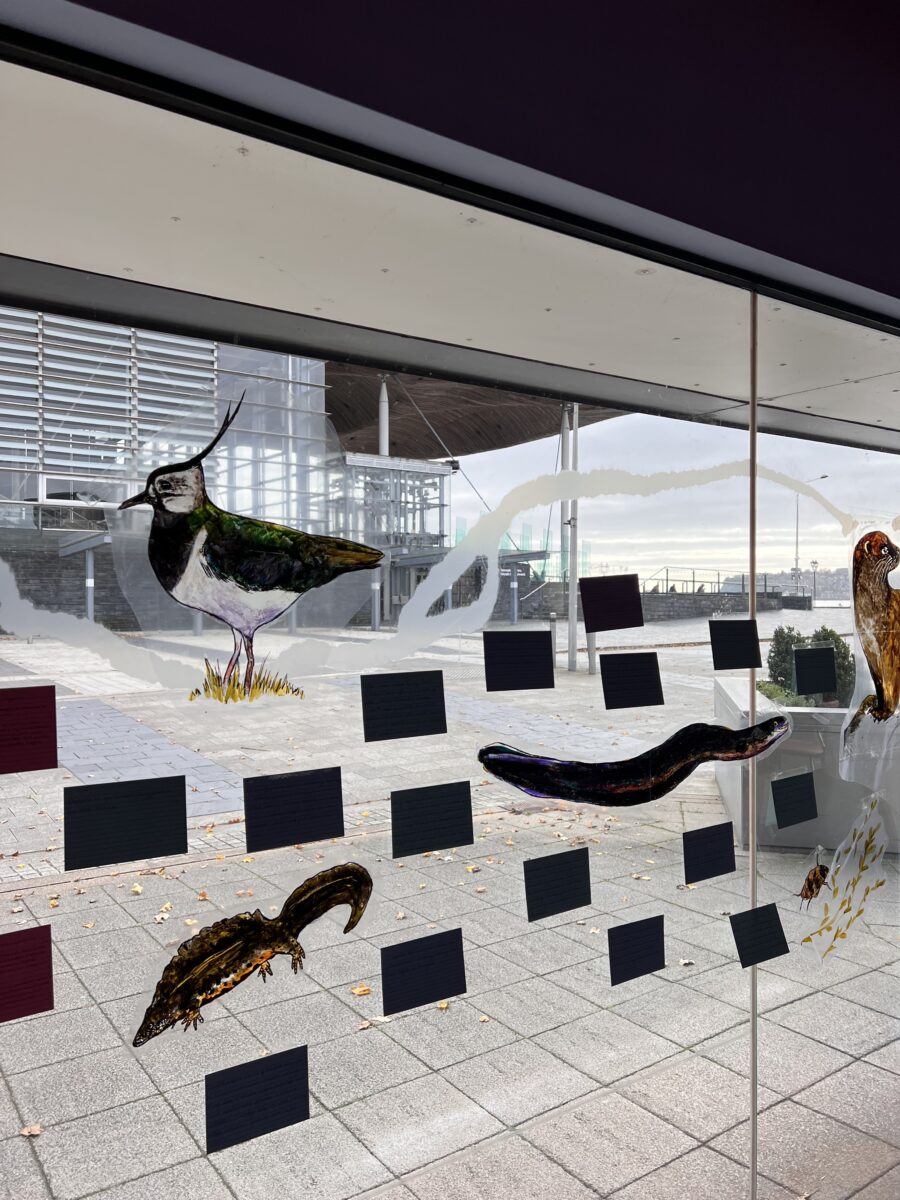
This point provided an excellent segue to the fantastic exhibitions on display around the room, highlighting the rivers of Wales and the communities around them. UK Youth for Nature displayed key river species at risk in Wales including mayfly, otters, and salmon. The incredibly talented Kirsty Lloyd created the artwork.

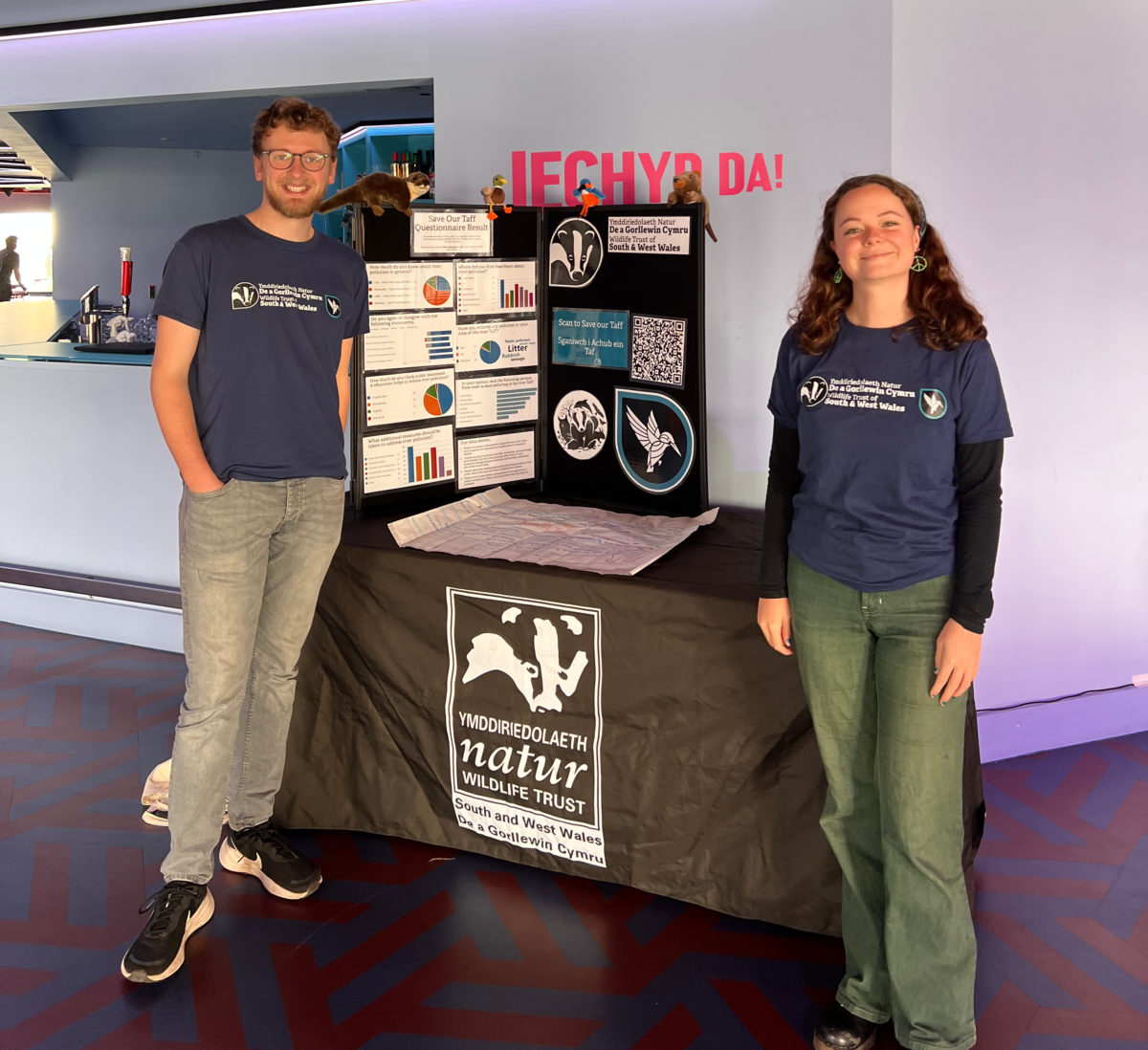
The Wildlife Trusts of South and West Wales presented their work on the “Save Our Taff” campaign, bringing communities together along a river less than half a mile from the event and representing a cultural link for many along its course.

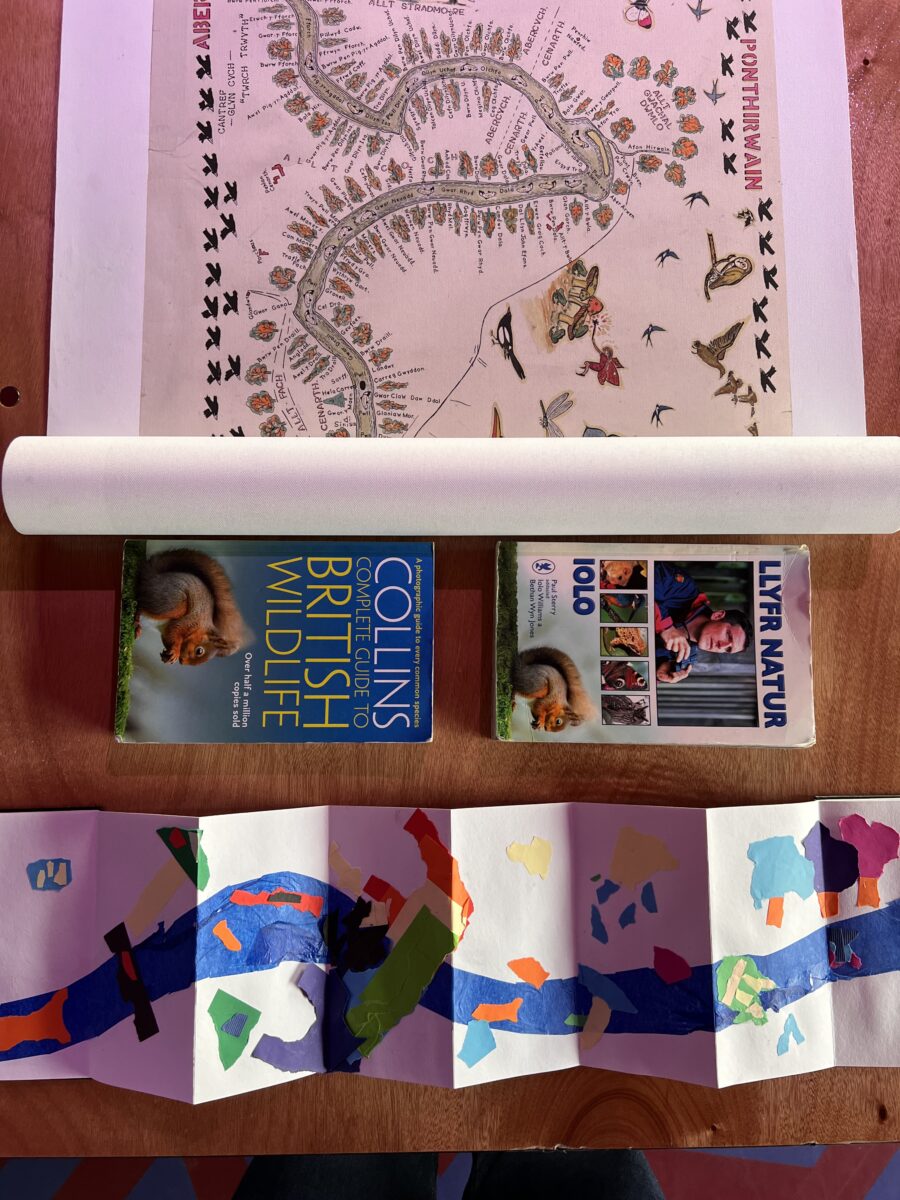
Finally, West Wales Rivers Trust presented work from their “Adopt a Tributary” volunteer programme and the “Llais yr Afon” project they are working on alongside Small World Theatre, spacetocreate, and Save the Teifi. The centrepiece of this exhibition was a map of the lower Teifi created by local postman Idris Mathias in the mid-20th Century and the modern interpretations created by schoolchildren as part of the project.

So, in true UK Youth for Nature style, it was a twist on your usual policy event, but at its heart, it was an opportunity to put forward ideas and solutions for the future of rivers in Wales. One attendee said they left feeling “incredibly energised” and ready to continue the push to restore Wales’ rivers. We at UK Youth for Nature are excited and ready to continue playing our role in bringing stakeholders together, standing up for nature, and finding just and sustainable solutions to ensure that Wales continues to be the land of healthy rivers and the land of song.

We thank Delyth Jewell MS and her incredible team for their support. We would also like to thank Oasis One World Choir, Wildlife Trusts of South and West Wales, and West Wales Rivers Trust for making this event a truly special occasion to celebrate rivers.

By Joe Wilkins.

Community member spotlight – Katie Harriet Thompson

Who are you?

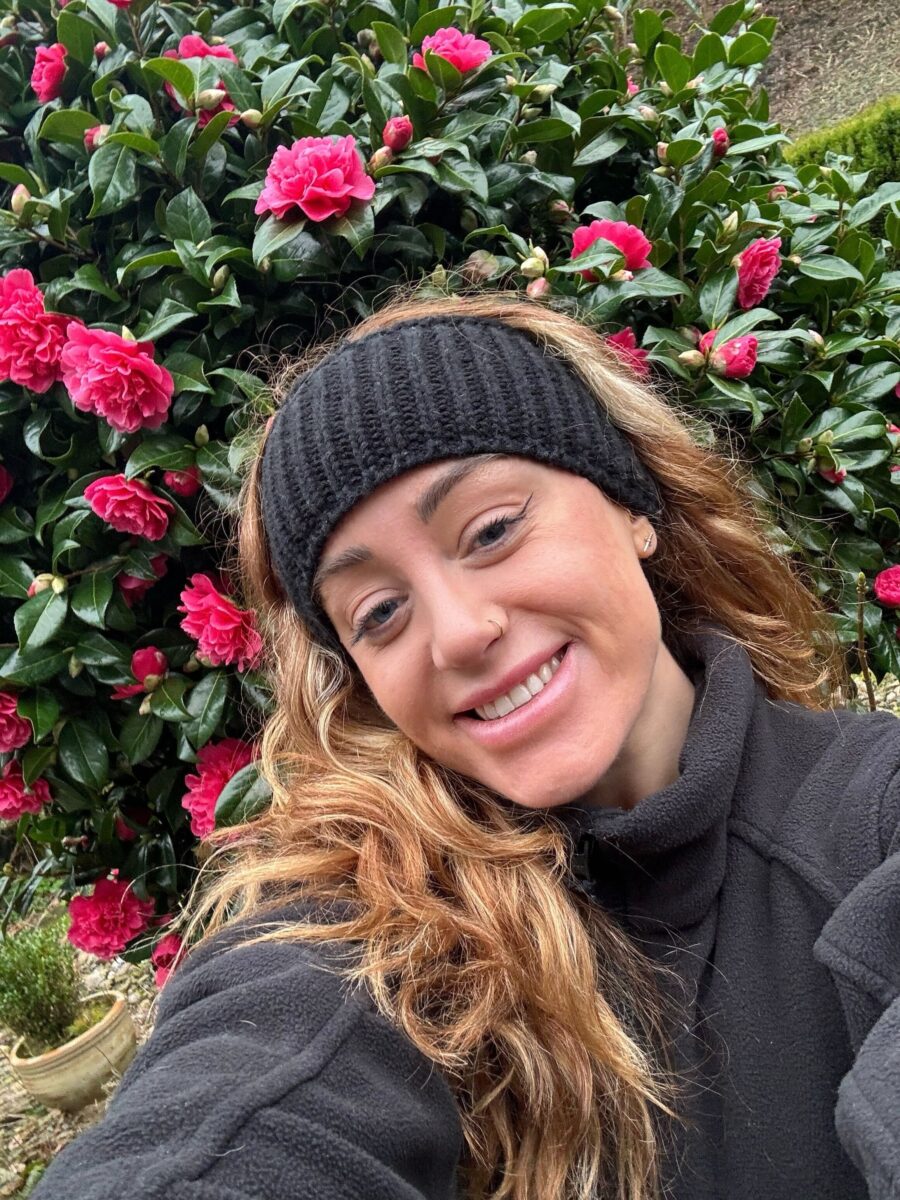
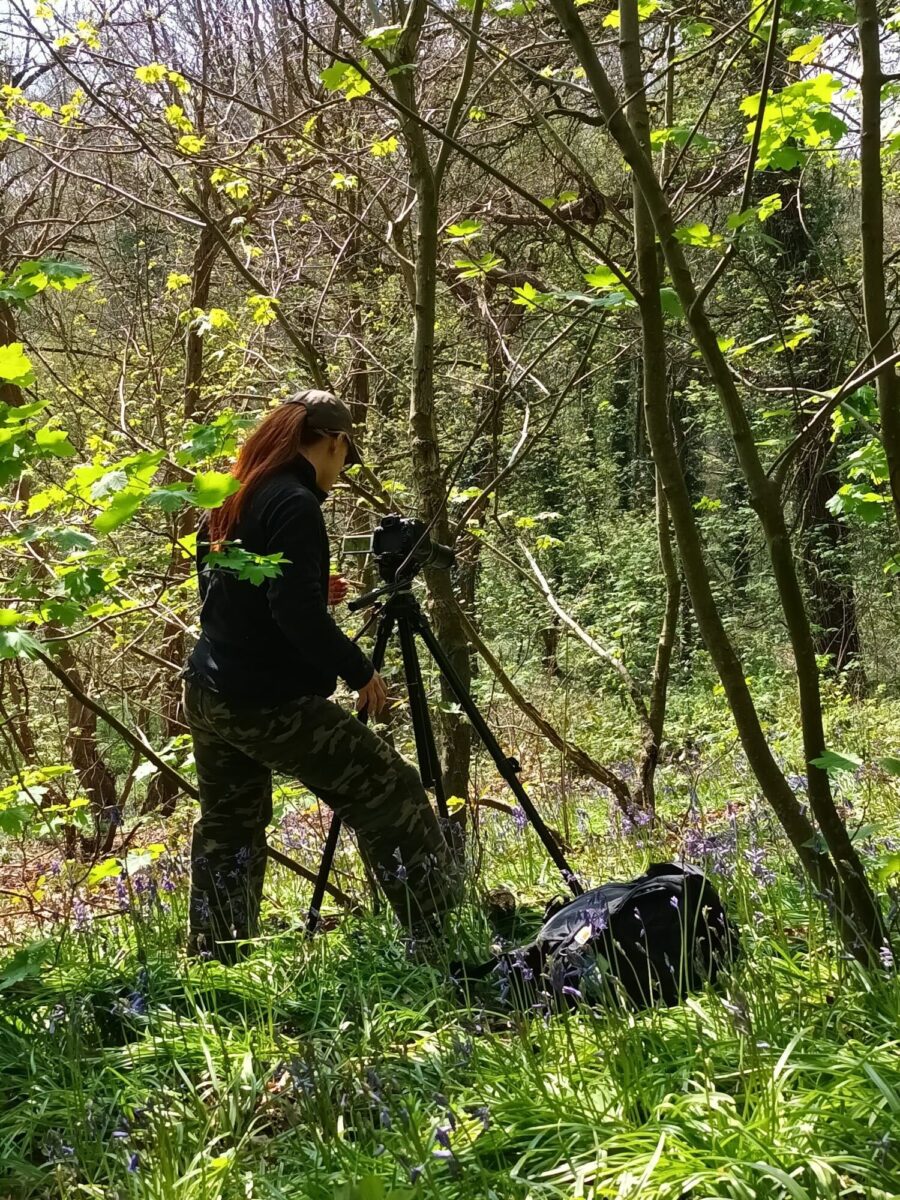
Hey, I’m Katie, I’m a wildlife storyteller and I’m obsessed with animals! I’m part of the UKY4N Webinar team. In my spare time, I love hiking, travelling and skateboarding. I’m also a freelance filmmaker and photographer :camera_with_flash: 

Why are you so passionate about engaging young people with nature and the environment?

    I believe engaging with young people is key to solving the climate and nature crisis as 70% of young people have climate anxiety, yet 86% believe being outdoors and among nature has a positive effect on their mental wellbeing. We are our future stewards, leaders and stakeholders. We make up a huge percentage of our population and we need to be engaged and share our passion. Plus, younger people are so much fun!! Being around young people, especially children, brings out my inner child and playful side. I’m very lucky that both my current jobs include youth engagement. 

    Tell us three reasons why we should care about ancient woodlands

    They are the UK’s most complex ecosystem, supporting many rare species and communities such as primrose, hazel dormice and specialist lichens. They are our natural heritage and history, housing our ancestors and providing their timber. They have always been woodlands and they have a right to remain so.

    With only 2.5% land coverage and a lack of legal protection, we are at risk of completely losing these magical woodlands for good. If policy doesn’t change, ancient woodlands will degrade and be destroyed until nothing is left.

    What is your favourite tree and why?

    This changes all the time for me! One of my favourites is a very specific ancient hawthorn tree in my local woodlands. I love it as it was the first ancient tree I photographed and I also notice memorial flowers are left there often, which makes me feel connected to the other people who visit and notice the tree too.

    Have you ever had an encounter with a famous person?

    I met 3 TV celebrities when I entered the Woodland Trust Igniting Innovation challenge -Megan McCubbin, Danny Clarke and Dwayne Fields. They were all really lovely and supportive during my project pitch and, as a filmmaker, I really appreciated their encouragement and it felt surreal to show them my film clips.

    Do you have a bucket list? Tell us two things that are on it

    Hell yeah! 2 things I am hoping to tick off next year are surfing in Cornwall and visiting the rainforests in Dartmoor (I’m a northern girl so haven’t been to either before).

    UK Youth for Nature is a group of like-minded nature lovers who are on a mission to improve the future for wildlife, nature and humans in the UK. If you want to be part of our community, you can find out more here.

    Eco-anxiety webinar – reflections from our community and bonus resources

    As we face the state of our natural world and open our eyes to the extent of the climate crisis more and more young people are experiencing eco-anxiety.

    A global survey in 2021 found that more than half of people aged 16–25 felt sad, anxious or powerless, or had other negative emotions about climate change. This highlights how important this topic is and that we should be talking more about these emotions that we might be feeling.

    Speakers

    Ellie: Community Cultivator at Re-Action Collective. Ellie (she/her) is a Change Agent and Community Cultivator at Re-Action Collective, a thriving global community driven by a shared love for the planet and outdoor adventures.
    Morag: Force of Nature speaker. Morag is a science student determined to tackle social and ecological challenges, highlighting the interconnection of biodiversity & climate crises with human rights, health inequalities and air pollution
    Parker: A Climate Aware Psychologist. Parker is a psychotherapist, coach, facilitator and farmer working at the intersections of mental health, climate justice and engaged spirituality. We had a set of panel questions and then each speaker was able to talk about some topics that they were passionate about such as eco-justice, mindful practice as well as neurodivergence.

    Main takeaways

    🍃 The intersection between the ecological and the social- The climate crisis is a social justice issue as much as it is an environmental issue. When talking about eco-anxiety we must be aware that these two themes go hand-in hand.

    🍃 The importance of community – find people that support you but also champion for change in a way that resonates and inspires you. Community will also be able to support you when you are struggling and hopefully inspire you to not give up hope. If you’re not currently a member of one, why not join ours?

    🍃 The importance of taking time to feel your emotions- Parker talked about how it is okay to pause and take a step back. Not only might you have feelings of anxiety, but you might feel grief and other intense
    emotions and if you continue to ignore them, they will only get worse. You might then be feeling your eco-anxiety physically as well.

    🍃 Hope and optimism can sometimes feel a little hollow. Ellie talked about adopting terms like rebellious hope which highlights how hope is an active process as well as stubborn optimism. These are emotions that you should be holding onto when struggling with eco-anxiety and feeling hopeless.

    🍃 Find your way of enacting change- not all activism requires you to be loud and out-going. There are so many different types of activism, and this webinar highlighted some of them such as writing, art, dancing or any other way you find you can best express yourself.

    🍃 Focus on small moments of wonder and joy-These can keep you inspired play with what’s possible and think outside of the box. Morag talked a lot about looking out for little pieces of inspiration as these are the things that can help you re-focus when you are struggling.

    🍃 Take time to rest- It can be very easy to be burnout especially when you might be deeply passionate about the environment. Passion can drive you to work for long hours and push to yourself to your limits. Rest will encourage balance and allow you to approach challenges from a fresh perspective and give you the energy to push for change.

    🍃 Spend more time outside – The importance of spending time outside has been shown to have many positive effects. Click here for some tips. Research into ecotherapy, which involves doing activities outside in nature has show that it can help with feelings of anxiety and depression.

    Resources if you are struggling with eco-anxiety

    • Parker Bowling – one of our speakers who has recently started working and offering with people in
    the UK – find out more on his website.

    Force of Nature – organization offering resources, online community, training, podcasts & info on eco-anxiety

    Resilience Project – workshops, training & resources on eco-anxiety

    Climate Psychologists – resources & training programmes

    A Field Guide to Climate Anxiety

    Climate and Mind – website with info, resources and signposting

    Good Grief Network – support network groups, training, resources

    Gen Dread – blogs, resources, stories & news

    EcoAnxious Stories – people’s perspectives, resources & reflectionsthrough storytelling

    Climate Psychology Alliance – resources, blogs, podcasts, therapeutic support

    Climate Psychology Alliance – offers up to 3 free therapeutic support options for those experiencing distress in the face of the climate crisis and/or support in activism

    Climate Psychology Alliance podcasts

    Find a Climate Cafe/Circle near you (in person or virtual) – Climate Cafes aim to be safe & informal spaces to express feelings around climate & ecological crises & connect with others-

    Counselling for Social Change

    • Hope Resilience Circle