Gardening with nature: starting from scratch


A new study published by researchers at the RHS (Royal Horticultural Society) suggests that gardeners who help wildlife and the environment gain a greater boost to wellbeing. Some of the nature-friendly approaches highlighted in the research included avoiding pesticides, providing areas for wildlife, using peat free products and hand weeding.
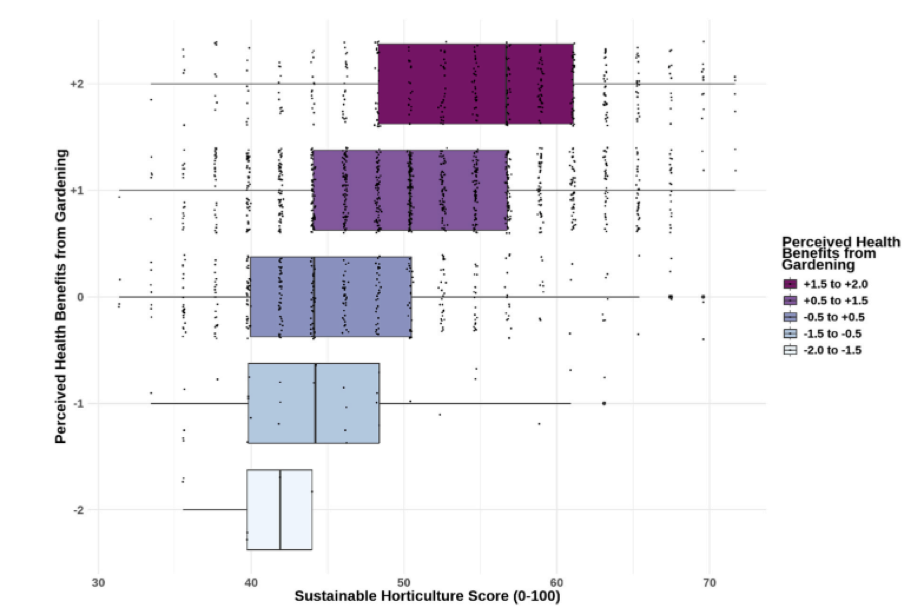
Chart showing that the more sustainable the gardening practice is, the greater the perceived health benefits from gardening are.

The diagram shows that the more sustainable the gardening practice is, the greater the perceived health benefits from gardening are.

As part of the study, they identified that 83% who gardened considered it both positive for overall health and wellbeing and found a greater connection with nature when you work, with rather than against it.

How, then, can you work with nature when you have a space void of it?

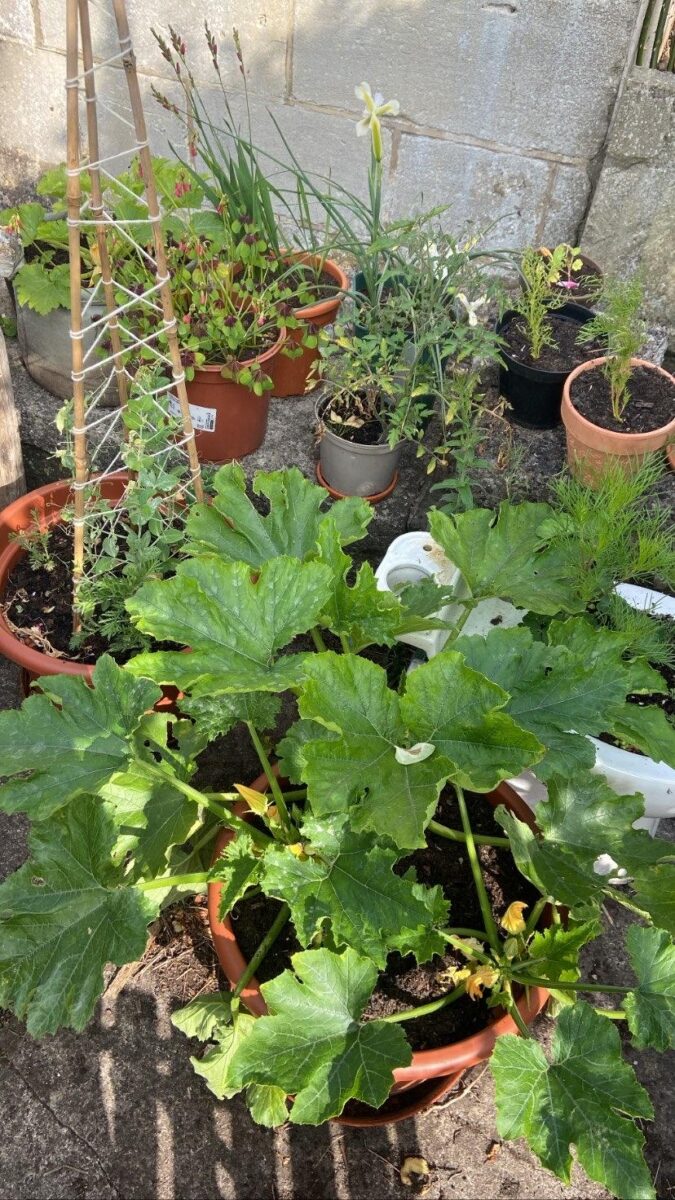
I live in Manchester in a third floor flat with a balcony. When I moved in, it stood out as a blank space, empty and barren. I set out on a mission to change it, take ownership, and create my own garden. Over the course of 9 months the space has been transformed.

First, I began with grasses, and overwintered onions and garlic. Once spring arrived, I sewed seeds of courgette, aubergine, peas, and beans. Now, after generous gifts from various relatives the garden is home to tomatoes, raspberries, strawberries, lavender, rosemary, and mint too. I’ve created a mini oasis in the sky; not only for myself and my housemates, but slowly but surely, for nature too.

three pots on the balcony a willow to the left, broad beans take the centre and with large leaves and white flowers, and a tomato plant with yellow flowers to the right.
A willow to the left, broad beans take the centre and with large leaves and white flowers, and a tomato plant with yellow flowers to the right.

In a recent campaigns meeting with the UKY4N team there was discussion of the constant battle against the slugs and other garden critters who munch on your produce before you’ve even realised its grown! I sat there thinking whether I had ever seen a slug in my garden.

‘A mini oasis in the sky’

In relation to the RHS research, I am coming from an alternative perspective to many of my fellow garden-goers. I hope to work with nature and create a space for nature, in a place where it is difficult for nature to grow by itself. Little by little, nature began to appear. I spotted cuckoo spit (the home of the nymph stage of froghoppers) and this was the first sign that the biodiversity of my garden was growing.

In more established pots, every time I see the odd worm or centipede, I celebrate a little, it means my garden is slowly developing and providing habitats and forming ecosystems. Even within the pots, I don’t weed, I let what wants to grow, grow. This is something the RHS research suggests as a good practice for pro-environmental gardening.

A small pot with a central purple leafed shrub surrounded by grasses and other so-called weeds.
A whole host of weeds growing alongside a royal purple shrub

I have even seen bumblebees buzzing around the broad bean flowers, and a ladybird on the mint.

Ladybird on mint plant

An unconventional approach

The way I have approached gardening is not necessarily conventional or fits within any box, but I still see the benefits to my wellbeing as it provides an opportunity for reflection and restoration regardless. I have grown the garden through alternative means, on a budget and as eco-friendly as possible. I used Freegle and Olio (free things apps) to find the grasses and ferns, skip dived for old buckets to use as pots (UKY4N do not condone skip diving!!), just using my hands instead of a trowel, and growing from seeds as this is generally cheaper.

The way I have grown the garden offers a different way of ‘doing’ gardening, highlighting you don’t need a big space, or lots of money to garden. If you are working with nature, any opportunity you provide, unorthodox or not, nature will grow.

A collection of pots on a balcony containing a range of grasses and ferns.

For more information, here is a summary of the research plus the open access article itself published in the Journal of Urban Forestry and Urban Gardening.

This is the second blog we’ve published which was inspired by this news article – read Christina’s blog here.
Gardening Pains: how accepting holey veg and working with nature brought peace to my garden

By Christina Owen

Summer 2021. It’s my first year gardening and my first time dealing with the heartache that comes from emerging on a sunny morning to find chewed up squash seedlings and munched on bedding plants. Suddenly, my mother’s visceral hatred of slugs and snails doesn’t just seem understandable but… relatable. They’re everywhere and they want my vegetables. The vegetables I sowed as seeds and worked very hard to grow! When I’m gardening, I start to collect them up in boxes and angrily stomp with them to the park, muttering about how much I hate them and their hunger. Even releasing them somewhere else, I hope birds find and eat them. Soon I’m going out at night with a torch to hunt them out, and every morning starts with a nervous check of the garden; I wonder what’s been destroyed this time. Each time I step outside, I feel my heart rate rise and I genuinely get stressed out… and worst of all, nothing seems to work. In shame and frustration, I resort to beer traps but feel disgusted with myself for wishing harm on animals that are just doing what they need to to survive, not to mention nauseated by the yeasty smell my garden develops. 

I thought gardening was meant to be good for you.

Like many other people, I relied on the natural world for solace during lockdowns, and my mental state shifted dramatically over the course of 18 months. For years I had been suffering from a quite profound depression, and during the pandemic, my partner and I started going for long walks. We’d head out and by hour three, I’d feel a clarity of thought and a sense of peace that had long been absent from my life. Combined with therapy, a more supportive work environment and stable housing situation, I managed to sort my head out and even stopped taking the medication I’d been relying on for a long time. I mention the other factors because it is important to me that a reader of this blog doesn’t think it was just being outside that did it, but a combination of factors. However, the walking felt like both a turning point and a catalyst, and I truly believe I would be in a very different place without it. 

Naturally perhaps, after such a transformative experience, my mind turned to creating my own green space in which to capture a little bit of the calm from my walks at home. I was determined to get growing, so I diligently purchased peat-free compost, packets of seeds and a few pre-grown plants from a local garden centre. Weekends were suddenly taken up with sowing, window ledges became nurseries, and lunch breaks were watering opportunities as my plans started to come together. Once I started to plant things out however, I was met with a reality that all gardeners face at some point, usually sooner rather than later. My crops were delicious to more than just humans. The seedlings I had planted with such optimism were set upon by a barrage of hungry critters, and quickly my hopes for the garden turned to despair as I tried doggedly to prevent damage. Neither of my neighbours gardened so no matter how tidy my garden was, there were hiding places for my enemies on either side. I tried all the tricks I could find online – though I never touched pesticides – and didn’t notice when my fun, ‘great-for-your-mental-health’ hobby started to make me feel bad. I felt out of control, obsessed, and like I couldn’t catch a break. 

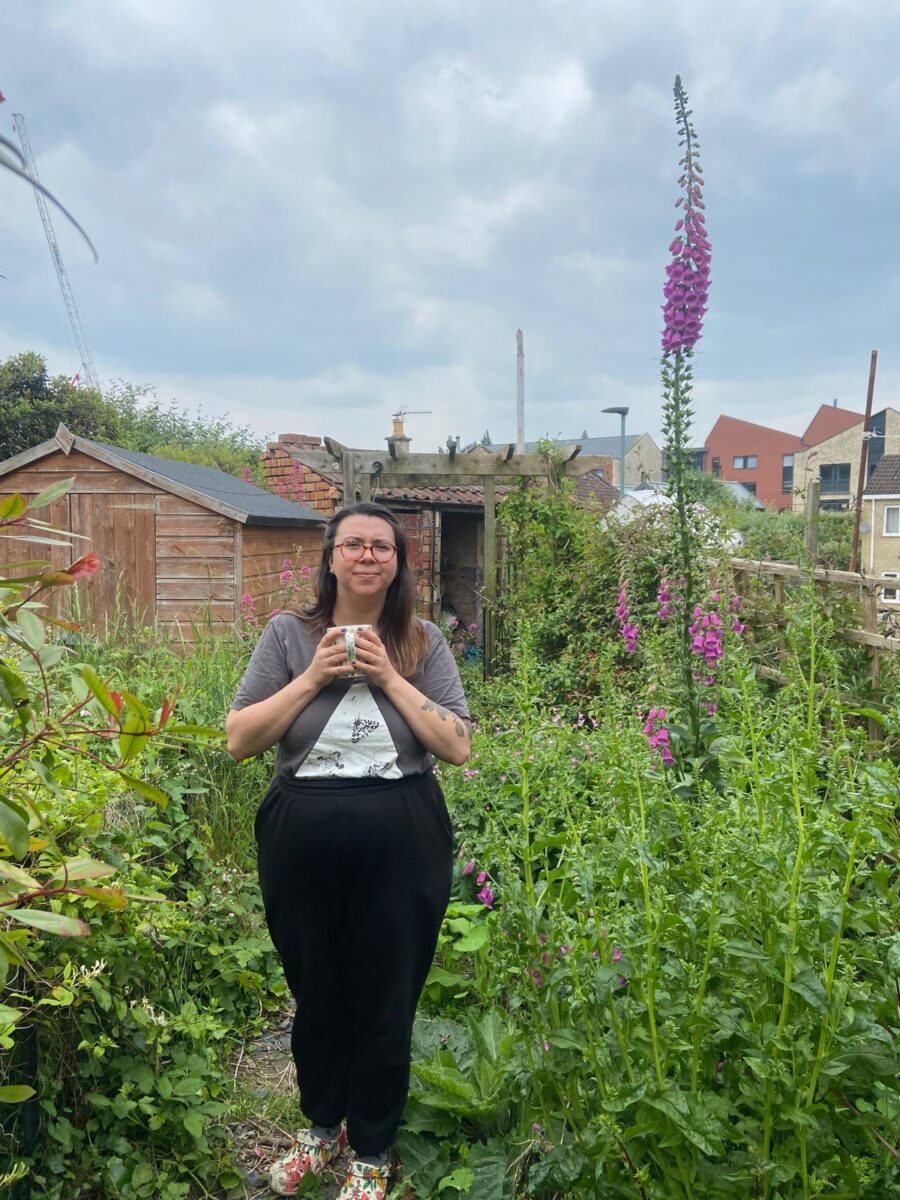
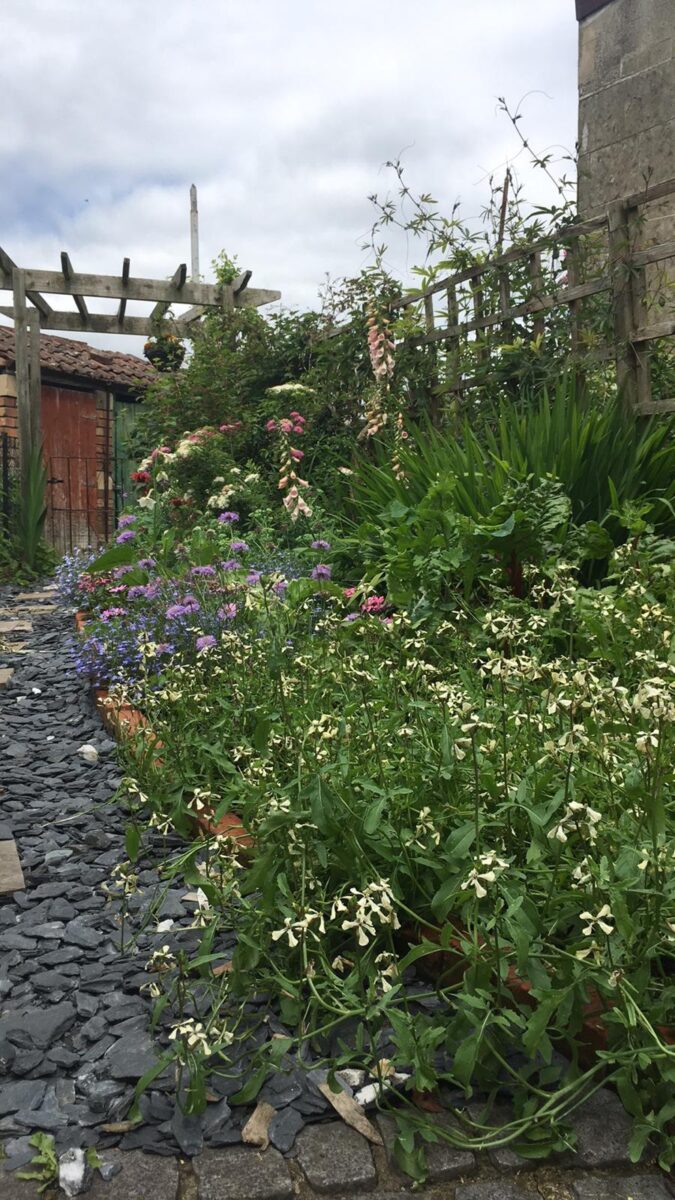
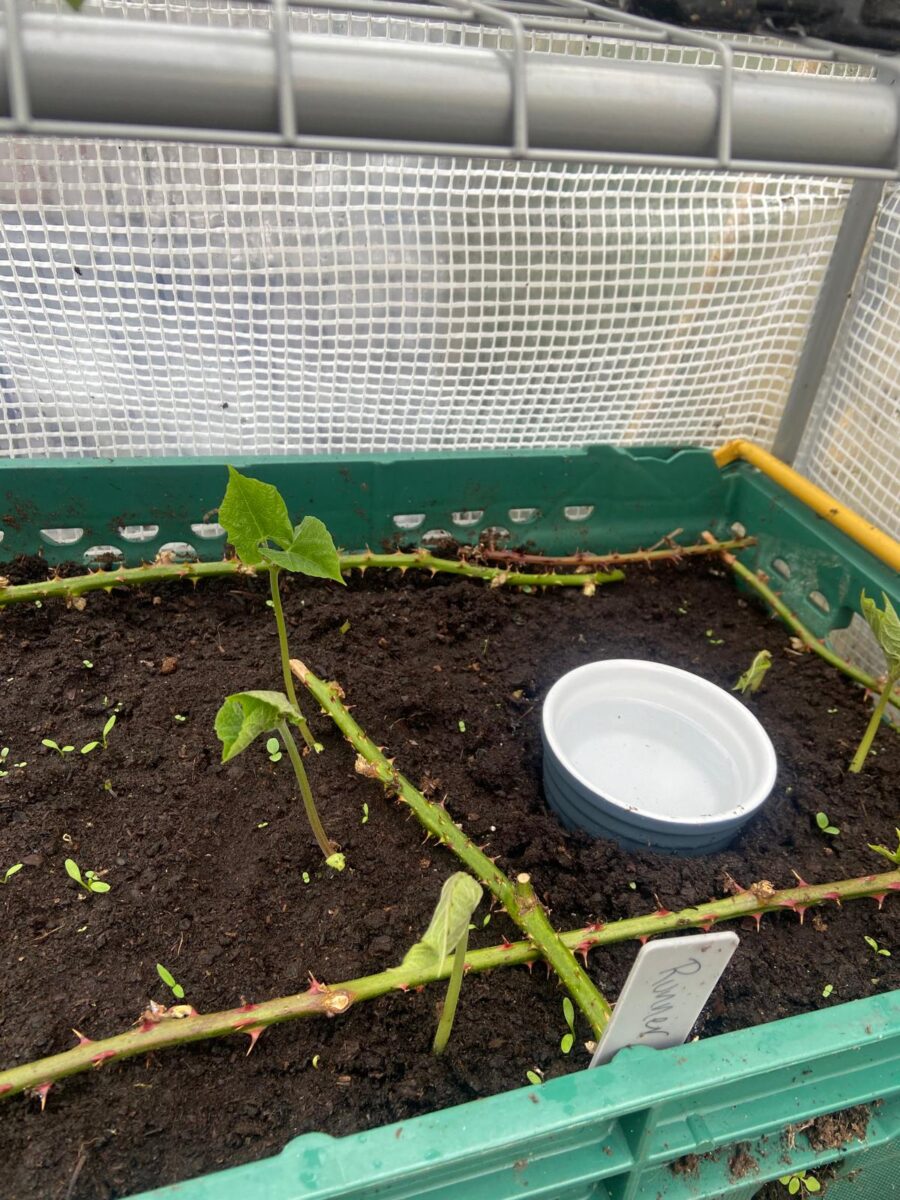
In 2022, I repeated the same sequence, constantly fighting the other occupants of the garden, setting traps and escorting them off the premises. I did not enjoy it. So, last year, I tried something different. I stopped sowing the lettuce I knew would get destroyed, and instead I grew flowers, sprinkling the seeds over soil with abandon, hoping some would pop up, and they did. I grew vegetables in a temporary greenhouse and planted them out as late as I could, and I did so knowing that they might still get eaten, and some did, but also some didn’t. I let weeds poke into the gaps so that instead of bare soil I saw green, and I had a more colourful garden than I could have imagined. Instead of hunting ‘pests’ I sought out the spiders that lived on the slate path, the caterpillars enjoying the perennials, and the bees that visited the sage when it flowered. This year, I’ve neglected the garden more than I would have liked, and you can barely walk to the end without getting caught on a bramble, but it almost doesn’t matter as a three metre tall foxglove has presided over the entire space for months. It’s in this garden that I found a hedgehog last weekend. He has since had to go to a sanctuary, but his appearance brought tears to my eyes as I thought about how the mess and the insects probably played a role in bringing him to us. 

Christina's much-more wild garden in 2023
2023

Now a study from The Royal Horticultural Society has found that those who say they garden with nature and sustainability in mind feel greater health benefits than those who don’t. Whilst I can’t speak to anyone else’s experience, or the differences various gardening techniques can make in how you feel in your body, I can say with certainty that my mental health improved when I started to consider my practice as part of nature, not in opposition to it. Accepting that my garden is a space I share with my animal neighbours hasn’t stopped me from feeling sad when woodlice burrow into a much anticipated strawberry, but it has allowed me to let go of the reins a little.

One day I hope to have a much larger space in which to have a proper vegetable patch, and I’m sure that I’ll keep being challenged by unwanted visitors, but maybe then I’ll look back at this blog, and the study, and remember that it’s ok to share. It might even be better. 

Our upcoming campaign ‘Your Wild Streets’ focuses on reducing the amount of pesticides that are used in our towns, cities and villages. Subscribe to our newsletter to make sure you don’t miss out on the launch, and our upcoming Urban Nature event!

Interested in joining a community of like-minded young nature lovers? Click here to discover how you can join us!

Our hopes for nature with the new UK government

We asked the young poeple in our community what their hopes are for with the incoming government, here’s what they said…

A just, green energy transition

“My hope is that the climate crisis is taken more seriously by the next government. Investment in sustainable energy, more green jobs and just transitions for those working in oil & gas, no more oil & gas licences, and a focus on nature restoration that helps to capture carbon.”

More protection for nature

“I hope that there is more protection for nature and more measures and actions taking place. As the longer we wait the harder it becomes to turn the tide, the time for action is now! More work needs to be done with businesses to help create plans to reduce their impact on climate and nature as they can make a big difference. Finally nature can bring so many benefits to people so everyone should have equal access to it so they can build a lasting connection with it and experience it in their own way.”

Fixing water pollution issues

“My hope for nature from the next government would be the government prioritising policies that would benefit the public compared to companies. This would mean reducing sewage run-offs from water companies which would allow people to finally use the beach without worry, or creating adequate incentives for farmers to rewild unproductive land to support wild highways.“

Consulting experts on new policy decisions

“My hope for nature is that we see deep engagement with experts on policy and action to make sure our land, seas, rivers and skies are protected and restored in a way that ensures our generation and many more to come finally see an biodiversity thriving alongside communities. From farming, to industry, to energy, to education, to politics, I am hopeful that nature will finally have its say and that youth voices will be listened to on issues that impact us, and I can’t wait to get started.”

Nature and climate taking centre stage

“My hope is that nature, climate, and equity are central to the next government. There’s a lot of optimism today, but a lot of work to be done. We know how important nature is for both us and the climate, so now we need to act! This government’s mandate takes us to just before the 2030 SDG goals – we need transformation to have a chance to meet them. The UK has the chance to be a world-leader on nature-friendly policy, and I hope both the government and the opposition can take a progressive, positive stance on biodiversity and nature. It’s our future, and we want it to be a green one – one where we value nature, rather than use it.”

Addressing the consequences of our actions on nature

“My hope for nature for the next government is we start to see the whole interconnected picture, from the wider views such as our relationships with other nations and the impact those have on our world, right through to areas like our education and food systems. I hope we can start to see how everything has a consequence for nature and for our survival. I hope we can start to ask why we do things the way we do and what that means for the roots of our society and our connections to nature. Question everything, there are other ways of doing things.”

Caring for nature, rather than just exploiting it

“I hope nature is viewed as something to protect and love, not use and exploit. If we care for nature, it will then care for us. I hope to see a complete shift in the way nature is viewed in the commons, it is such an overarching element of our existence and must be at the forefront of everything we do.”

Refreshing Net Zero and Nature 2030 commitments

“We have a new government now but they don’t have time to rest on their laurels – it’s time to act to save Britain’s nature! I hope that green policies are high up the priority list, including recommitting to Net Zero and Nature 2030, and that ministers change the conversation around a green policies to recognise the opportunities, rather than just the difficulties, they afford.”

If you’re feeling fired up from the General Election and would like to join a group of young, like-minded nature enthusiasts campaigning for a better future – JOIN US!
Want to let your new MP know that people in their constituency care about nature and the environment? Find their email here!

Community member spotlight – Emma Pritchard

Can you tell us a bit more about you and your current job?

Hi, I’m Emma, currently working in publishing in London. I have worked at Bloomsbury Publishing for the past two and a half years after graduating from a MA Publishing degree and will soon start a new job as Editor for the Bloomsbury Wildlife team. I’m really excited to bring my love for nature writing and conservation to the role and to get to work on field guides, reference books, nature memoirs and other illustrated books.

What are your top 5 nature books that you’d recommend for other people to read?

It feels almost impossible to whittle down into a top five as there’s so many brilliant nature books but here are some that I’d heartily recommend:

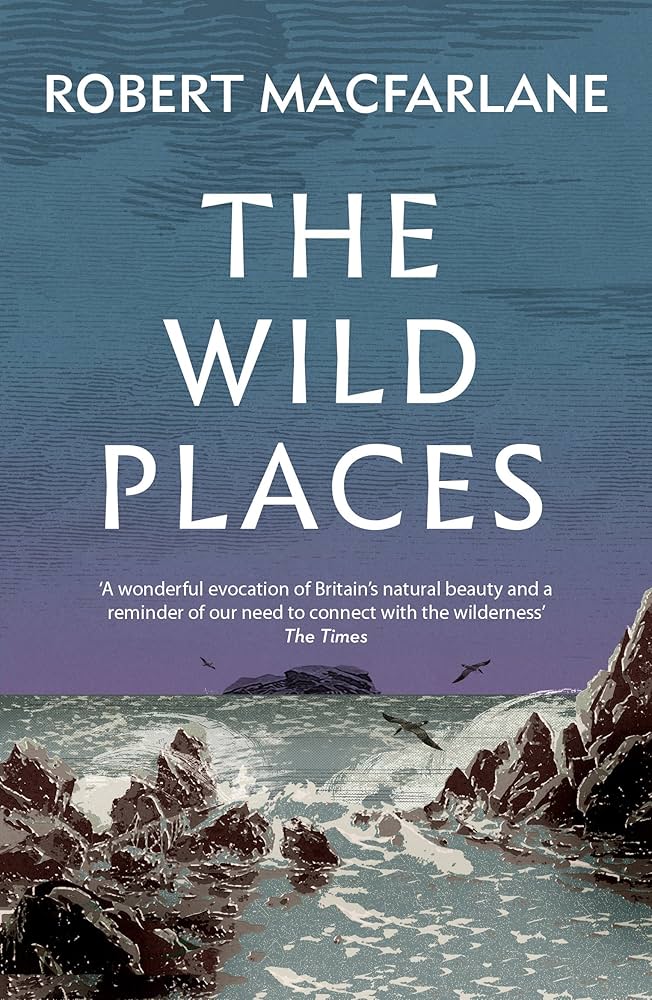
The Wild Places by Robert MacFarlane

A modern classic in British nature writing (I’d say, anyway!). I have loved all of Robert MacFarlane’s books but The Wild Places was one of the books that first drew me into the genre. In this book, MacFarlane sets out on journeys across the UK to find ‘wild’ places, reflecting as he does so on the state of nature in the UK and how it has been shaped by people over the centuries.

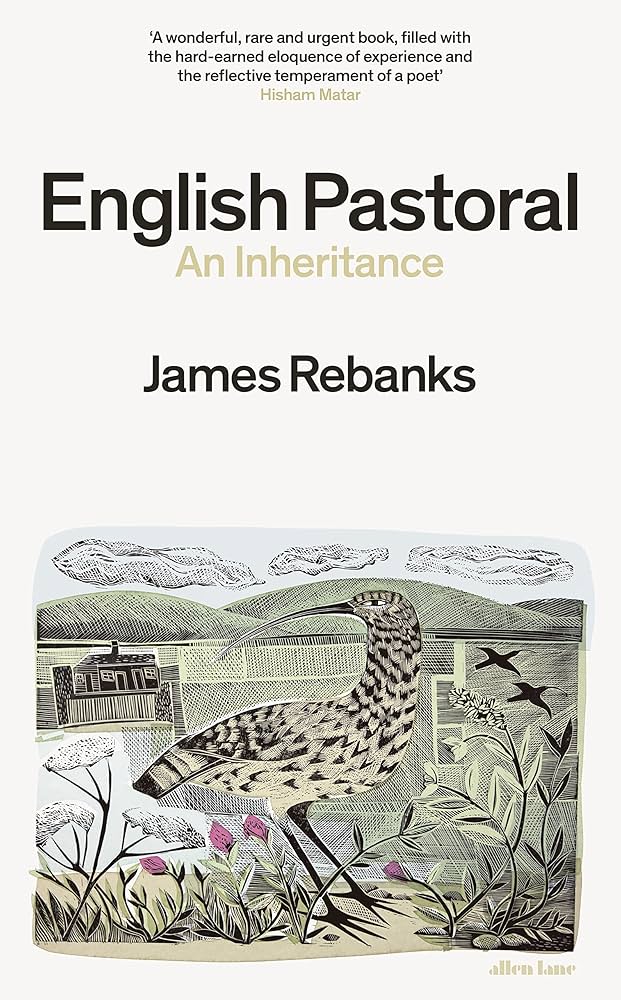
English Pastoral by James Rebanks

A nuanced and compelling memoir, Rebanks writes about how his family farm in the Lake District has evolved over three generations, shifting from traditional, organic farming to intensive, fertilizer-fuelled farming and then, in present day, to a more nature-friendly model. He gives his balanced, educated and personal perspective on how globalization, population growth and financial pressures have led to a losing game for farmers, animals and the local environment. 

The Book of Trespass by Nick Hayes

Part memoir, part radical manifesto, The Book of Trespass is an incredible read that brings together nature, history and politics. It’s about the inequality of land ownership, the Right to Roam movement and how public rights to access nature have been eroded over the centuries. I have been recommending this to everyone since I read it earlier this year. 

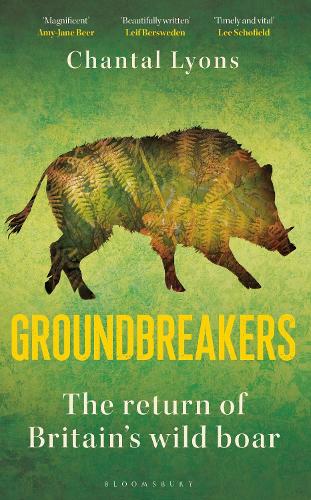
Groundbreakers by Chantal Lyons

Groundbreakers is about the reintroduction of wild boar into the UK, the impact they have had on people’s relationships with nature and on the habitats they now live in. I found it so thought-provoking, eye-opening and often quite moving. 

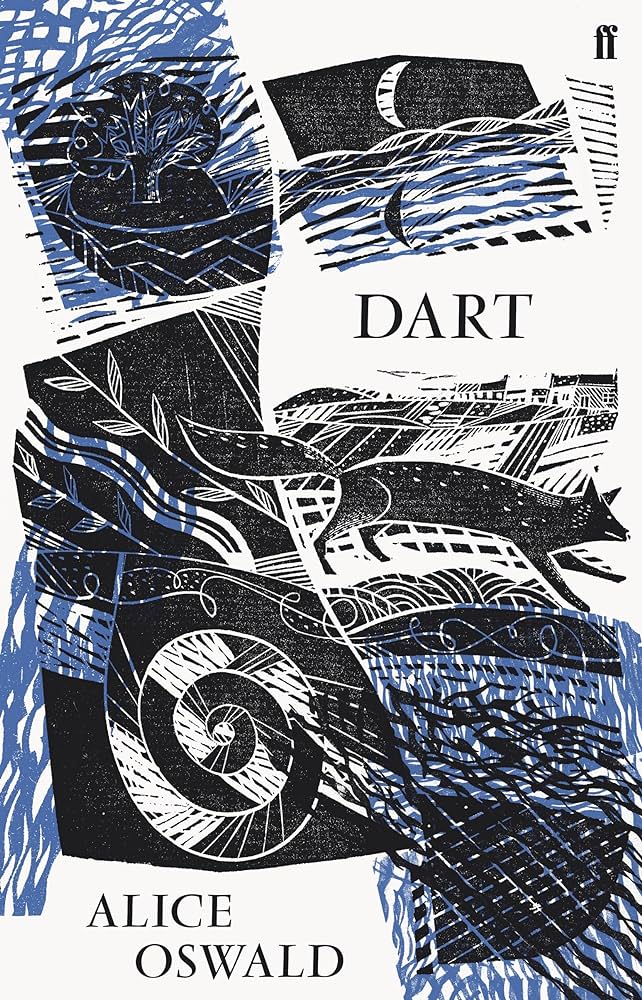
Dart by Alice Oswald

For those who prefer poetry to prose, I strongly recommend Dart by Alice Oswald. In this spell-binding book-length poem, Oswald weaves the voices of people who live and work on the River Dart in Devon into the slippery, protean voice of the river itself, showing how inextricable nature and culture are from one another.

What are your top 5 non-nature books that you’d recommend for other people to read?

Such a hard question! Other than nature writing and non-fiction, I really like reading 20th century women’s fiction and contemporary literary fiction. Recent non-nature favourites have been:

Miss Pettigrew Lives for a Day by Winnifred Watson

The Summer Book by Tove Jansson

Demon Copperhead by Barbara Kingsolver

The Night Watchman by Louise Erdrich

Small Things Like These by Clare Keegan

The first two are definitely warm, funny comfort reads that I go back to time and time again and the latter three are all stunningly well written. 

Have you ever considered writing a book yourself? If so, what genre would it be?

No, I wouldn’t describe myself as a writer – I much prefer being a soundboard for authors and helping shape and develop their work. Still, if I did write anything it would probably be non-fiction and most likely nature or travel-related. 

What’s your go-to karaoke song?

Usually something ABBA, Taylor Swift or Queen – I’m not a great singer so anything that gets the rest of the room involved tends to be a good move! 

Would you like to join our community of nature loving 16-35 year olds who are on a mission to save the UK’s nature? Find out more here.