
by Rosa Hicks
SPECIES DESCRIPTION
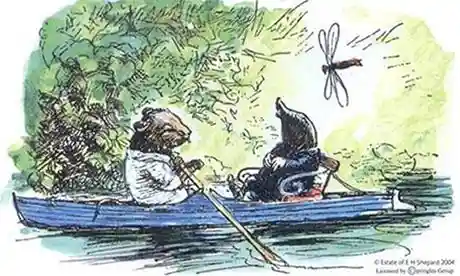
Water voles (Arvicola amphibious), characterised by “Ratty” in the Wind in the Willows, are one of the most charming creatures that call our waterways home. But water voles are also Britain’s fastest declining small mammal, vanishing from 94% of their former sites.
CAUSE OF DECLINE
It might be hard to believe that during the pre-Roman period, water voles were actually Britain’s most common small mammal, with an estimated 6.7 billion living in our rivers, lakes, canals, and ponds. Agricultural development and the draining of 90% of the UK’s wetlands has caused major habitat loss, decimating water vole populations. Any remaining habitat is degraded by industrial pollution, with fertilisers, microplastics, and raw sewage turning our waters into an inhospitable chemical cocktail.
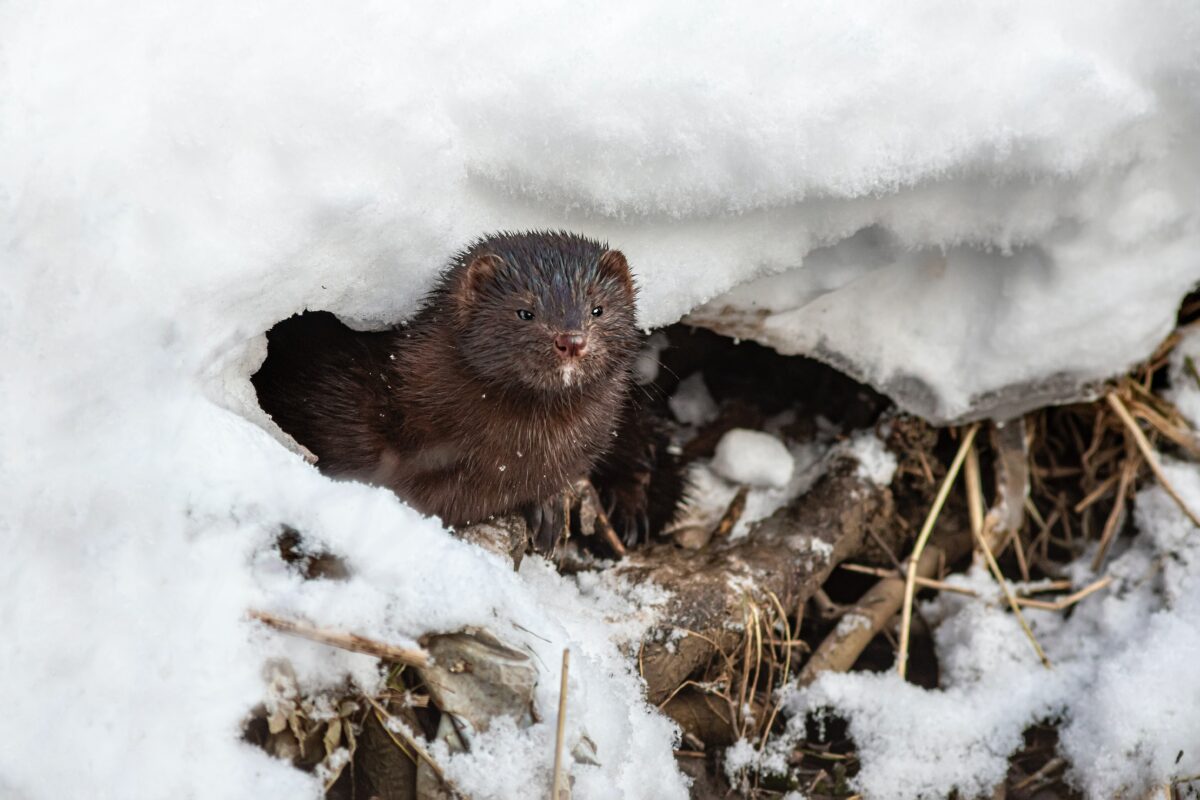
Water voles have also suffered from the introduction of invasive American Mink, from fur farms in the 1930s. Mink predate on water voles and are slim and agile enough to enter water vole burrows, sometimes wiping out entire colonies.

ROLE IN THE ECOSYSTEM
Water voles are a keystone species within the freshwater environment – meaning they create niches for other species and play a critical role in maintaining the structure of the ecosystem. In the water vole’s case, by forming their complex burrow systems in the riverbank, they alter soil properties: Physically, by increasing drainage, and biologically, by increasing the soil’s nutrient content when stashing food and leaving behind their droppings. This encourages a diversity of vegetation to grow, benefitting the whole ecological community.
CONSERVATION STATUS
Since the 1990s, water vole reintroduction programs have become increasingly popular. Urban development has isolated populations, making the natural recolonisation of our waterways impossible without our help. Where reintroduced, many other species like otters, reed warblers, and water violets have also returned, restoring a flourishing ecosystem.


WHERE CAN I SEE WATER VOLES?
If you’re trying to spot a water vole, look out for a rat-sized rodent, with dark fur and rounded facial features. However, they can be incredibly shy, so one of the best ways to see if they are living in your local wetlands, is to hunt for signs of their activity. Look out for characteristic tic-tac shaped green droppings in heaps called latrines. Grasses nibbled at 45 degree angles is another tell-tale sign of water vole activity. Finally, listen out their “plop” as they enter the water – usually because they’ve seen you long before you’ve seen them!
POEM/LITERATURE
“On either side of them, as they glided onwards, the rich meadow grass seemed that morning of a freshness and a greenness unsurpassable. Never had they noticed the roses so vivid, the willow herb so riotous, the meadow sweet so odorous and pervading. Then the murmur of the weir began to hold the air, and they felt a consciousness that they were nearing the end, whatever it might be, that surely awaited their expedition.”– Wind in the Willows
We’re calling on government to act now for our freshwater ecosystems, for nature and for our future. Head to our Not so Freshwater campaign page to learn more.