FRESHWATER SPOTLIGHT: THE WATER VIOLET

By Joshua Harris 

SPECIES DESCRIPTION

The water violet is an aquatic plant which grows mostly submerged beneath the water surface, although the stem and leaves can sometimes float horizontally on the water surface. The leaves are a pale lime green colour and are limp if they are taken out of the water. The leaves are pinnatisect, meaning that they are divided into thin segments, similar to the leaves of ferns. The plant is deciduous but perennial, with the leaves dying off in the winter and growing back the next year. They need good sunlight in order to grow, and can live in any type of soil – sandy, loamy, or clay. 

Water violet in bloom

Only the flower spike emerges above the water surface and this can reach up to 80cm, although they can be much shorter. It takes 5-10 years to reach its tallest height, and can spread horizontally a distance of 0.5 – 1 metre. The flowers are present between May to June and appear very similar to a primrose – white or pale pink with a yellow centre and 5 petals. In fact, the water violet is not related to other Violets but is rather a species of Water Primrose. The water violet is a hermaphrodite, with both male and female organs. It has pin-eyed and thrum-eyed flowers, like Primrose, and requires cross pollination between pins and thrums to set seed. The flowers are pollinated by insects such as bees and butterflies. It also spreads through vegetative growth, forming colonies which do not set seed. The plant can grow fast.

WHERE CAN I FIND WATER VIOLETS?

It was formerly widespread across the east of England and the midlands, however it is now mainly confined to the Fens, the Somerset Levels, parts of Kent, and a handful of other sites. It is the county flower of Huntingdonshire. There are a handful of records in Scotland and Wales, and it has been introduced at some sites in Ireland. Globally, it is distributed across Europe as far east as the Ural mountains, with the exception of Spain and Portugal, the southern half of Italy, the northern parts of Scandinavia, and south-east Europe. 

Because it is highly sensitive to pollution, the presence of the water violet is an indicator of a water source being clean and not polluted. The water violet is often grown in ornamental ponds. 

CAUSE OF DECLINE

As an aquatic plant, the water violet is very vulnerable to water pollution, eutrophication and algal blooms. In addition, it is also threatened by drainage and prolonged drought, vegetation clearance, boat traffic, increasing salinity (due to evaporation of water at higher temperatures), and trampling by cattle. It is able to survive temporary summer drought, but not permanent drainage. It is declining and is listed as Vulnerable on the Red Data List for England. Many colonies were lost before 1930 in England. 

ROLE IN THE ECOSYSTEM

The water violet is found in still or slow moving, shallow aquatic environments: ponds, ditches, and the slow flowing backwaters of some rivers. Its bushy leaves can create dense shelter for aquatic animals such as dragonfly nymphs, water beetles, tadpoles, snails, and fish and their larvae. The flowers provide nectar for bees and butterflies. The plant also oxygenates the water. 

water violets growing in meadow

We’re calling on government to act now for our freshwater ecosystems, for nature and for our future. Head to our Not so Freshwater campaign page to learn more.


Bibliography 

https://plantatlas.brc.ac.uk/plant/hottonia-palustris (includes map of UK distribution) 
https://www.gbif.org/species/4006551 (map of global distribution)

https://www.rhs.org.uk/plants/25646/hottonia-palustris/details

https://www.plantlife.org.uk/uk/discover-wild-plants-nature/plant-fungi-species/water-violet
UK Youth for Nature Environmental Book Club

We asked our community members to share their favourite nature and environmental books with us so we could get some top tips for summer reads, and share it for our wider audience to enjoy too! We ended up with a super diverse list of books – some fiction, some non-fiction, some new, some old – featuring a range of topics, all of which had made some kind of impact on those suggesting them, and even changed some of their behaviour patterns. Books have an amazing ability to change the world, and here’s a list of some of the ones that have changed ours:

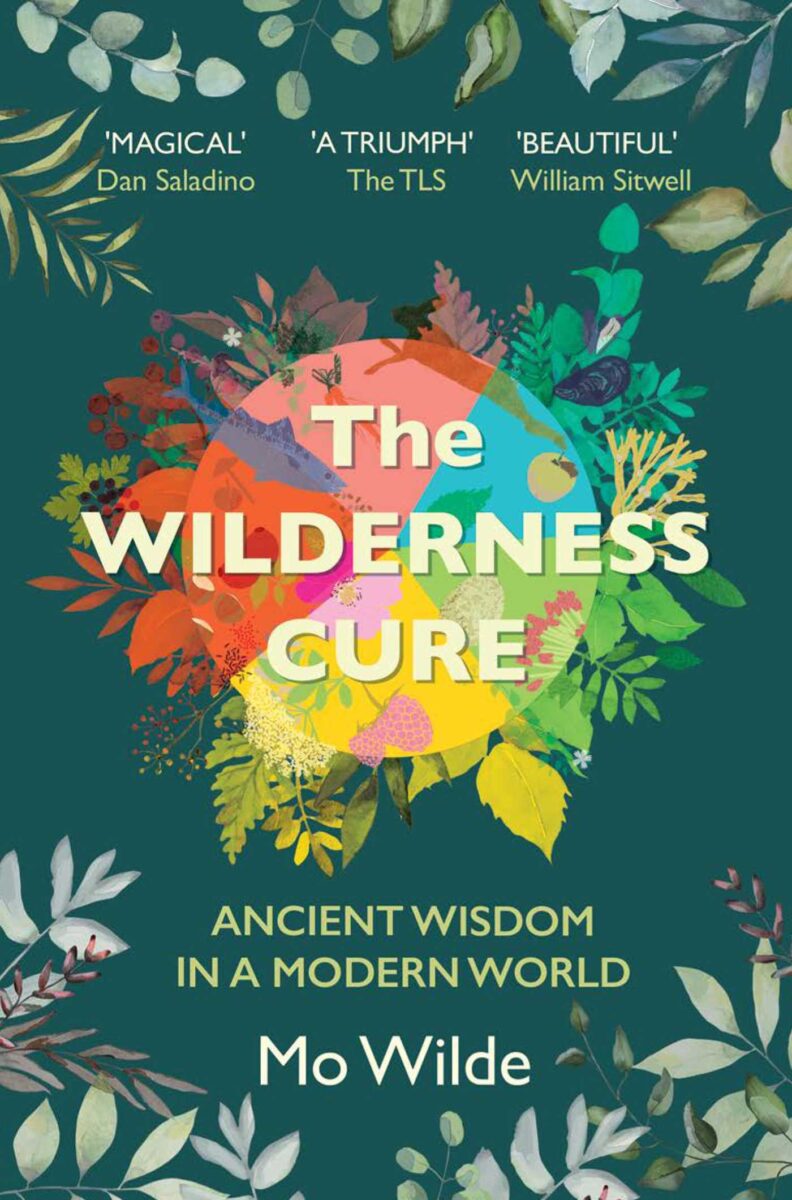
Mo Wilde – The Wilderness Cure

I’ve always been a very basic forager – nettles, dandelions, blackberries and wild garlic, and mussels with my Grandad when I was little. Having become very interested in food sovereignty, I have become fascinated with growing food and foraging, and this book took that one step further.

In this book, Mo does a ‘wild food year’ where she only eats foraged food. I’ll be honest, at times it sounds absolutely bleak, but the feeling of completing it, and how she describes feeling, would be been worth the challenging times. I felt so inspired and I know I’ll carry so much of this book with me for the rest of my life.

– Hannah


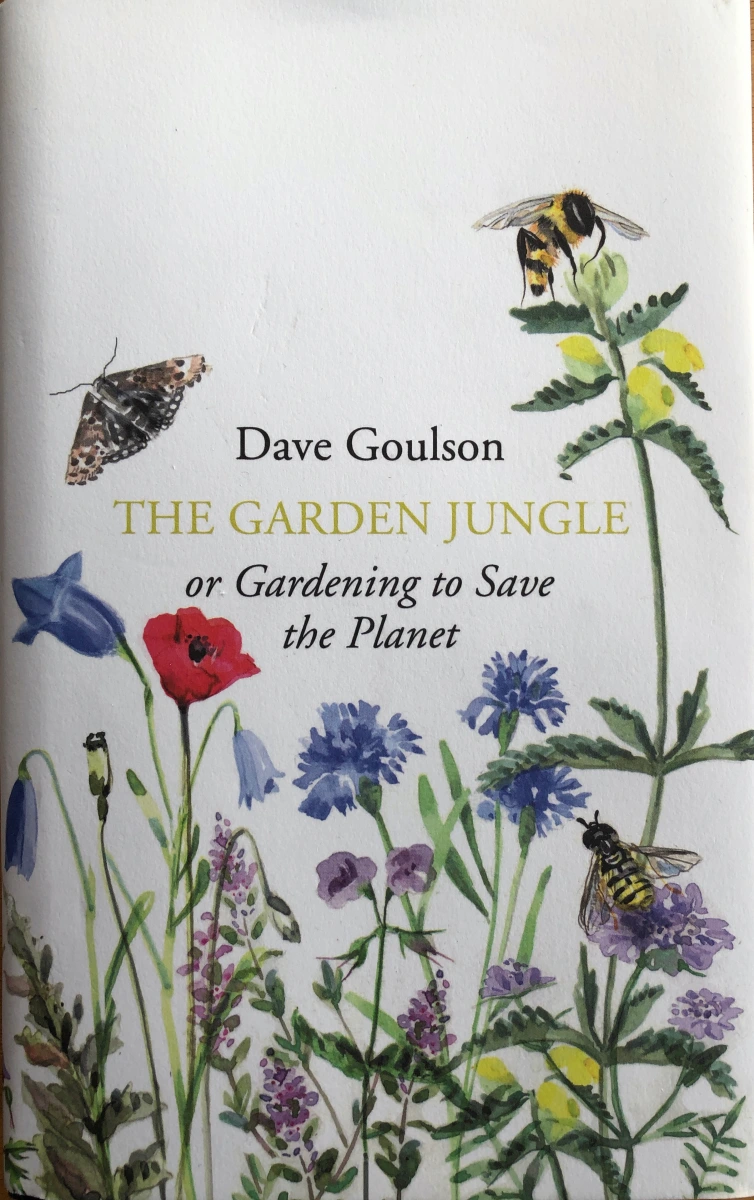
Garden Jungle – Dave Goulson

I love the way that the book brings the wildlife in your back garden to life and celebrates creatures that don’t get enough love.

Favourite fact from the book: Earwigs have two penises, if they are disturbed during sex, they can snap one off to keep fertilising the female while they make a quick getaway.

– Ellen


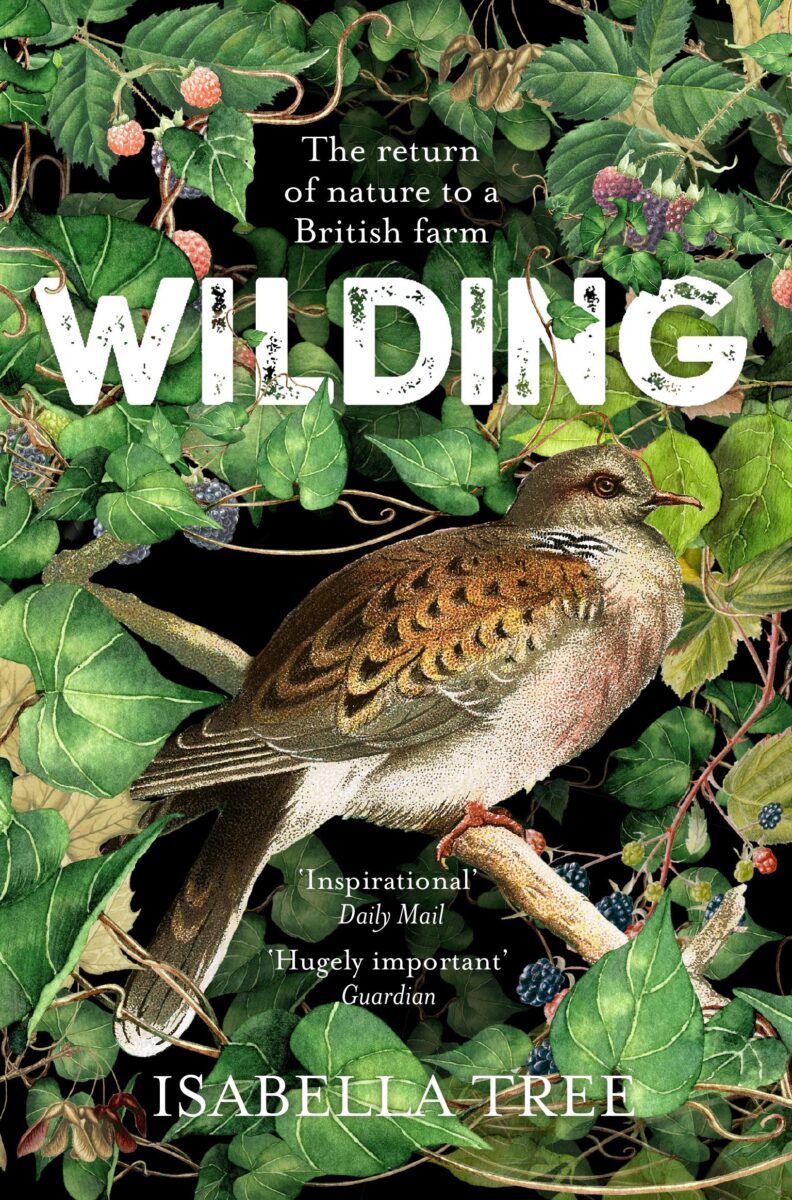
Wilding – Isabella Tree

Such a fantastic insight into Britain and it’s changing relationship to nature.

Rewilding is such a hot topic and Wilding is a great addition to the conversation.

– Lucy


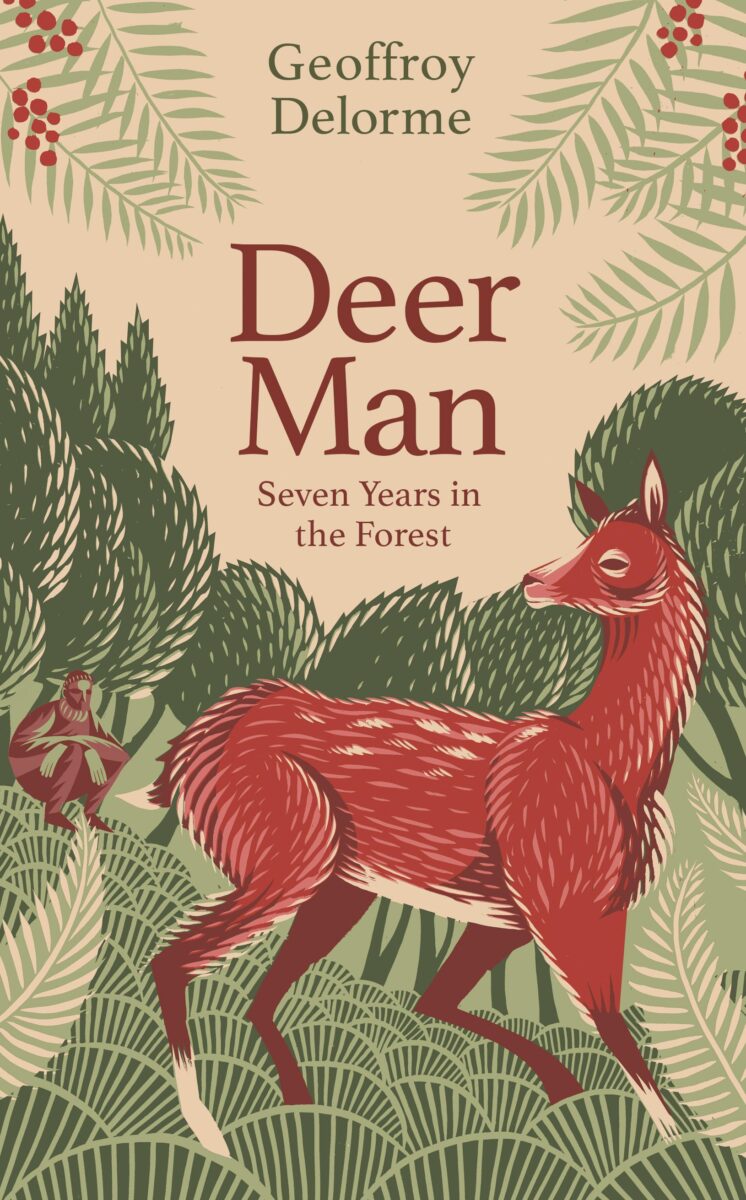
Deer Man: Seven Years in the Forest – Geoffroy Delorme

This is my absolute favourite.

It’s a non-fiction book about a man who goes to live with roe deer in the forest and it changes your perspective on the habitats and human impact we have on nature.

– Lucy


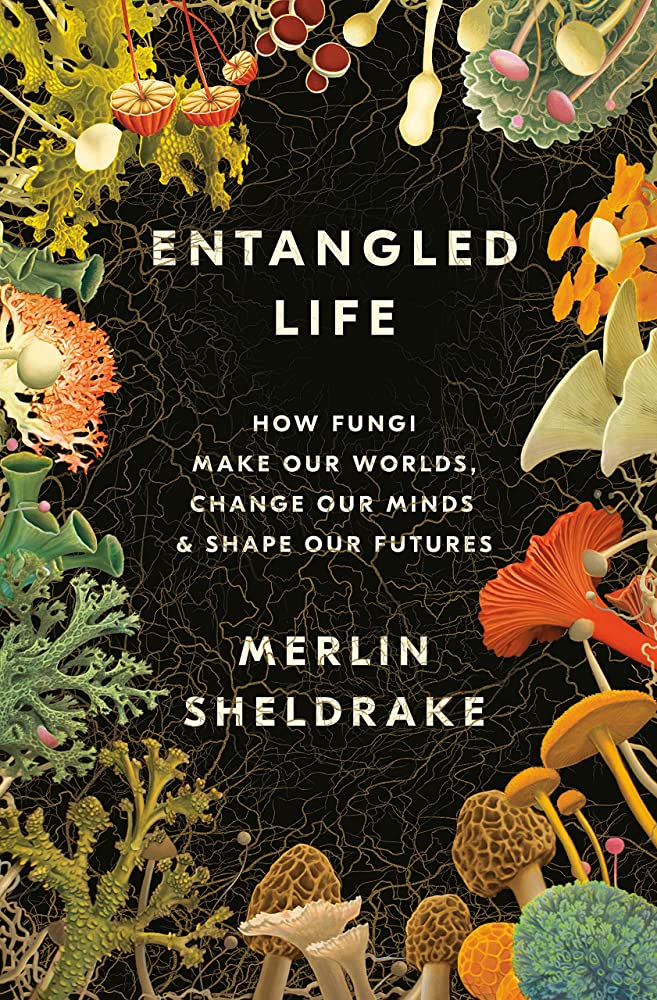
Entangled Life – Merlin Sheldrake

I already thought that mushrooms were super cool but reading this book made me realise how much we can learn from mushrooms in how they relate to eachother and other species and the expansiveness and resilience they have.

It’s one of those reads that’s science told in a way of a story or journey almost and I love that as a combo. Also very accessible if you’re not into science too. Plus there’s an adorable picture of a truffle hunting dog!!

– Glesni


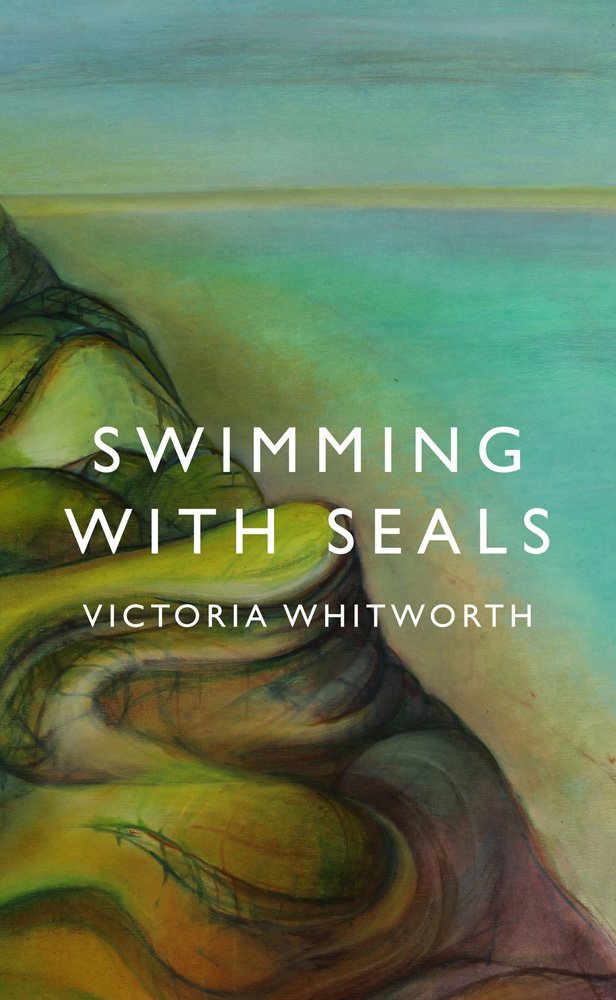
Swimming with Seals – Victoria Whitworth

I loved ‘Swimming with Seals’ by Victoria Whitworth which is about swimming in the seas around Orkney. It’s also about connection and community and how the author finds an escape in her swimming from her failing marriage.

There’s a lot of folklore and history in there as well, but most of all it makes you want to go swimming in the cold.

– Christina


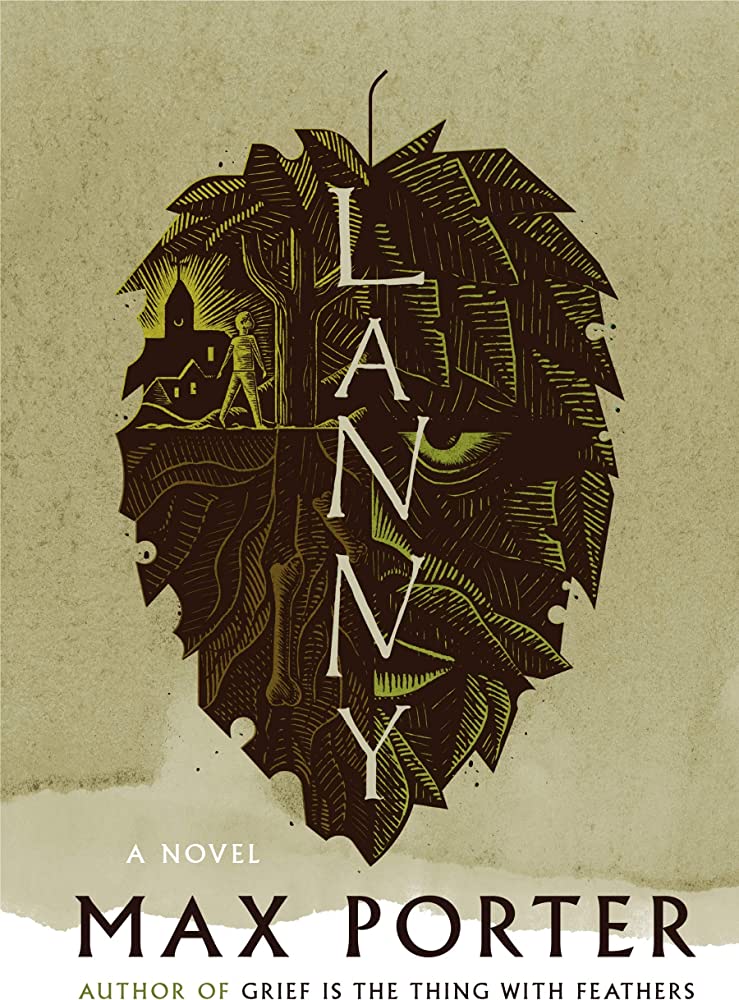
Lanny – Max Porter

Lanny by Max Porter is such a beautiful book about an English village and a lost boy, and the Greenman figure of Dead Papa Toothwort. It is a book in which the countryside feels alive and part of the story, and it makes you feel connected to the land.

I read it in a day and everyone I’ve recommended it to loves it as well.

– Christina


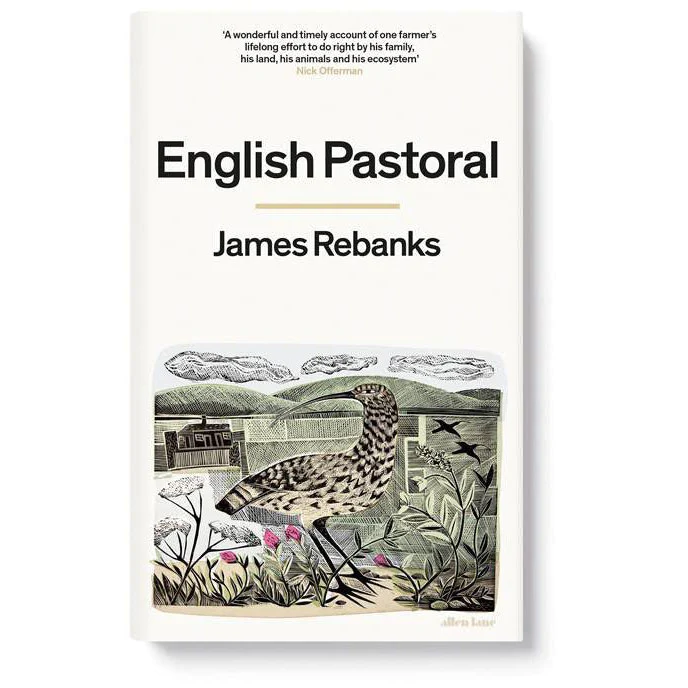
English Pastoral – James Rebanks

One of my favourites is English Pastoral by James Rebanks, a view of UK agricultural history, the role that commercial farming has played in depleting biodiversity in the UK and what can be done to reverse that.

A heartbreaking vision of all we have lost that still manages to end with hope for the future. Left me in tears! Happy and sad tears!

– Ella

Have we missed your favourite nature or environmental book off of our list? Drop us a DM on your favourite social media platform so we can add it to our must-read list!