Your Wild Streets: Reducing and phasing out of pesticide use in Bristol and beyond!

by Ione Howells

At UKY4N, we’re passionate about nature everywhere, not just in our wild spaces. As part of the Urban Nature Day in Bristol and our ‘Your Wild Streets’ campaign, we’re working with Pesticide Action Network UK (PAN UK) and the Pesticide Safe Bristol Alliance (PSBA) to call for a reduction and phase out of pesticide use in Bristol and other urban spaces.

Earlier this year, UKY4N attended the launch of the Pesticide Collaboration’s brand new campaign for reducing pesticide use in urban spaces through a new government bill that would commit councils to a phase-out of pesticides in our urban areas – our streets, parks, playgrounds, and other green spaces. But change on a local level can have a huge impact too.

Why is this important?

Pesticides can take many forms – herbicides, insecticides, fungicides – but are increasingly being associated with ill health. Pesticide use in urban areas makes up ~10% of the UK’s total usage, but is the second most common route of exposure (after food). That’s important – many pesticides harm our health, causing irritation and illness, or are ‘possible carcinogens’. We also don’t know what impact these can have long-term, or in combination with each other.
Of course, there’s a huge harm to nature too! Urban insects and wildflowers – and those above them in the food chain, like hedgehogs – are killed or significantly harmed by pesticide use, and runoff from spraying can pollute our waterways and harm aquatic life too. We care about nature and want to integrate it into our cities, and we know that this can have huge benefits to our mental and physical health.

By reducing pesticide use and using alternative methods, we can create wilder streets that benefit plants, non-human animals and us in so many ways, and help us reach the climate and nature goals we need to save our planet.

What’s this got to do with Bristol?

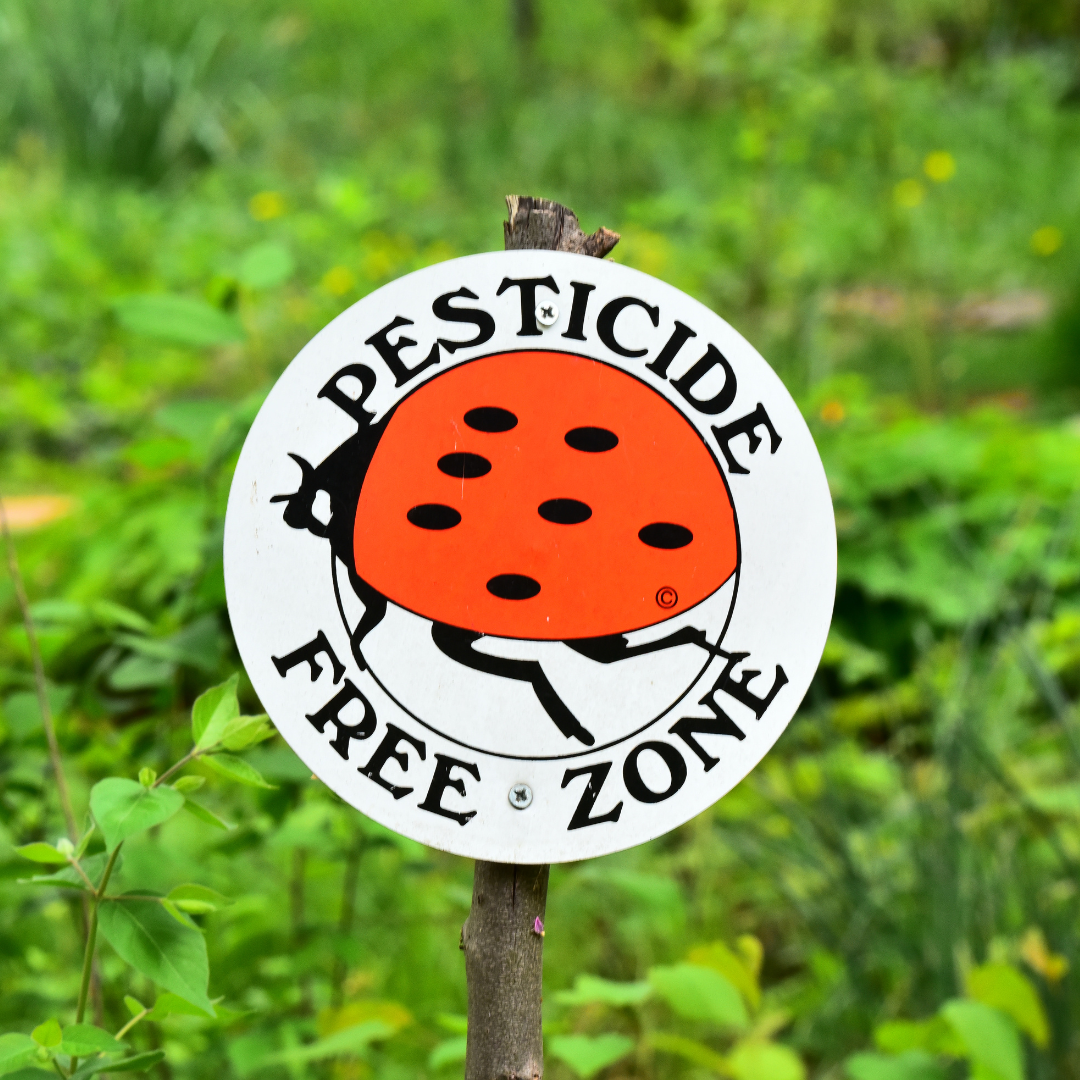
Bristol was named the most eco-friendly city in England this year – but pesticides are still used across the city. In Bristol, local organisation PSBA have been working for almost 10 years and have received a number of concessions from the council, including a pledge to reduce glyphosate use by 50% by 2030 and an establishment of local ‘Pesticide-Free Zones’. However, there’s not been very much real movement – only an 18% reduction. The Bristol One City climate plan calls for ‘sustainable restoration and enhancement of wildlife population and habitats in Bristol’ by 2030 – phasing out pesticides could be a great first step in helping our urban wildlife.

Pesticide Action Network have also been working across the UK – 49 towns are ‘Pesticide Free Towns’ (PFT), including local towns Glastonbury, Trowbridge, Warminster, and Frome. Bath is also linked to PFT, having banned the use of glyphosate. These local steps show that pesticide reduction or phase out can be successful in Bristol!

What are the next steps?

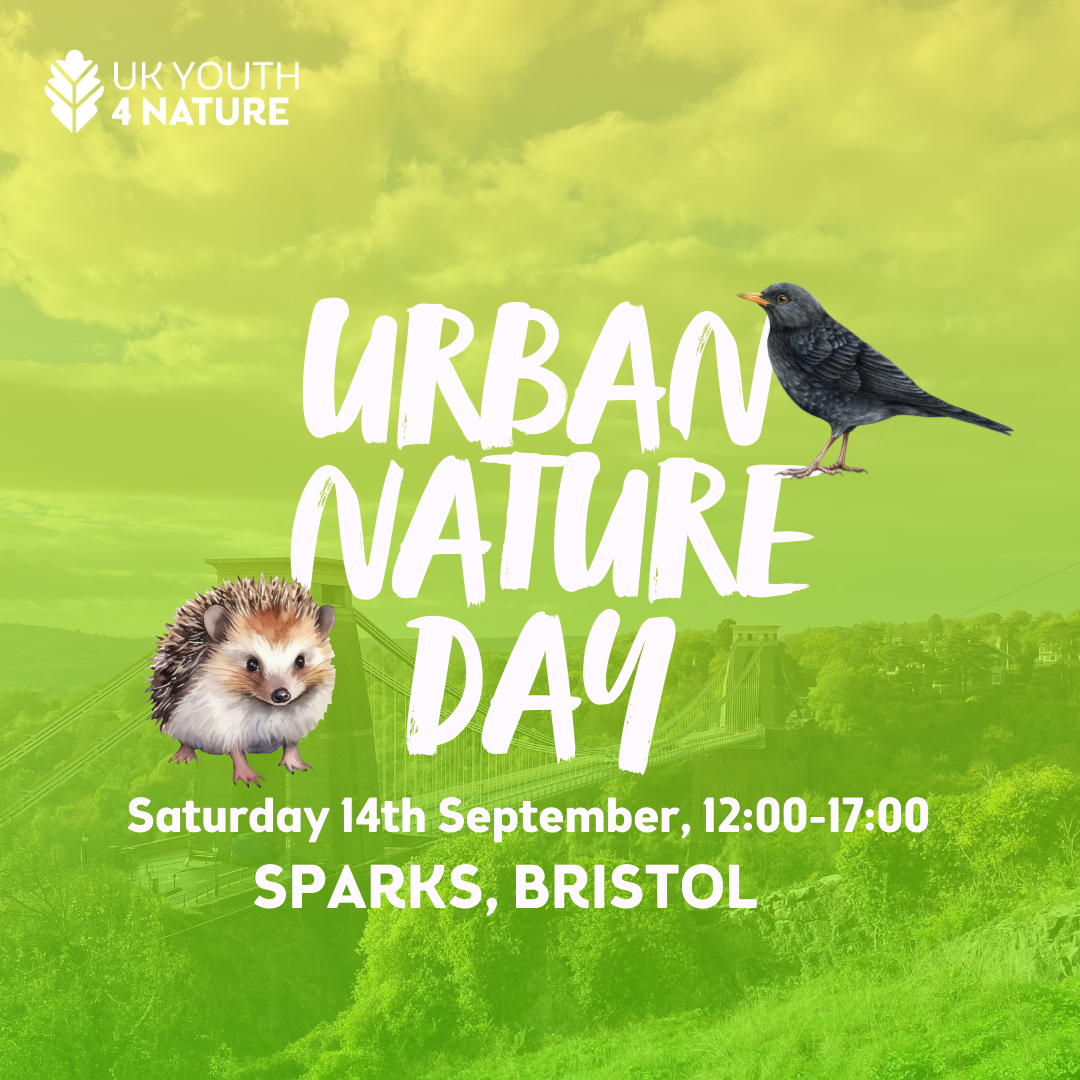
During our Urban Nature Day on 14th September, we’re hoping to invite a number of key local decision makers, to show them that young people care about urban nature and their health, and want harmful pesticides used less in their towns.
 Alongside encouraging letters to local MPs and councillors, we (as always!) want to integrate a creative aspect too. As well as creating a pesticide-free ‘streetscape’ on the day, we want to link this to the wider Your Wild Streets campaign – encouraging young people to go explore and capture the nature around them, whether that be through photography, writing, painting… the possibilities are endless!

If you do go exploring, share your photos with us on Instagram @UKYouth4Nature – we’d love to see them!

Stay up to date with everything we’re working on by subscribing to our newsletter!
Learn more about our campaigns here

Community member spotlight – Kirsty Lloyd (they/she)

Who are you?

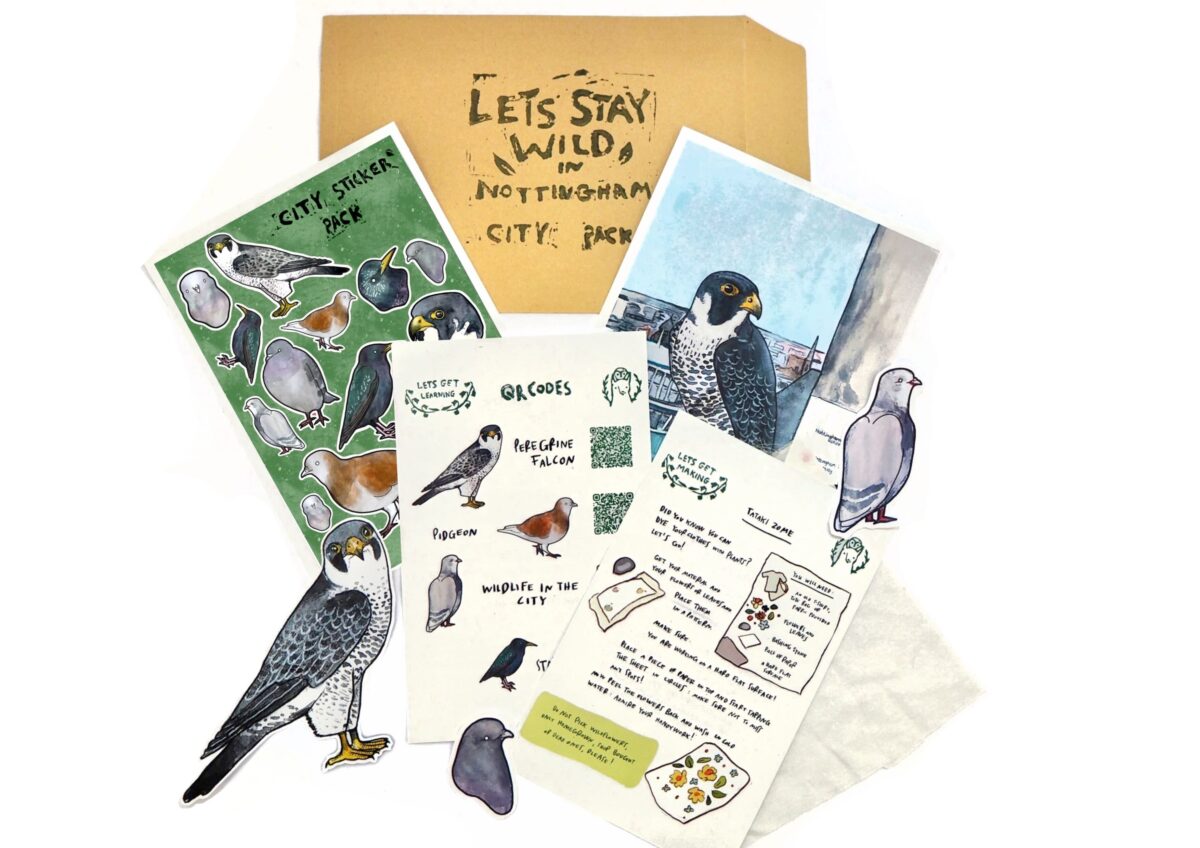
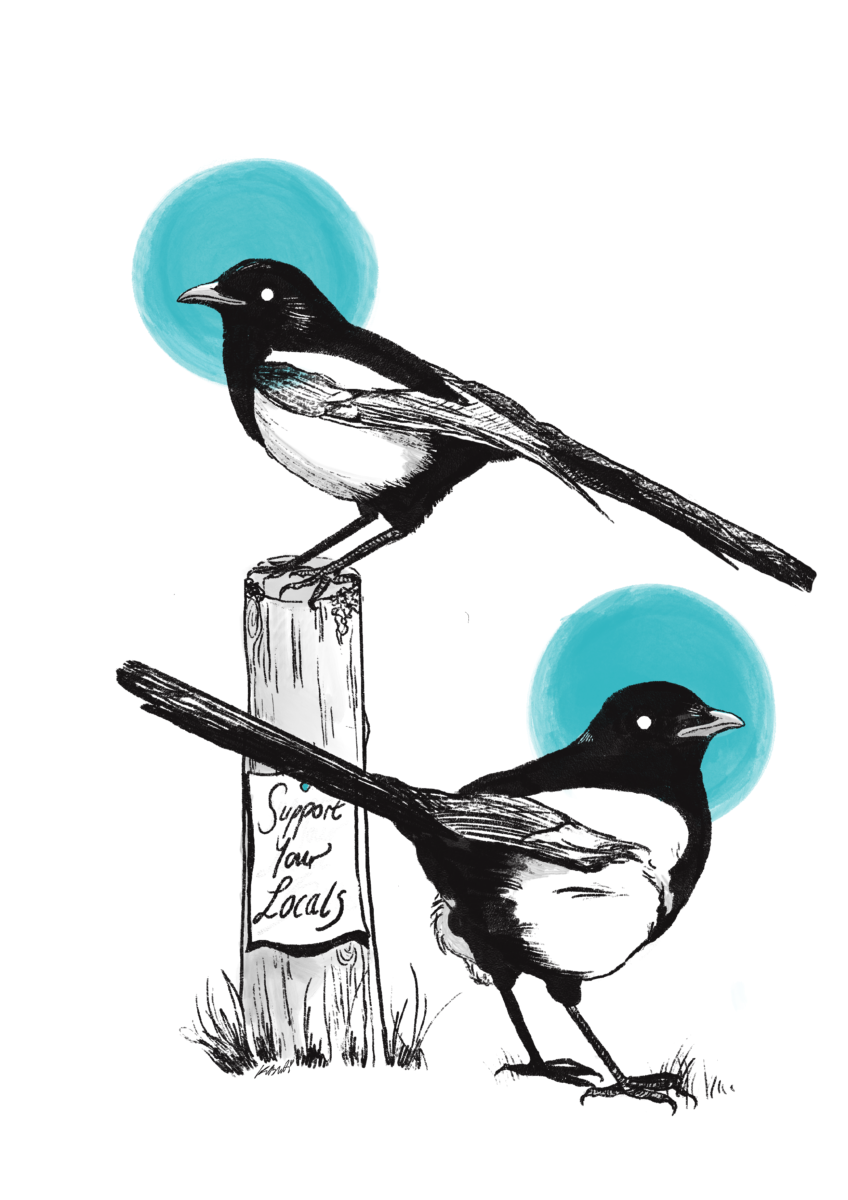
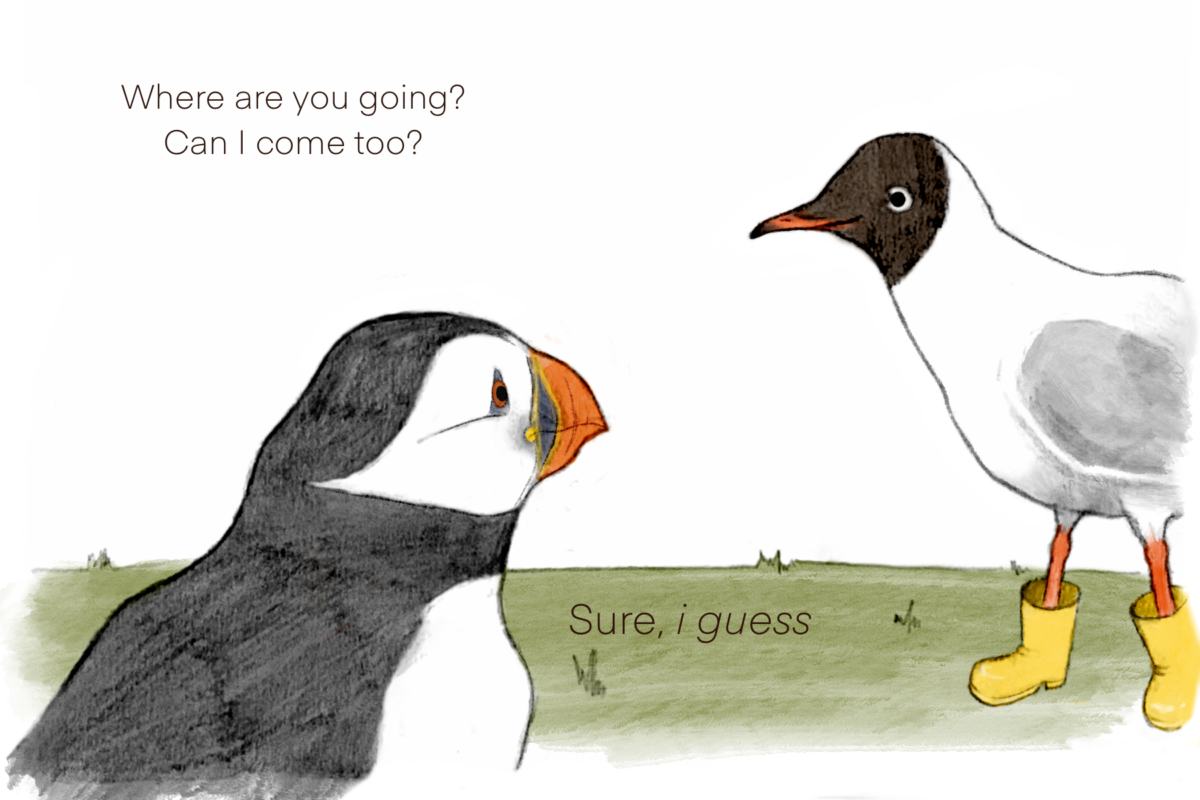
I’ll try to sum myself up as best I can! You might find me most places under the name Merløreli. I’m an illustrator/ creator currently based in Newark, Nottinghamshire. My work is centered around UK wildlife species whether that be drawing, painting or making clay creatures for my Etsy store or markets I appear at. I sometimes will run fun illustration workshops, the last one I did was on Fungi! Generally, if you get talking to me about anything nature related I probably won’t stop, but hopefully my enthusiasm infects you and you go away with a new fact or take something I’ve said as interesting.

What got you started on your creative nature journey ?

It didn’t feel like there was much of an emphasis on nature where I grew up – a tiny village in the West Midlands. My parents tried to take us into green spaces as much as they could, as they got busier with work and as we became older, this became less. But, during the holidays, we would make our great escape. Dad would take most of his holiday time and book a campsite which we’d toddle along in our trailer tent. Northumberland was a highlight whenever we visited but we’d always end up travelling back to North Norfolk, where the nature obsession started. I was always collecting rocks, shells, feathers from everywhere and drawing or reading when we had down time.

I don’t remember much as a child, mainly those holidays. I remember being woken up by my parents at 5am to go see a bird migration (don’t ask me which one) and being really excited but tired, my brother (not as impressed) shouting “but, WHY?!”. I loved, and still do, the array of habitats along that coastline. I remember watching one of Britain’s rarest and most beautiful butterflies along the reed beds of the Norfolk Broads – the swallowtail – that changed everything. These exquisite insects have been declining for decades, a terrifying 52% since 1970. Going back a few years later and seeing this decline in person affected me so much and still does to this day.

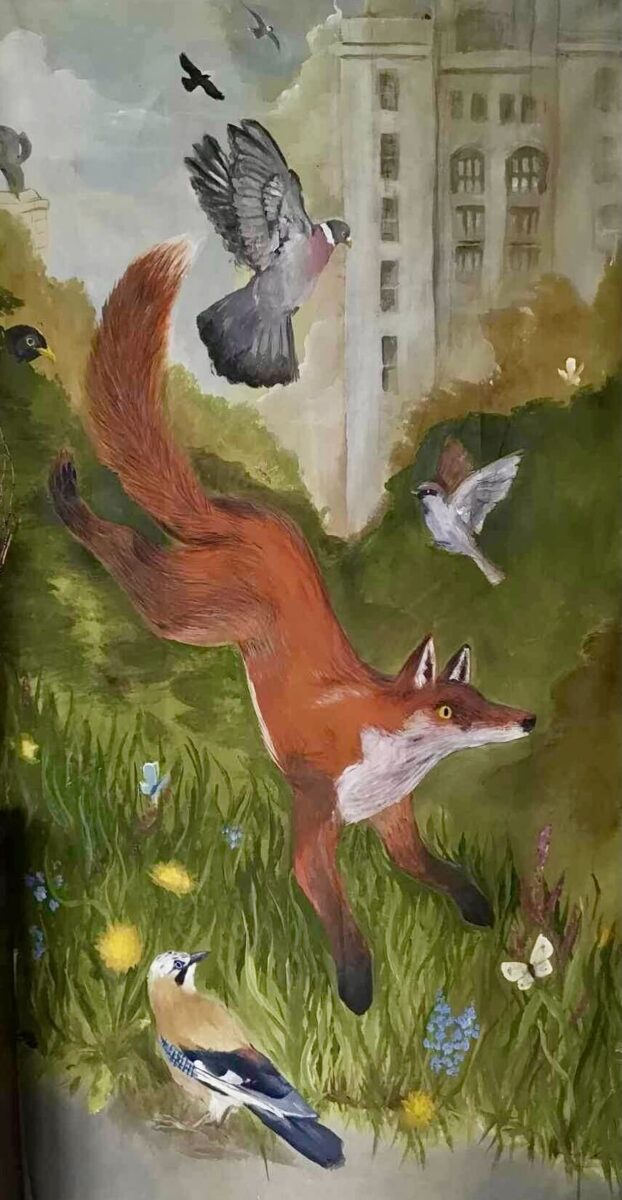
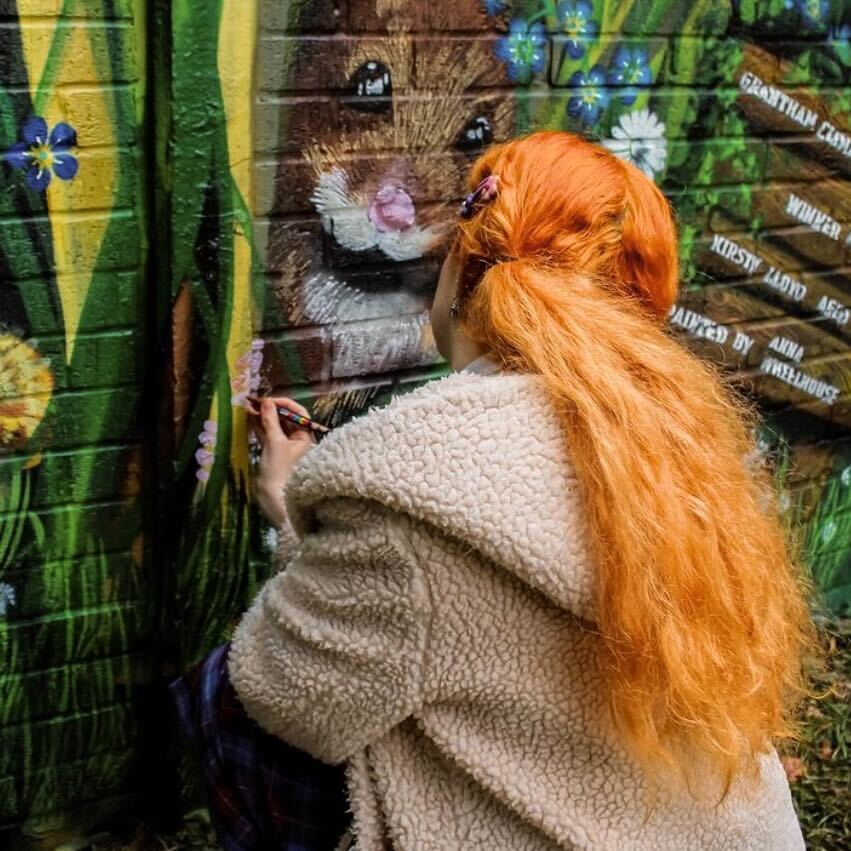
I’d always been scared to move away from home but at 21, I took a leap and went off to Nottingham Uni to do illustration, I wasn’t completely alone though which made it easier for me and was lucky to get a rented house with my partner, Ryan who had been studying the previous year at Trent. The original plan was to do character design but my growing eco-anxiety was pushing me into a different direction, a more nature-focused one. At the worst point my anxiety was debilitating, I remember being in bed spiralling for weeks. Ryan took me out to Wollaton to be out in nature, when I saw a poster to have an opportunity to design a mural at Wollaton Hall for Cop 26. I got picked and spent days with Anna putting it on the side of the 508 cafe in Wollaton grounds. That seems so long ago now…..

What got you involved in UKY4N?

It was that mural that linked me up with UK Youth for Nature, through their Natural Kingdom: Wild Walls campaign as I saw it displayed on the Octopus website. What followed was nearly a year of lurking. I loved seeing UKY4N’s social media posts and I thought the team looked AMAZING, but I was too nervous to reach out, I just didn’t feel qualified enough. Eventually I plucked up the courage to send an email about volunteering and after Ryan had checked it over for me, I sent it. Ellen got in touch straight away and we had a really lovely talk over Zoom about what it is like being part of the team. I signed up that day and have never looked back.

Since signing up I’ve done as much as I can to creatively support UKY4N’s campaigns, illustrating the recipe cards for the chemical cocktail bar last year, creating banners and wildlife stickers for our Liverpool Urban Nature Day. I’m an active member of our EDI action group and am currently working on a series of butterfly illustrations to show our support for the LQBTQIA community. I’ve even had the chance to use some of those character design skills to create some halloween social media content.

Why is EDI so important to you ?

Equality, diversity and inclusion in nature is an absolutely huge part in what I do. I am someone who is both disabled and a carer for another disabled person. There are so many issues that arise in this sector and the exclusion you can feel sometimes is overwhelming. Many times I don’t disclose that I walk with a stick because of the fear of refusal. I volunteer a lot because there is less judgement when you are not paid which is insane!

Growing up in a working class family you understand how much time goes into work and less into nature (why I always wanted a nature based job). It is so important to be able to get people involved even if they don’t have access to large green spaces or gardens. Getting people to notice things like the weeds on their walk to work, or the pigeons in the city, to the spiders that come into their warm houses in the winter is a first step into a nature filled world. Everyone should be able to access the information and get their interest started in nature at any age/ stage of life. Nature is meant for everyone it doesn’t judge, I have always called it my safe space and so many others do too! This is why it needs to be accessible for all.

How has being part of UKY4N changed you?

UK Youth for Nature has given me so much confidence, everyone is so supportive and I’ve definitely made friends for life. I’ve never been very good at face-to-face interactions, attending the urban nature day last year really helped my confidence. I’d always felt a bit like an outsider growing up, I couldn’t find people like me but UKY4N is full of people just like me, huge nature nerds. I feel really at home.

I never stop talking about UKY4N or the team telling everyone who asks probably way too much but I just get too excited talking about it. I couldn’t be prouder to be part of this amazing group. I’d encourage everyone to get involved! I would love our team to grow and include more people. I wish I had joined sooner!

Head to Kirsty’s website to see more of their amazing artwork – lots of it is for sale too!

Check out our blog to learn more about other UK Youth for Nature community members, and what we’ve all been getting up to!

UK freshwater news update – the good, the bad and the slurry

Watershed Pollution Map

Wondering what’s in your water? Now you can find out using the Watershed Pollution Map.

WATERSHED provides independent, not-for-profit, investigative journalism that shines a light on the water crisis in its many forms. Using in-depth, rigorous and evidence-based stories, they hold the powerful to account, uncover abuses, illuminate overlooked stories, and champion solutions.

Their newly released Map brings together multiple layers of data from a wide range of sources to reveal the huge number of pressures on rivers, lakes, groundwater and seas. The map contains more than 120 datasets, ranging from river health, bathing water health, to historic landfill sites, sewage dumping, intensive farming, heavy industry and a lot more. 

Access the map here to investigate the biggest pressures affecting your local area.

Earthwatch Bioblitz

Earthwatch Europe has just published the results of their “Great UK WaterBlitz”. Run as a biannual campaign, the Blitz calls on everyone to go out and test the quality of their local freshwater including rivers, streams and lakes to help build a national picture of water quality across the UK. Their most recent blitz saw thousands of people across the UK measuring their local water quality over a weekend in June, collecting over 1,300 datasets and qualifying as the UK’s largest citizen science water quality testing event. Their new report revealed:  

– 75% of rivers across the UK in poor ecological health, rising to over 89% in the Thames and Anglia regions

– Solway Tweed area in the northwest showed the best health with only 50% of data showing unacceptable levels of nutrient pollution

– Hertfordshire and Cambridgeshire had the worst water quality, whereas Gwent and Northumberland had the least nutrient pollution

Their next Blitz is due to take place in September, and you can sign up here.

The Rivers Trust Big River Watch

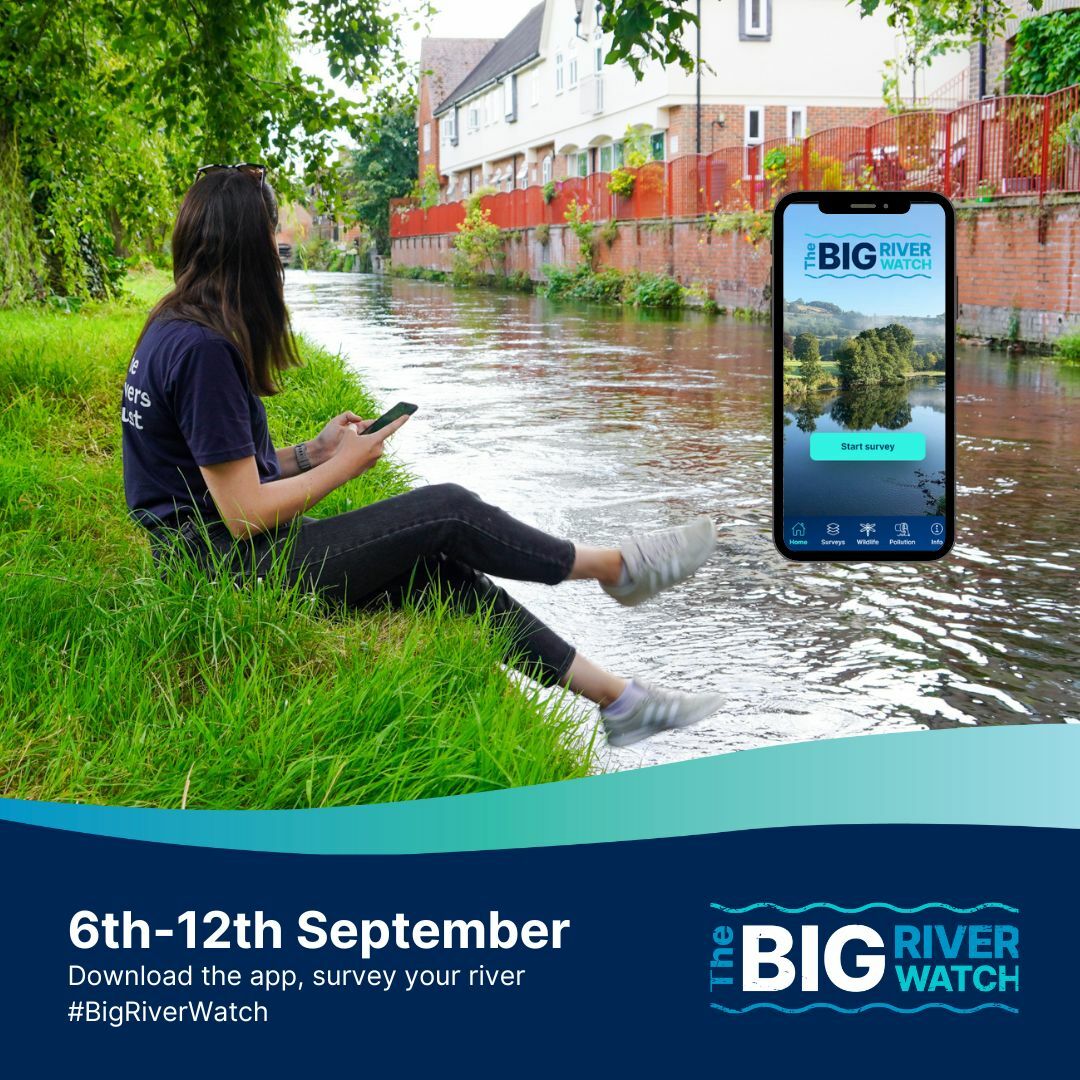
From 6th-12th September there’s another citizen science project you can get involved with – the Big River Watch. All you need is a smartphone and a waterway. You simply download the app and use it to make your observations, then submit them to help the Rivers Trust build a better picture of river health throughout the UK.

Forever Pesticides: PFAS contaminating our environment

A recently paper published explores the extent of PFAS contamination of pesticide products and their implications for human and environmental health in the US. The study found that PFAS chemicals are widely added to pesticides in increasing doses. This is increasing the health threat to humans and our environment through spreading these chemicals directly into the US’s food and water supply.  PFAS are added to a range of pesticides, including those on crops, to kill mosquitoes, or to kill fleas on our pets. 

To find out more you can take a look at the research here.

Water this, water that…

Why are we always banging on about freshwater? Because of our Not so Freshwater campaign! With news from the Environment Agency that our target date for cleaning up England’s waterways will be moved from 2027 to 2063, UK Youth for Nature are calling on government to act now for our freshwater ecosystems, for nature and for our future. If you’re concerned about PFAS or general river health, you can use the template on our campaign page to write to your new MP.