Community member spotlight – Emily Napier

Who are you?  

Hi, I am Emily and I am a recent graduate from the University of Warwick where I studied Liberal Arts. I am currently working as a Project Co-ordinator for an environmental charity called Earthwatch Europe. I am super passionate about the natural world but also how climate change is impacting people both locally and globally.  

I love trying new activities, learning new languages and cooking new dishes even if they sometimes take me a really long time 🙂  

You’ve specialised in ‘ecological justice’ – can you explain what this term means to you and what justice would look like on our planet?  

Yes, so my Liberal Arts degree allowed me to specialise in a topic or two of my choice and I picked Ecological Justice and Sustainable Development, as a lot of the modules I studied intertwined with these two themes. I studied modules such as the Sociology of Green Transformation and Gender in Sustainable Development.  

Ecological justice can mean various different things, especially in literature, but for me, it means making sure that social justice is emphasised when discussing the climate crisis. It is also important to uplift and listen to communities in the Global South, who are not only often the most impacted by the climate crisis but also possess valuable knowledge that is frequently overlooked. Ecological justice also invites us to question the fundamental structures that exist in our society and how we can work together to enact meaningful change.  

You’ve done quite a bit of volunteer work in your time – can you share some information about this and what some of your highlights have been?  

Over the last few years, l have tried to do as many new things as possible, not only so I could learn new skills and put them on my CV but also so I could grow as a person.  

I volunteered at a Women’s International Day event a few years ago, where I helped to organise workshops and run activities and I met so many amazing people. I’ve also volunteered at a local vet, assisting with animal care and administrative duties. It was not only good to see how these kinds of places were run, but I also got to see cute puppies and kittens regularly.  

During University I also volunteered with a non-profit organisation that worked on encouraging more people to get solar panels across the midlands. This is where I was able to work on my researching skills which are still very useful to this day.  

Volunteering meant I put myself out there and met new people who worked in so many different industries. All these experiences was one of the reasons why I decided to join UKY4N.  It is a wonderful feeling to be part of a community that I not only have so much to learn from but also share my values and passion to enact positive change.  

This is a photo from a recent in-person meet-up with UKY4N where I met a group for the first time. It was so lovely.

Describe your perfect Sunday  

A perfect Sunday would be very dependent on how busy my week has been.  But if I had to pick, I’d say it begins with a relaxing morning – sleeping in, followed by a couple of hours lost in the pages of a good book. As a lover of food, I would then go out for brunch either alone or with some friends and family. If the weather is good, which is very hard to predict at the moment, I might go on a walk in the countryside. I am lucky enough to be near nature and being outside is super relaxing for me. I also enjoy writing so I might bring my journal along with me. In the afternoon I would bake a cake, whilst listening to some upbeat music. For the rest of the day, I would put on of my favourite series or film. 

I recently went to the Eden Project and it was amazing to see all the different plants and flowers. 

You can only listen to one genre of music for the rest of your life. What would it be?  

This is a really difficult question but currently, it would be indie rock or pop as a lot of my current favourite artists fall within those categories and I have enjoyed going to small and local gigs recently.  

Take parts of three different wild animals to make your dream pet

 I think I would pick a butterfly as they are so beautiful. And then I would pick a quokka as they have super smiley faces and then I would pick a wild cat of some sort. I’m not sure what the dream pet would look like, but I wanted to pick some of my favourite animals and some that make me smile 🙂

Would you like to join our community of nature loving 16-35 year olds who are on a mission to save the UK’s nature? Find out more here.
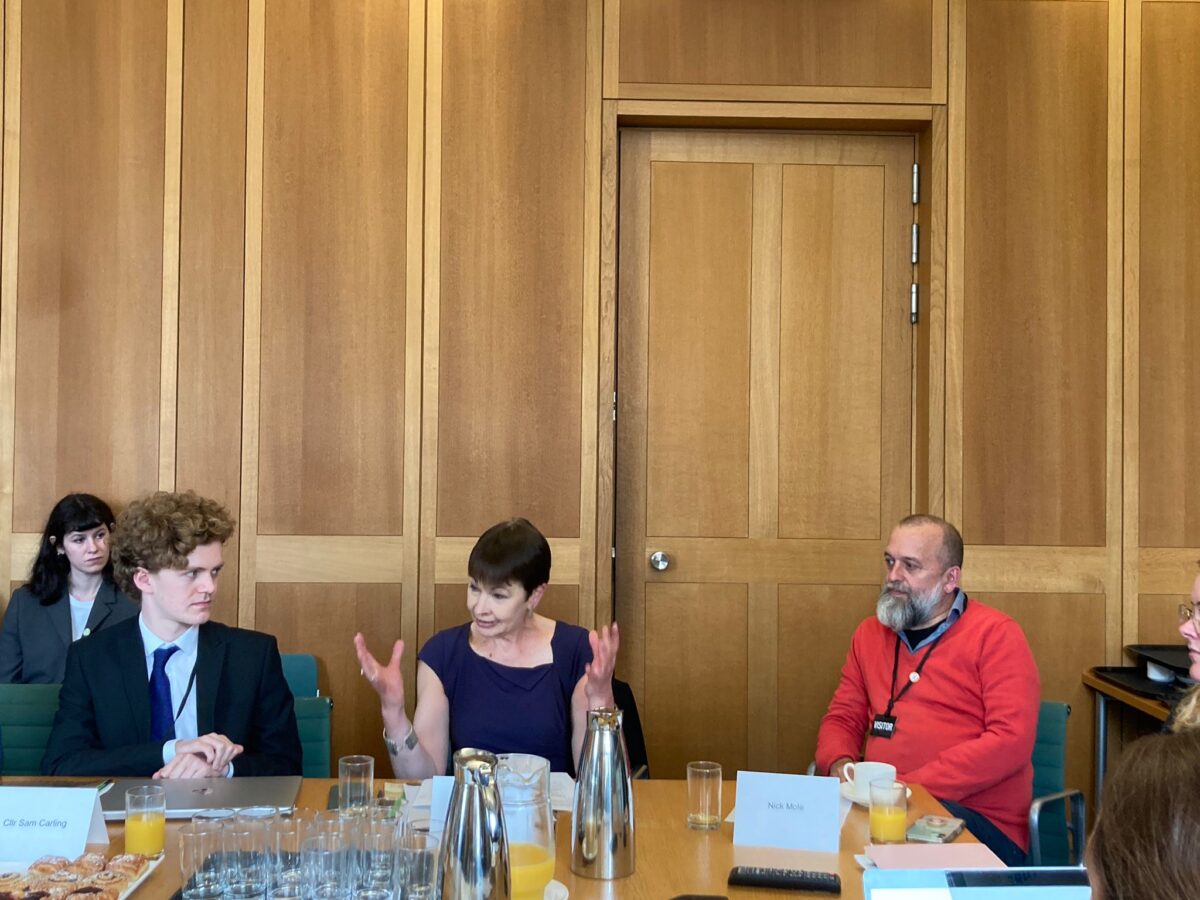
Taking Action On Urban Pesticide Use – A Visit To Portcullis House

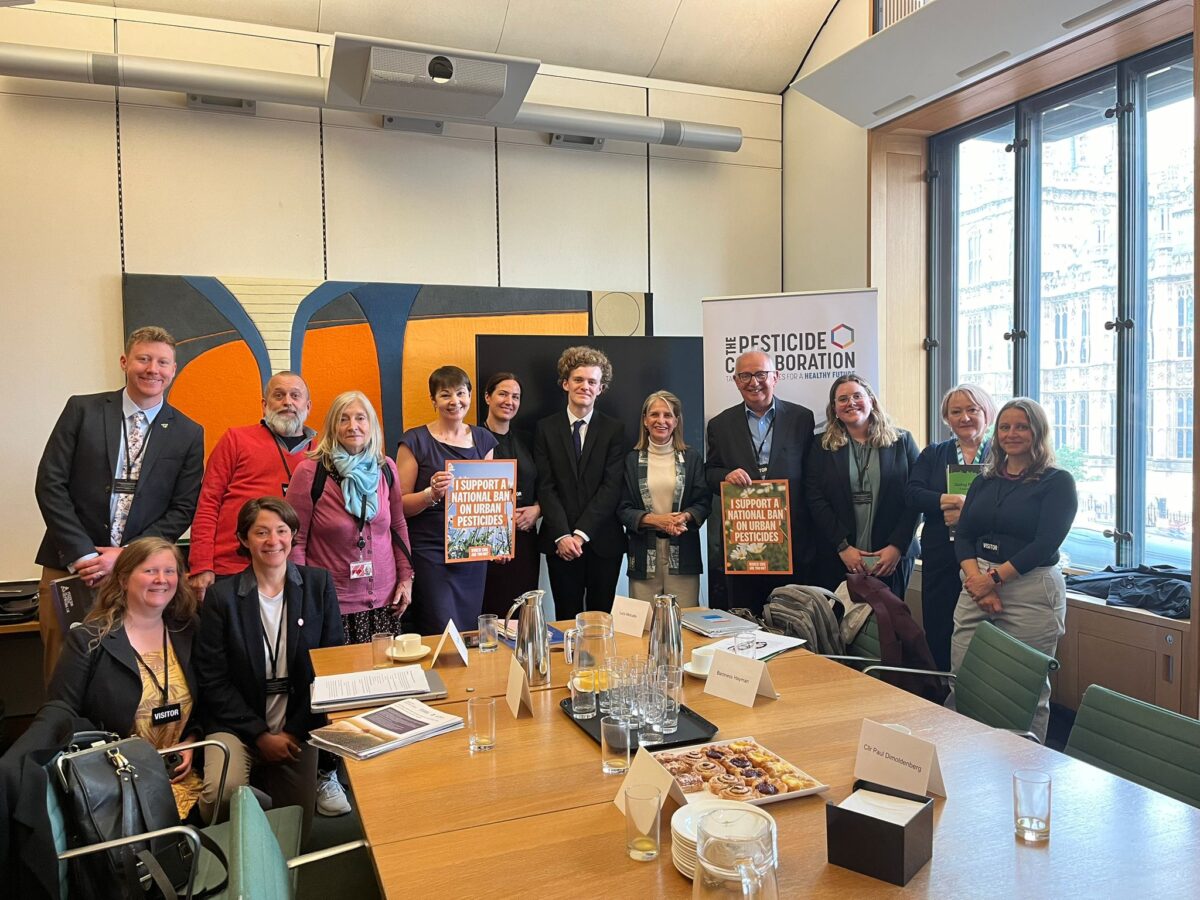
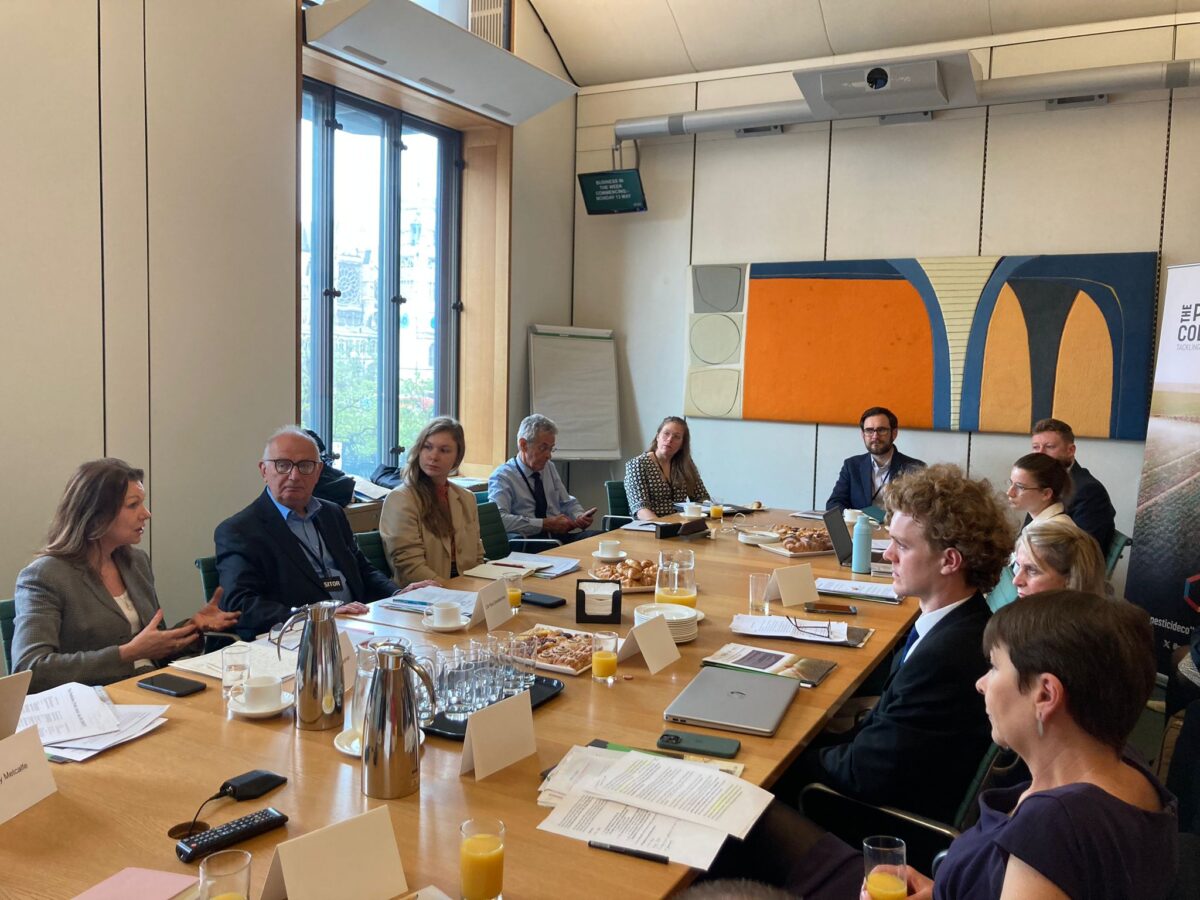
On 14th May, UKY4N went to Portcullis House to hear from the Pesticide Collaboration on their newest campaign: a draft bill aiming to ban pesticide use in public spaces. Read on to find out why we were there, what happened, and what you can do to help!

By Ione Howells

Pesticides: What’s the problem?

Pesticides and herbicides not only harm wildlife, but can harm our health as well. In March 2015, the WHO recognised glyphosate, a popular pesticide often sold as ‘RoundUp’, a ‘probable carcinogen’. Meanwhile, the UK’s commitment to the COP15 Kunming-Montreal Global Biodiversity Framework means they are also committed to ‘reducing the overall risk from pesticides and highly hazardous chemicals by at least half’.

Pesticide use in urban areas makes up 10% of the UK’s total usage, but we are exposed to them far more frequently as we go about our daily lives. Most of the pesticide use is for cosmetic reasons – if we learn to embrace our urban flora and fauna a little more, we could easily make our streets healthier for us and nature.

The Pesticide Collaboration Event

The PC event was a small one – maybe 20 of us in a small meeting room in the depths of Portcullis House. Once settled with coffee and pastries, Nick Mole from Pesticide Action Network (PAN) opened the meeting with an overview of PAN’s work and the impact of pesticides in our community before introducing the Bill.

The Pesticides Bill hopes to ban the use of pesticides in towns and public spaces, phasing out ‘plant protection products’ – professional pesticides and herbicides – on ‘amenity’ land owned by public authorities. Over 100 local authorities have already voluntarily reduced or phased out pesticides, and France has already enacted a similar ban.

Wera Hobhouse MP and Caroline Lucas MP spoke next, discussing their support for the bill and how it impacts their constituencies. In Bath, glyphosate is already banned, while in Brighton, a pesticide ban has recently been overturned. Despite this setback, both MPs and PAN remain confident that banning toxic pesticides and herbicides in our public spaces is a positive step forward for both us and nature. Baroness Hayman of Ullock, a Labour peer, also discussed the importance of the environment and how we can positively move forward.

“In Westminster, ‘No Mow May’ is beaten in policy popularity only by the introduction of free school meals.”

Cllrs Sam Carling and Paul Dimoldenberg, from Cambridge City and Westminster Councils respectively, then offered their learnings from several years ‘on the ground’, trying to reduce pesticide use in their areas.
Community involvement is key to successful pesticide reduction. By creating a connection with local nature, residents can see the benefits of the change and be involved in future decision-making. Nature-friendly policy is so popular that in Westminster, ‘No Mow May’ is beaten in popularity only by the introduction of free school meals for all children.

After hearing about the introduction of pesticide bans around the country, the event closed with a talk from Lucy Metcalfe, an environmental lawyer from ClientEarth, a law nonprofit working to tackle the climate and nature crises.

Finally, the floor opened, and the discussion turned to the technicalities of the bill. Balance is also key – the proposed bill does not affect individuals and pesticides would remain legal to deal with ‘risks to public health, public safety or public infrastructure or to present a risk to the environment caused by the spread of invasive species or other harmful organisms’.

PAN UK and the other sponsors highlighted the importance of alternative technology to ensure pavements and parks remain clear and accessible to everyone, and that species such as Japanese knotweed or giant hogweed can’t take over.

What happens next?

If you would like to get involved and support the campaign – brilliant! The best place to start is by contacting your local MP and council to ask them to phase out pesticides and show your support. You can also ask your MP to sign Caroline Lucas’ ‘Early Day Motion’ on pesticides to show their support – you can use PAN’s website to send a template letter easily just by providing a postcode. You can also help by campaigning for more nature in cities – watch this space with UKY4N!

Subscribe to our newsletter to ensure you never miss a UK Youth for Nature update, youth nature events throughout the UK, job and training opportunities, and lots more!

If you’re a young person aged 18-35 wanting to join a community of likeminded nature lovers who are fighting for the UK’s wildlife and wild spaces, click here!

The Ripple Effect: How Ponds Enhance Biodiversity Across Landscapes

by Francesca Read-Cutting

A quick history of ponds

If you travelled back to the mid-twentieth century, ponds would have been familiar part of the landscape, with an approximate 800,000 ponds sprawled across the U.K. and 4 or 5 ponds regularly being found in a single field. Dating back to Medieval times, these bodies of water were once vital water sources for both humans and biodiversity and could be found in every village and town. Additionally, they played a crucial role in transportation, acting as watering holes for weary travelers and their horses.

However, despite their historical significance, the number of ponds in England has drastically declined over the years. This decline can be attributed to various factors, including urbanisation, agricultural intensification, land drainage for development and technological advancements allowing water to become available on tap.

As a result, the U.K. has lost more than 50% of its natural ponds, disrupting ecosystems and diminishing biodiversity.

Why does this matter?

Ponds are incredible hotspots for biodiversity, collectively supporting more species than any other freshwater habitat. In fact, ponds support a staggering 2/3 of all freshwater species, and many species are unique to these habitats. The loss of ponds deprives these species of crucial breeding grounds, foraging areas, and shelter, while networks of ponds also act as ‘nature corridors’, allowing wetland species to disperse around the countryside. Thus the impacts of this decline in ponds on biodiversity are profound.

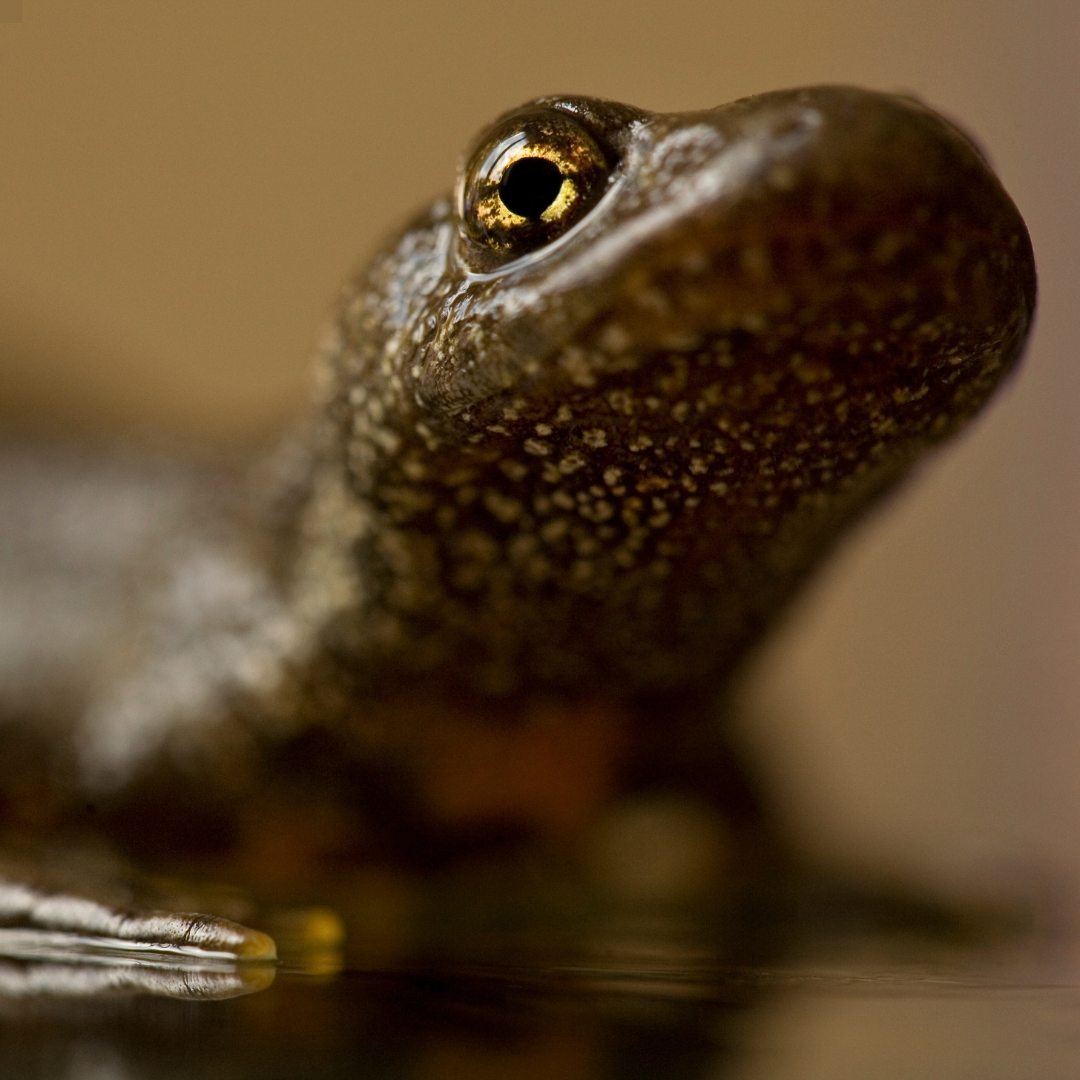
Great crested newts are just one of many UK species that have suffered steep population declines as a result of wetland removal.

What can YOU do?

Fortunately, individuals can take action to reverse this trend by creating their own ponds. Whether you have a garden or not, there are options available to everyone.

1. Garden Ponds: For those with gardens, creating a pond can be a rewarding and relatively straightforward endeavor. Choose a suitable location with adequate sunlight and dig a hole of the desired size and shape. Line the pond with a durable pond liner, add rocks or logs around the edges for wildlife access, and introduce native aquatic plants to provide habitat and oxygenation. Consider installing a small pump or fountain to keep the water circulating and prevent stagnation.

2. Miniature Ponds in Buckets: Even if you don’t have a garden, you can still create a miniature pond in a bucket or container. Simply fill a large container with water, such as a plastic tub or barrel, and add floating plants or submerged vegetation.

You can also include rocks or sticks for climbing insects and amphibians. Place the container in a sunny spot, and regularly top up the water to compensate for evaporation (use rainwater whenever possible to avoid introducing chemicals or minerals into the pond).

By building ponds, whether in gardens or miniature versions in containers, individuals can contribute to the preservation and restoration of vital habitats for wildlife. These small-scale initiatives not only enhance biodiversity but also provide valuable opportunities for education, enjoyment, and conservation action.

What I’m doing

My family bought a house with a lovely sloped garden, but without many native plants. The bottom of the garden in particular was just lawn. My mum went to a school with a stream running through it, where she spent a lot of time on her tummy giving the caddis fly larvae bits of shell to make their cases.

When my mum visited a friend’s house, she saw a pond that was only 18 months old, but was teeming with newts, dragon flies, water boatman and a proliferation of plants. It looked as though it had been there forever. She realised how much life this tiny body of water could support and how drawn she felt to it, so determined to bring one to our garden.

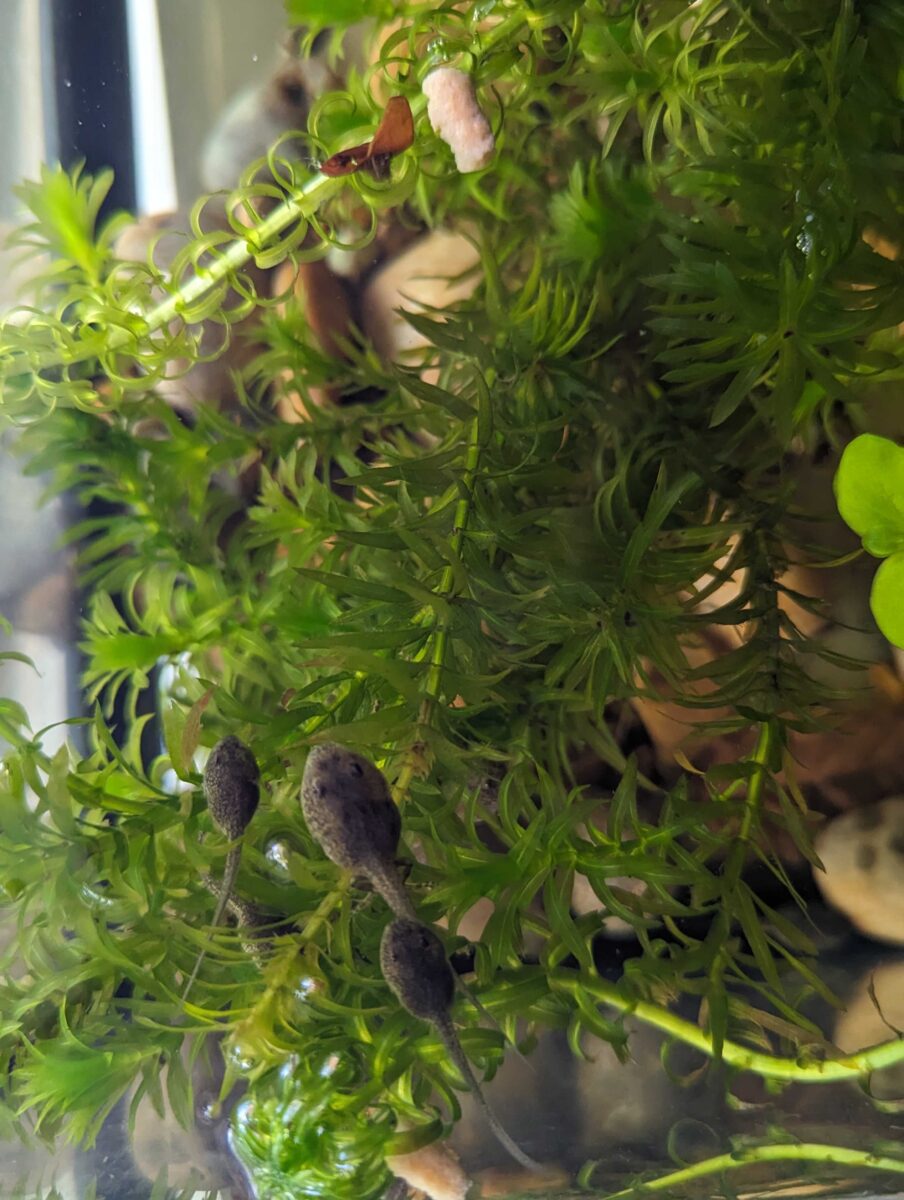
We dug a hole with shallow shelves allowing wildlife to get in and out, turfed the edge to make it look natural, added pond liner and several plants (elodea) that helped keep the water clean and oxygenated. Then we just waited, and…

Together, we can make a difference in protecting our planet’s precious ecosystems for future generations.


Extra resources

Watch Leave Curious’s video ‘What if we created 23 Million Mini Ponds?’


We’re launching a brand new campaign very soon, centred around boosting nature in urban landscapes. Follow us on Instagram, Twitter, TikTok or LinkedIn to stay in the loop!

Are you subscribed to our newsletter? It’s full of upcoming events, campaigns to get involved with, simple actions we can all take to help nature and great information about the wildlife that’s on your doorstep. Subscribe here.

Check out this BBC article on making a mini wildlife pond

Would you like to join our community of young nature activists? We’d love to hear from you! Click here to find out more about us and how you can get involved.

An Expedition To Budapest With Youth and Environment Europe (YEE)

By Christina Owen

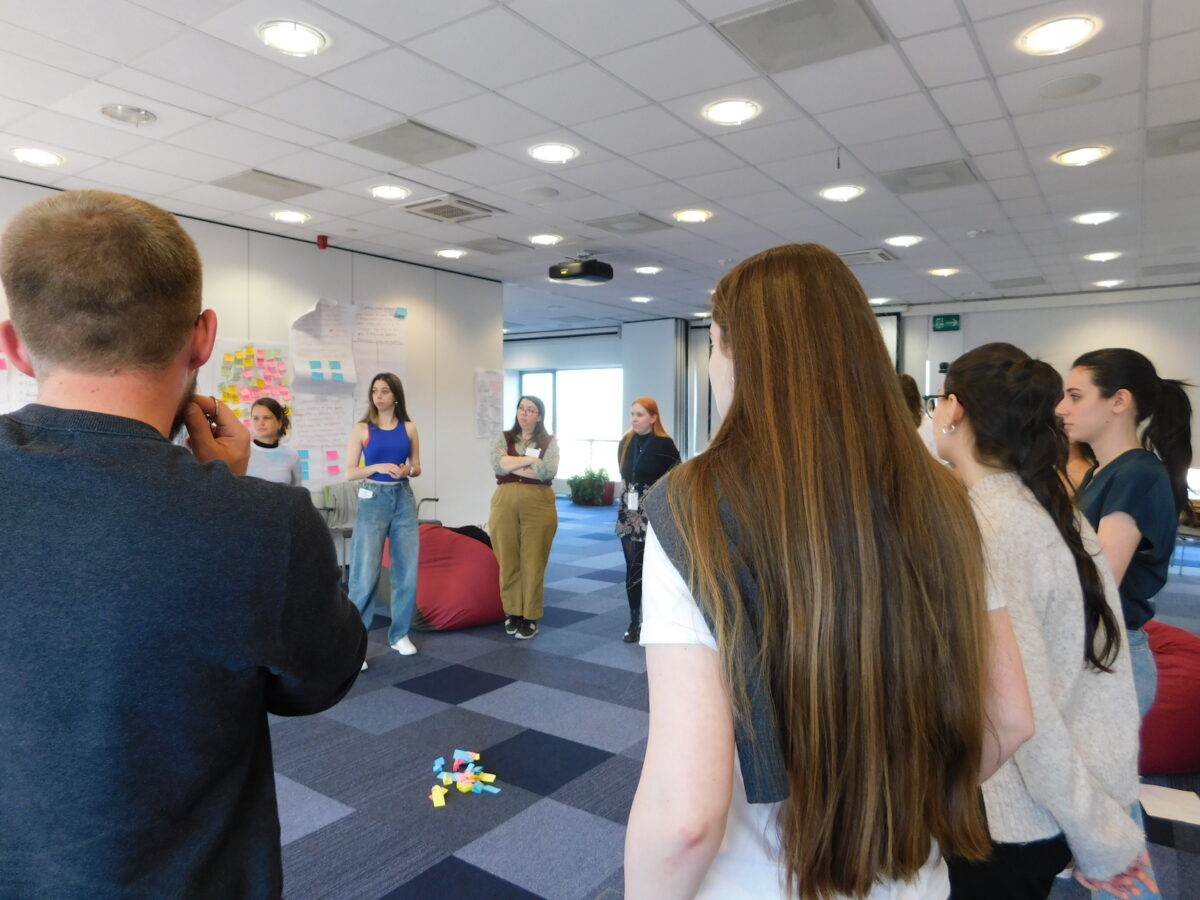
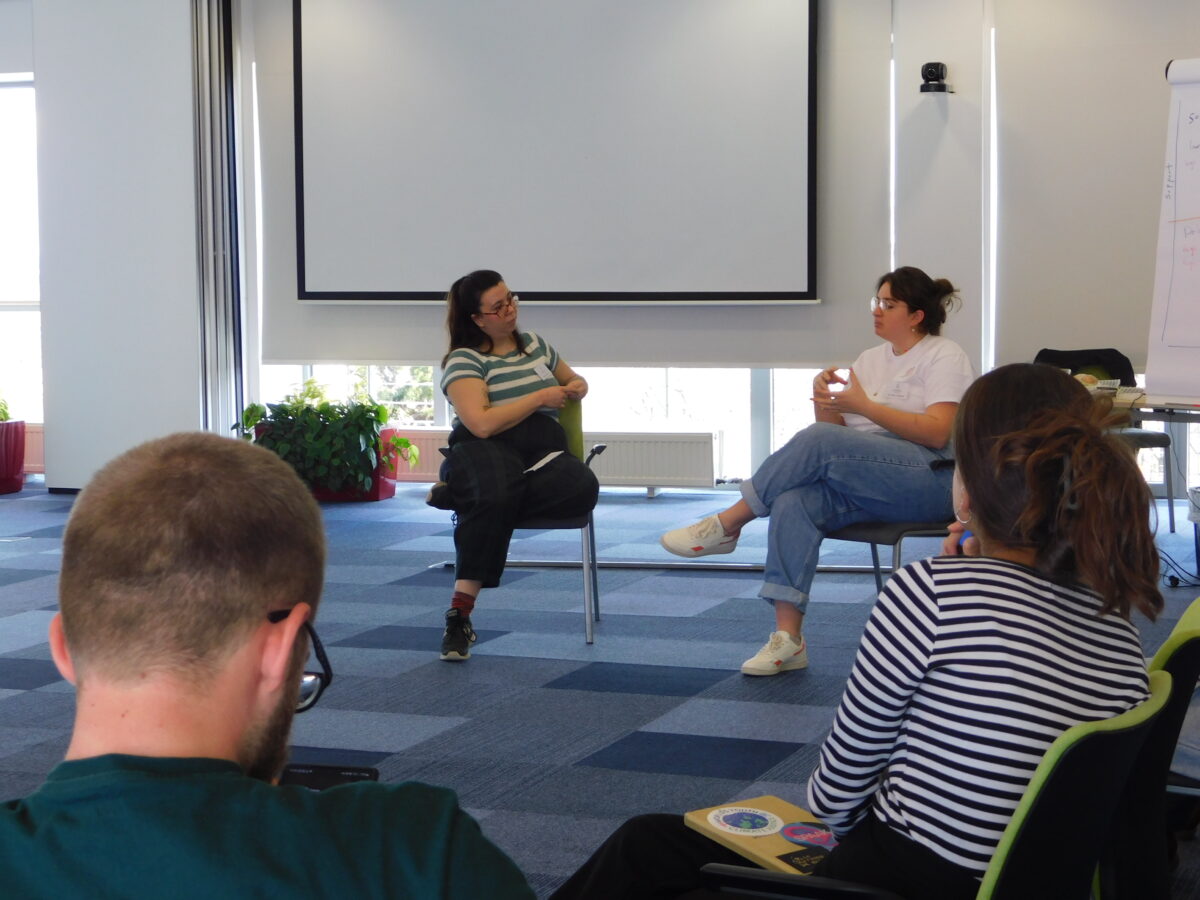
In March, I was lucky enough to be selected to join Youth and Environment Europe, along with 14 other young people from youth organisations across Europe, for a five-day training programme called ‘Training of Trainers: Empowering the Unheard’. The program was designed to build on our skills as trainers and facilitators, to better amplify and engage marginalised members of our communities. As the conservation sector is one of the least diverse in the UK, I was very keen to learn more about the ways in which UKY4N can improve the work we do to engage with different young people.

Pre-event jitters

I was very nervous before I set off as this was the first event I’ve attended as a solo representative of UKY4N. I also don’t work in the environmental sector so was worried that everyone else would be more experienced or more knowledgeable than me.  I thought it might be a little overwhelming, so I packed a lot of knitting in case I had to hide in my room during our free time and agonised over audiobook choices!

Roomies

However, once I arrived in Budapest, I quickly found my fears to be unfounded. One of the big things I’ve learned since joining UKY4N is that most people who invest their time in climate and nature work are totally delightful! From the moment I met my roommate, I was filled with an incredible energy to make the most of my time there and to forge new connections. As someone who has struggled with mental illness in the past, pushing myself in an environment that is challenging and tiring can feel risky, but I was grateful to discover a community of supportive individuals who looked out for everyone.

Combatting language barriers

The training itself was wide ranging, moving from evaluating events for elements that prevent different participants from taking part, to examining our own organisations through a lens of system innovation.

One of the most impactful moments for me personally came early on when we were discussing terminology, making sure that everyone understood the words and phrases we would be using across the training. I was in a group with a few people from other countries, and we were discussing the definition of ‘Intersectionality’ – a word a lot of us involved in campaigning in the UK will be familiar with. However, one person I was with, despite having incredibly good English language skills, had never heard the word before, and another had only heard it in the context of intersecting fights for different causes.

I was reminded in that moment that even though we all were united by a shared desire to learn about how we can make positive changes in our organisations, we all came from unique contexts, with different aims and situations. In fact, a reminder that the work of climate and nature campaigning is not just important in the UK, is not just happening in the UK, was one of my biggest takeaways.

Taking in the sights

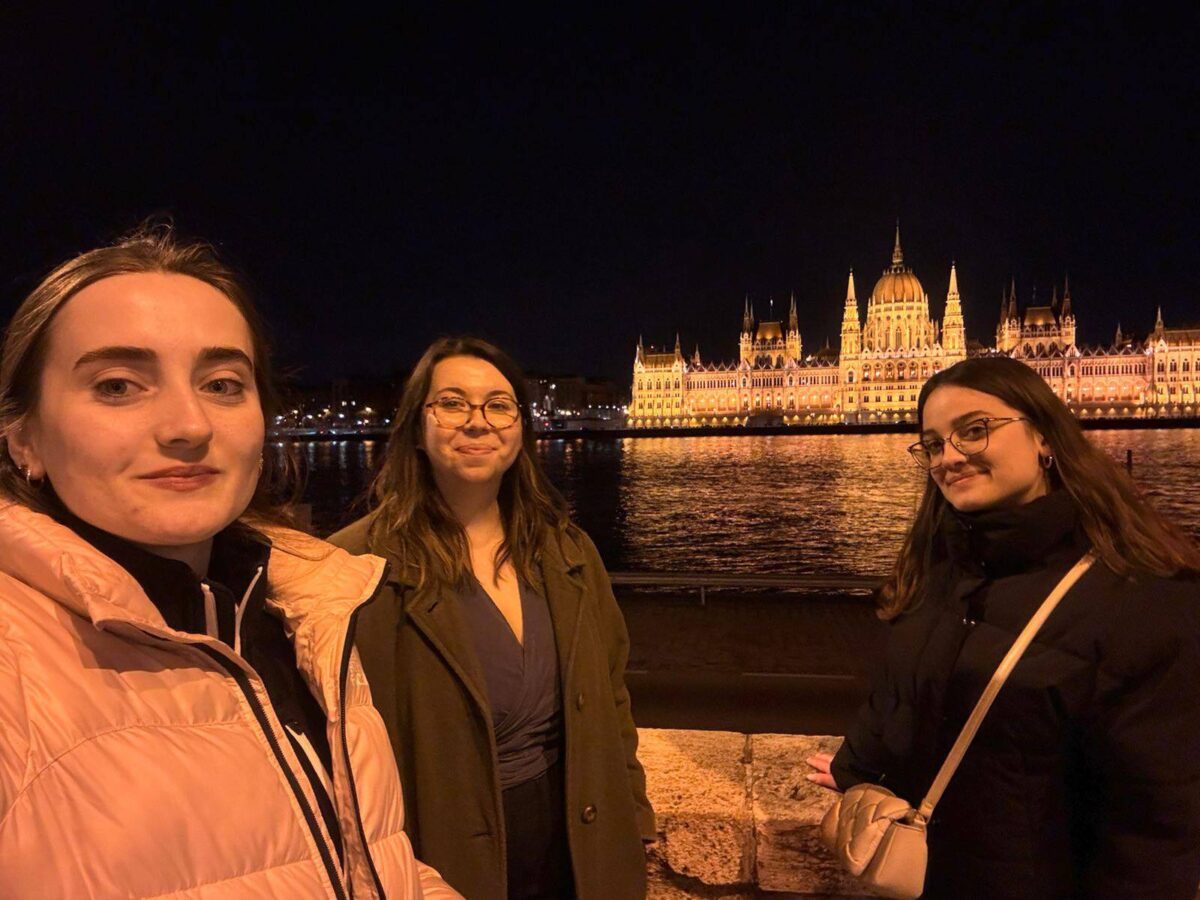
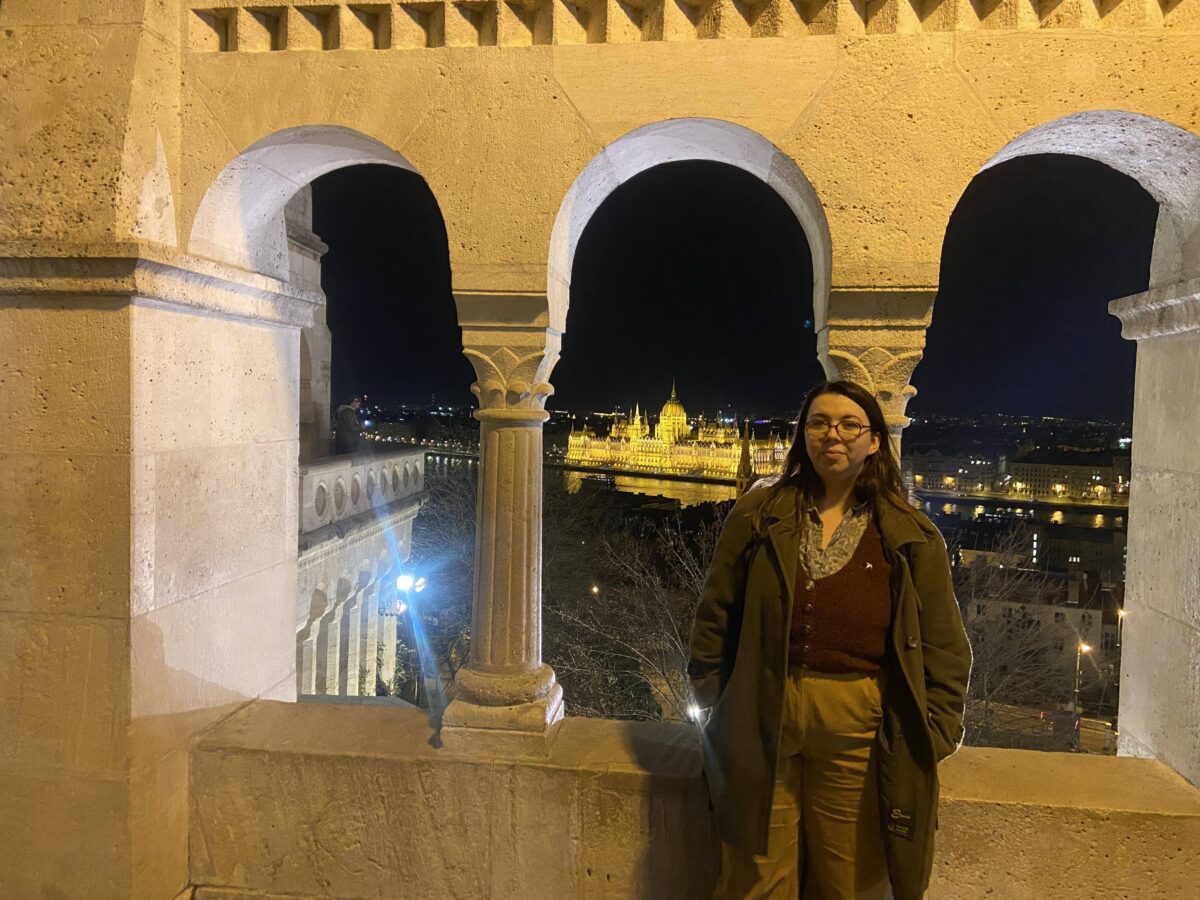
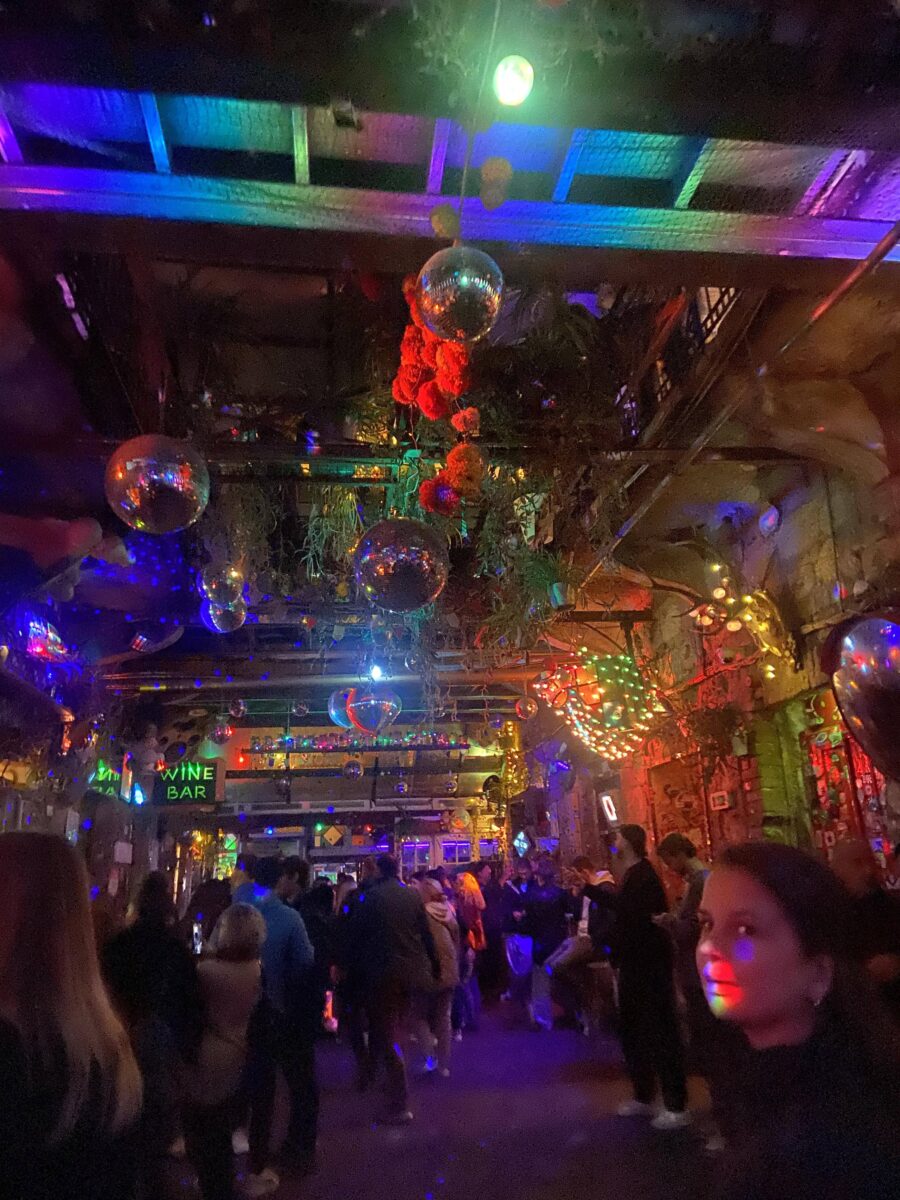
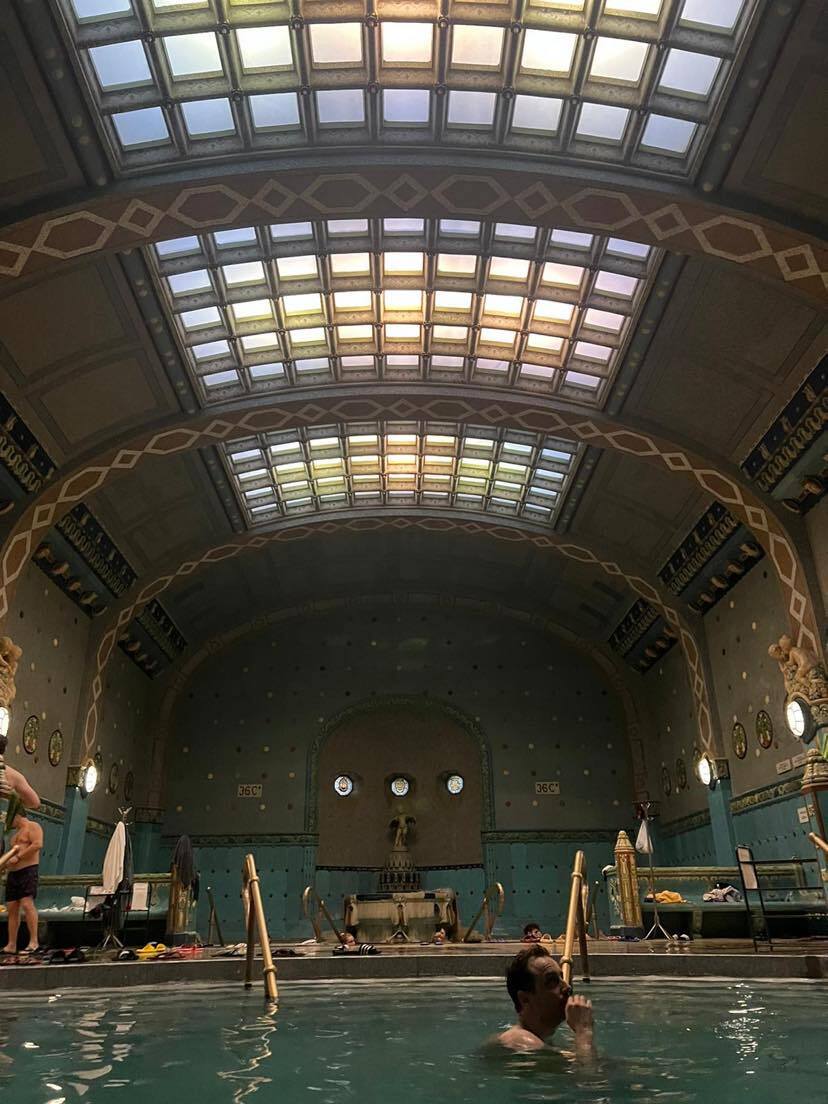
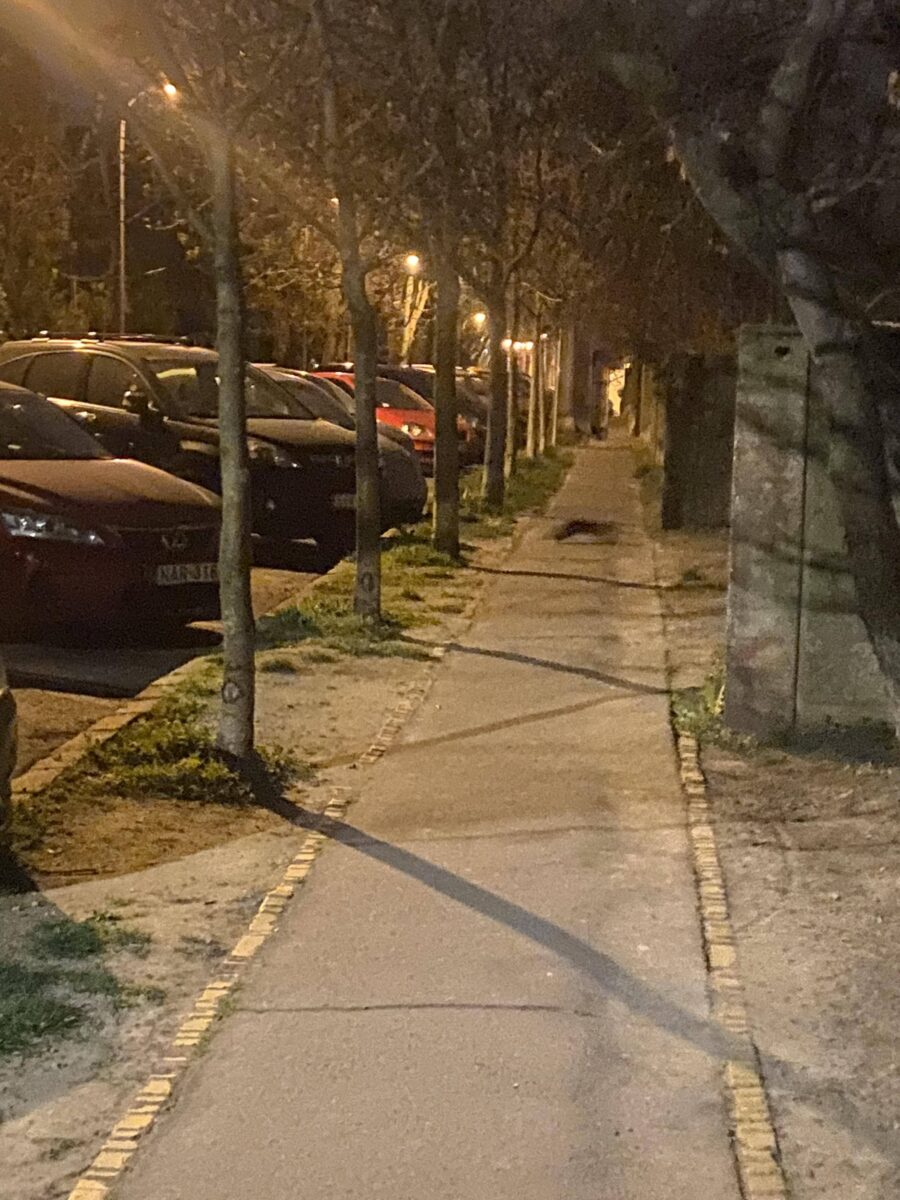
Of course, we didn’t only spend time training, we also found some time to enjoy some sightseeing and nightlife. The baths were incredible after an intense few days, the ruined bars colourful and fun, and the hills not too high. Of course, being from UK Youth for Nature, I also found some time to look for local wildlife, spotting what I think was a stone martin on the bonnet of a car down a dark street. But I only got one picture of it so you’ll have to judge for yourself…

If you’re a young person aged 16-35 who is looking for a community of like-minded nature lovers in the UK, join us! Find out more about how you can get involved with UK Youth for Nature here.