Ruby Free’s book on Rathlin is an absorbing account of living surrounded by wildlife, which generated some interesting discussion at our recent book club.
In the book, she shares her joy at the encounters she has with the animals, as well as discussing a range of societal issues, including disconnection from the natural world, farming practices and eco-anxiety.
Structure
These ideas are blended well and make it much more than just a description of Rathlin. The book’s central focus is the seabird centre and the changes in the bird life there through the summer. This approach introduces readers to the birds in a way that most other books do not accomplish, and I enjoyed learning about the personalities and behaviours of them. I thought this was a very effective way to focus the narrative of the book, and in the book club we all said we enjoyed following the progression of the seasons and the changes in the bird life through the year.
These birds, and the other animals she meets, are brought to life by her beautiful illustrations, and looking at these provided moments to pause and imagine what she is seeing. The range of species she finds the opportunity to see and talk about is amazing, including seals, moths and hares as well as a whole range of birds. Her passion for these creatures is infectious, and she added to my desire to do what I can for nature, just as she clearly inspires the visitors to the seabird centre.
Reflections
I was initially surprised when the book continued on beyond her time on Rathlin, but she wraps it up well by depicting her life afterwards. In doing so she brings together the feelings she expresses throughout the book in a thought-provoking way. This openness she has about her emotions on finding her place in the world and coming to terms with what happens around her is powerful and easy to relate to. The choice she makes out of it to continue advocating for nature through campaigning and wildlife-friendly farming is inspiring.
Overall, I really enjoyed reading the book and getting to know some of the wildlife of Rathlin through it. It is a book I may not have noticed if it hadn’t been chosen for the book club, but it was an excellent choice and one I’m really glad to have read, as it perfectly describes the wildlife and the feelings of a young person living with the current nature crisis.
Get Involved
If you’d like to meet with other young people (16 – 35) and learn about our natural environment in a relaxed setting, join UKY4N’s book club here.
If you’d like to check out Ruby Free’s discussion about Rathlin with UKY4N’s Emily Seccombe, check it out on our Instagram.
In light of the devastating wildfires this month, we wanted talk to a member of our community who helps to manage the uplands that have been burned. UKY4N volunteer and uplands common manager Jake Cohen, kindly shared his reflections on this landscape wide tragedy. Not So Freshwater
Jake Cohen:
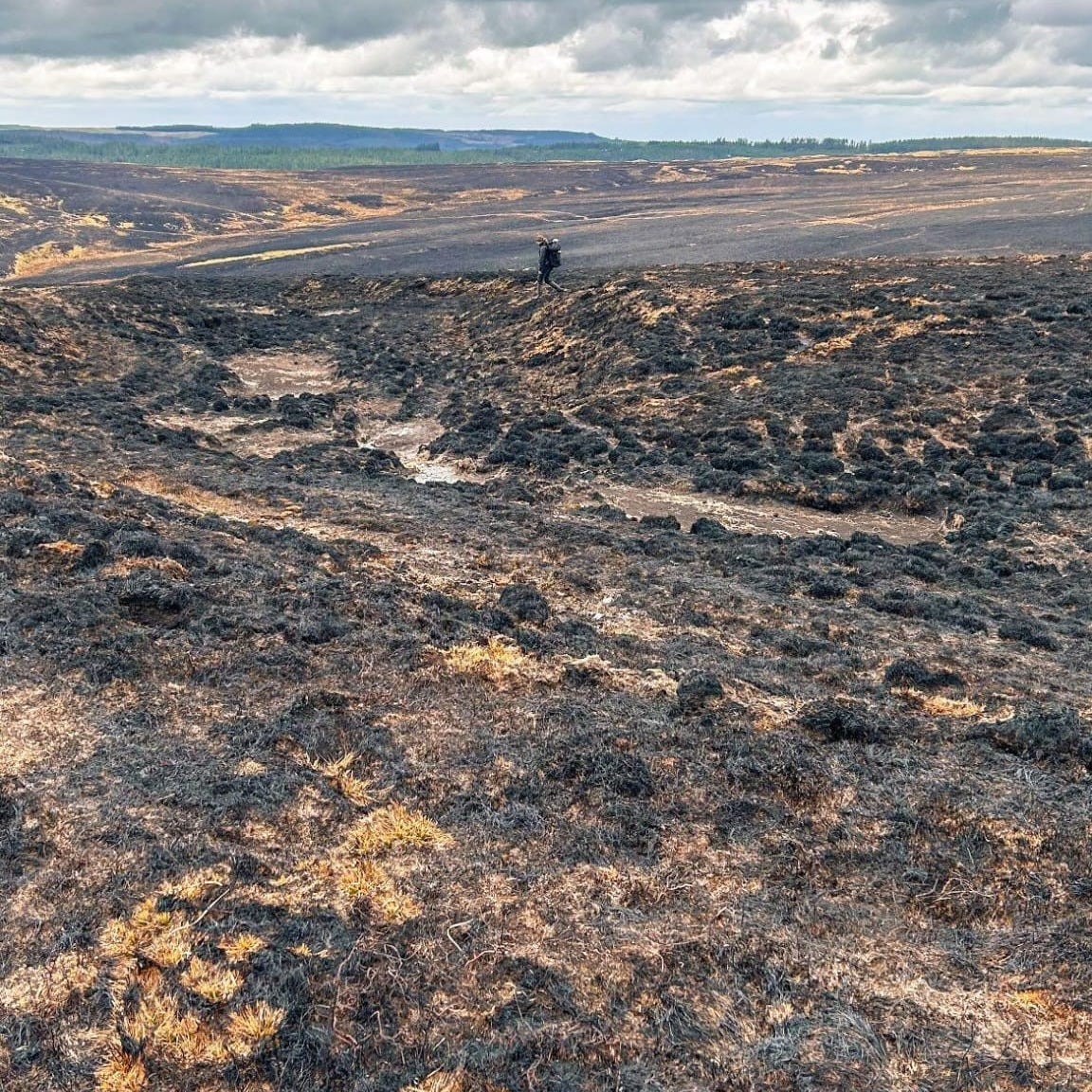
“Across the land I look after, fires have devastated 1600 hectares of upland landscape.
The size, scale and impact of such a fire is quite difficult to fathom and has both short term and long-term consequences.
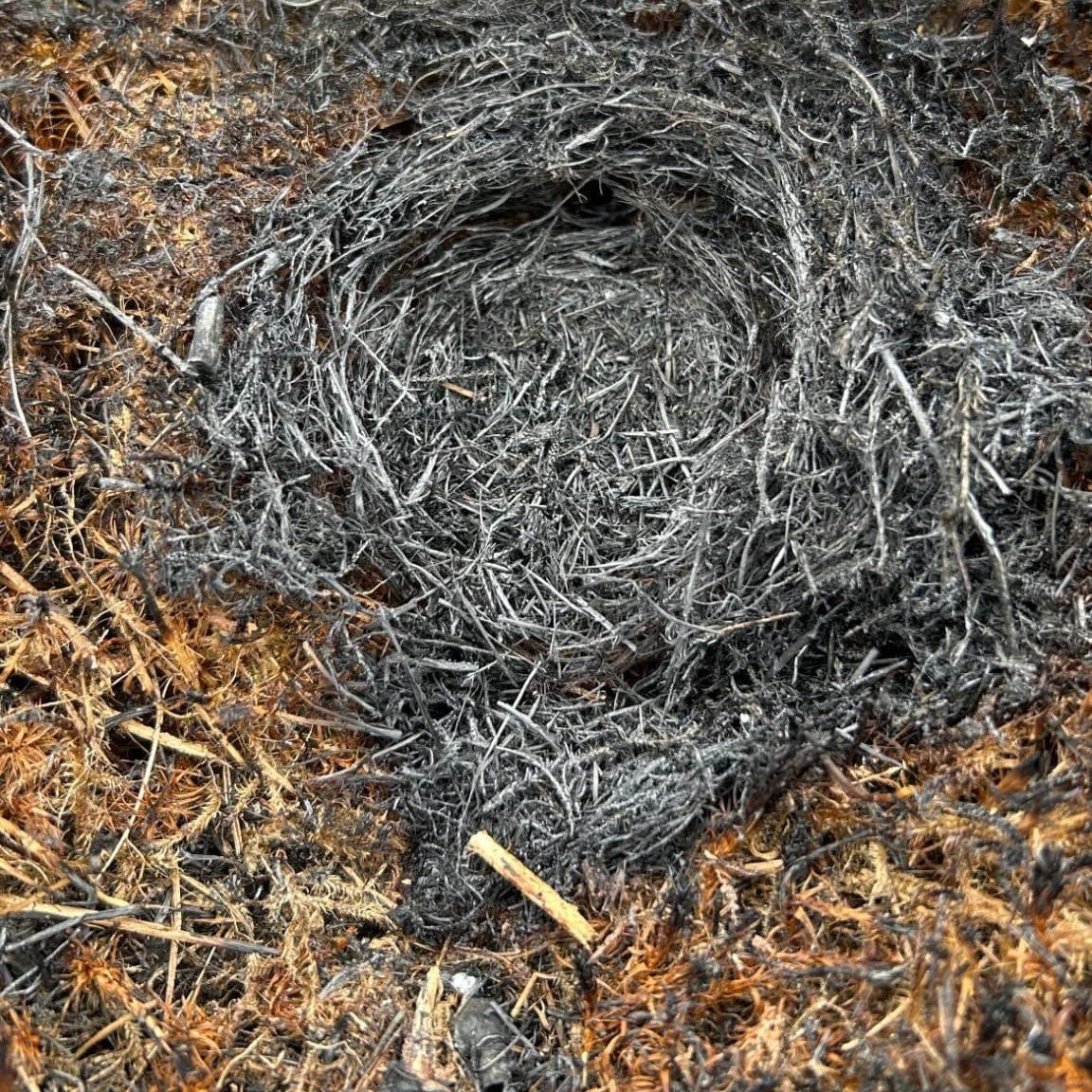
The fire has torn through our last known stronghold of breeding Golden Plover (which are just about clinging on as a breeding species in Wales) and through the last three years of peat restoration efforts. The top layer of peat has been burned away, thereby emitting thousands of years worth of carbon dioxide that would otherwise have stayed in the ground. Furthermore, the freshly exposed peat will now dry out, erode and therefore release further emissions and contribute to habitat loss.
I went out last week to inspect some of the damage and found frogs and shrews burnt on the spot, as well as a lone male Golden Plover seemingly refusing to abandon his territory. Even if he does manage a nest, the lack of invertebrates leaves him and any potential chicks with very little chance. There was no Skylark or Meadow Pipit song which is usually rife this time of year and the miles and miles of blackened landscape was quite shocking. Our eyes, noses and clothing were choked with ash. It was a distressing and bizarre experience.
Upland Ecology
Fire damage also affects the long-term ecosystem as it encourages grasses, which hold their nutrients underground, to thrive, become dominant, and upset the delicate balance of this unique ecosystem. Grasses regenerate quickly and the fresh shoots are great for grazing livestock, but this rapid reproduction means that nothing else has the chance to come through. These dominant grasses create a dry level of vegetation, further increasing the fire hazard and thus creating a feedback loop.
Unfortunately, this is not an accidental wild fire – the fire services have deemed this fire to be ‘deliberate’ which just shows that we have quite a lot of work to do! Although this is a really mournful time for us – the fire didn’t reach rich areas of cattle grazing and more recent peat restoration sites, and the peat burn was only surface level and doesn’t appear to go deeper. So, we take stock and move forward!”
In today’s blog, we will be talking all about what it’s like being a Young Trustee. Less than 3% of charity trustees are under 30 (Young Trustees Movement), which is a startling statistic and a gap that needs to change. Young trustees offer fresh perspectives and represent the voices of future generations.
To shed light on this important topic, we gathered three incredible speakers a couple of weeks ago to speak and share their personal experiences as young trustees and this is a summary of some of their amazing and useful points.
What motivated you to become a trustee, and how do you think your perspective as a young person adds value to the board?
Alana: I volunteered for causes that I cared about – in this case youth voice, and local wildlife and green spaces. I was asked to be a trustee in 2020 because the boards knew they needed to increase their diversity but were taking the first steps in building that. Since then, with the support of the Young Trustee Movement and the rise of Youth Councils/Forums/Advisory groups, the value that young people can bring to boards is much more widely appreciated – through their experience, perspective, and ambitions in life.
Elen: I grew up in a coastal area in North Wales and spent my entire childhood in and around the sea. When I moved to Stirling for university I moved to a landlocked place and lost my connection to the sea. The charity I am a trustee for helps to empower people to speak up for Scotland’s seas, so it gave me the opportunity to reconnect to the sea and hopefully help it thrive again.
Additionally, I work as an ecological consultant and the work we do is driven by construction and infrastructure-based industries. These feel like destructive behaviours, surveying wildlife to aid people building in their space. Being a trustee helps me give back to society and again helps me feel a little better about helping people. I add perspective because my charity aims to empower young people and as a young person, I give direct advice that I wish had been in place when I was volunteering/working with charities.
How was the application process when you applied to become a Trustee?
Alana:
The trustee interviews are a great way to check in with how your CV and experience is for governance opportunities. It can be nerve-wracking, and that’s okay as that means you are pushing your comfort zone and trying. Some larger charities might have competitive trustee application processes, so if you’re not sure, local charities are often keen to find trustees.
Most charities will have a rotation of trustees, in the case of the charities I’m a trustee of, we go for ‘re-election’ every 3 years and we have a maximum term of 9 or 12 years. So, charities will be regularly looking for trustees.
Elen: Very easy. I set up a marine conservation society with a friend at university. She is pretty well known in marine policy in Scotland and so was asked to join the board first. They then decided they wanted additional young people, and she was asked if she knew anyone that would be interested/had relevant experience, and she named me! I had an informal interview/chat with the director and then was asked to join!
What are some of the main things you do in your role?
Alana:
Ranges from monthly tasks such as reading papers, revising policies and the meetings itself to networking with similar organisations and being an ambassador for the organisation.
Depending on the size of the charity / organisation trustees will take less of a main role in the operational (day-to-day) work, instead we are advisors working with the Senior Leadership Team.
Elen: I am the EDI lead for the charity so I push the charity to do the best it can and assist the staff with additional manpower when they need it. My other roles include searching for and applying to funding, trustee recruitment, attending events to represent the charity and more!
What have been some of the most rewarding aspects of being a trustee so far and what are some of the challenges?
Alana:
Being able to approve the creation of new job roles and seeing those projects and initiatives come to life through the incredible people that they have employed.
Attending the Annual General Meetings and hearing about a year of great work.
Site visits to project locations and hearing from the staff and volunteers doing the good work on the ground.
Elen: Most rewarding aspects have been seeing the work we put in as trustees pay off. We work by aiding staff with running our training programmes, by securing funding etc, and then seeing this pay off with young people responding to consultations or coming up to us at events and saying that the skills they’ve learned have helped them get a job or pick a future career or write a letter to their MSP, is so rewarding!
Challenges – I am generally a very busy person. I work a full-time job which sometimes has long days and unusual shifts (dawns/dusks), have two volunteer positions, train for two sports and hold my trustee position. I sometimes struggle with having time and energy for everything, but I find if I am organised, I have time and if I make time for my hobbies (being outdoors) then I maintain energy!
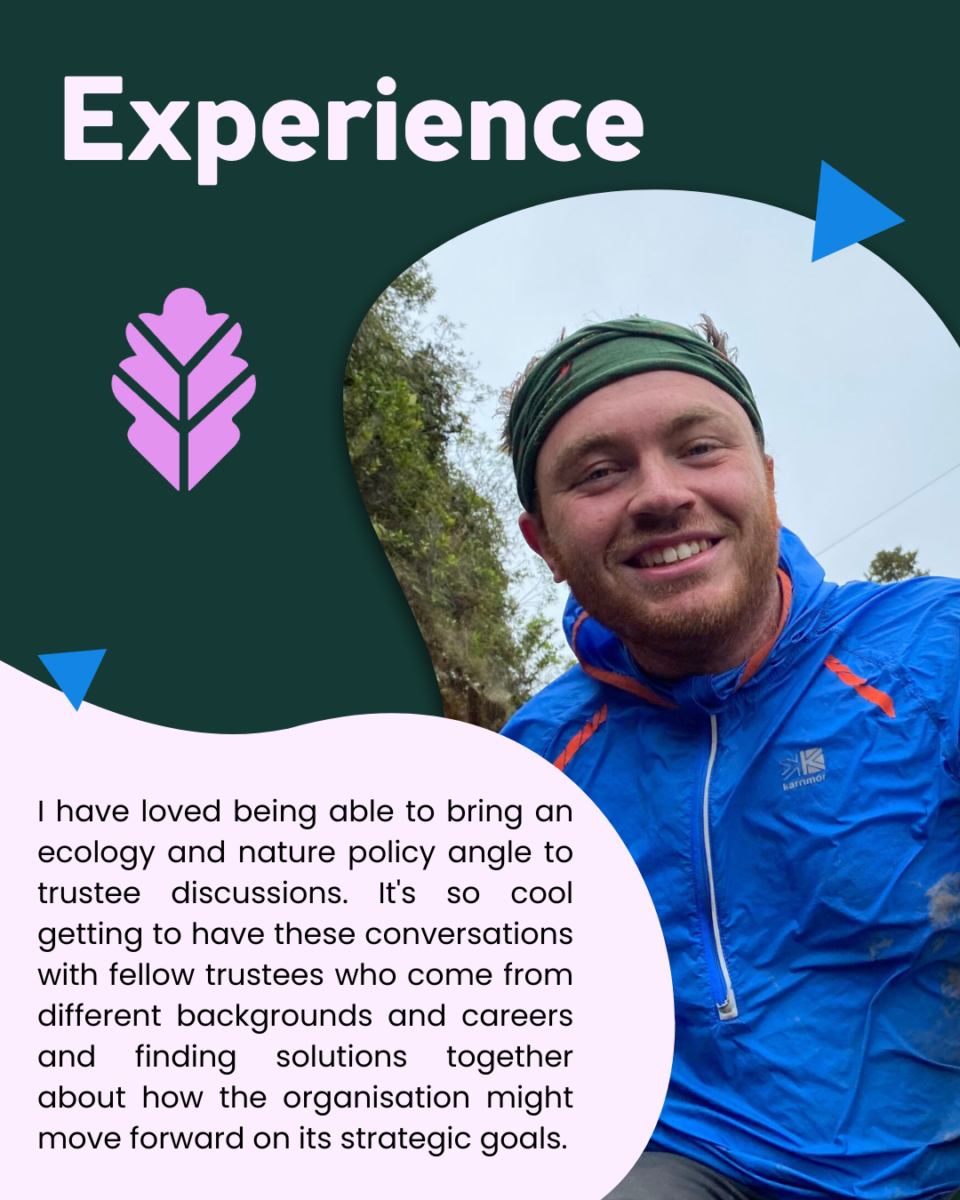
Joe: I have loved being able to bring an ecology and nature policy angle to trustee discussions. It’s so cool getting to have these conversations with fellow trustees who come from different backgrounds and careers and finding solutions together about how the organisation might move forward on its strategic goals.
I have learned so much about different aspects of running an organisation such as accounting, maintenance, and safeguarding legislation – topics that I might not have a chance to experience until much later in my career, if at all!
How can organisations best support young people with being a trustee?
Alana:
Adaptable meeting times.
Providing training opportunities.
Interview on values in addition to experience (as an early-career… it’s impossible to have 40 years experience in a sector)… look for dedication and enthusiasm. So for young people interested in being trustees… how have you put effort towards the goal and values of that organisation? You are volunteering your time, so support organisations that align to your values!
Elen: Try not to overload your young trustees – they’re often exceptionally busy. Have an honest conversation with them about the workload that is expected of the trustees and ask them what their capacity is. Have a buddy system where you pair the incoming trustees with more experienced trustees so that they have someone to show them the ropes or to ask “stupid questions” to (there aren’t any stupid questions).
Joe: There are many laws around paying trustees of a charity. It effectively means that, in most cases, a trustee is an unpaid role. Therefore, it is very important that organisations do what they can to make the trustee position as accessible as possible to young people. If they can, they should cover any expenses related to the trustee role (travel, platforms etc.)
It’s important that young trustees are given access to any training and networking opportunities to ensure the role is beneficial to their careers. So even though we can’t be paid to be a trustee under most circumstances, there are ways to ensure that (a) we are not losing money and (b) there are future career benefits as well.
What advice would you give to other young people who are interested in becoming trustees but may be unsure or intimidated about getting started?
Alana:
If you are able to get involved in the charity before you become a trustee to see if their values and actions align with yours.
Research what a trustee is and read role descriptions (provided by most organisations recruiting trustees).
If an organisation isn’t advertising for trustees, but you are interested, contact them to see if they have any positions on the board available.
Talk to current trustees of the organisation you may be interested in.
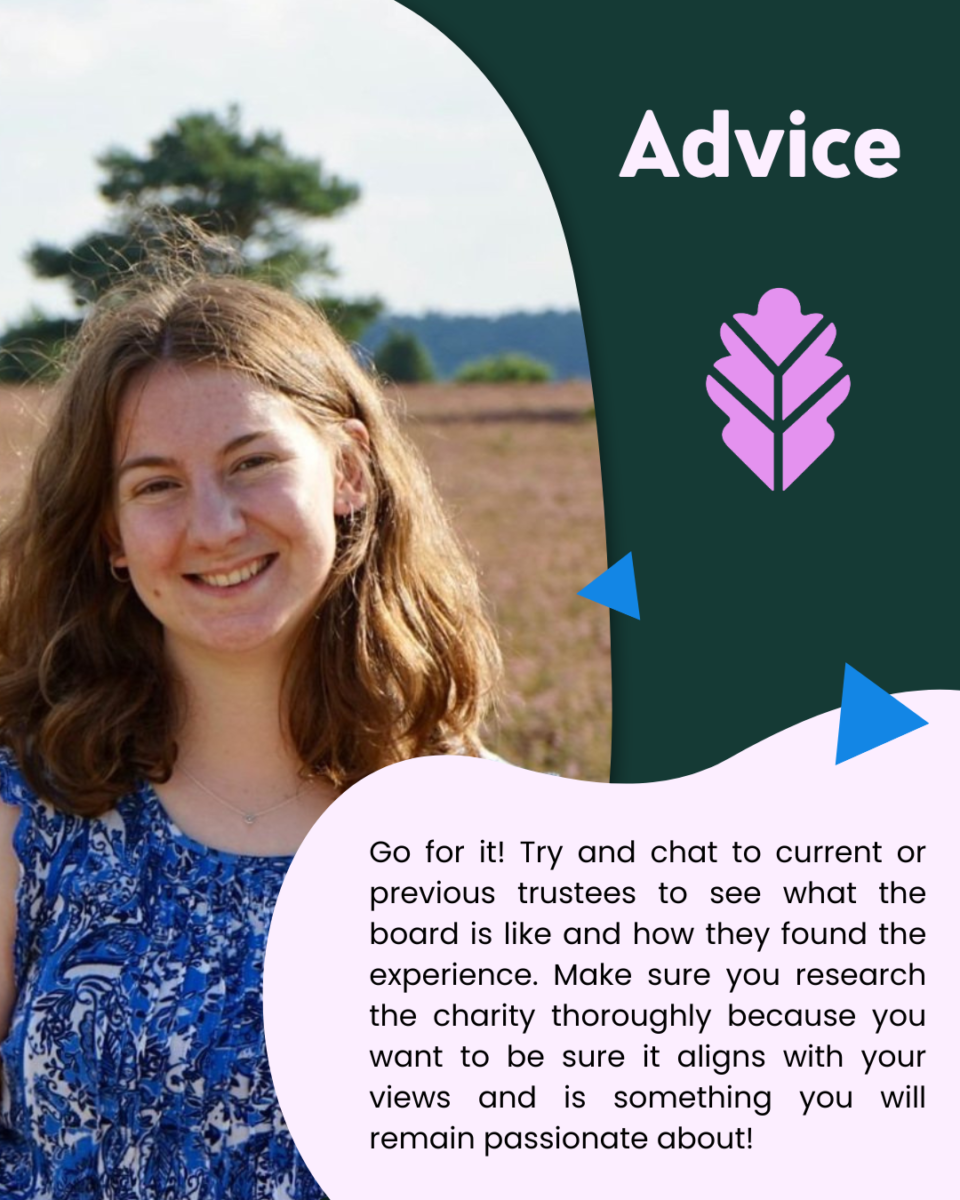
Elen: Go for it! Try and chat to current or previous trustees to see what the board is like and how they found the experience. Make sure you research the charity thoroughly because you want to be sure it aligns with your views and is something you will remain passionate about – trustee positions are usually long term!
Joe: I think it’s really important to remember that a trustee is a “governance” role, which means they are ultimately responsible for overseeing the charity/organisation and its employees. This is different from advisory roles that many of us are familiar with. Of course, trustees are also advisors, but there are additional responsibilities and, as a result, liabilities. I urge anybody interested in becoming a trustee to ask about the potential fallback on you as a trustee.
Most charities will have some form of trustee or director insurance and/or policy, which covers eventualities such as the organisation going bankrupt or an insurance claim being made. Newer and/or smaller charities might not, so it’s just worth a conversation with current trustees and/or senior staff. The above isn’t meant to put anybody off and I really hope it hasn’t! I just wanted to share as I believe putting these safeguards in place ensures that we as young people can apply and properly engage in trustee roles without this fear.
Being trustee is one of the most rewarding experiences as you are actually helping to steer organisations you care about! You definitely have something to offer the organisation!
We hope this blog has given you some insight into what it’s like to be a young trustee and inspired you to consider becoming one yourself. Additionally, we encourage organisations to create more opportunities and support systems that enable young people to take on these roles, fostering diverse leaderships for the future. To finish we have put below some resources from the webinar team and speakers that will hopefully be interesting and useful.
Resources
Young Trustees Movement aims to double the number of trustees aged 30 and under on charity boards. While the spotlight is on the age factor, the movement is part of a wider call for diversity on boards.
The National Council for Voluntary Organisationsgovernance wheel is a simple tool that helps boards of voluntary organisations quickly get a sense of how well they’re functioning and fulfilling their roles.
First off, we love your YouTube channel – what got you started making wildlife films?
I’ve always been inspired by the legendary Sir David Attenborough – his passion for the natural world is so infectious. Growing up, I was curious about the insects I discovered in my back garden, from snails to woodlice. I wondered why they were all different shapes, sizes, colours, why snails had eyes on long stalks and why they had a shell etc. This ‘inner scientist’ is something every child has within them as they grow up.
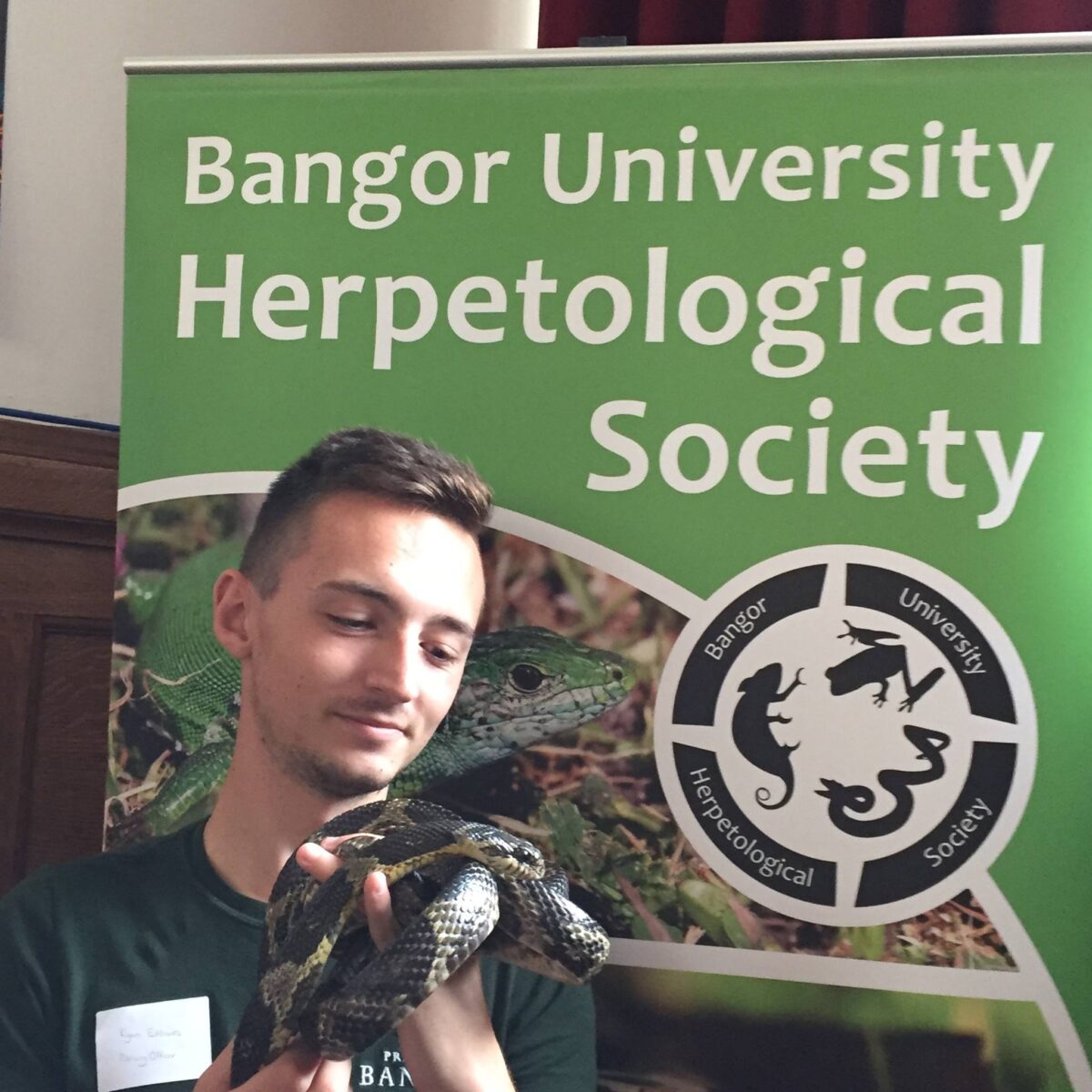
After leaving school, I went to study animal care at Rodbaston College. I graduated and went on to study Zoology with Herpetology (Snakes & Amphibians) at Bangor University in North Wales. It was here that I bought an old camcorder and started filming the local natural environment and wildlife. During a month’s wildlife filmmaking internship in South Africa, I learned how to become a presenter and I fell in love with the craft. I returned with my documentary called ‘Secrets of the Savannah’.
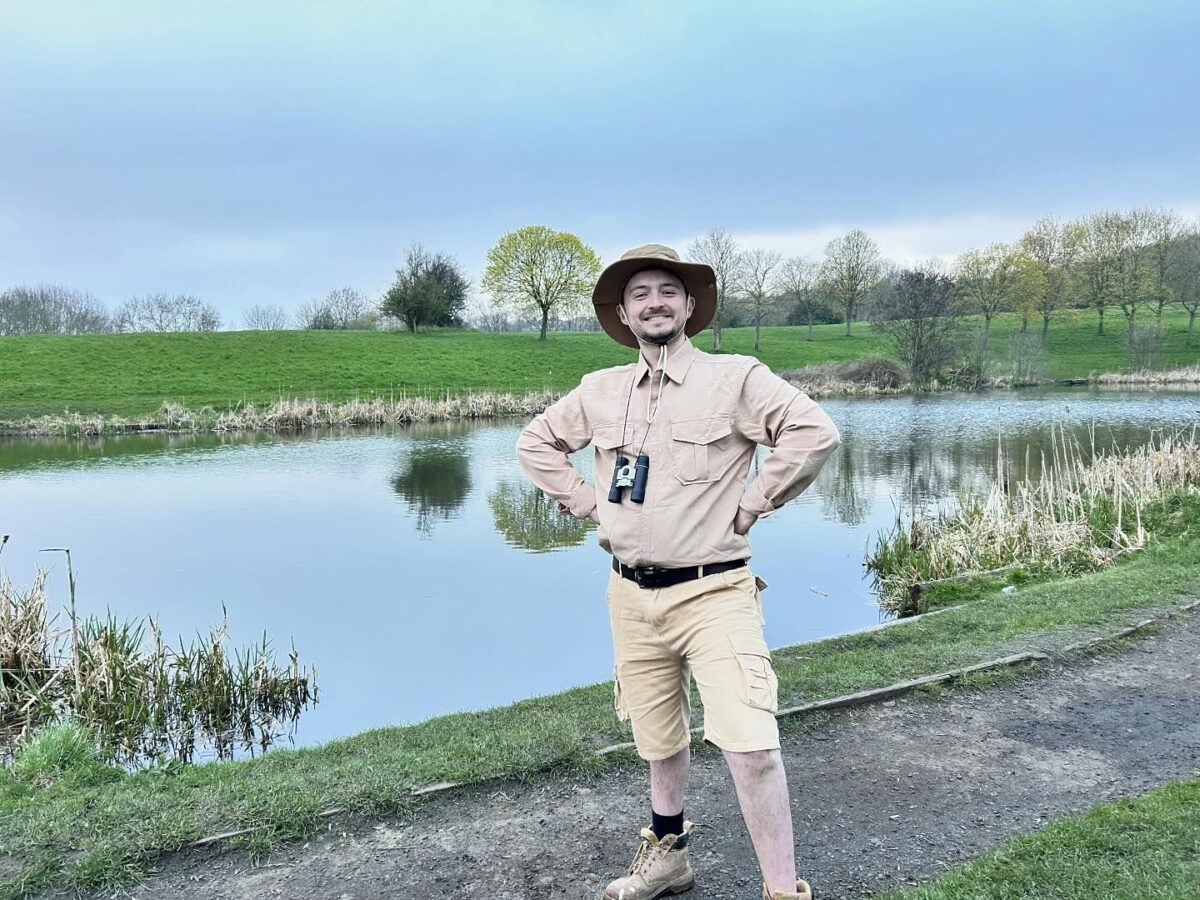
From here, I began making more films in my own time. My latest series ‘Ranger Ryan’ combines my unique humour and cheerful character to teach kids and adults about their local nature, like ducks, which feature in the first episode! In the future I hope to make more series with Ranger Ryan and maybe even make it on TV or Netflix.
Tell us about your Jurassic Coast Walk!
My Jurassic Coast Walk was to raise awareness of the birth condition I was born with known as clubfeet – a condition that causes your feet to turn inwards and downwards. It’s present on both of my feet.
Although it’s a common lower limb condition, there’s a lot of mystery surrounding it, especially around adults with clubfeet. My mission was to raise awareness of the condition, as there are thousands, maybe even tens of thousands of adults with untreated clubfeet. My walking challenge was to prove that a disability shouldn’t bar us from achieving our dreams, and also to raise awareness of how the condition affects individuals.
I was backed by the charity ‘Steps’, which supports people with lower limb conditions such as clubfeet (since completing my walk I’ve become their ambassador and trustee). As well as this, I also gained the backing and support of Julia Bradbury (TV Presenter) and her sister Gina, who run the Outdoor Guide, whose mission is to make the environment accessible for those with hidden or physical disabilities.
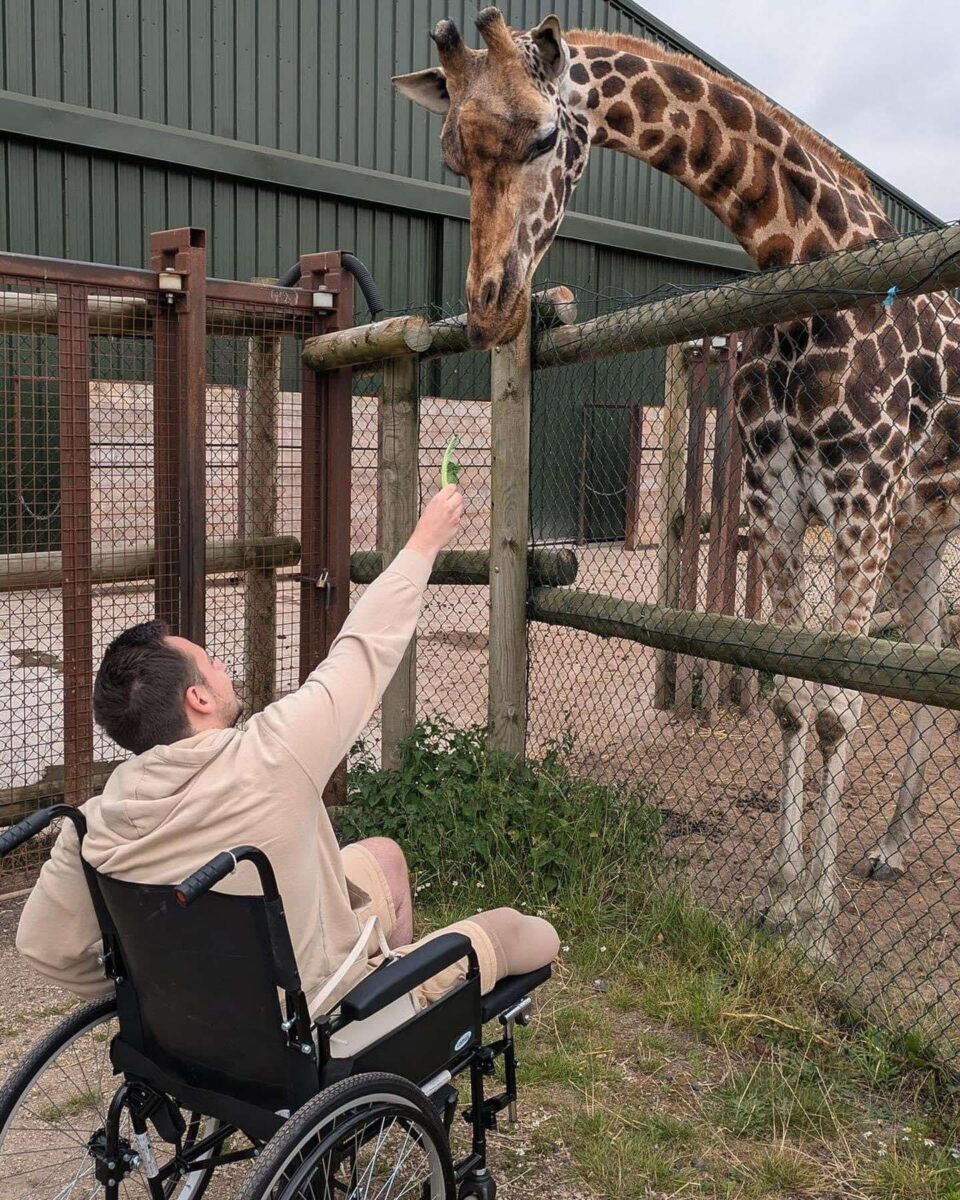
I managed 82 out of the 95 miles of coastline, which was a massive success and raised national awareness for clubfeet. As of 2024, I had my right leg below the knee amputated due to the severity of my bilateral clubfoot. I am now on my recovery route.
How does nature in the UK compare with some of the more exotic places you’ve worked?
Many people expect the wildlife abroad to be more spectacular and indeed in many cases it is – you’re unlikely to see a mass migration of wildebeest walking past you in the UK! This said, I believe that British wildlife can be just as spectacular and beautiful.
In local parks or back gardens, I see multitudes of species from mammals (Hedgehogs) insects (bees, butterflies, beetles and ants) and birds (Pigeons, Jays, Starlings and Sparrows). There’s so much to see in this country, and I feel it gets overlooked every time.
What’s the weirdest or most unexpected thing you’ve encountered while on a nature expedition?
The most unexpected encounter was when I went from my university to the Kruger National Park in South Africa.
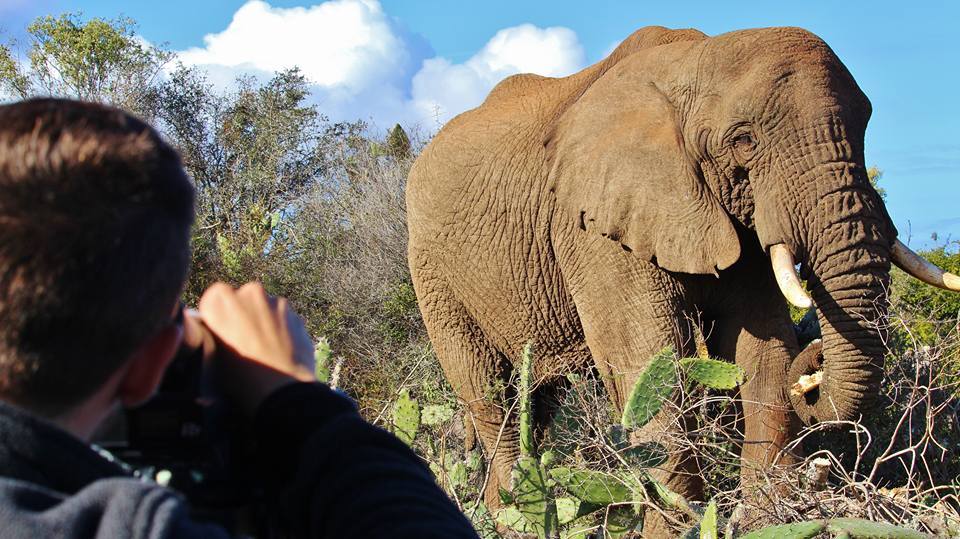
We went on a bush walk and came across a dried-up riverbed and had some food. Out of the bush, a family of elephants came walking towards us. The herd consisted of a matriarch, a sub-adult, and an infant. The mother and baby walked straight past us, and the sub-adult did a dummy charge at us, raising its trunk and flapping its ears. It then stepped back, waited a moment, and then walked up to catch up with its family.
It was breathtaking – the biggest land mammal walking past me while I was sitting eating a sandwich. That experience will stay with me for the rest of my life.
What animal could imitate most accurately?
Ha ha, this is a good question. I can imitate a few, to be honest. I can do the chuff of a tiger and the chirping noise of baby crocodiles.
UK Youth for Nature is a group of like-minded nature lovers who are on a mission to improve the future for wildlife, nature and humans in the UK. If you want to be part of our community, you can find out more here.