FRESHWATER SPOTLIGHT: THE DIPPER

By Jessica Humphreys

SPECIES DESCRIPTION

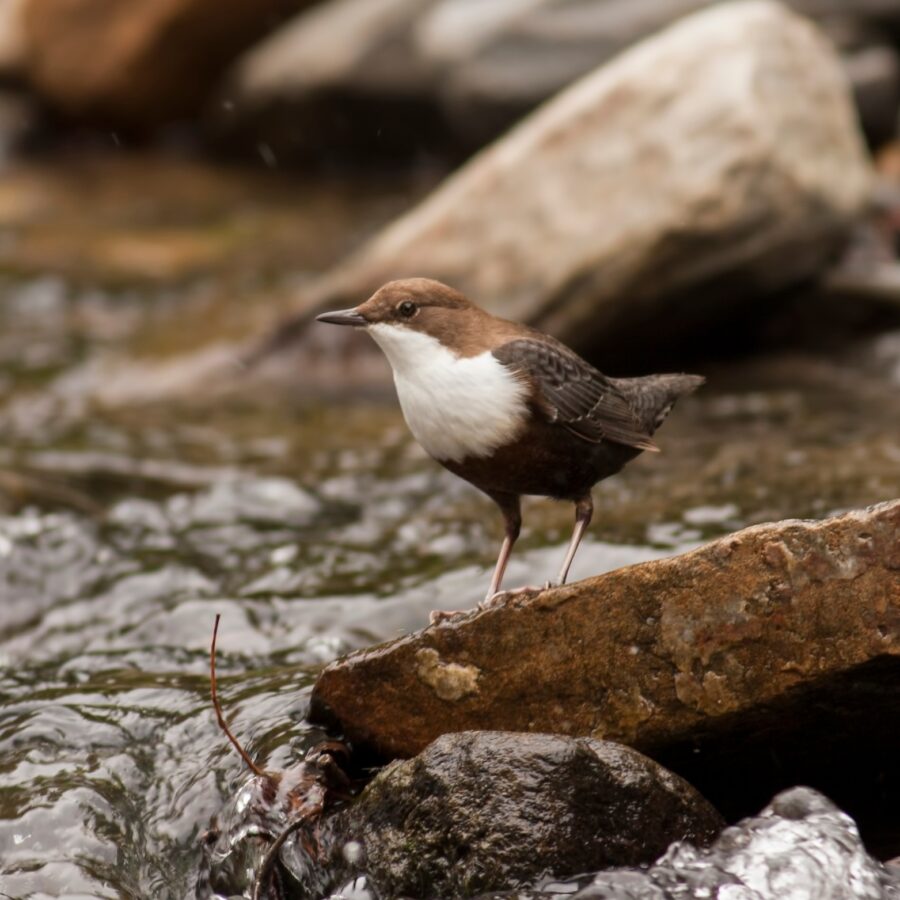
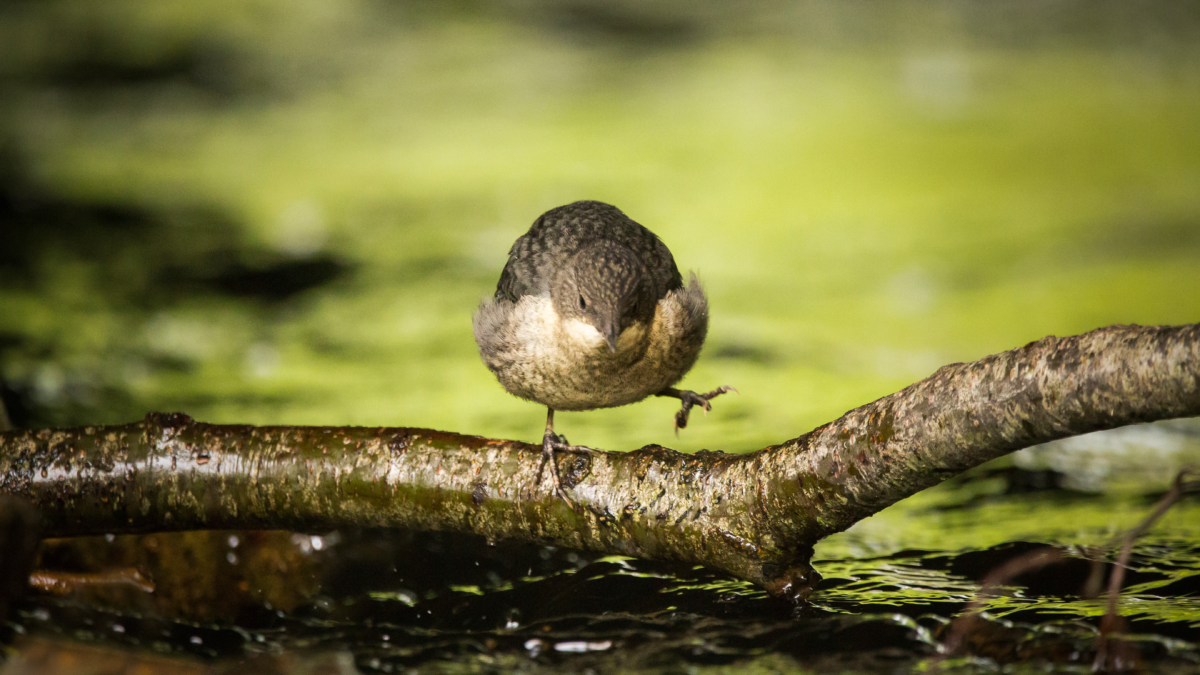
The dipper (Cinclus cinclus) is one of the UK’s most well-known freshwater birds. Despite this they are currently in decline, with stats from the British Trust for Ornithology (BTO) showing a 30% decline since 1970. They currently hold a UK Amber conservation status, meaning they face a decline and threat of extinction from Europe, but they are not currently threatened with global extinction.

CAUSE OF DECLINE

The main reasons for dipper decline all revolve around pollution. Airborne pollutants from industries can cause acid rain, which falls into rivers causing these to become acidic too – a process known as ‘river acidification’. The dippers’ aquatic prey (primarily insect larvae and freshwater shrimps) struggle to survive in acidic conditions, causing them to decline, leaving less food available for the dippers. Interestingly, recent studies are also examining how poor diets at early life stages may affect birdsong quality, and as dippers are territorial birds who sing all year round, adults may struggle to find mates or defend their territory without this vocal ability, causing further threats to population numbers. Other sources of pollution include agricultural fertilisers, microplastics and sewage waste.

ROLE IN THE ECOSYSTEM

Dippers are one of the main predators of freshwater insects and shrimp, and they are also a prey species for many larger birds. Ensuring the numbers of predators and prey in an ecosystem remain balanced is essential to maintaining equilibrium, or a stable environment. If dipper populations were to significantly decrease, this would have a knock-on effect for many other species, particularly in the freshwater ecosystem. It is also important to mention that dippers can absorb pollutants into their bodies, primarily by eating affected prey from polluted waterways, and the dangerous chemicals can then be passed higher up the food chain to animals that eat the dippers. This is a significant process known as bioaccumulation, where the concentration of toxins increases the higher up the food chain you look. Dippers are also an indicator species for water quality, meaning if you see a dipper in a river then the water quality is likely to be fairly good!

CONSERVATION STATUS

Dippers are a protected species in the UK under the Wildlife and Countryside Act 1981, which protects many species of wildlife and states that it is an offence to harm, kill or disturb the habitats of these species. Dippers are still a widespread species and can be seen regularly feeding and nesting around many rivers across the UK. According to the Scottish Wildlife Trust, one dipper nesting site has reportedly been used every breeding season for an enormous 123 years!

WHERE CAN I SEE DIPPERS IN THE WILD?

If you are hoping to see a dipper, look out for a plump bird with dark brown body plumage, a white throat, and a short tail. They can typically be seen perching on rocks in freshwater areas, continually bobbing up and down and cocking their tail. You may see them submerged underwater looking for food, without coming to the surface for up to 30 seconds! They are able to see and hunt for their prey in the water as their eyes have transparent eyelids that act as goggles when submerged.

Bibliography 
Not so Freshwater online youth art exhibition

A while ago we asked for submissions for an art and poetry exhibition that would celebrate freshwater, and how much it means to all of us, as well as highlighting the current struggles that the UK’s freshwater ecosystems are facing. We were absolutely blown away by the submissions we received, and empowered by how many of our community care about freshwater issues too.

Chemical cocktail bar

We also exhibited four of the art pieces at our Chemical Cocktail event in London, which was attended by parliamentarians and decision-makers, and aimed to highlight freshwater chemical pollution in the UK and get the issue prioritised. And, as we knew they’d be so great, we also proposed an online exhibition of all of the artwork and poetry that we received (poetry coming soon!).

So, without further adieu…

London exhibition

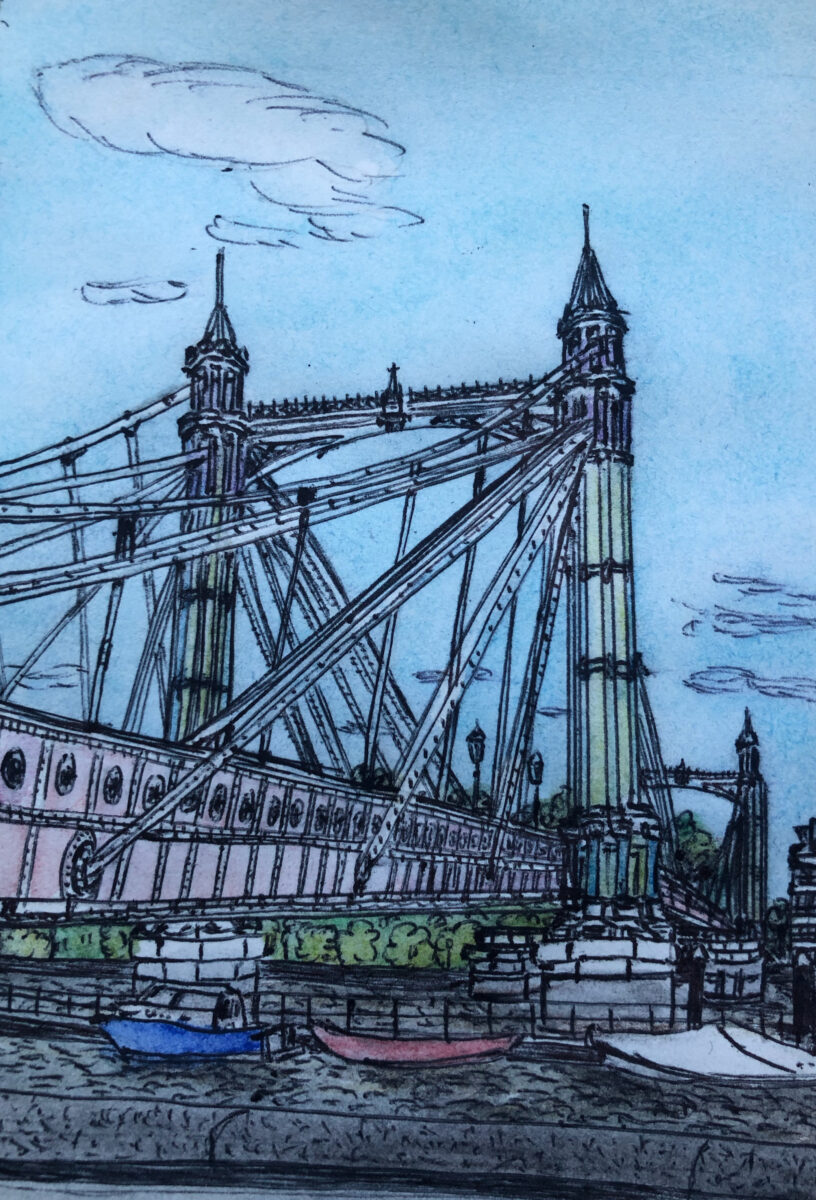
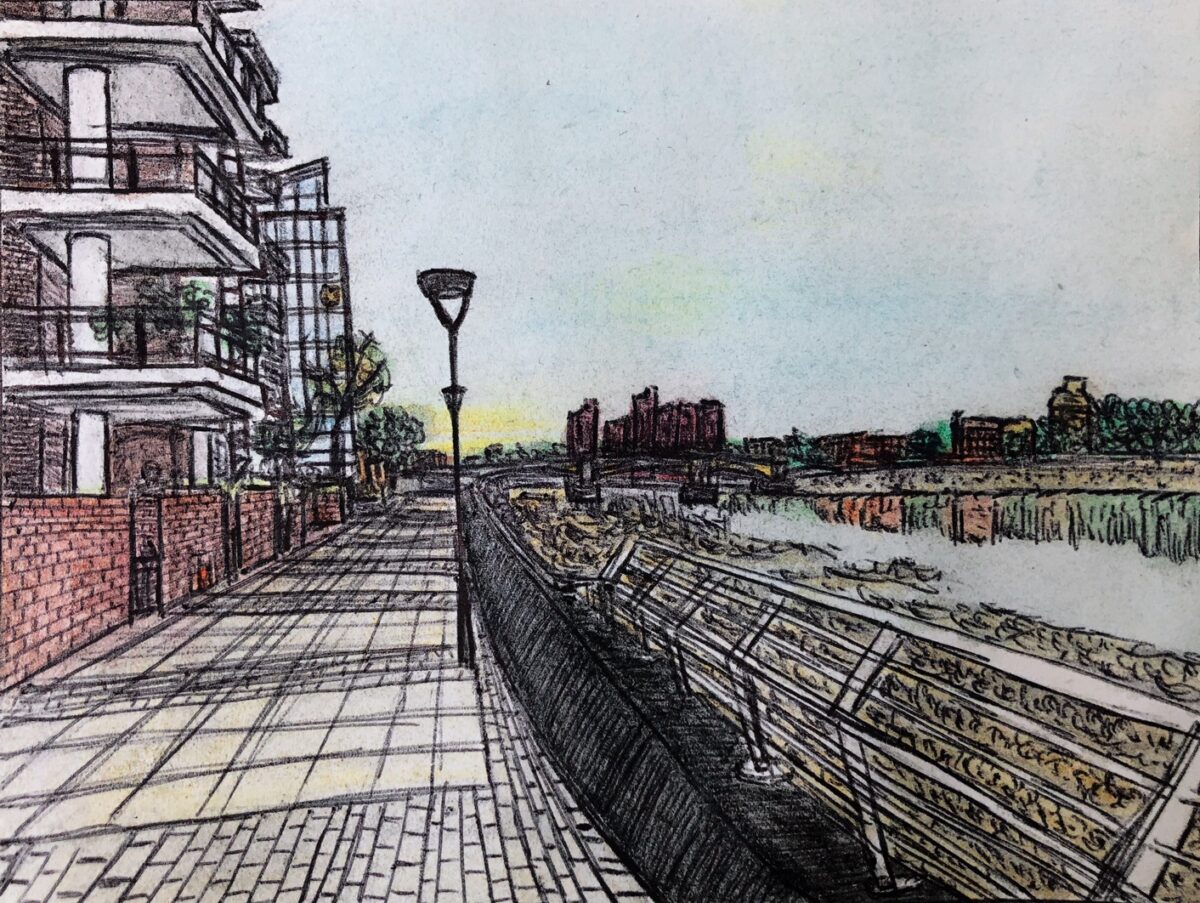
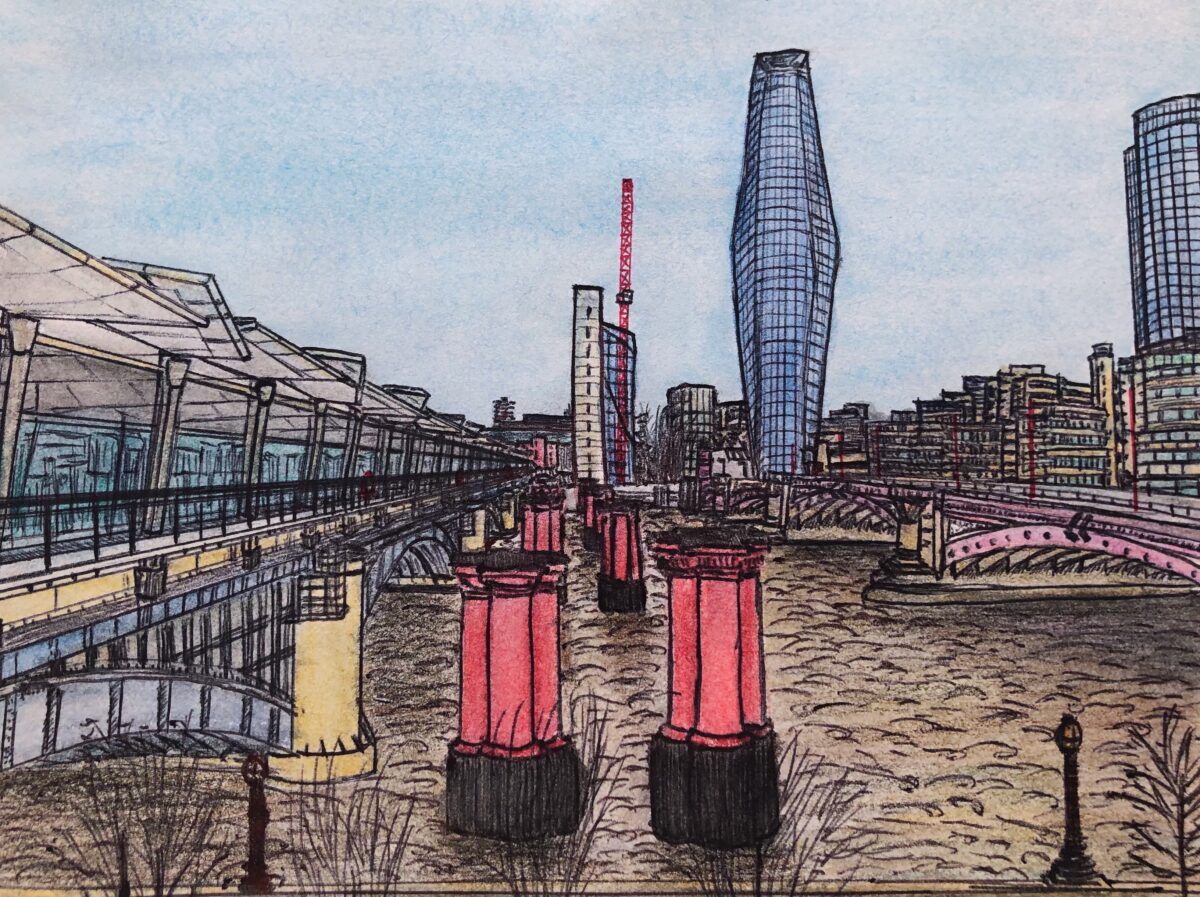
Claudia Tong – Along the River Thames – Blackfriars

Along the River Thames is a series of sketches on location near the river, unveiling hidden gems in our surroundings, especially fresh water, which is so essential to our lives but is often overlooked. My work shares a nostalgic feeling and visualises our emotional attachment to the freshwater.

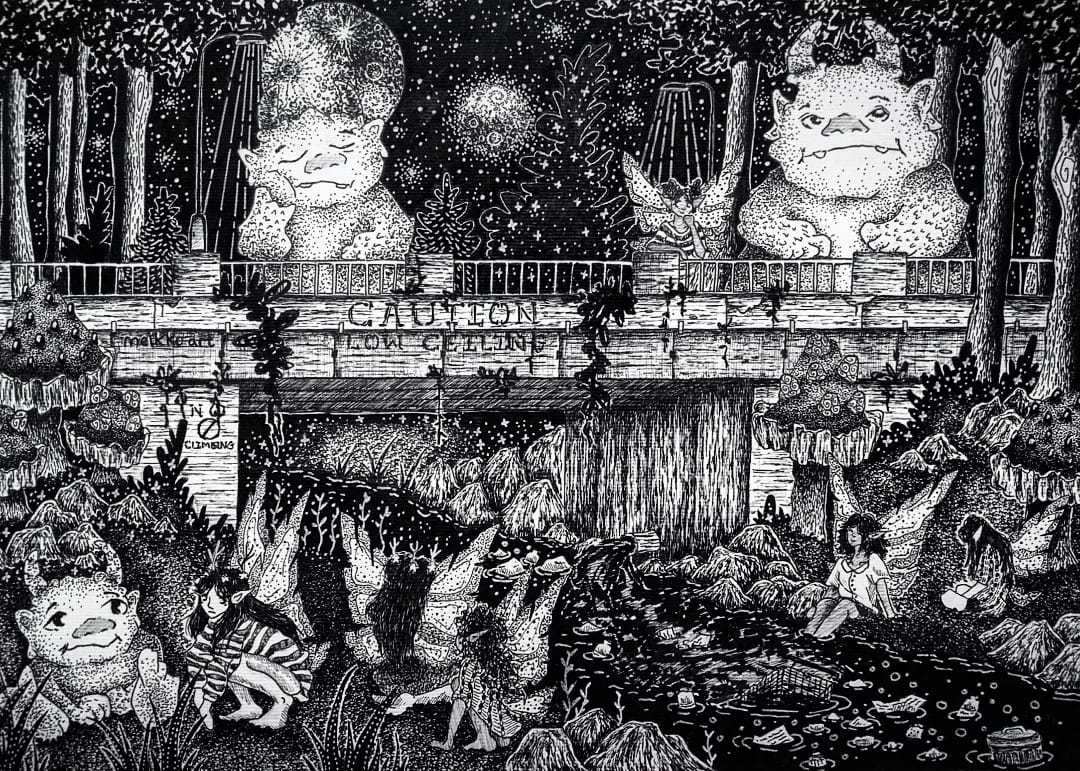
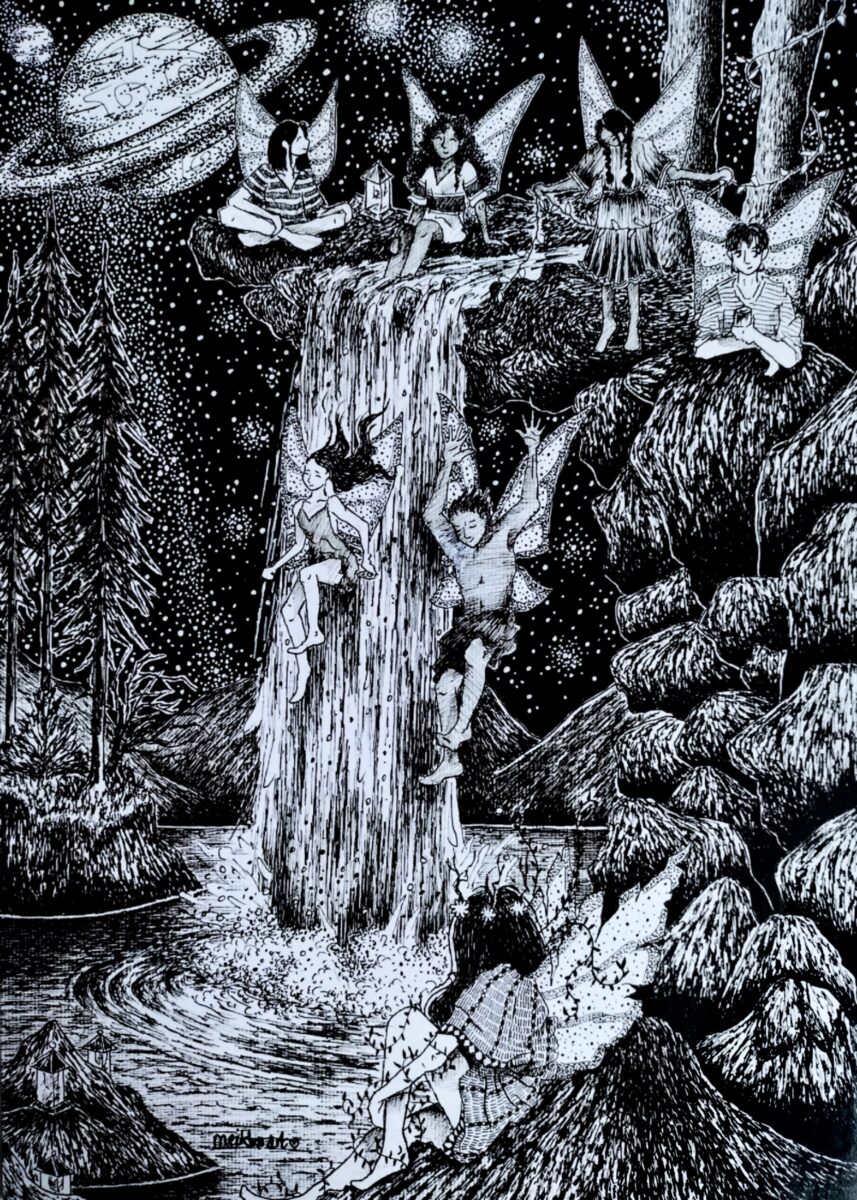
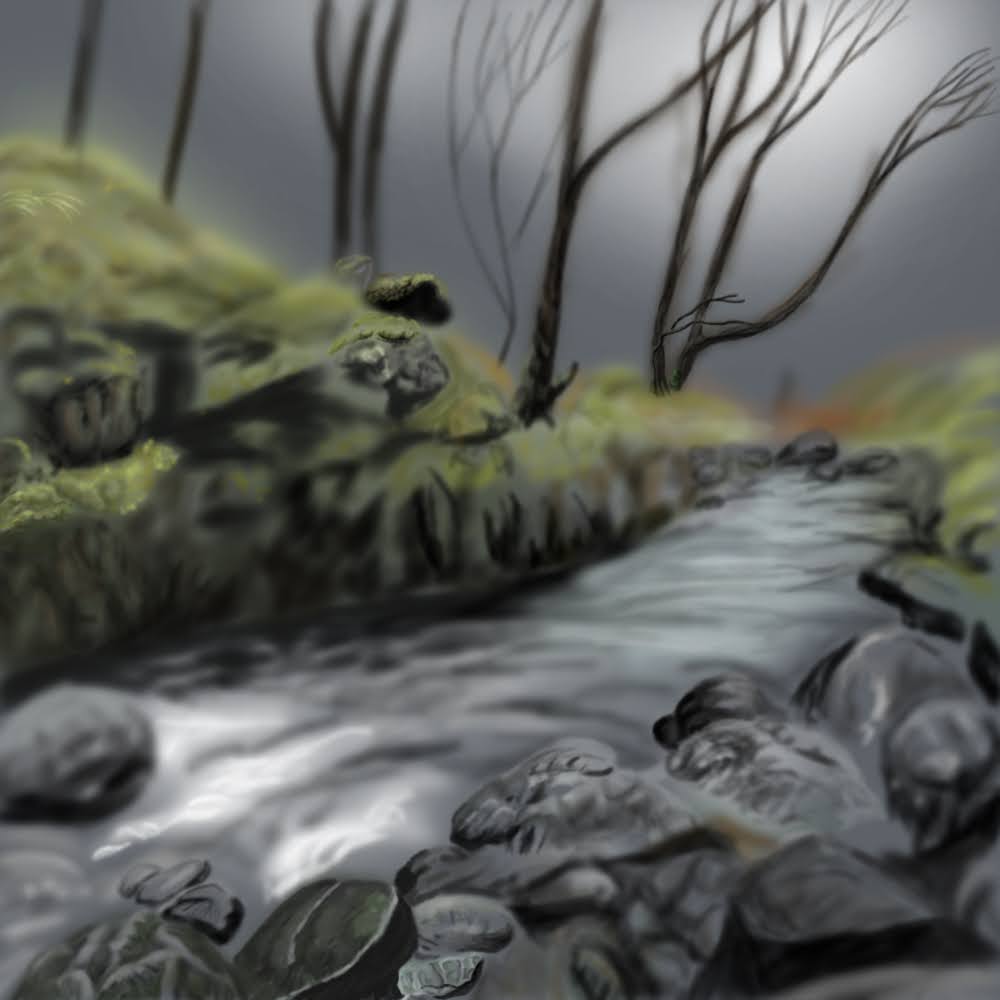
Ella Leppanen (Meikko) – The Betoni River

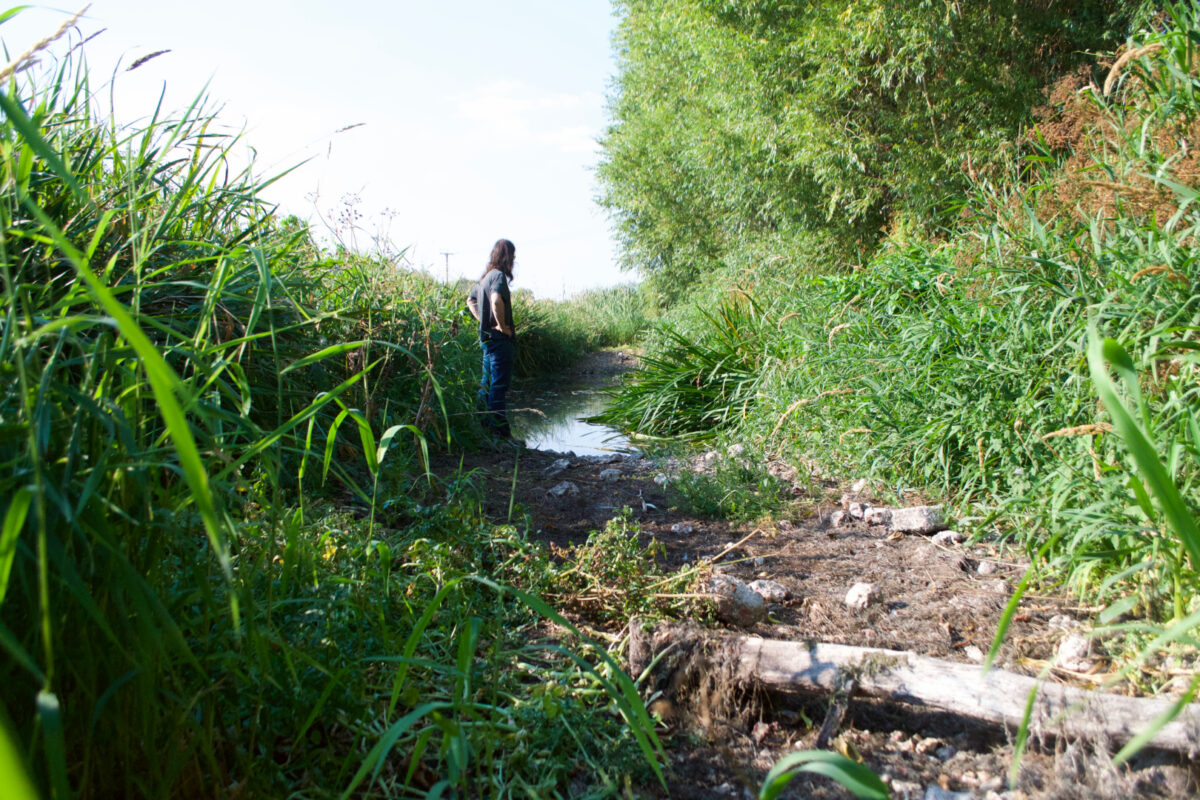
This piece was created as part of a series set in a dystopian city called Betoni, which reflects the worst of our own real cities. Freshwater is such an integral part of survival for all organisms and it is awful and infuriating seeing it being destroyed by the greed and ignorance of humans. My hope is that artwork can act as a wake up call for how poorly we are treating all the rivers, so that hopefully one day every river will be appreciated and respected as they should be.

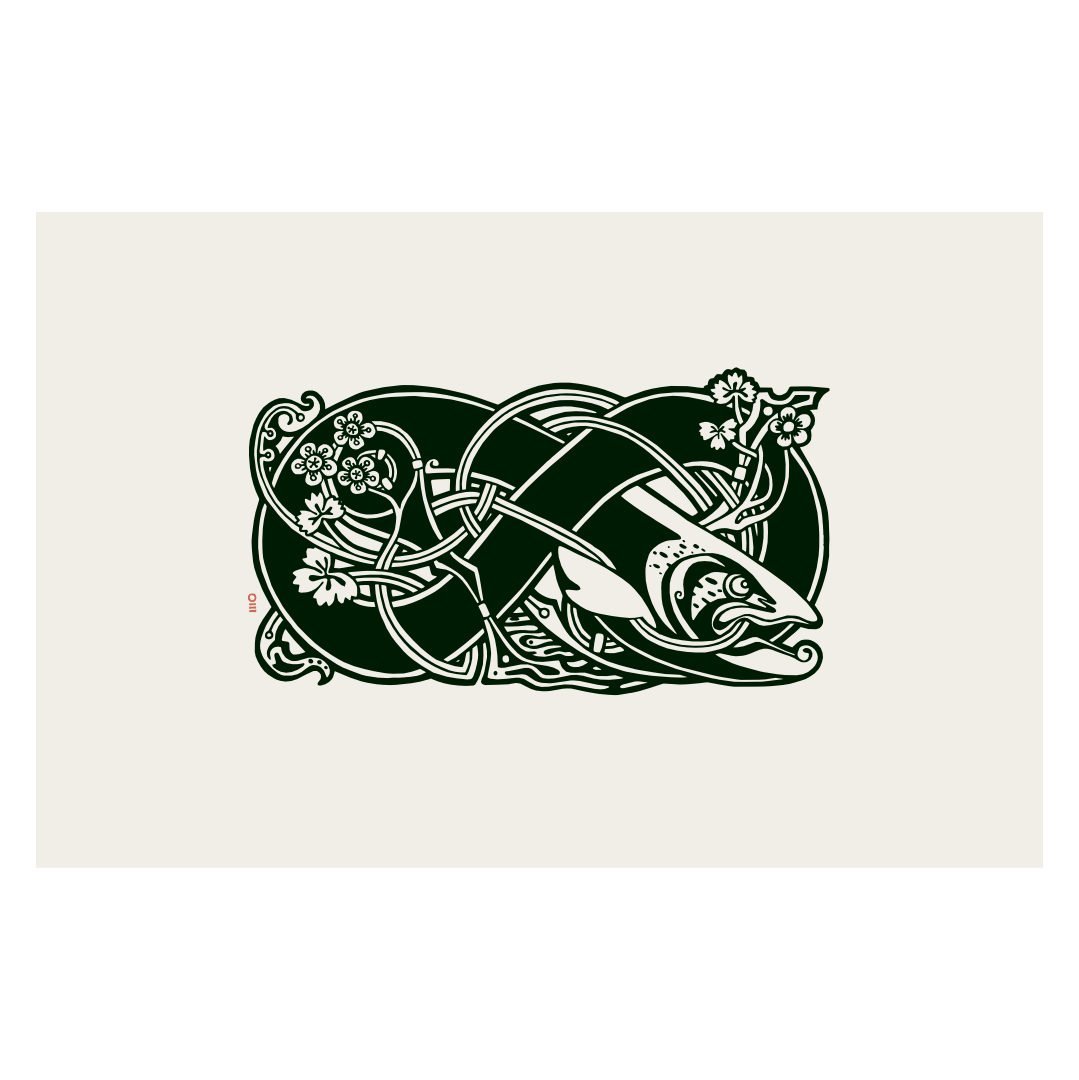
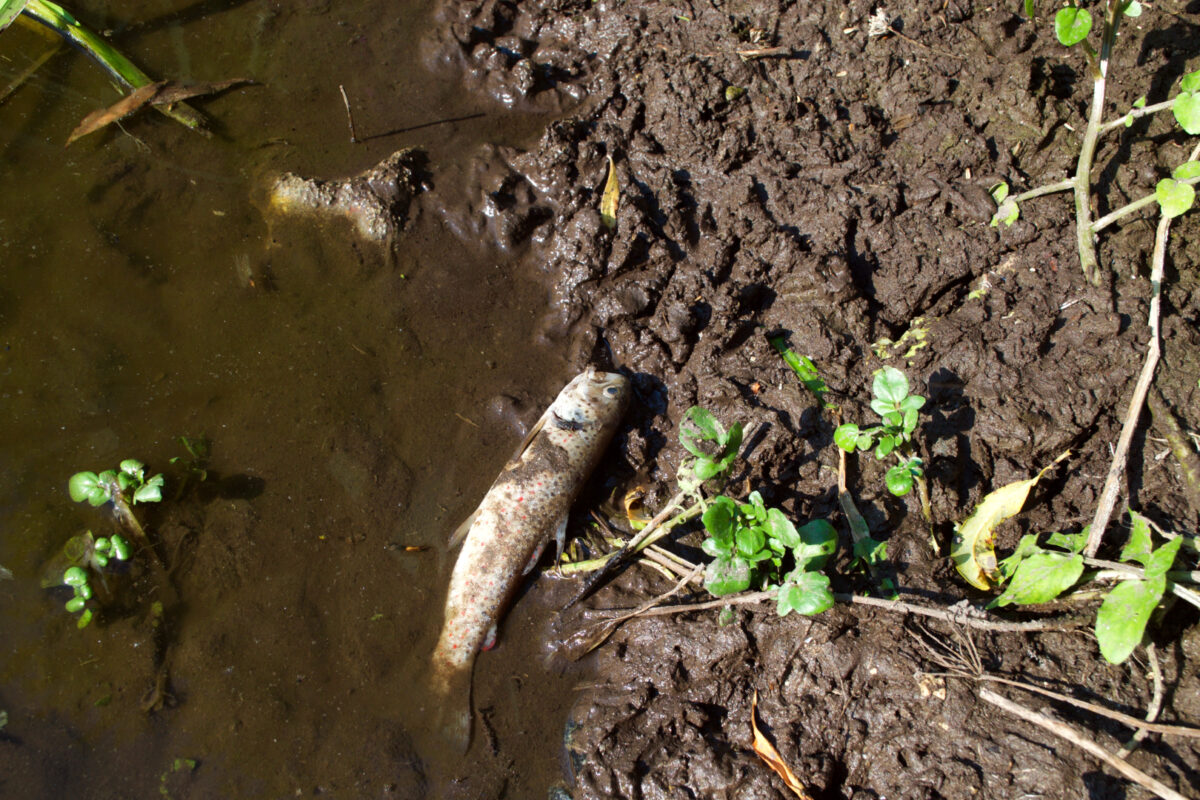
Rosie Rowland – Chalkstream Knotwork (Brown Trout & Water-Crowfoot)

Simply put, freshwater is life – an immensely dynamic & powerful force of life.

Nothing on this planet would exist without water. To allow our finite freshwater resources to be polluted by human activity is a fundamental misunderstanding of our own basic needs for survival. Let alone the countless other species relying on this incredibly precious resource.

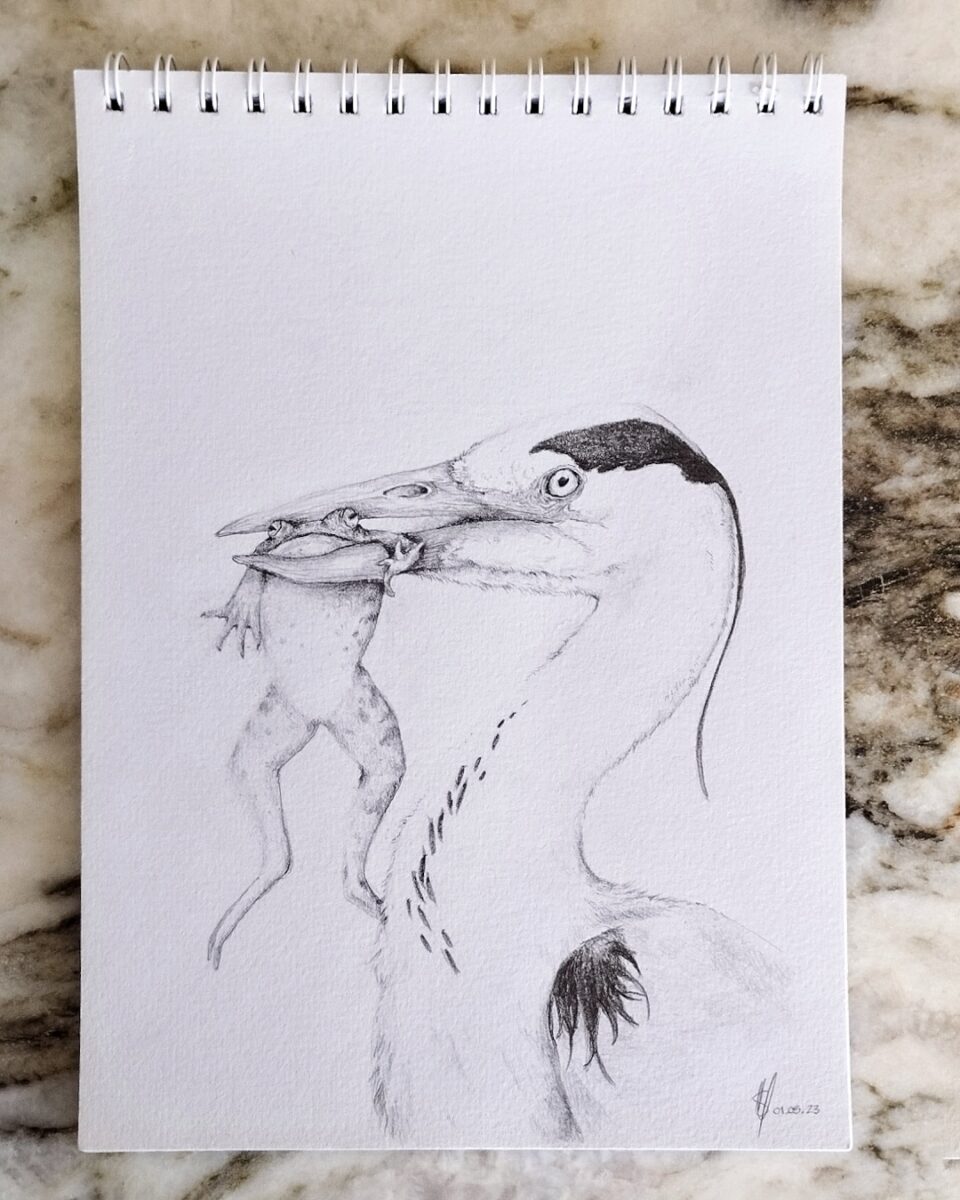
Shirley Therese van der Horst – A Big Meal

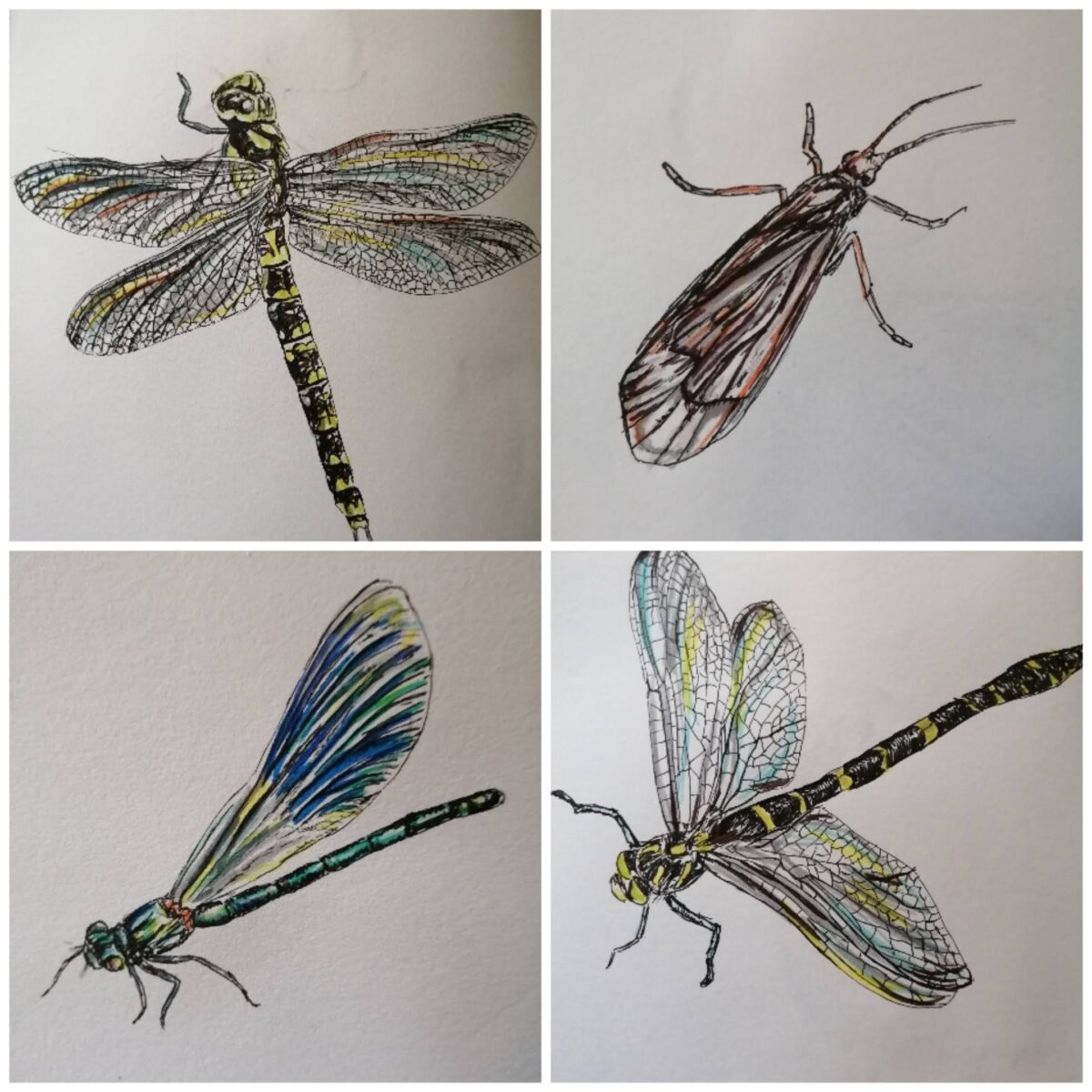
Freshwater is such an important resource. It is fundamental for life’s survival, and freshwater habitats shelter an enormous amount of wildlife. This is more than enough reason to want to protect them, but for anyone who has sat next to a stream listening to the soothing noise of water over pebbles or has felt the cool, comforting embrace of lake water as they swam, watched the damselflies dance over its surface, we know that it’s importance to us runs deeper. For me, at least, it provides comfort, like the visit of an old friend.

Freshwater exhibition

Christie Randall – birds (collage)
Christie Randall – dragonfly (collage)
Christie Randall – river
Claudia Tong – Along the River Thames – Battersea (watercolour and pen on paper)
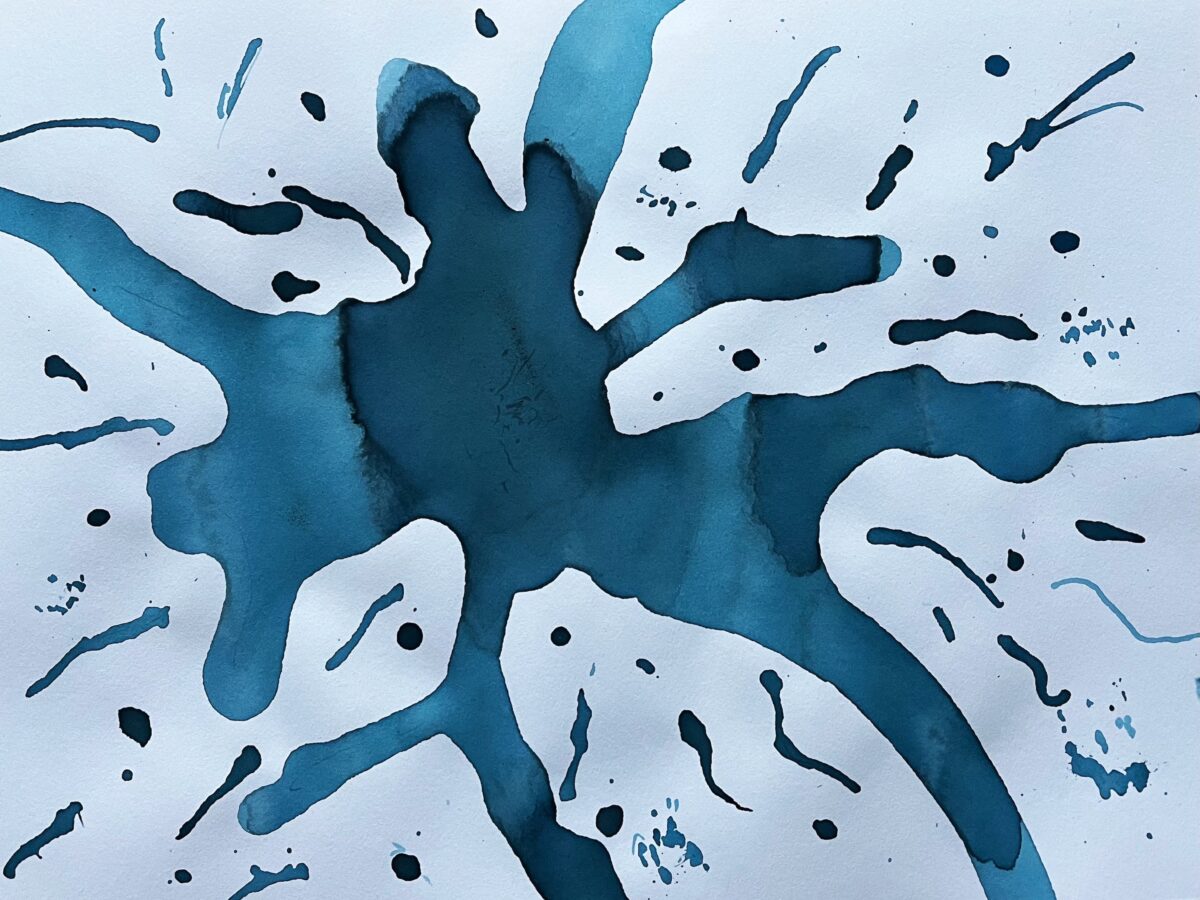
Claudia Tong – A Splash of Freshwater (ink on paper)
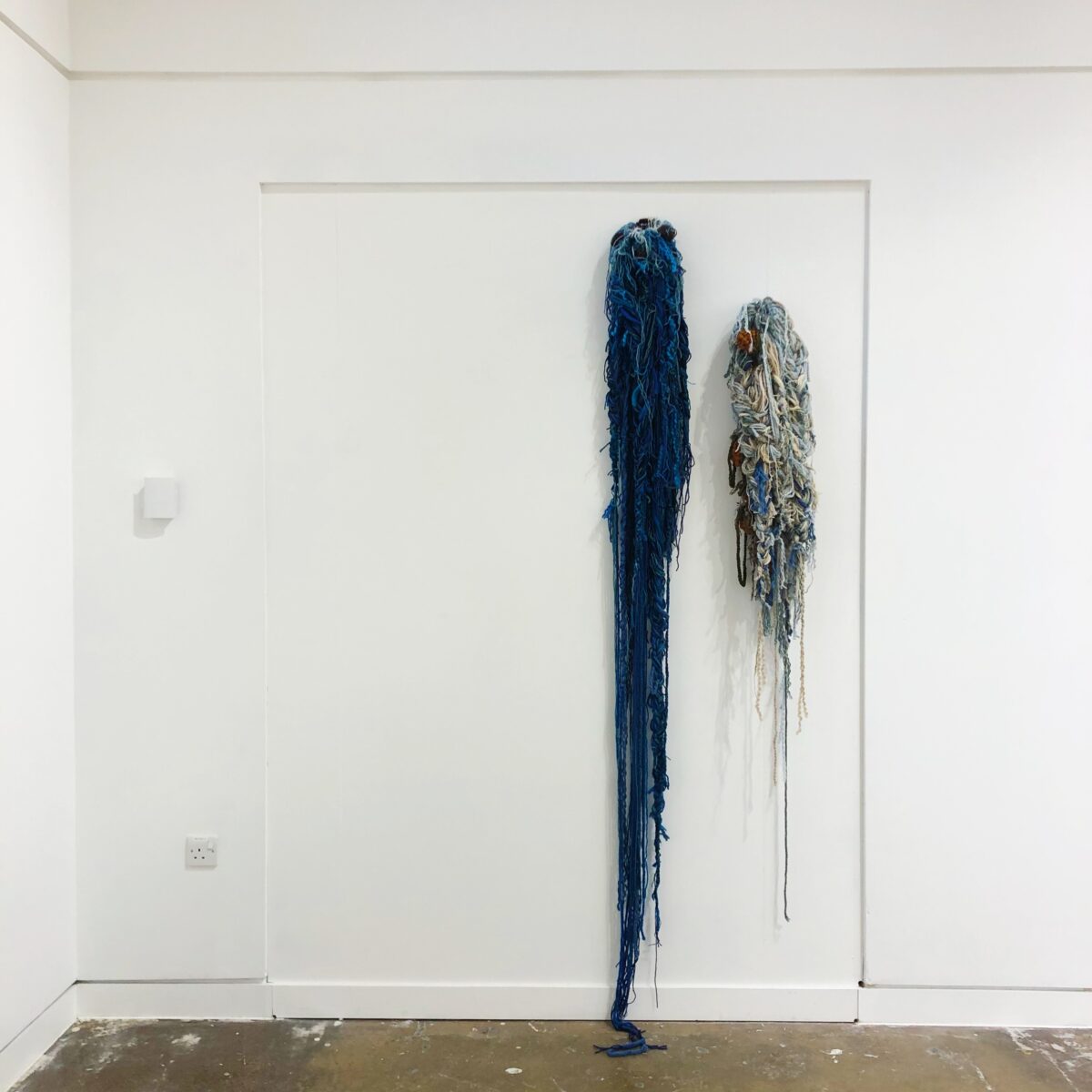
Eve Harker – Hardraw Falls and Falling Foss (textiles)
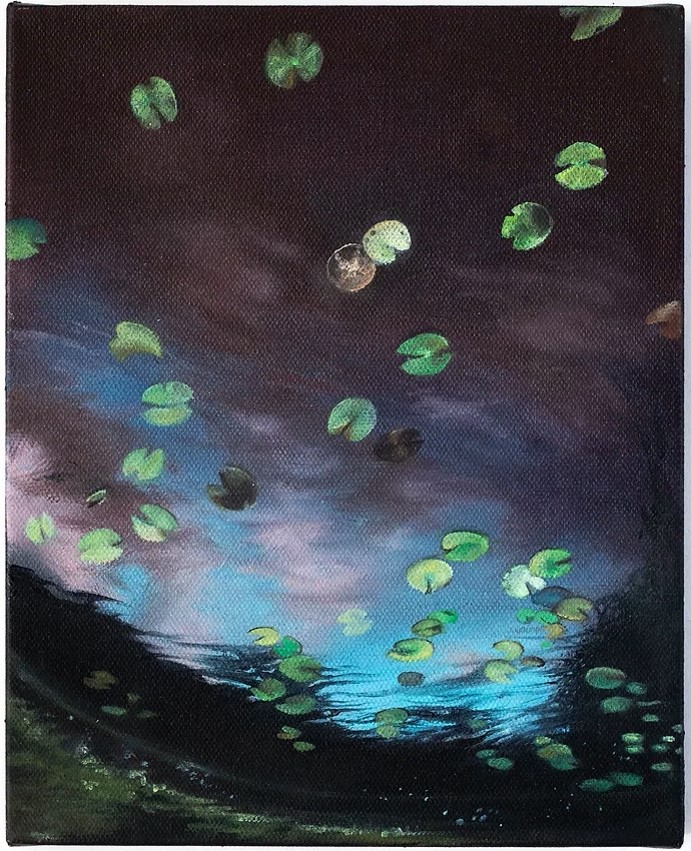
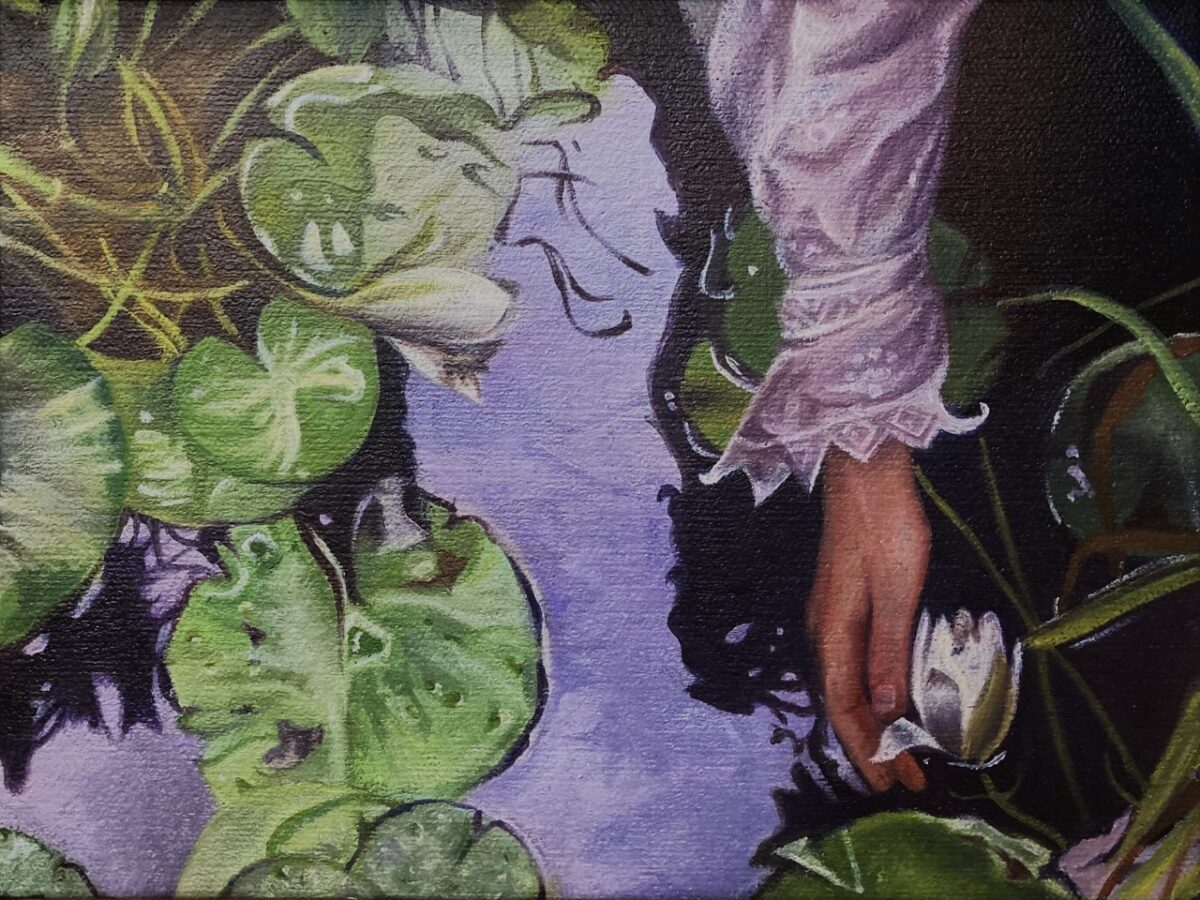
Emma Phillips – Lillies (oil on linen)
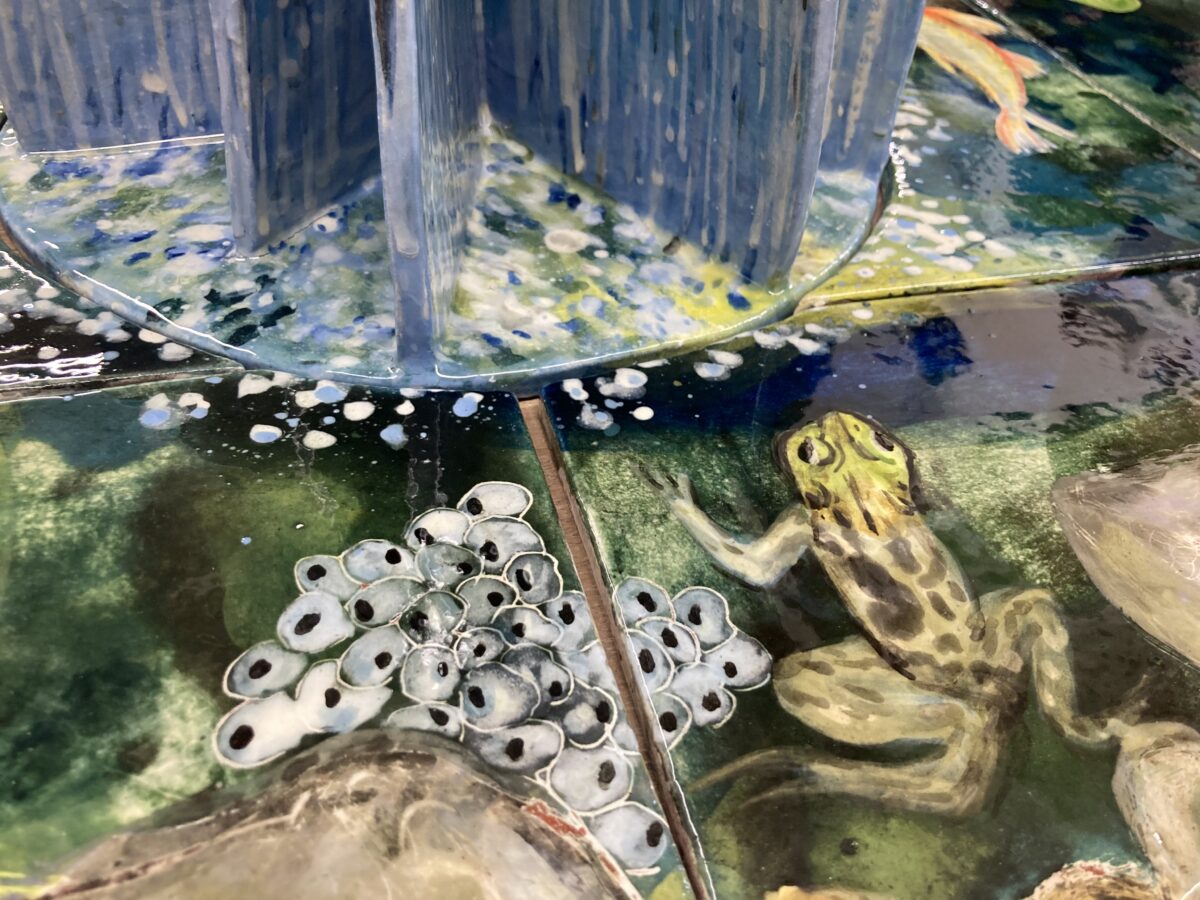
Henrietta MacPhee – Pond Life (Painted and glazed ceramic mounted on wood)
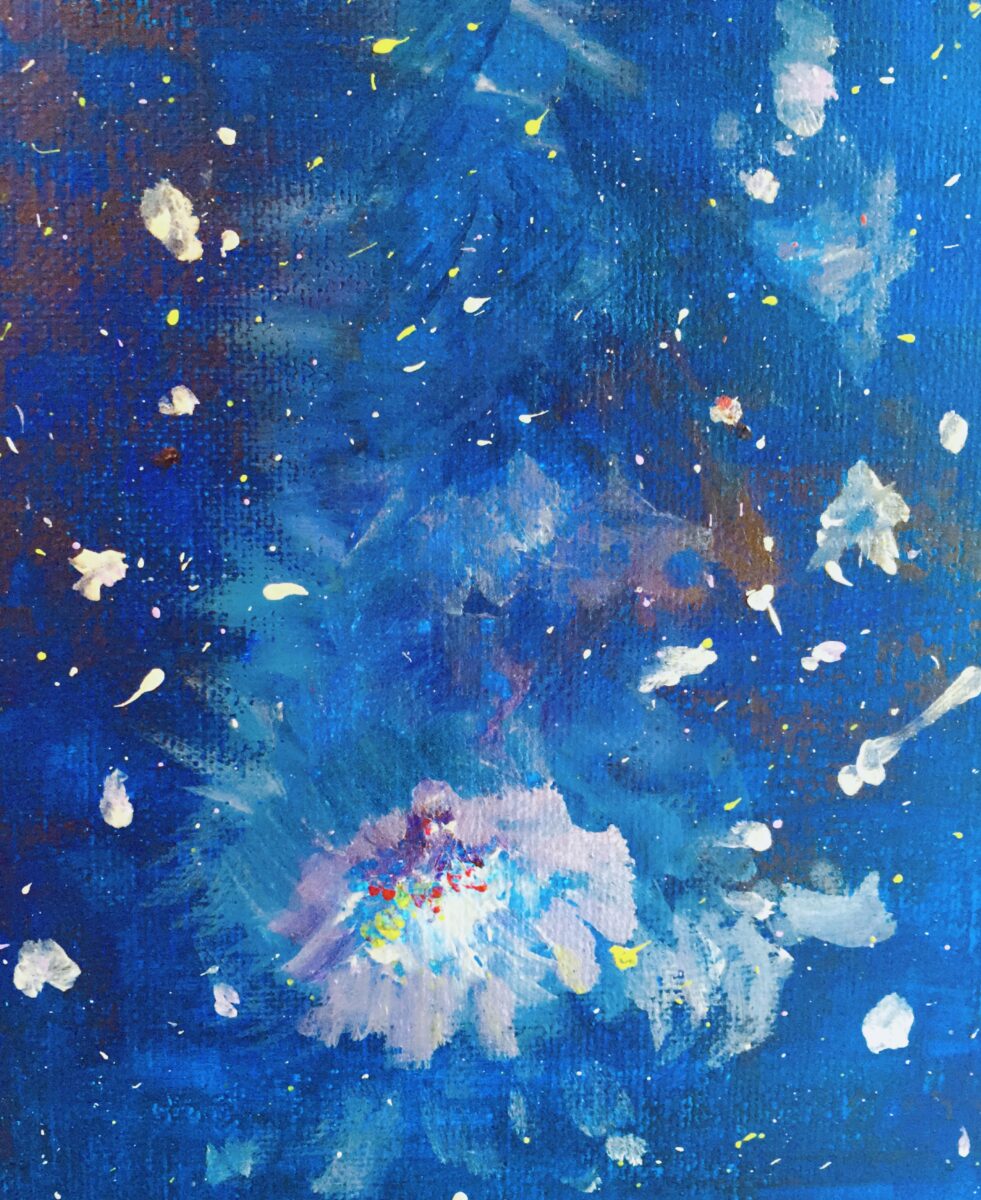
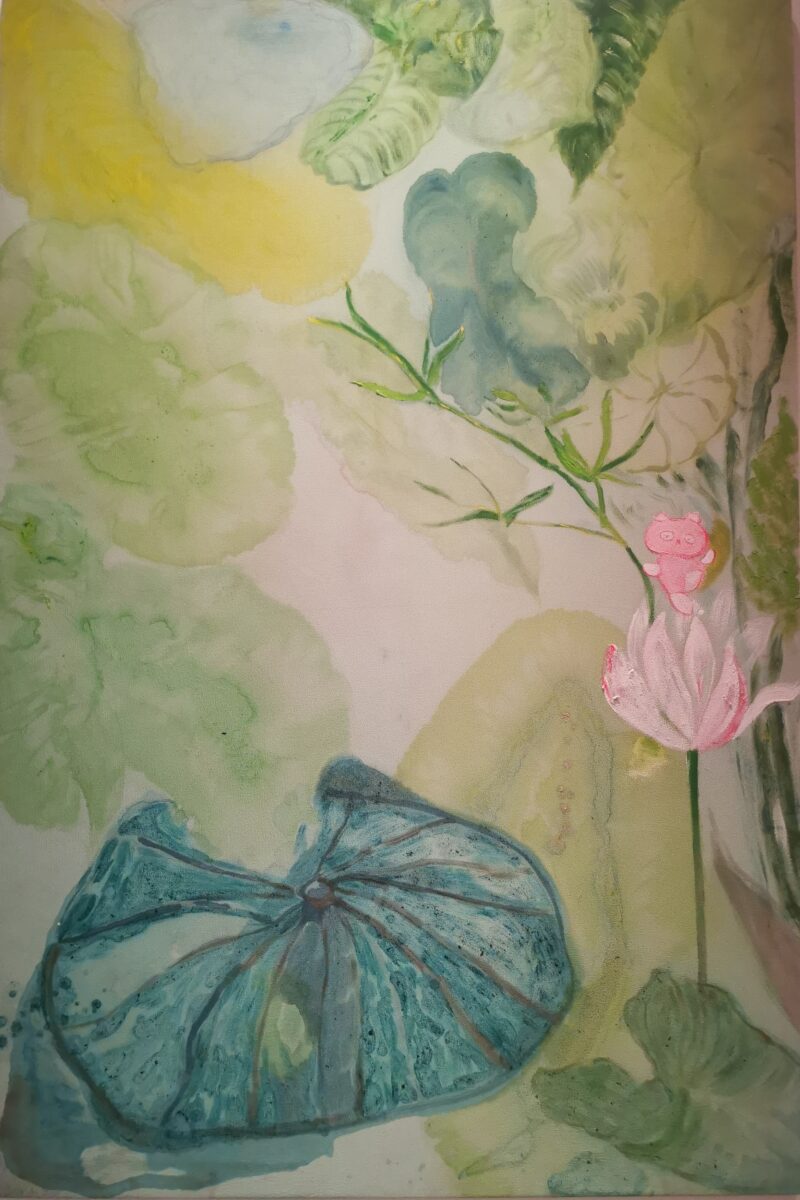
Kun Fang (Mixed media on canvas)
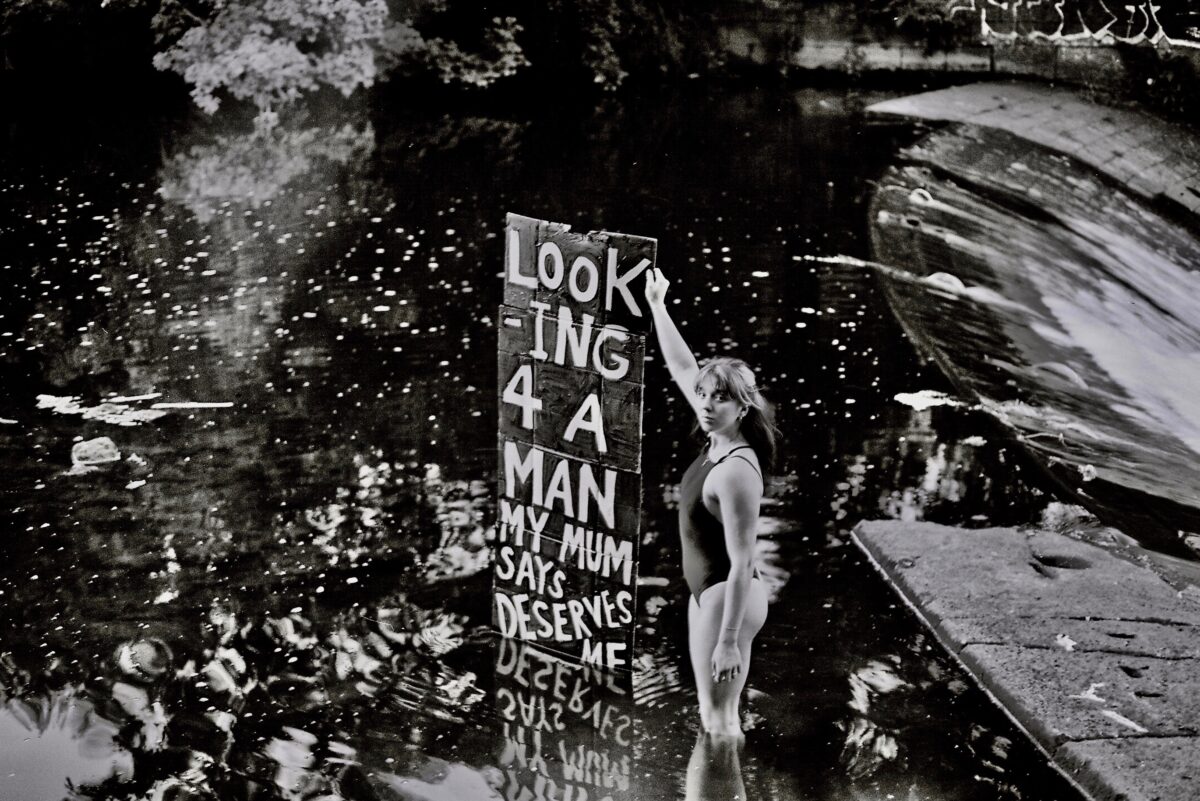
Manuela Amey (film photograph)
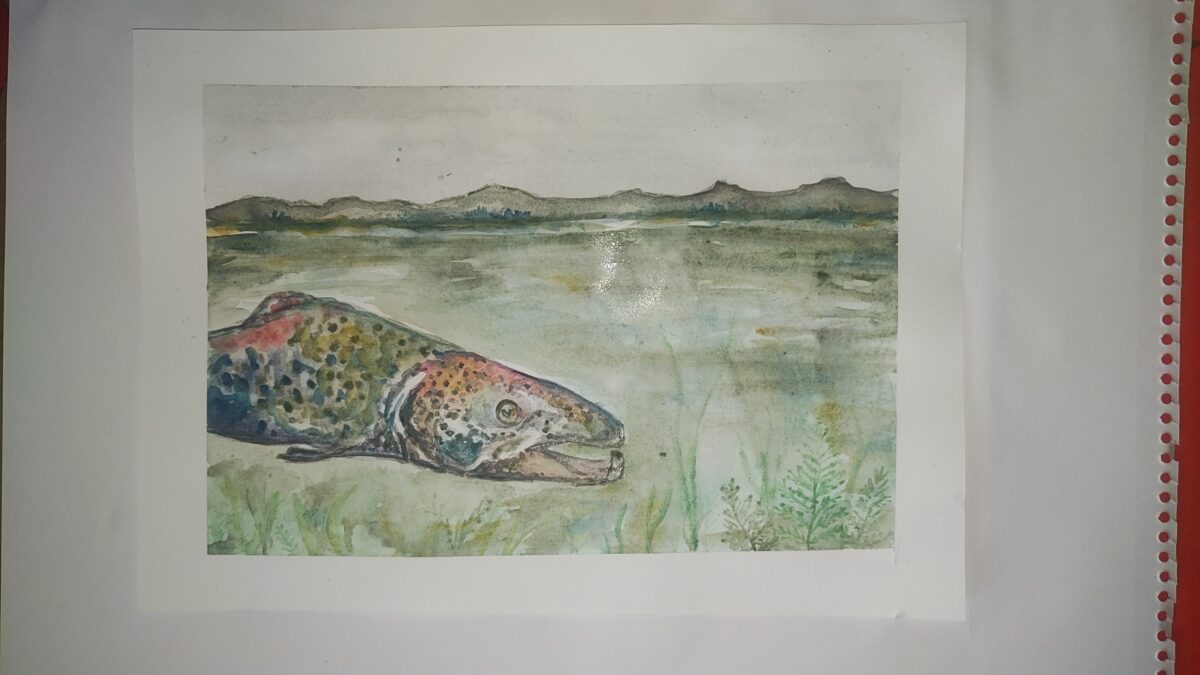
Rosa Hicks – Atlantic salmon
Rosie Rowland – Wallop Brook (photograph)
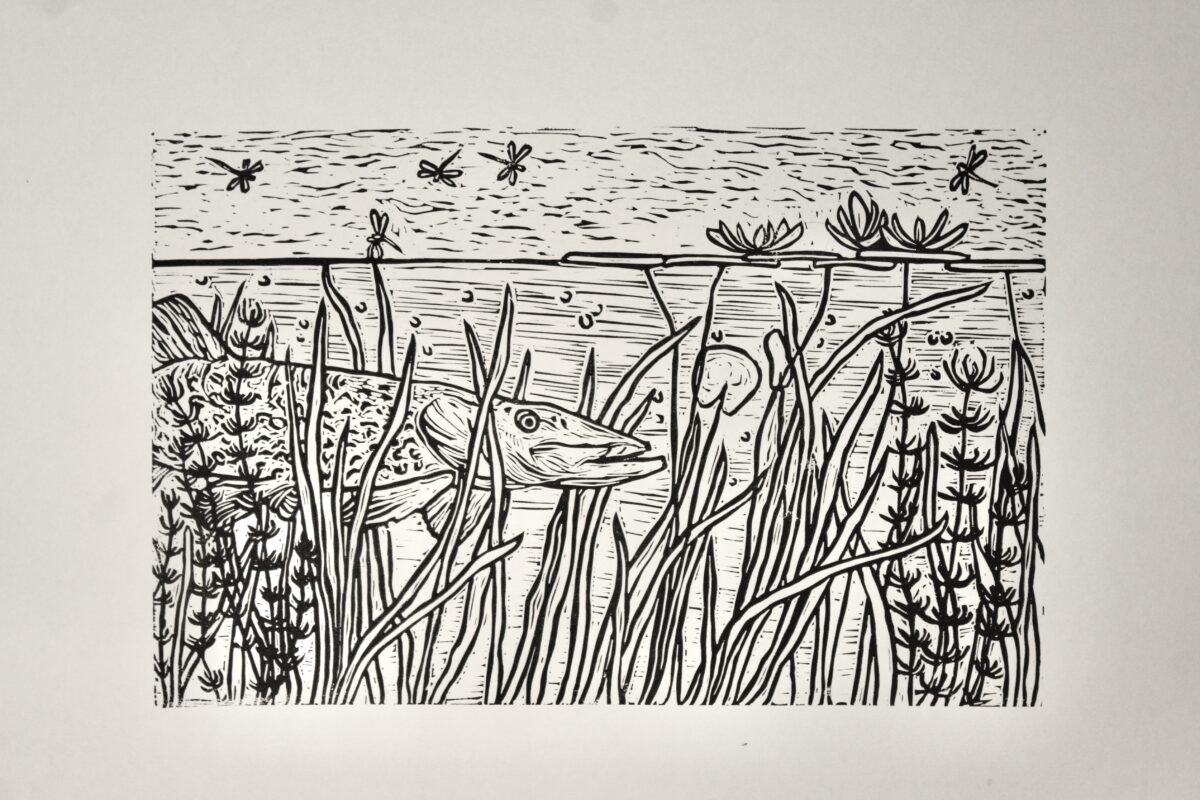
Will Wright and Martha Solloway – Coppermill (lino print)
Yarm Prep School (ceramic)
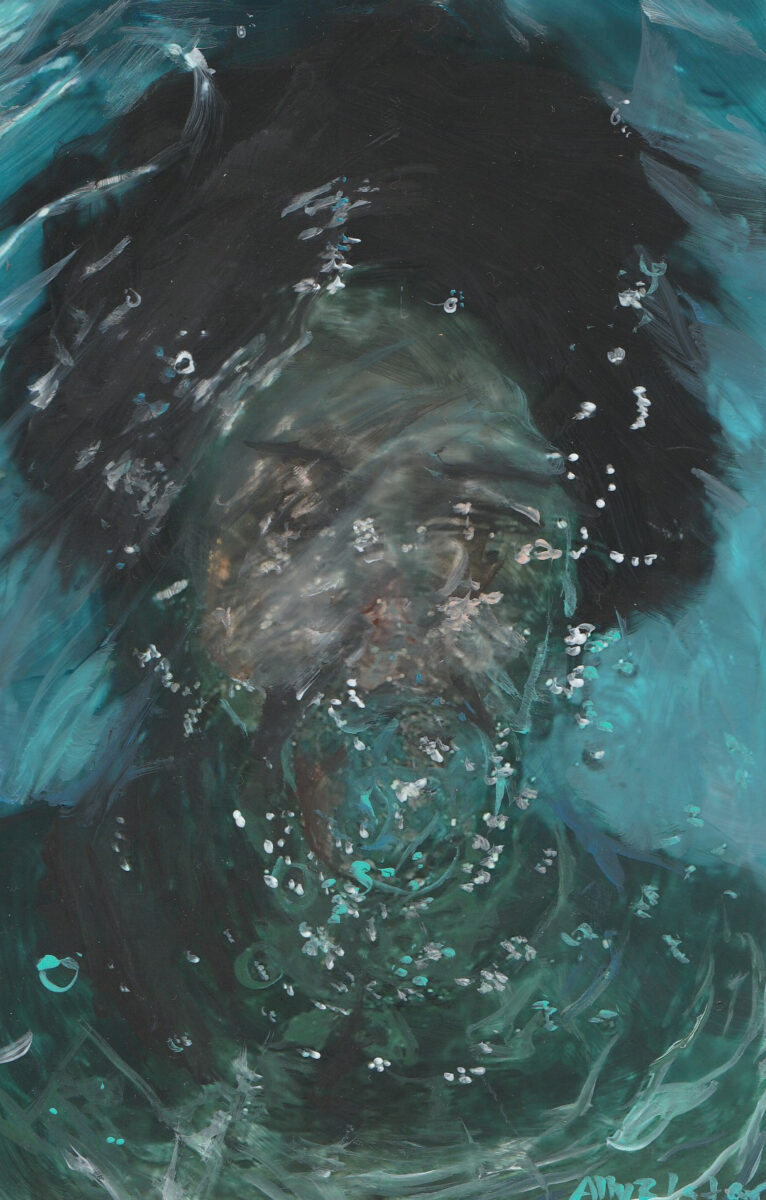
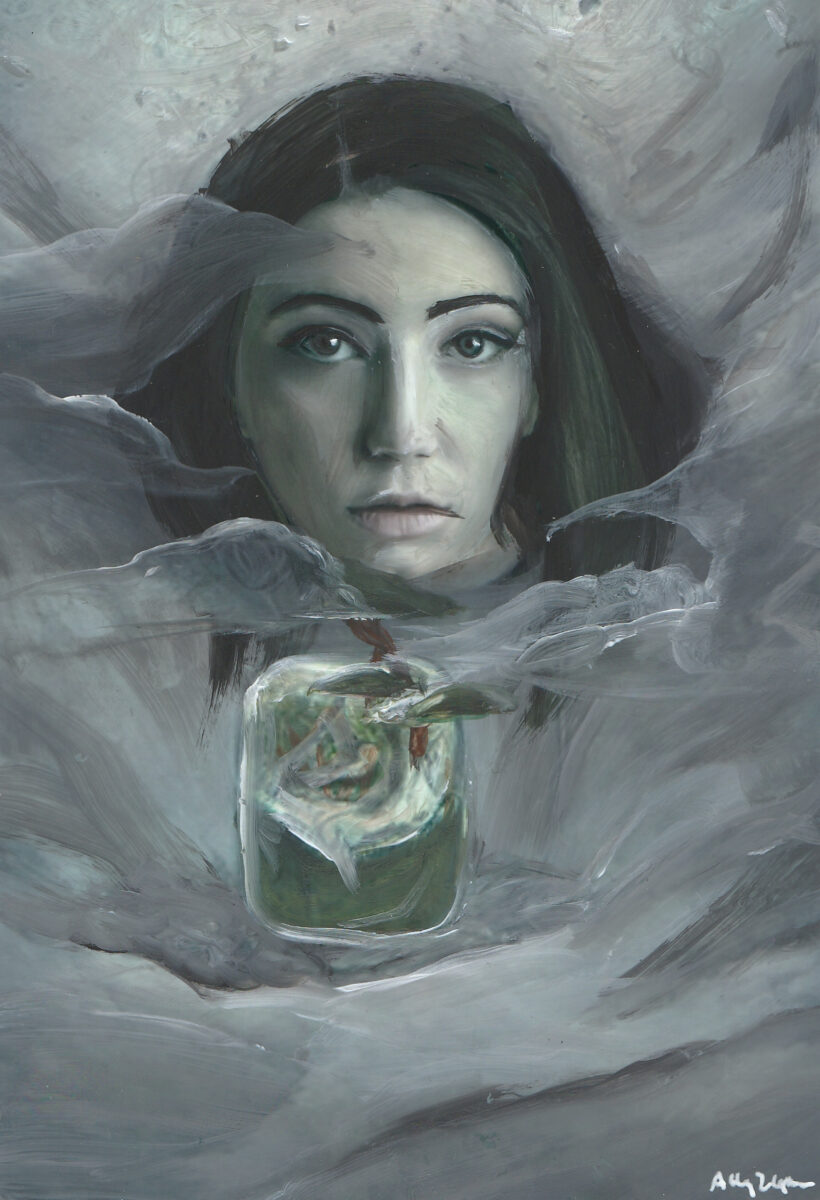
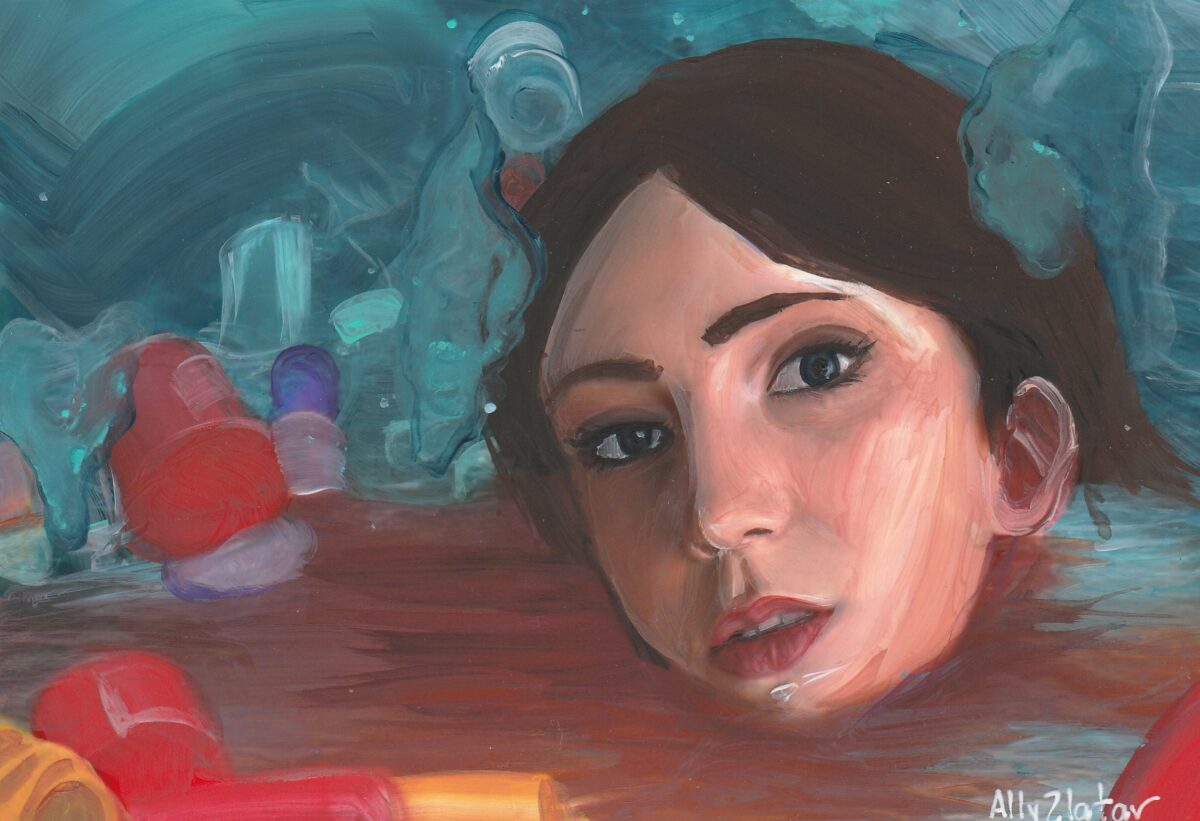
Ally Zlatar
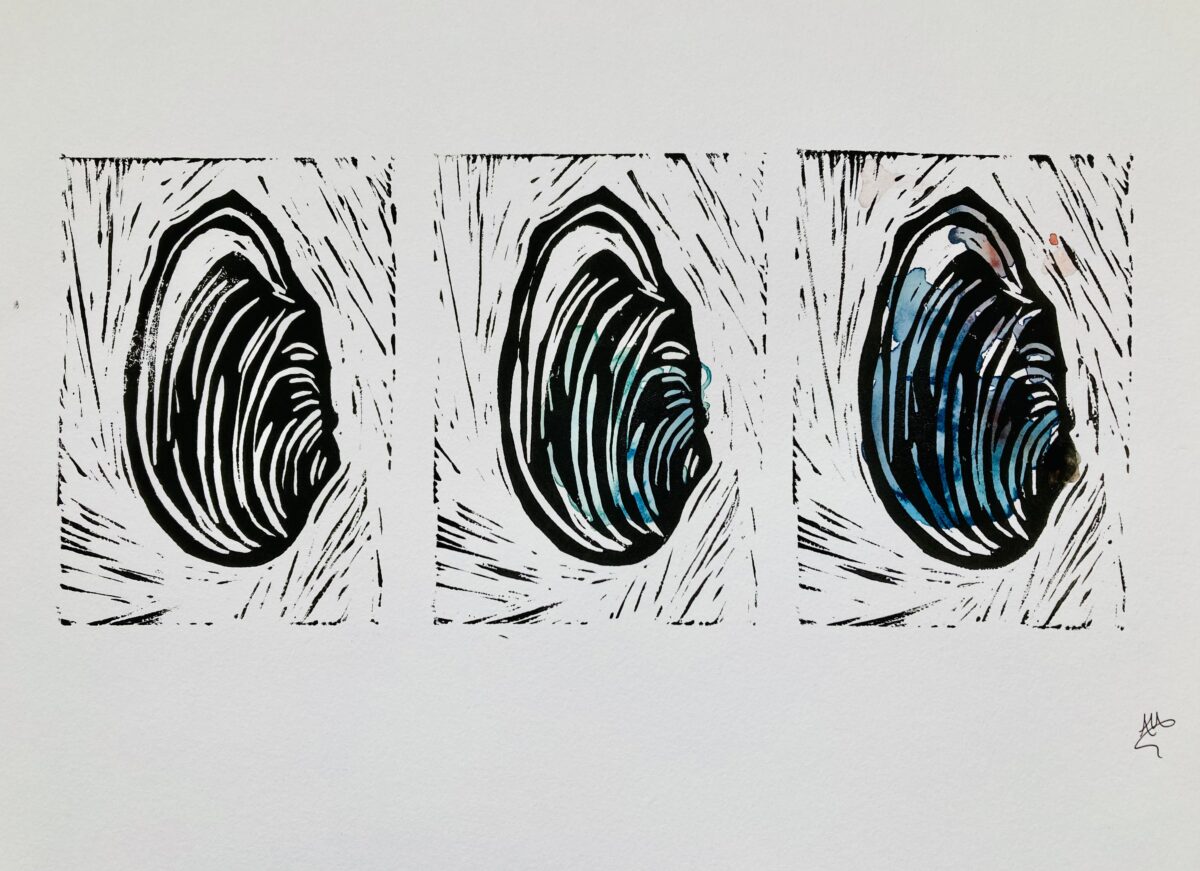
Alicia Hayden
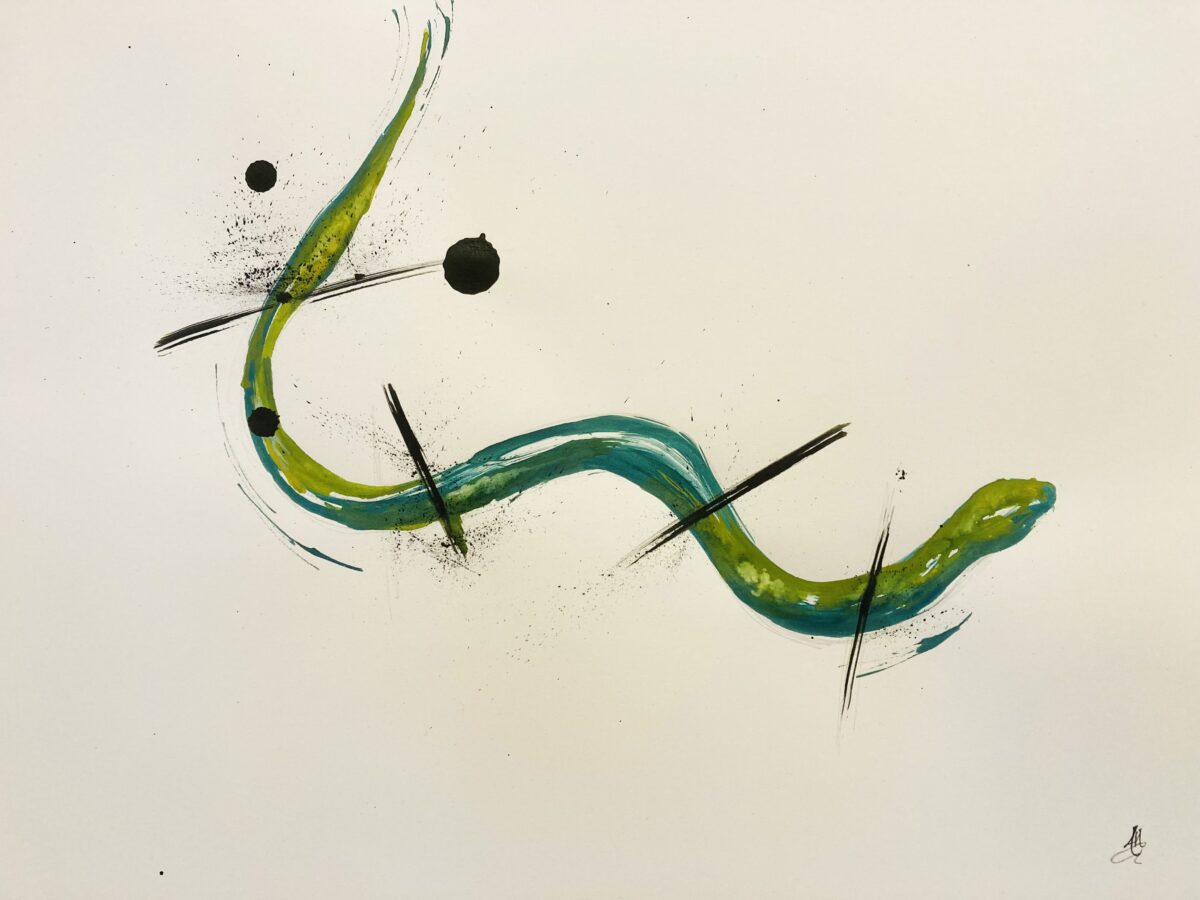
Alicia Hayden

Thank you to everyone who sent in their artwork – we can’t wait to run something else like this again very soon!

If you want to learn more about our Not so Freshwater campaign and the chemical crisis in UK rivers, click here.