

Who are you? (Tell us a bit about yourself!)
My name is Robson, and I am a third year Ecology and Conservation student at the University of Brighton. I am currently completing a dissertation on pond creation and restoration, looking at the use of invertebrates as bioindicators. At the university I am also President of the Ecological Society, where I work to deliver events and opportunities to connect students to nature and to develop their skills.

Outside of my studies I am a Youth Ambassador for the South Downs National Park, where I represent youth voice in the management and decision making relating to the park. As well as this, another part of the role is raising awareness about the work of the National Park and pushing for inclusion and accessibility within the landscape. I am also the Youth Engagement Coordinator for the Sussex Mammal Group, where I am working with other local groups and underrepresented communities to create a variety of opportunities and events for young people to engage with mammals and conservation. I also do some bits to support species monitoring efforts, such as being a Wetland Bird Surveyor and participating in other schemes. And of course, I am also part of the UK Youth for Nature community!
What’s your favourite season, and why do you enjoy it?
I love spring and autumn. I think there is something so special about how they act as a transitional period and the visual changes we experience in nature during these times. From bird migrations, flowers coming into bloom, and leaves falling, spring and autumn are definitely some of the most visually stunning. They’re also a fantastic time to spot a wide range of species, which is great if you’re a keen naturalist such as myself.

Why do you feel so passionately about National Parks?
There are a couple of reasons why I feel so passionate about working with National Parks here in the UK.
Firstly, I feel that there is an important role to play in increasing the public understanding of National Parks and what they are. Whilst National Parks are in part designated for their importance for nature, here in the UK they are also designated in part for their historical, geological, and landscape importance. In fact, many people live inside our National Parks, whereas in many other places National Parks are expanses of land where no one lives.
Secondly, I believe that landscape scale efforts are needed to counteract the ongoing nature and biodiversity crisis, and National Parks have such potential within this. To achieve biodiversity and nature targets we need to see habitat and landscape scale action, and protected landscape’s management plans can drive this.
What is one thing that you think we need to see more of in nature spaces?
Without a doubt knowledge exchange between individuals and groups. Something I have personally realised is that there are so many people with such vast knowledge of the natural world, but this knowledge doesn’t seem to always get exchanged. So for me I think a big thing is to try to start and facilitate these conversations. No one person is ever going to know everything about nature, but if we can all share what we each know then more people have a wider knowledge. This in turn creates more awareness about nature and the environment, but also develops for skills for those that work in the environment sector.
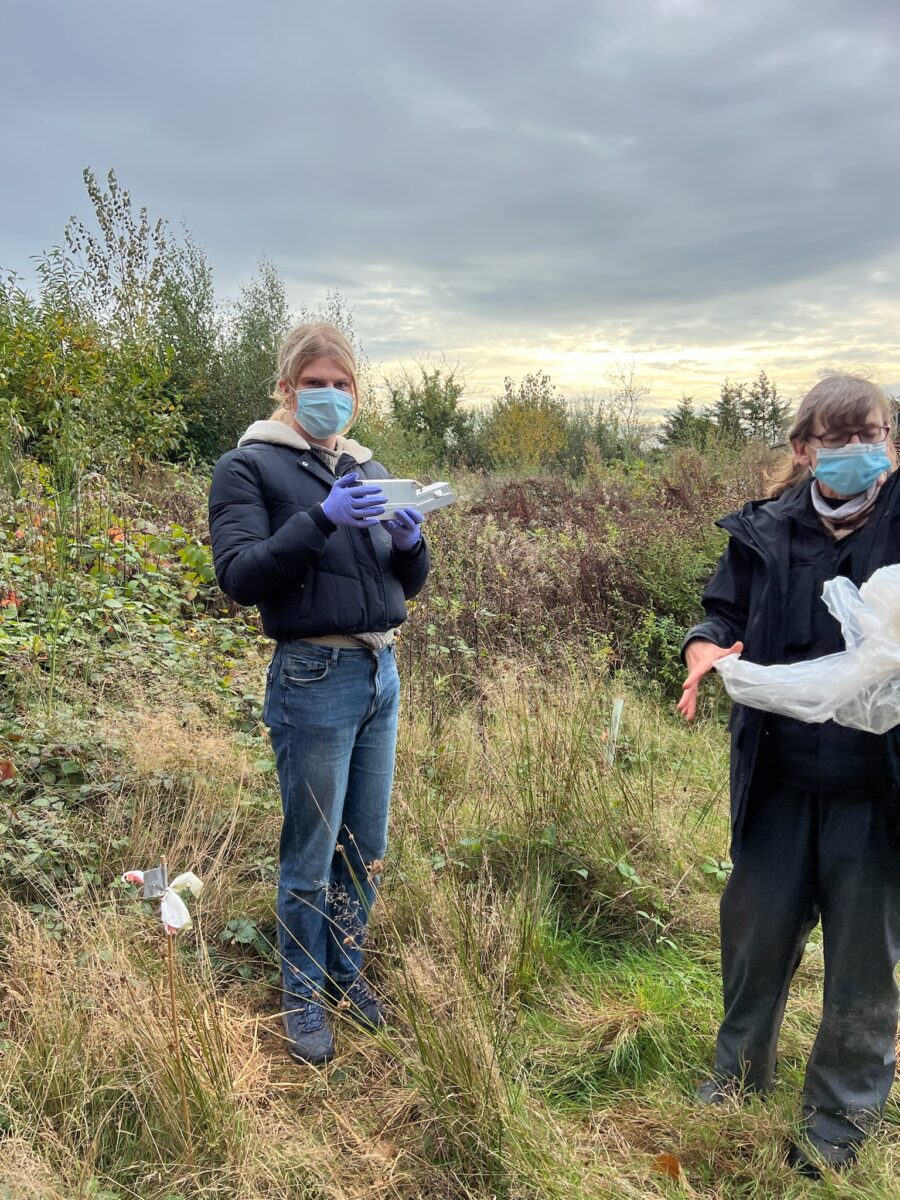
Where is your dream place to travel to?
My dream is to travel to Oceania one day. The wildlife is so diverse, and I would love to immerse myself in it all. For example, where else in the world would you come across an egg laying mammal?
Closer to home, I would love to explore more of the British landscape. We have such diverse landscapes across the UK and without a doubt there is so much more I want to see. One big one that sticks out to me is Snowdonia, it’s somewhere I’ve always wanted to visit so fingers crossed I squeeze it in this year! I also would love to go to Skomer Island to see the puffins, and I would love to return to the Scottish Highlands as my previous visit to the Cairngorms was very brief.
If you could instantly learn any skill, what would it be?
I always say I would love to be better at species identification. However deep down I know that learning these skills and the extensive time it takes is part of what makes them so fulfilling. I am always curious to identify and understand the living things I come across, and so learning more about species identification is always a bonus. This is something I hope to really develop this year!
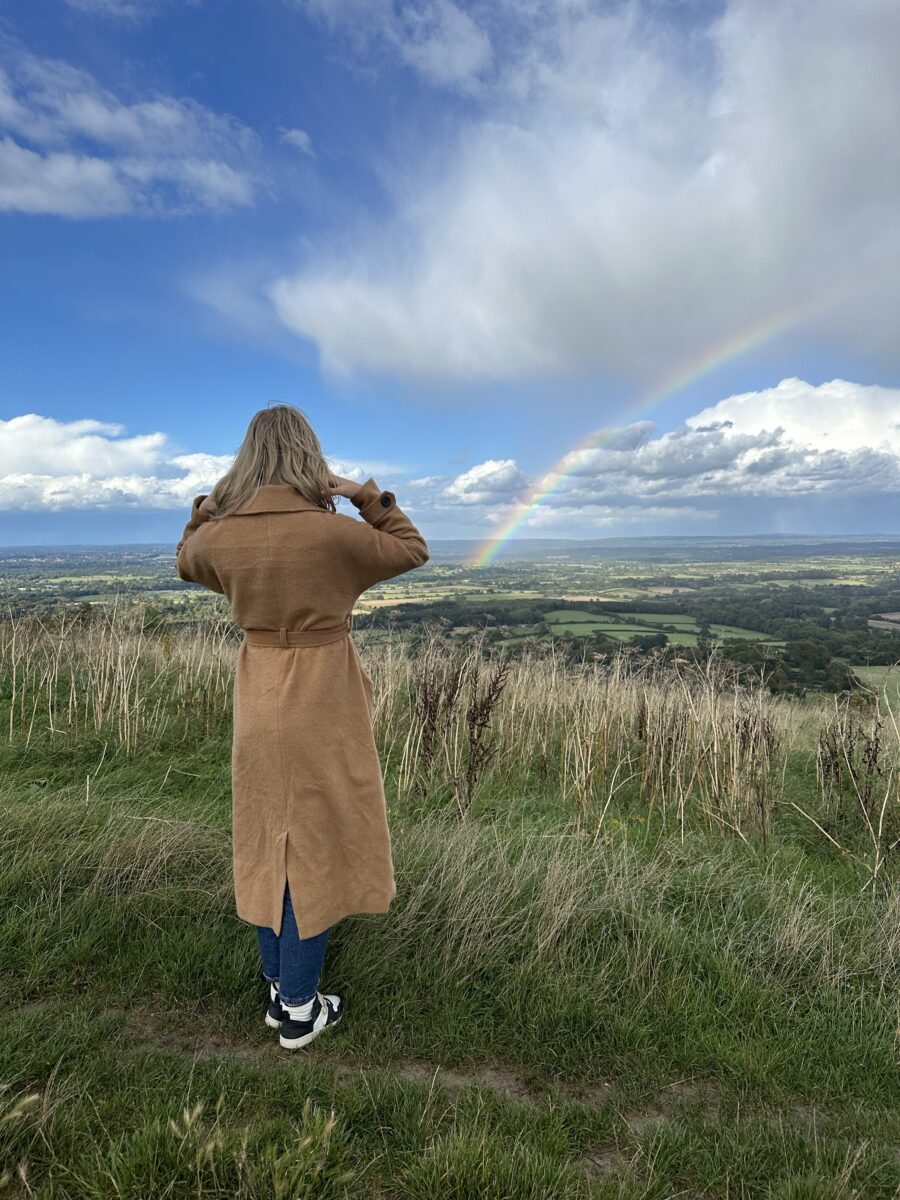
UK Youth for Nature is a group of like-minded nature lovers who are on a mission to improve the future for wildlife, nature and humans in the UK. If you want to be part of our community, you can find out more here.