First off, we love your YouTube channel – what got you started making wildlife films?
I’ve always been inspired by the legendary Sir David Attenborough – his passion for the natural world is so infectious. Growing up, I was curious about the insects I discovered in my back garden, from snails to woodlice. I wondered why they were all different shapes, sizes, colours, why snails had eyes on long stalks and why they had a shell etc. This ‘inner scientist’ is something every child has within them as they grow up.
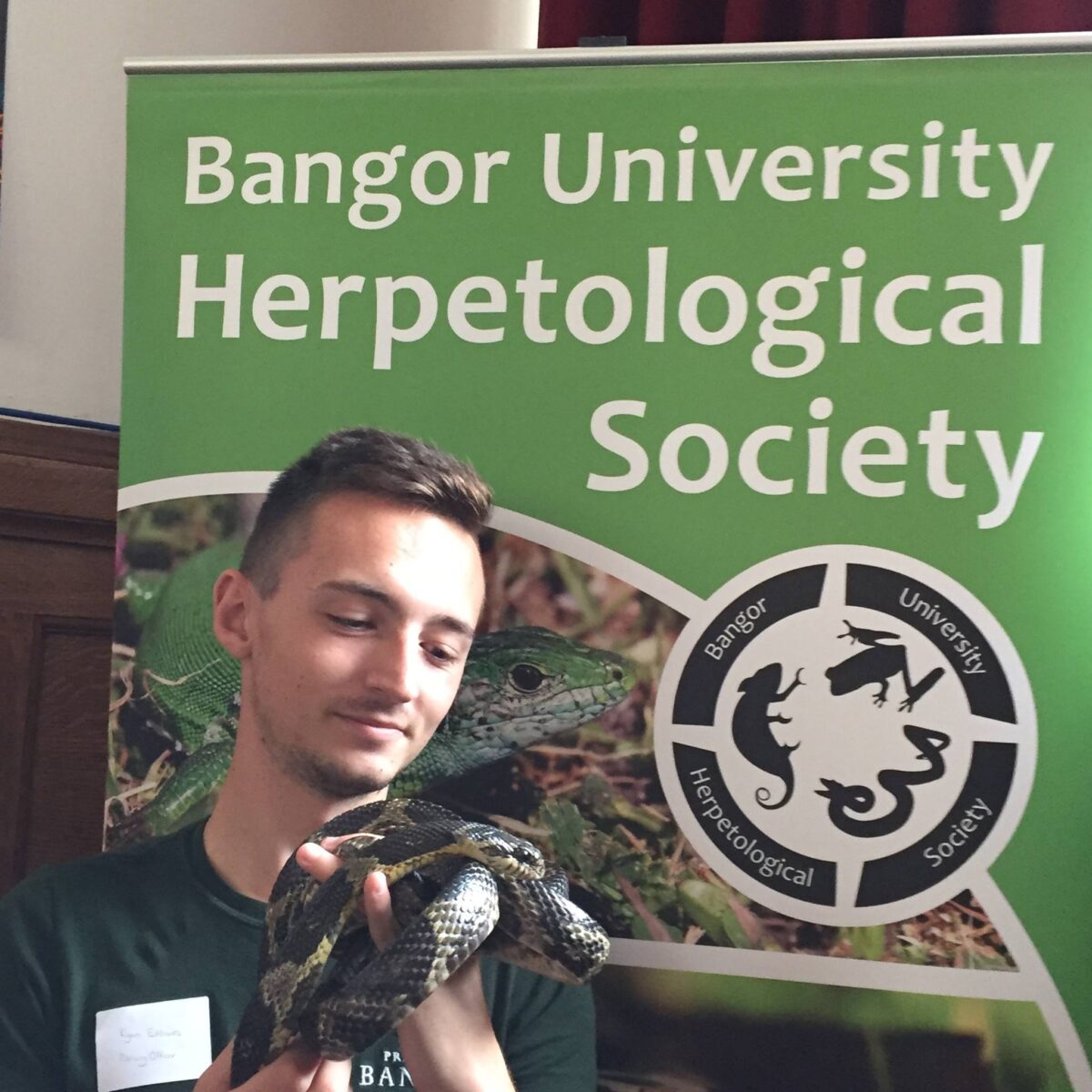
After leaving school, I went to study animal care at Rodbaston College. I graduated and went on to study Zoology with Herpetology (Snakes & Amphibians) at Bangor University in North Wales. It was here that I bought an old camcorder and started filming the local natural environment and wildlife. During a month’s wildlife filmmaking internship in South Africa, I learned how to become a presenter and I fell in love with the craft. I returned with my documentary called ‘Secrets of the Savannah’.
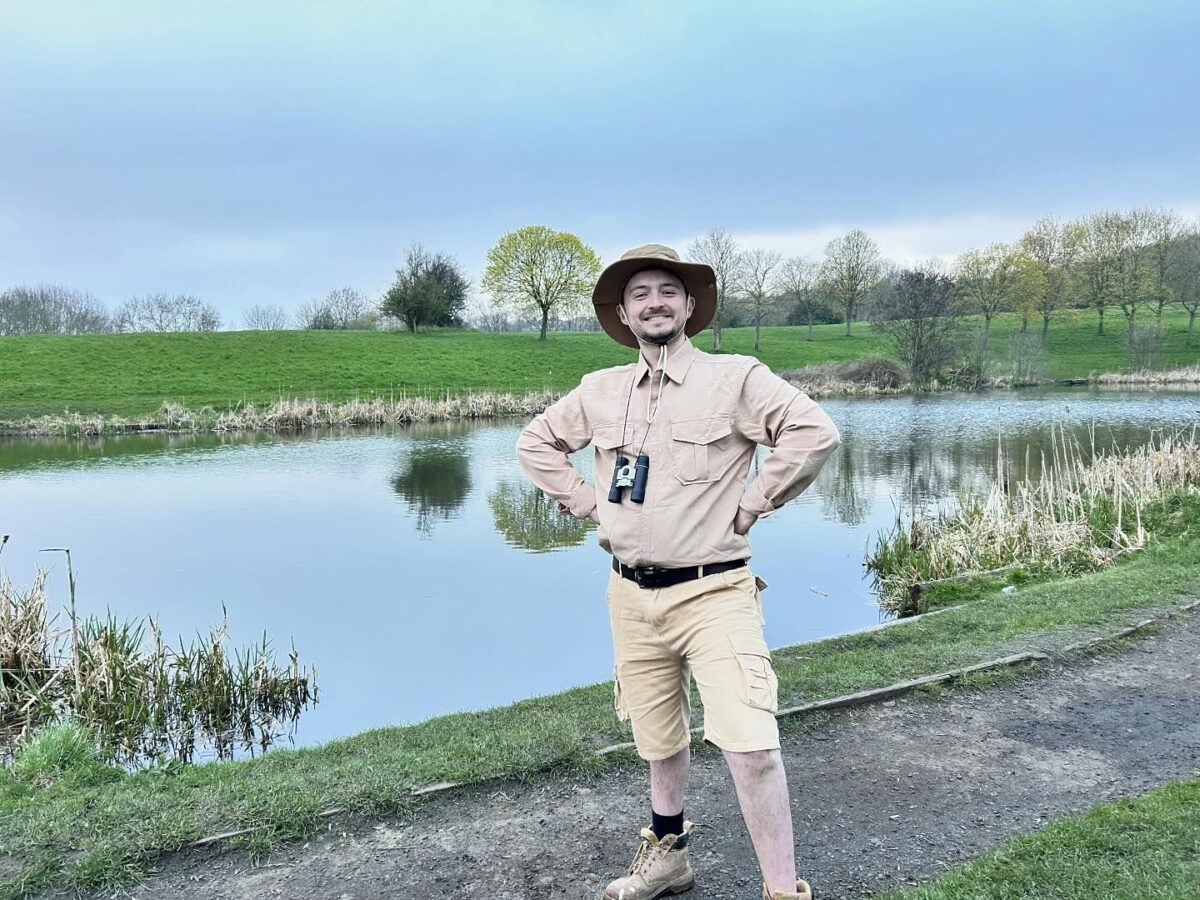
From here, I began making more films in my own time. My latest series ‘Ranger Ryan’ combines my unique humour and cheerful character to teach kids and adults about their local nature, like ducks, which feature in the first episode! In the future I hope to make more series with Ranger Ryan and maybe even make it on TV or Netflix.
Tell us about your Jurassic Coast Walk!
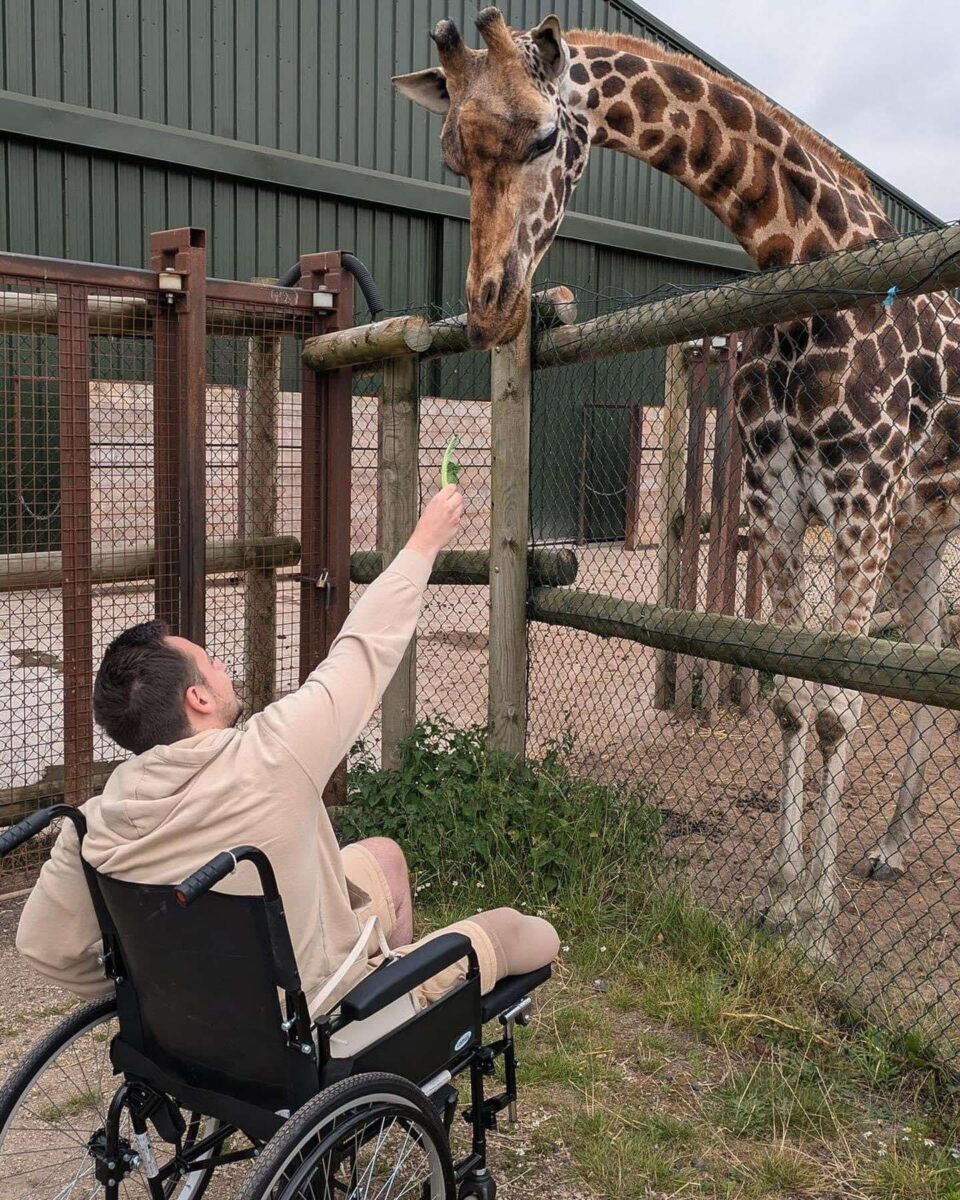
My Jurassic Coast Walk was to raise awareness of the birth condition I was born with known as clubfeet – a condition that causes your feet to turn inwards and downwards. It’s present on both of my feet.
Although it’s a common lower limb condition, there’s a lot of mystery surrounding it, especially around adults with clubfeet. My mission was to raise awareness of the condition, as there are thousands, maybe even tens of thousands of adults with untreated clubfeet. My walking challenge was to prove that a disability shouldn’t bar us from achieving our dreams, and also to raise awareness of how the condition affects individuals.
I was backed by the charity ‘Steps’, which supports people with lower limb conditions such as clubfeet (since completing my walk I’ve become their ambassador and trustee). As well as this, I also gained the backing and support of Julia Bradbury (TV Presenter) and her sister Gina, who run the Outdoor Guide, whose mission is to make the environment accessible for those with hidden or physical disabilities.
I managed 82 out of the 95 miles of coastline, which was a massive success and raised national awareness for clubfeet. As of 2024, I had my right leg below the knee amputated due to the severity of my bilateral clubfoot. I am now on my recovery route.
How does nature in the UK compare with some of the more exotic places you’ve worked?
Many people expect the wildlife abroad to be more spectacular and indeed in many cases it is – you’re unlikely to see a mass migration of wildebeest walking past you in the UK! This said, I believe that British wildlife can be just as spectacular and beautiful.
In local parks or back gardens, I see multitudes of species from mammals (Hedgehogs) insects (bees, butterflies, beetles and ants) and birds (Pigeons, Jays, Starlings and Sparrows). There’s so much to see in this country, and I feel it gets overlooked every time.
What’s the weirdest or most unexpected thing you’ve encountered while on a nature expedition?
The most unexpected encounter was when I went from my university to the Kruger National Park in South Africa.
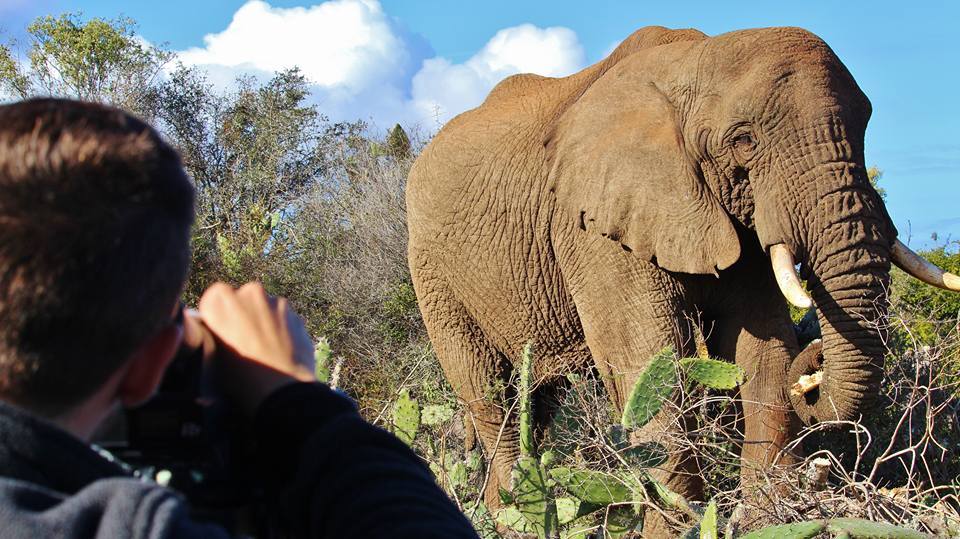
We went on a bush walk and came across a dried-up riverbed and had some food. Out of the bush, a family of elephants came walking towards us. The herd consisted of a matriarch, a sub-adult, and an infant. The mother and baby walked straight past us, and the sub-adult did a dummy charge at us, raising its trunk and flapping its ears. It then stepped back, waited a moment, and then walked up to catch up with its family.
It was breathtaking – the biggest land mammal walking past me while I was sitting eating a sandwich. That experience will stay with me for the rest of my life.
What animal could imitate most accurately?
Ha ha, this is a good question. I can imitate a few, to be honest. I can do the chuff of a tiger and the chirping noise of baby crocodiles.
UK Youth for Nature is a group of like-minded nature lovers who are on a mission to improve the future for wildlife, nature and humans in the UK. If you want to be part of our community, you can find out more here.