Reflections on April’s Wildfires

In light of the devastating wildfires this month, we wanted talk to a member of our community who helps to manage the uplands that have been burned. UKY4N volunteer and uplands common manager Jake Cohen, kindly shared his reflections on this landscape wide tragedy. Not So Freshwater


Jake Cohen:

“Across the land I look after, fires have devastated 1600 hectares of upland landscape.

The size, scale and impact of such a fire is quite difficult to fathom and has both short term and long-term consequences.
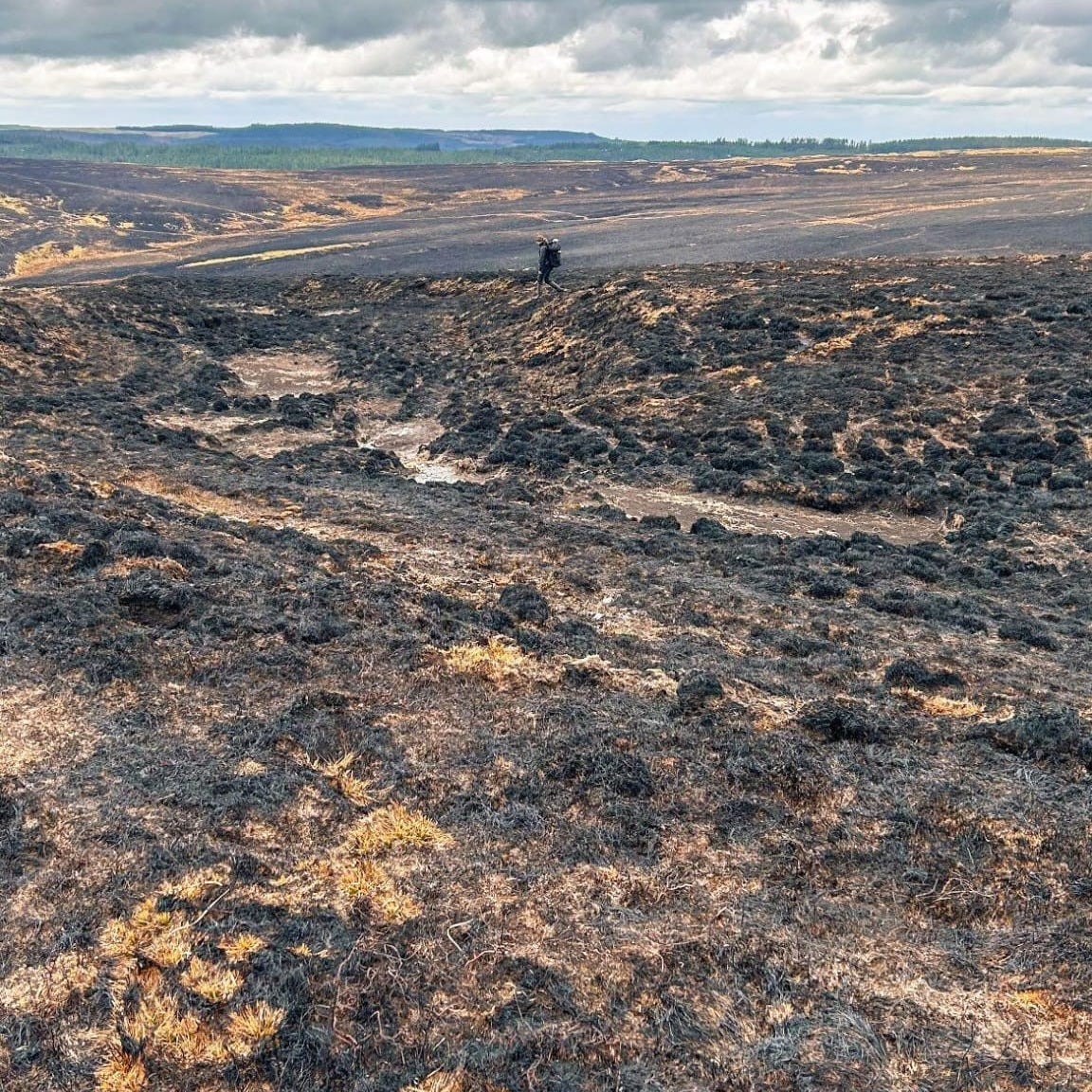
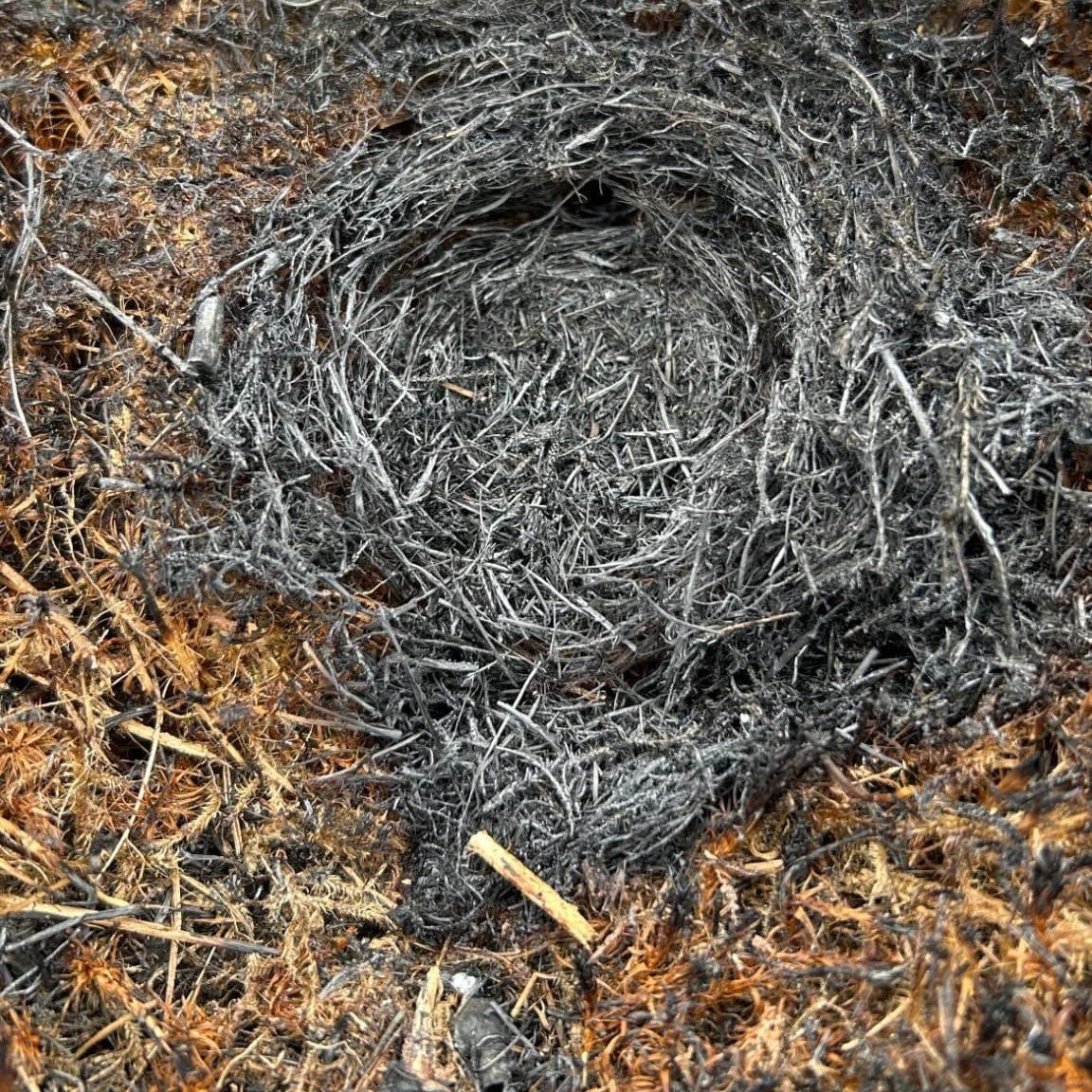
The fire has torn through our last known stronghold of breeding Golden Plover (which are just about clinging on as a breeding species in Wales) and through the last three years of peat restoration efforts. The top layer of peat has been burned away, thereby emitting thousands of years worth of carbon dioxide that would otherwise have stayed in the ground. Furthermore, the freshly exposed peat will now dry out, erode and therefore release further emissions and contribute to habitat loss.

I went out last week to inspect some of the damage and found frogs and shrews burnt on the spot, as well as a lone male Golden Plover seemingly refusing to abandon his territory. Even if he does manage a nest, the lack of invertebrates leaves him and any potential chicks with very little chance. There was no Skylark or Meadow Pipit song which is usually rife this time of year and the miles and miles of blackened landscape was quite shocking. Our eyes, noses and clothing were choked with ash. It was a distressing and bizarre experience.
Upland Ecology

Fire damage also affects the long-term ecosystem as it encourages grasses, which hold their nutrients underground, to thrive, become dominant, and upset the delicate balance of this unique ecosystem. Grasses regenerate quickly and the fresh shoots are great for grazing livestock, but this rapid reproduction means that nothing else has the chance to come through. These dominant grasses create a dry level of vegetation, further increasing the fire hazard and thus creating a feedback loop.

Unfortunately, this is not an accidental wild fire – the fire services have deemed this fire to be ‘deliberate’ which just shows that we have quite a lot of work to do! Although this is a really mournful time for us – the fire didn’t reach rich areas of cattle grazing and more recent peat restoration sites, and the peat burn was only surface level and doesn’t appear to go deeper. So, we take stock and move forward!”
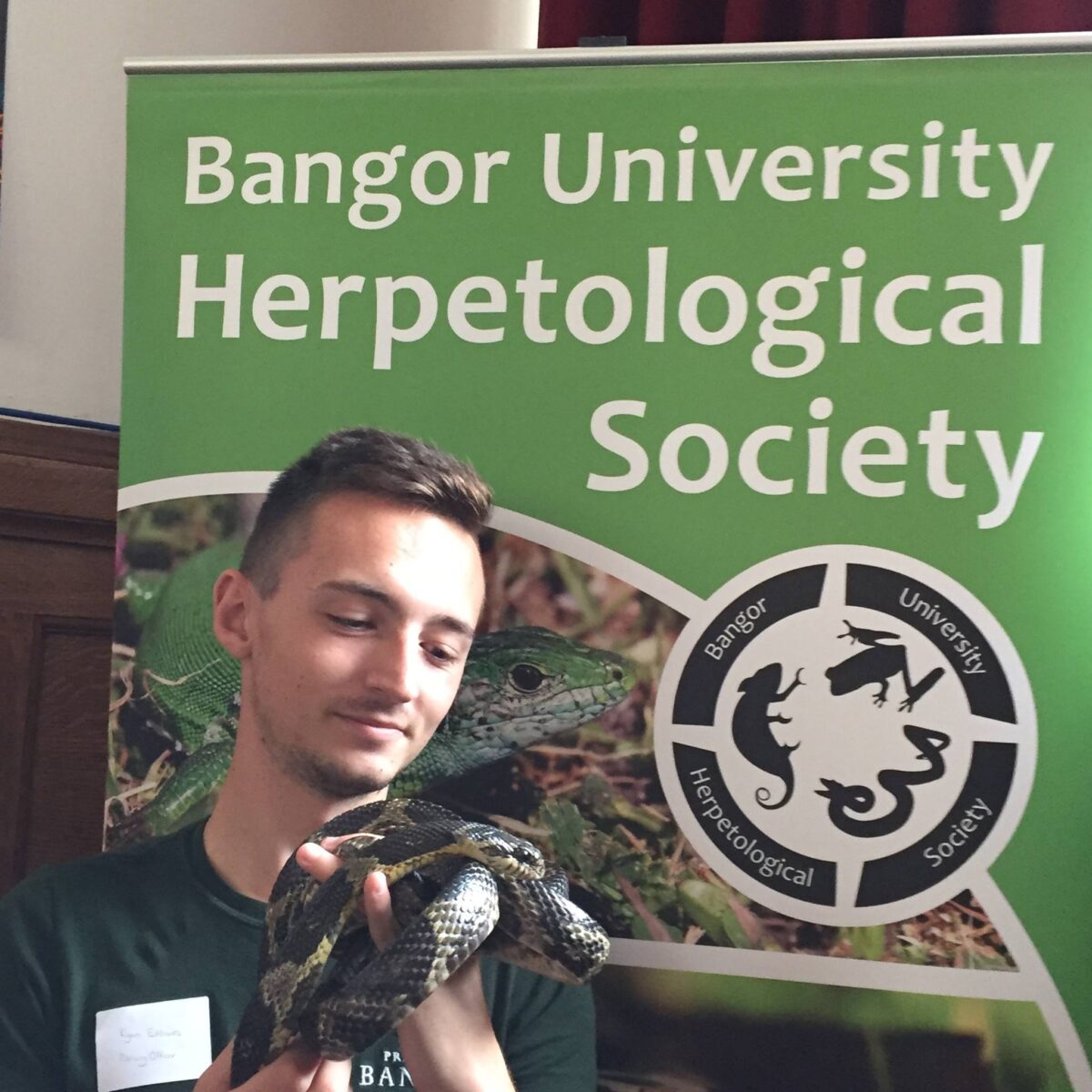
Community Spotlight – Ryan Eddowes

First off, we love your YouTube channel – what got you started making wildlife films?

I’ve always been inspired by the legendary Sir David Attenborough – his passion for the natural world is so infectious. Growing up, I was curious about the insects I discovered in my back garden, from snails to woodlice. I wondered why they were all different shapes, sizes, colours, why snails had eyes on long stalks and why they had a shell etc. This ‘inner scientist’ is something every child has within them as they grow up.

After leaving school, I went to study animal care at Rodbaston College. I graduated and went on to study Zoology with Herpetology (Snakes & Amphibians) at Bangor University in North Wales. It was here that I bought an old camcorder and started filming the local natural environment and wildlife. During a month’s wildlife filmmaking internship in South Africa, I learned how to become a presenter and I fell in love with the craft. I returned with my documentary called ‘Secrets of the Savannah’

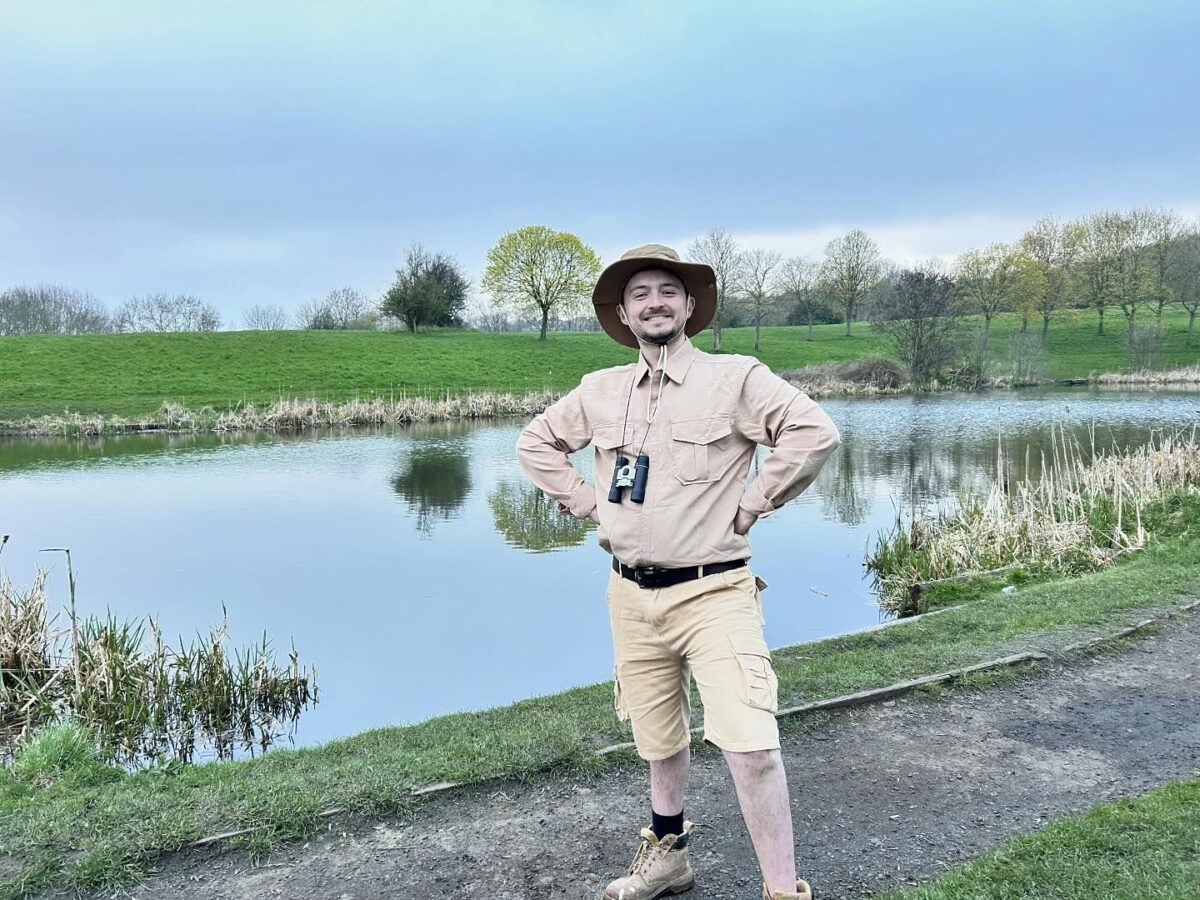
From here, I began making more films in my own time. My latest series ‘Ranger Ryan combines my unique humour and cheerful character to  teach kids and adults about their local nature, like ducks, which feature in the first episode! In the future I hope to make more series with Ranger Ryan and maybe even make it on TV or Netflix. 

Tell us about your Jurassic Coast Walk!

My Jurassic Coast Walk was to raise awareness of the birth condition I was born with known as clubfeet – a condition that causes your feet to turn inwards and downwards. It’s present on both of my feet. 

Although it’s a common lower limb condition, there’s a lot of mystery surrounding it, especially around adults with clubfeet. My mission was to raise awareness of the condition, as there are thousands, maybe even tens of thousands of adults with untreated clubfeet. My walking challenge was to prove that a disability shouldn’t bar us from achieving our dreams, and also to raise awareness of how the condition affects individuals.

I was backed by the charity ‘Steps’, which supports people with lower limb conditions such as clubfeet (since completing my walk I’ve become their ambassador and trustee). As well as this, I also gained the backing and support of Julia Bradbury (TV Presenter) and her sister Gina, who run the Outdoor Guide, whose mission is to make the environment accessible for those with hidden or physical disabilities.

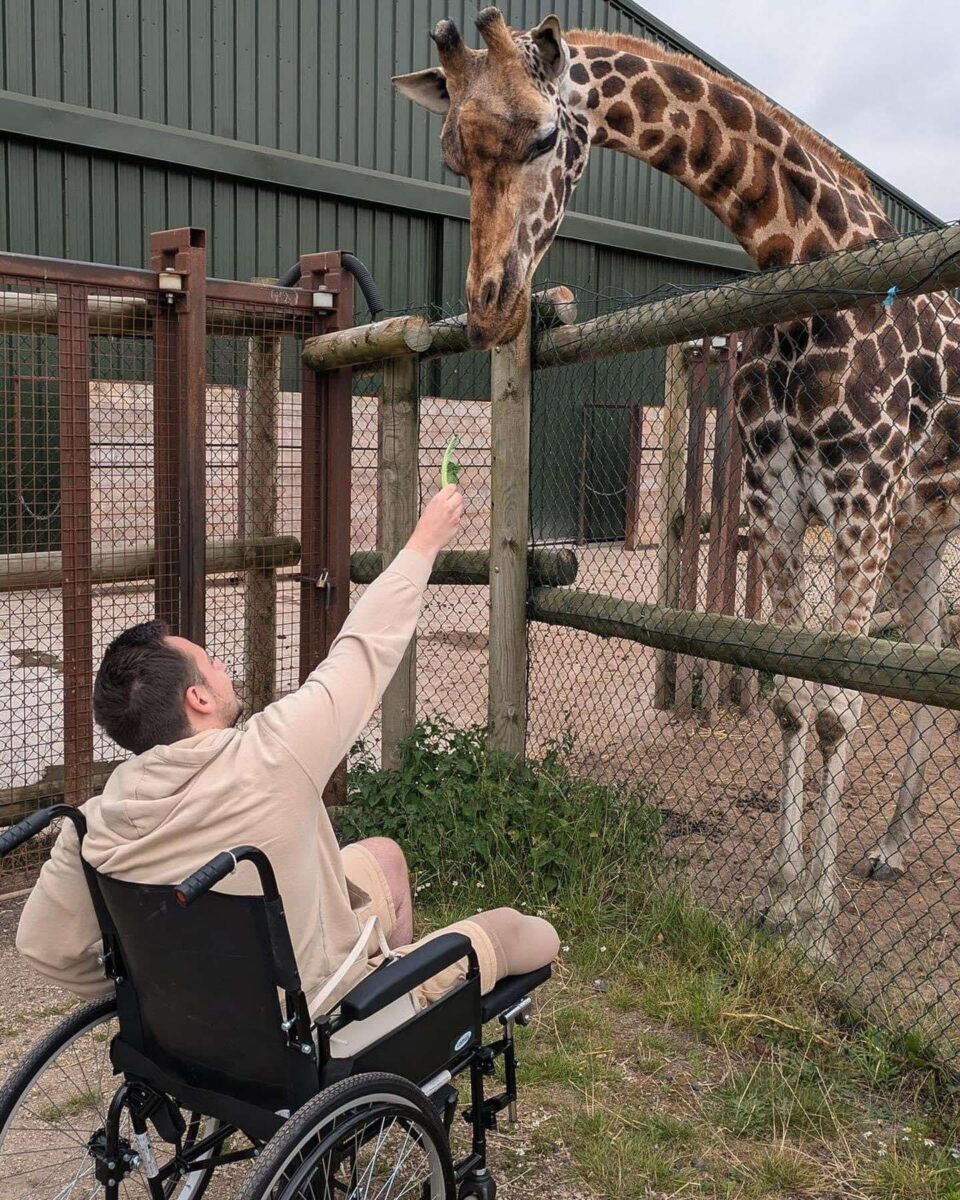
I managed 82 out of the 95 miles of coastline, which was a massive success and raised national awareness for clubfeet. As of 2024, I had my right leg below the knee amputated due to the severity of my bilateral clubfoot. I am now on my recovery route.

How does nature in the UK compare with some of the more exotic places you’ve worked?

Many people expect the wildlife abroad to be more spectacular and indeed in many cases it is – you’re unlikely to see a mass migration of wildebeest walking past you in the UK! This said, I believe that British wildlife can be just as spectacular and beautiful.

In local parks or back gardens, I see multitudes of species from mammals (Hedgehogs) insects (bees, butterflies, beetles and ants) and birds (Pigeons, Jays, Starlings and Sparrows). There’s so much to see in this country, and I feel it gets overlooked every time.

What’s the weirdest or most unexpected thing you’ve encountered while on a nature expedition?

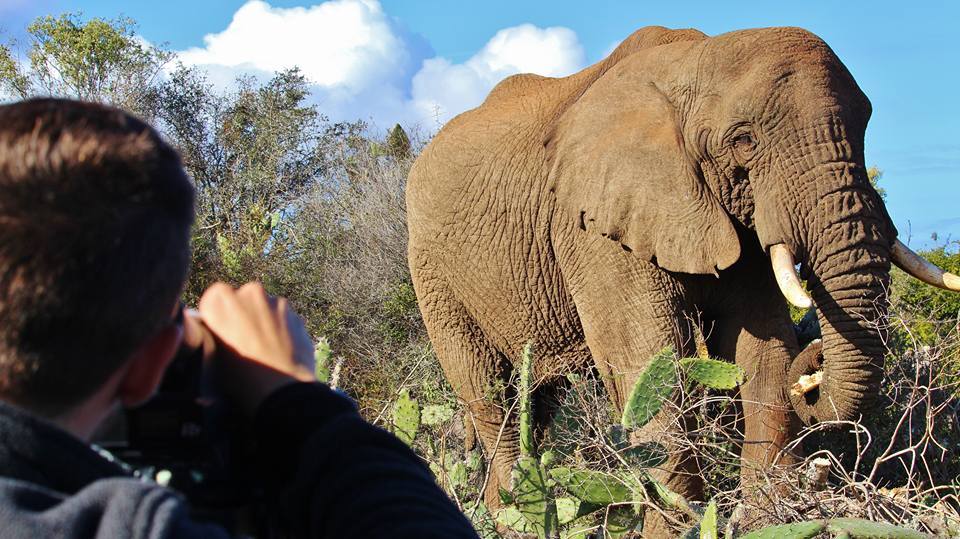
The most unexpected encounter was when I went from my university to the Kruger National Park in South Africa.

We went on a bush walk and came across a dried-up riverbed and had some food. Out of the bush, a family of elephants came walking towards us. The herd consisted of a matriarch, a sub-adult, and an infant. The mother and baby walked straight past us, and the sub-adult did a dummy charge at us, raising its trunk and flapping its ears. It then stepped back, waited a moment, and then walked up to catch up with its family.

It was breathtaking – the biggest land mammal walking past me while I was sitting eating a sandwich. That experience will stay with me for the rest of my life.

What animal could imitate most accurately?

Ha ha, this is a good question. I can imitate a few, to be honest. I can do the chuff of a tiger and the chirping noise of baby crocodiles.


UK Youth for Nature is a group of like-minded nature lovers who are on a mission to improve the future for wildlife, nature and humans in the UK. If you want to be part of our community, you can find out more here.

Review of ‘Rathlin, A Wild Life’

Emily Seccombe reviews Ruby Free’s account of living on a windswept isle off the County Antrim coast, ahead of March’s UKY4N Book Club.

I loved reading Rathlin A Wild Life as it allowed me to vividly recall my own time on the
island’s seabird reserve last summer. I’ve rarely found a book that so perfectly captured the
spirit of a place.


Like Ruby, I found Rathlin to be an incredibly inspiring nature haven, and the RSPB seabird
centre is perhaps the most incredible single nature spot I’ve ever been to. I stayed on the
island as a residential volunteer for the RSPB in 2024 and it was a joy to relive my own
memories of the Rue Lighthouse, Craigmacagan Trail and of course the RSPB West
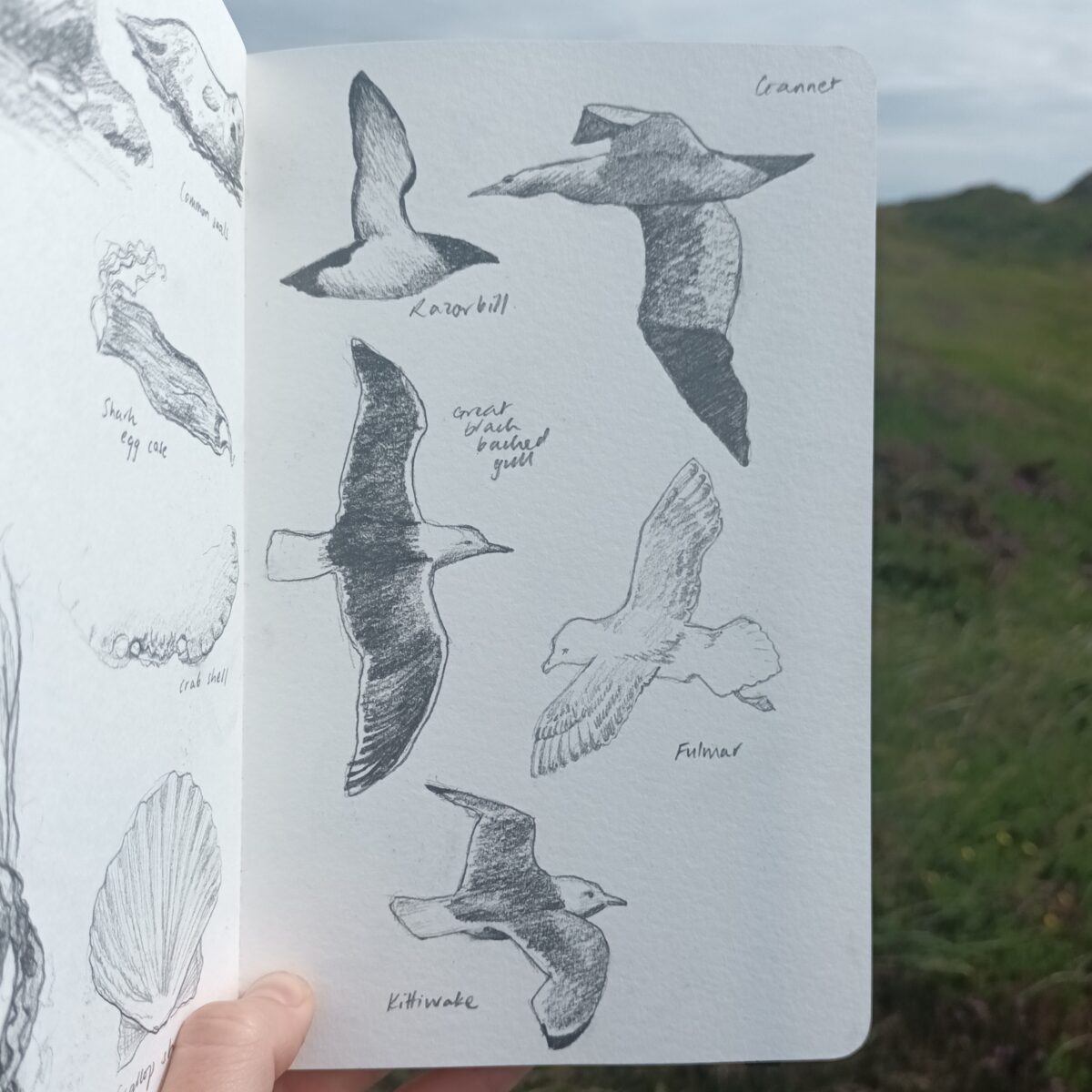
Lighthouse Seabird Centre through this book. Ruby’s illustrated ‘big 5’ tick sheet – clearly
photocopied many times over – was still in use when I visited and being appreciated by the
younger visitors.

I appreciated how open and intimate Ruby’s writing was about her family, neurodiversity,
grief, guilt and the feelings that come with being young and passionate about the natural
world.


As well as providing factual details on nature’s decline, I liked that Ruby had a keen
emphasis on her emotional connection to individual animals, especially the puffins. Some
nature writers avoid anthropomorphising and naming wild animals, but Ruby’s approach
resonated with my own experiences and aligns with her view (and mine) of seeing animals
as equal individuals with their own personalities and life stories to tell.

I’m looking forward to discussing the book with the rest of the UKY4N book club on Sunday
30th March and to chatting with Ruby herself about the book on Instagram live on Monday
7th April.

For more details about our book club, click here.

Staff spotlight: Hannah Mulvany

Who are you?

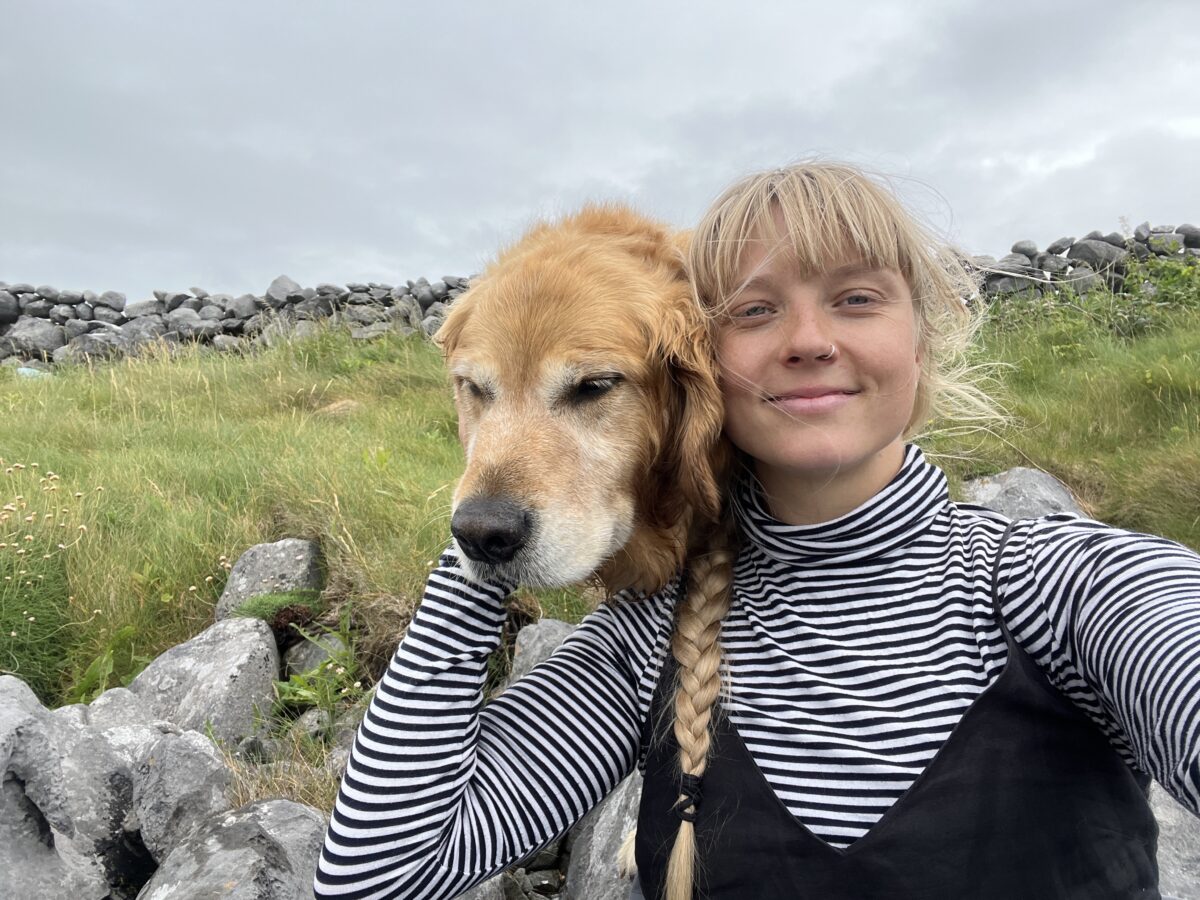
There’s so many ways to answer this question but I won’t get too deep about it! I’m Hannah Mulvany – I’m the Head of Comms for UK Youth for Nature. I’m an Environmental Biologist and Communications Specialist with a love for funk and disco music, who has been a part-time vanlifer, part-time housesitter for the past 7 years. I’ve lived in seven different countries as an adult, recently learned my star sign describes me very accurately, only like spinach when it’s raw, and have always dreamed of playing the saxophone.

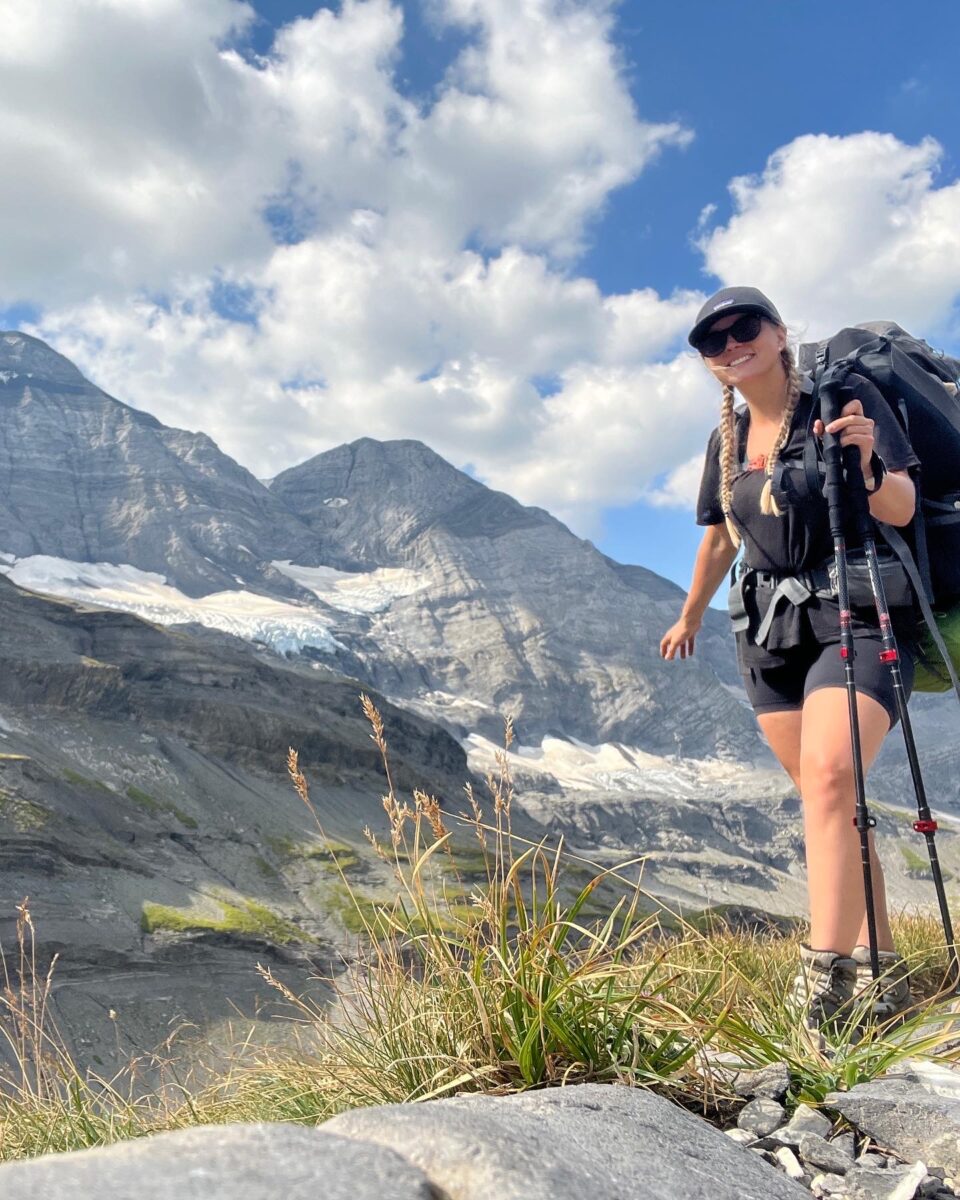
Me with one of the many dogs I’ve looked after!

How did you acquire this illustrious role?

As with most people, my career has taken many meandering pathways. After doing my degree in Conservation Biology at the University of the West of England, I got a job straight away at Wildscreen, where I had done an internship during my degree. Here, I worked as a researcher/author, later working on building up their photo and video library for global conservation non-profits. I also ran the public programme for the Wildscreen Festival, which included creating large-scale street art, touring a bicycle-powered cinema around the city and screening wildlife documentaries, and creating the world’s very first completely recycled and recyclable outdoor photography exhibition. Part of my role was creating content for social media, and helping to acquire the content that charities needed to tell their stories. I knew I’d hit the nail on the head with my career when I figured out how to blend my creativity with my passion for the natural world.

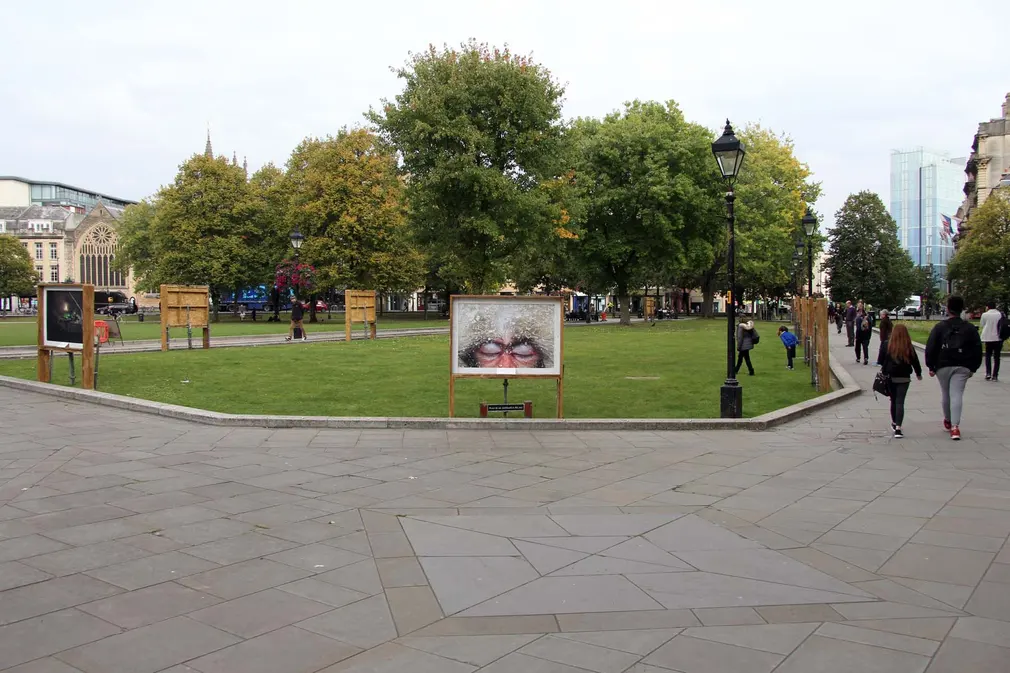
The photography exhibition I curated, and created the concept for (built and installed by my friend Femi).

What’s something you find really annoying about the state of the planet?

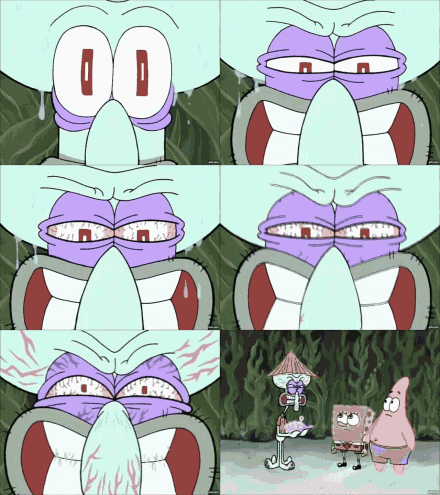
I don’t think anything annoys me more than littering. Watching someone casually discard a wrapper, cigarette butt or whatever they’re choosing to destroy the environment with makes me feel like Squidward after SpongeBob has asked him too many questions. I love cartoons – forgot that from the about me section!

Name three things that you do to help the planet.

I eat a plant-based diet, I only buy second hand or recycled clothes, and I have a sustainable bank account and pension plan. I don’t think anyone is perfect, and I’m certainly not, but I think taking baby steps and considering how any aspect of your life can be more environmentally friendly, then taking small steps to resolve them, is the best way to align your life with your values without feeling totally overwhelmed.

Being an environmental scientist can be pretty heavy at times, how do you manage this?

It is heavy, and I think it’s so important that as environmentalists we give ourselves time to recharge. Firstly, my phone gets turned off for a large proportion of the day because there is no ‘safe space’ online for me to ignore environmental issues – most of the accounts I follow on social media relate to the planet. I hike, do yoga, trail run, wild swim, mountain bike, surf, ski, and SUP – anything that involves moving my body outside, I’m into. When I’m doing these things I’m present, I look up, and I am surrounded by the flora and fauna I spend so much of my time trying to protect. Nature helps rejuvenate me when I feel run down from spending so much time trying to get people to care about it – there’s some reciprocity in that, and that feels kind of awesome.

If you could change one thing in the UK regarding nature, what would it be?

It sounds obvious, but for there to just be more of it! I grew up in the middle of Nottingham, which is a pretty nature-sparse city (especially where I lived). You have to travel pretty far to find anything that resembles nature, and thankfully I was dragged out into the countryside at any opportunity my Mum had, which was the starting point of my passion for protecting it. Not everyone has that opportunity. It would be great to take nature to more people rather than expecting them to come to it. I’d love to see more connectivity between nature reserves, more rewilding and more urban nature funding so that more people get the chance to connect with it too. We generally don’t care about things that we know nothing about and have no experience of, so why should we expect other people to?

Give us a nature recommendation.

Learn to identify things, it’s so satisfying!