Community member spotlight – Robson Peisley

Who are you? (Tell us a bit about yourself!)

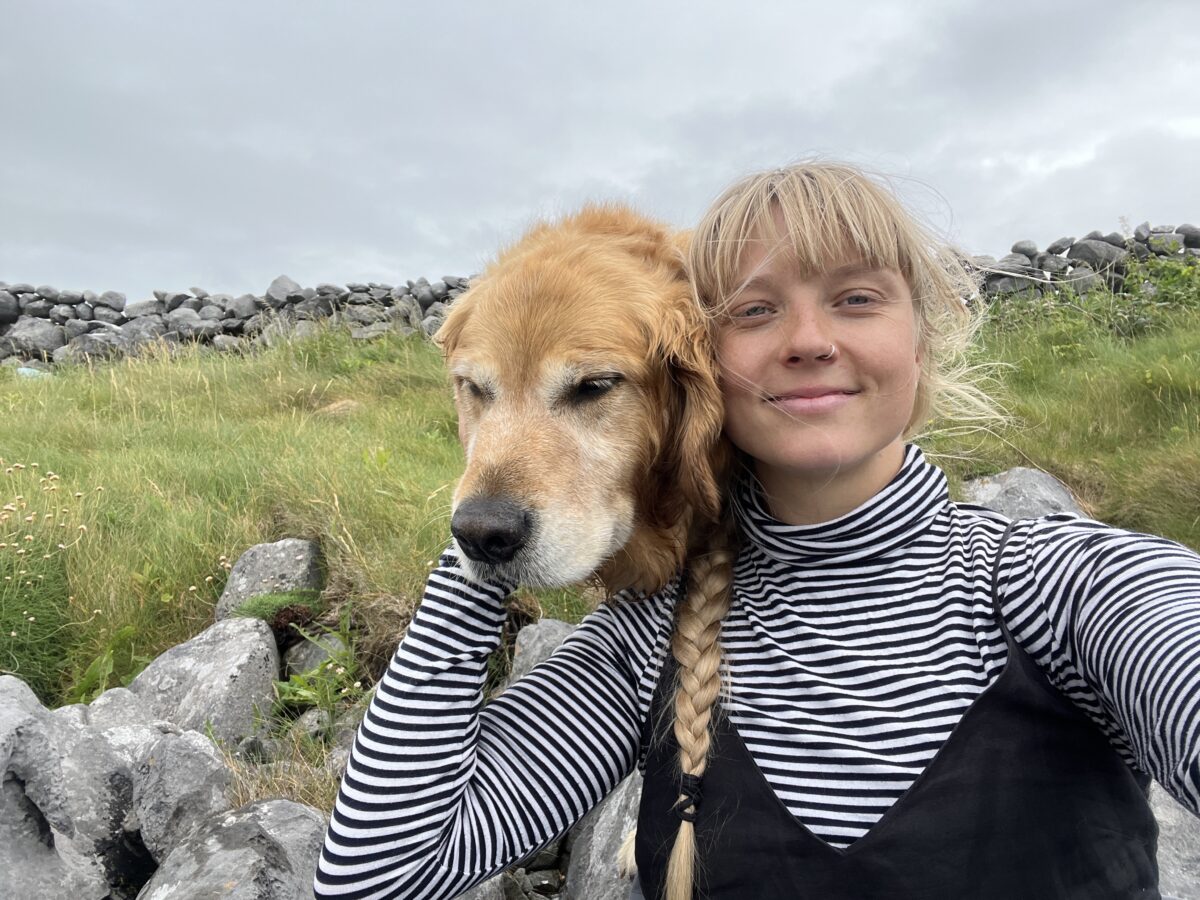
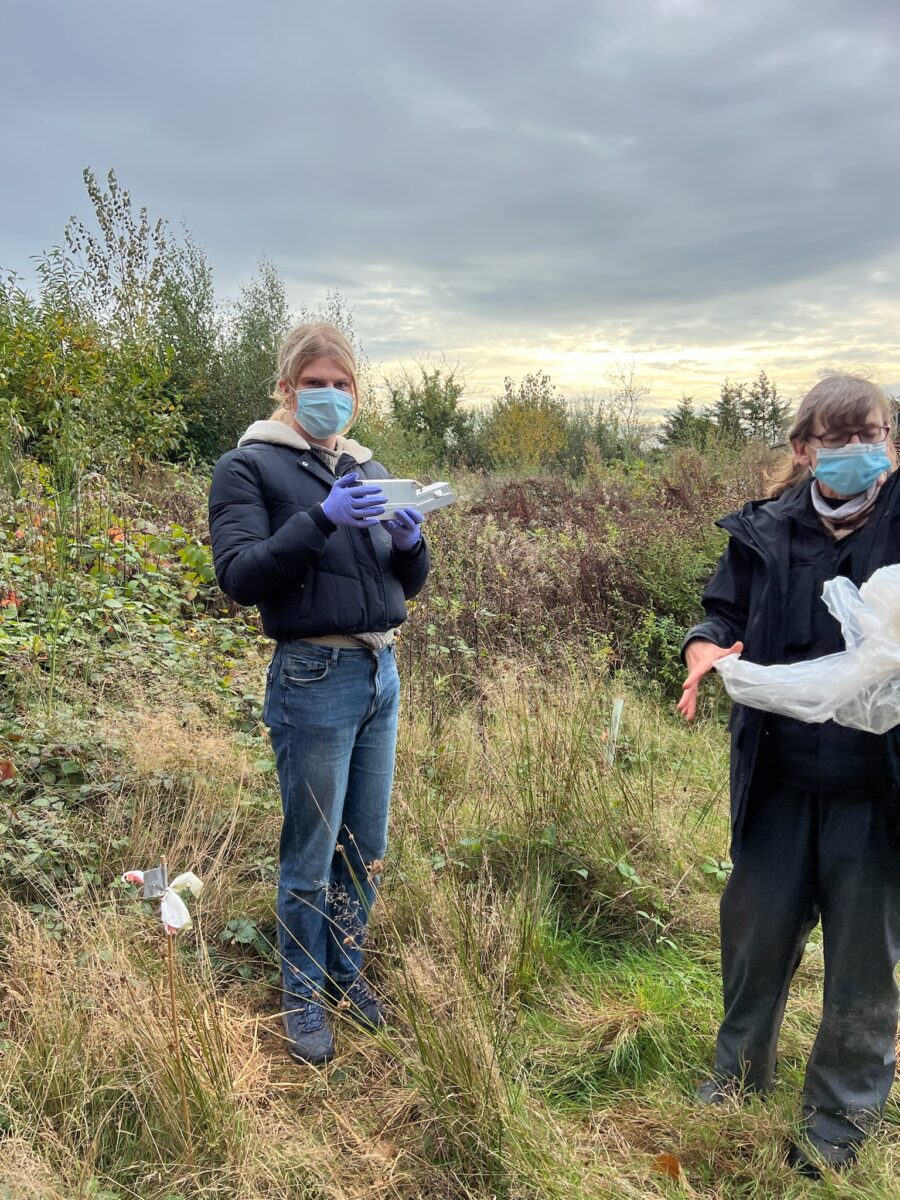
My name is Robson, and I am a third year Ecology and Conservation student at the University of Brighton. I am currently completing a dissertation on pond creation and restoration, looking at the use of invertebrates as bioindicators. At the university I am also President of the Ecological Society, where I work to deliver events and opportunities to connect students to nature and to develop their skills.

Outside of my studies I am a Youth Ambassador for the South Downs National Park, where I represent youth voice in the management and decision making relating to the park. As well as this, another part of the role is raising awareness about the work of the National Park and pushing for inclusion and accessibility within the landscape. I am also the Youth Engagement Coordinator for the Sussex Mammal Group, where I am working with other local groups and underrepresented communities to create a variety of opportunities and events for young people to engage with mammals and conservation. I also do some bits to support species monitoring efforts, such as being a Wetland Bird Surveyor and participating in other schemes. And of course, I am also part of the UK Youth for Nature community!

What’s your favourite season, and why do you enjoy it?

I love spring and autumn. I think there is something so special about how they act as a transitional period and the visual changes we experience in nature during these times. From bird migrations, flowers coming into bloom, and leaves falling, spring and autumn are definitely some of the most visually stunning. They’re also a fantastic time to spot a wide range of species, which is great if you’re a keen naturalist such as myself.

Why do you feel so passionately about National Parks?

There are a couple of reasons why I feel so passionate about working with National Parks here in the UK.

Firstly, I feel that there is an important role to play in increasing the public understanding of National Parks and what they are. Whilst National Parks are in part designated for their importance for nature, here in the UK they are also designated in part for their historical, geological, and landscape importance. In fact, many people live inside our National Parks, whereas in many other places National Parks are expanses of land where no one lives.

Secondly, I believe that landscape scale efforts are needed to counteract the ongoing nature and biodiversity crisis, and National Parks have such potential within this. To achieve biodiversity and nature targets we need to see habitat and landscape scale action, and protected landscape’s management plans can drive this.

What is one thing that you think we need to see more of in nature spaces?

Without a doubt knowledge exchange between individuals and groups. Something I have personally realised is that there are so many people with such vast knowledge of the natural world, but this knowledge doesn’t seem to always get exchanged. So for me I think a big thing is to try to start and facilitate these conversations. No one person is ever going to know everything about nature, but if we can all share what we each know then more people have a wider knowledge. This in turn creates more awareness about nature and the environment, but also develops for skills for those that work in the environment sector.
Where is your dream place to travel to?

My dream is to travel to Oceania one day. The wildlife is so diverse, and I would love to immerse myself in it all. For example, where else in the world would you come across an egg laying mammal? 

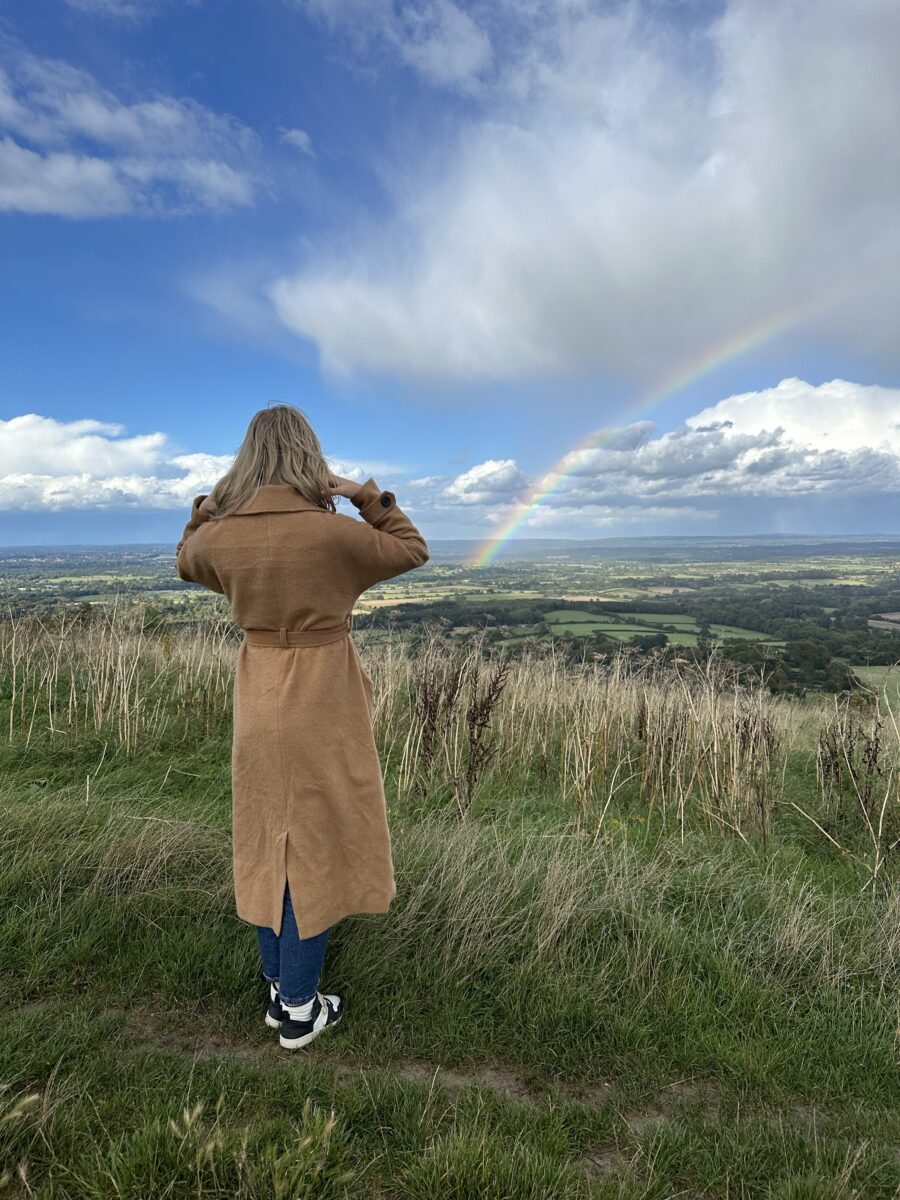
Closer to home, I would love to explore more of the British landscape. We have such diverse landscapes across the UK and without a doubt there is so much more I want to see. One big one that sticks out to me is Snowdonia, it’s somewhere I’ve always wanted to visit so fingers crossed I squeeze it in this year! I also would love to go to Skomer Island to see the puffins, and I would love to return to the Scottish Highlands as my previous visit to the Cairngorms was very brief.

If you could instantly learn any skill, what would it be?

I always say I would love to be better at species identification. However deep down I know that learning these skills and the extensive time it takes is part of what makes them so fulfilling. I am always curious to identify and understand the living things I come across, and so learning more about species identification is always a bonus. This is something I hope to really develop this year!
UK Youth for Nature is a group of like-minded nature lovers who are on a mission to improve the future for wildlife, nature and humans in the UK. If you want to be part of our community, you can find out more here.
Natural History GCSE Stuck in Limbo: Why the UK Government Must Act Now

By Ellen Bradley

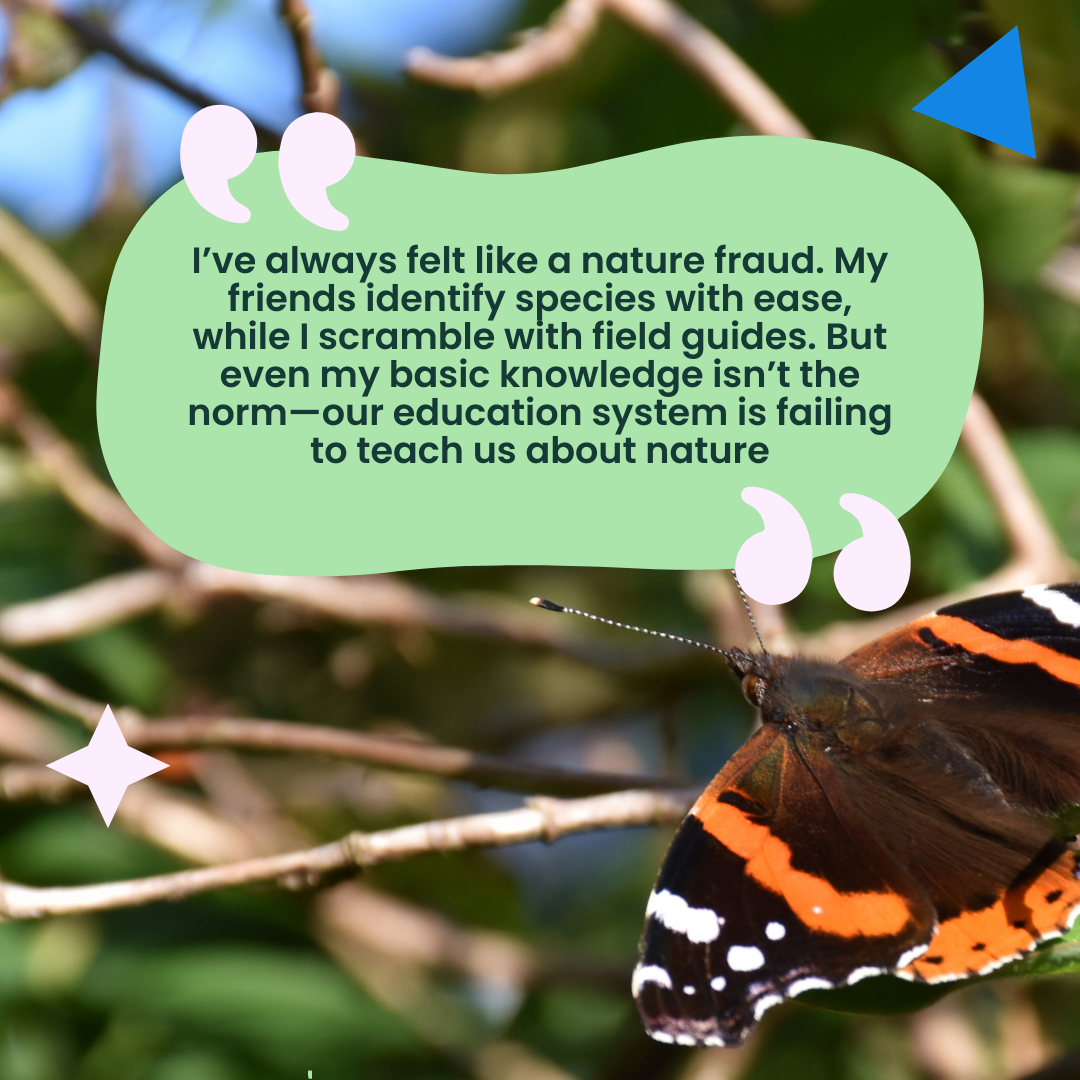
I’ve always felt like a bit of a fraud when it comes to nature. I go out on a walk with my nature-nerdy friends and am humbled by their incredible ability to identify the different species around us, while I clumsily thumb through field guides trying to catch up on whether it was a holly blue or a common blue butterfly. 

But then I’ll hang out with friends I’ve made through a different part of my life and realise that even my mediocre nature knowledge is not the norm. I remember walking through a woodland with a very intelligent friend who I was studying biology with at university at the time. They pointed to a tree and asked me what type it was. I laughed and kept walking, assuming they were joking. “No, really, what is that tree?”

“It’s an oak”, I answered. 

A Subject Left in Limbo

Our education system is failing. Failing to give young people the chance to understand the nature on their doorstep. Failing to give society the foundational knowledge needed to care for and protect the natural world. The Natural History GCSE is a unique and hugely exciting opportunity to level the playing field, to give generations of people the chance to discover more about their surroundings.

Delays Hurt Future Generations

The campaign for the GCSE, led by Mary Colwell, received cross-party support and everyone from students to mental health professionals, business leaders to farmers have enthusiastically lended their support, calling for this new subject to enter our classrooms. In April 2023, the Department for Education announced that the GCSE would be taught in schools from September 2025. That deadline has now been missed and first teaching in 2026 was promised. Months after this disappointing delay was announced, we are now concerned that it could go on even longer.

The new Labour government has labelled the GCSE as a Conservative initiative and says that it needs to be reassessed as part of the wider curriculum review. As Colwell says in a recent interview with The Guardian, “this could take years, it’s a huge piece of work”. 

Cross-Party Support Ignored

At a time when we should be training teachers and preparing schools to introduce the new subject, the GCSE is sitting in limbo, gathering dust on a Westminster desk. There is huge support for this subject and an overwhelming need for it. It is not a tory initiative, it is a cross-party initiative with cross-sector backing. Each delay that the Department for Education and the Labour government put in front of the Natural History GCSE is a failure.

UK Youth for Nature will be joining Mary and many others in calling on the Labour government to deliver on their promise and to introduce the Natural History GCSE without delay.

Read ‘Natural history GCSE on hold as qualification seen as ‘Tory initiative’, claims campaigner’ article in The Guardian

If you’re a young person wanting to get involved in campaigns like this, and others centred around nature recovery in the UK, why not join our community?

Community member spotlight – Joe Wilkins

Who are you?

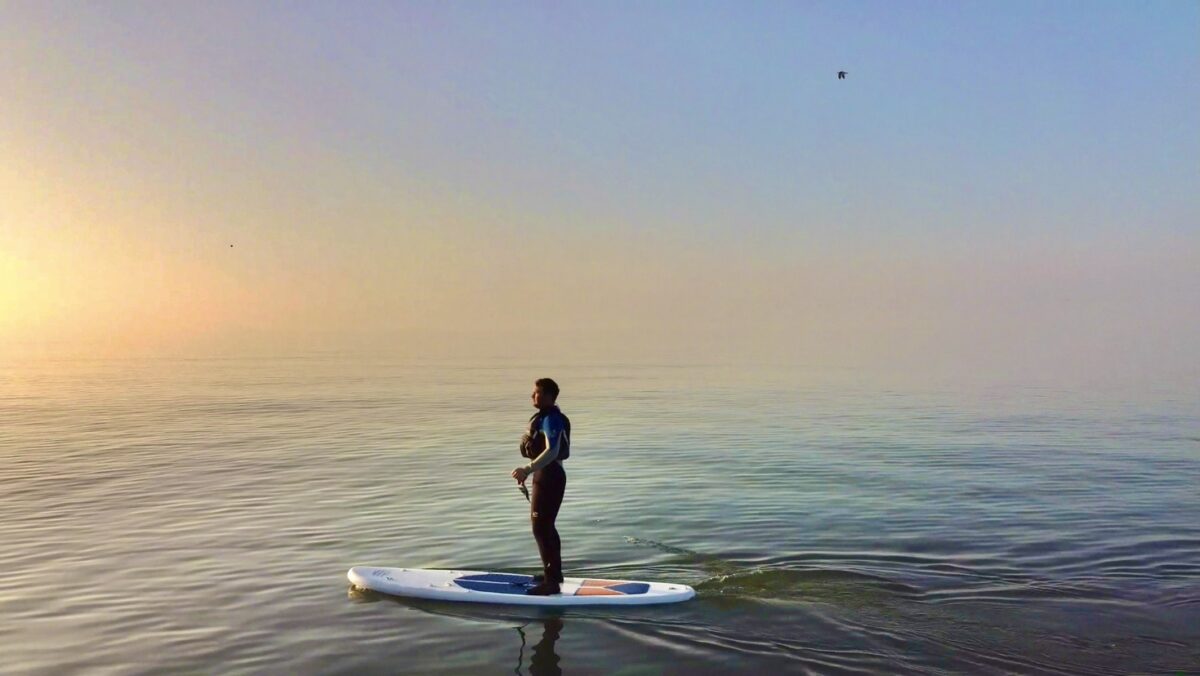
Shwmae! My name is Joe (he/him), and I’m an ecologist and Rights of Nature campaigner from Mid Wales. I love all nature, but marine and coastal nature are my passions, probably connected to my love of being in/on/near the sea. If I don’t reply to emails or messages, I’m probably out on my paddleboard – although I sometimes will answer when I’m out on my board, and I am known to record the odd “Paddleboard Politics”.

I am a first-language Welsh speaker and enjoy exploring the links between local culture and nature. I will always say yes to a story over a paned and a gluten-free biscuit. Growing up in Mid Wales has made me very aware of the importance of language and culture in conversation and nature restoration, so I take this with me in all of my work. Growing up in Wales also means I love a sing-song, but I apologise to anybody who has heard me attempt to sing some ballads – I’m definitely no songbird!

My day job is working with the incredible West Wales Rivers Trust. I lead our community engagement work in my home county of Ceredigion. I work closely with volunteers, farmers, school groups, sports clubs, and other community groups to train them to become eyes, ears, and voices for local rivers.

Outside of this work, I’m also an advisor to National Trust Cymru and the EU4Ocean Coalition, a volunteer with UK Youth for Nature and GYBN UK, youth representative for the Dyfi Biosphere, an ambassador for Radnorshire Wildlife Trust, and a director/trustee for Reserva: The Youth Land Trust and Small World Theatre.

Who has been your biggest inspiration on your nature journey?

I’ve been very fortunate to work with incredible people across various organisations and spaces. So, I have a very long list of people who have inspired me on my nature journey – one of the main ones being the fantastic community of UK Youth for Nature.

I always like to shout out Dr Jen Horgan, who lived in the same village as me growing up and would come into school to host nature sessions, gardening, and stamp club. She helped nurture my love for nature and was crucial to my early steps into this career.

I know it’s cliche, but I genuinely believe that my biggest inspiration is nature. A big oak tree near my house has grown almost horizontally out of a quarry wall. I often like to visit this tree and just marvel at the resilience and ingenuity of nature in her quest to survive and ideally thrive. And it does genuinely drive me forward!

What is your number one wildlife encounter ever?

As I said before, I’m an ocean boiii. See the line where the sky meets the sea? It really does call me!

So, I think my top wildlife encounters would be the occasions I’ve been lucky enough to see the bottlenose dolphins of Cardigan Bay, especially on a boat. They are just so special and I get excited every.single.time I see them.

I’m also very grateful that I get to help communities find out more about nature close to their homes. One of my favourite activities is kick sampling, where we take a big net into the river and, as the name suggests, kick the river bed to move small invertebrates into the net. The looks on people’s faces when they realise how much life there is between the rocks and in the sand, makes me happy every time. Tiny shrimp, beautiful mayfly and stonefly nymphs, small fish and elver (if lucky). I think it’s just a reminder that there is so much worth fighting for when it comes to rivers and nature in general here in the UK.

And who can ever not get teary at the sight of a kingfisher?!

If you could bring one extinct animal back, what would it be and why?

To be completely honest, I’m not a massive supporter of “de-extinction”. When funding for conservation and research is already limited, I would much rather be directing those funds and resources to conserve and restore what we still have. I don’t want us ever to fall into the trap of thinking, “It’s ok, we can always bring them back”. I think it should be seen as an absolute last line of defence for critically endangered species rather than trying to bring back animals that went extinct millennia ago, which would likely struggle in today’s conditions.

But that being said, I would love to see a triceratops!

Top 3 favourite memes?

Honestly, I think my favourite memes are probably the ones that do less well on social media. I’ve made some real niche memes over the years and absolutely love them! Like ones discussing real nerdy ecological or political topics.

I am trying to find a good balance between memes and more “serious” content on my social media, but memes suit my communication style because they match who I am as a person. I have enjoyed using social media a lot more since working to find my voice rather than trying to replicate what others do. Sometimes things go down well, and sometimes they’re a bit of a flop in terms of interactions, but I think it’s all part of finding that sweet spot for your platform, which will be different for each of us.

What’s the best sandwich you’ve ever eaten?

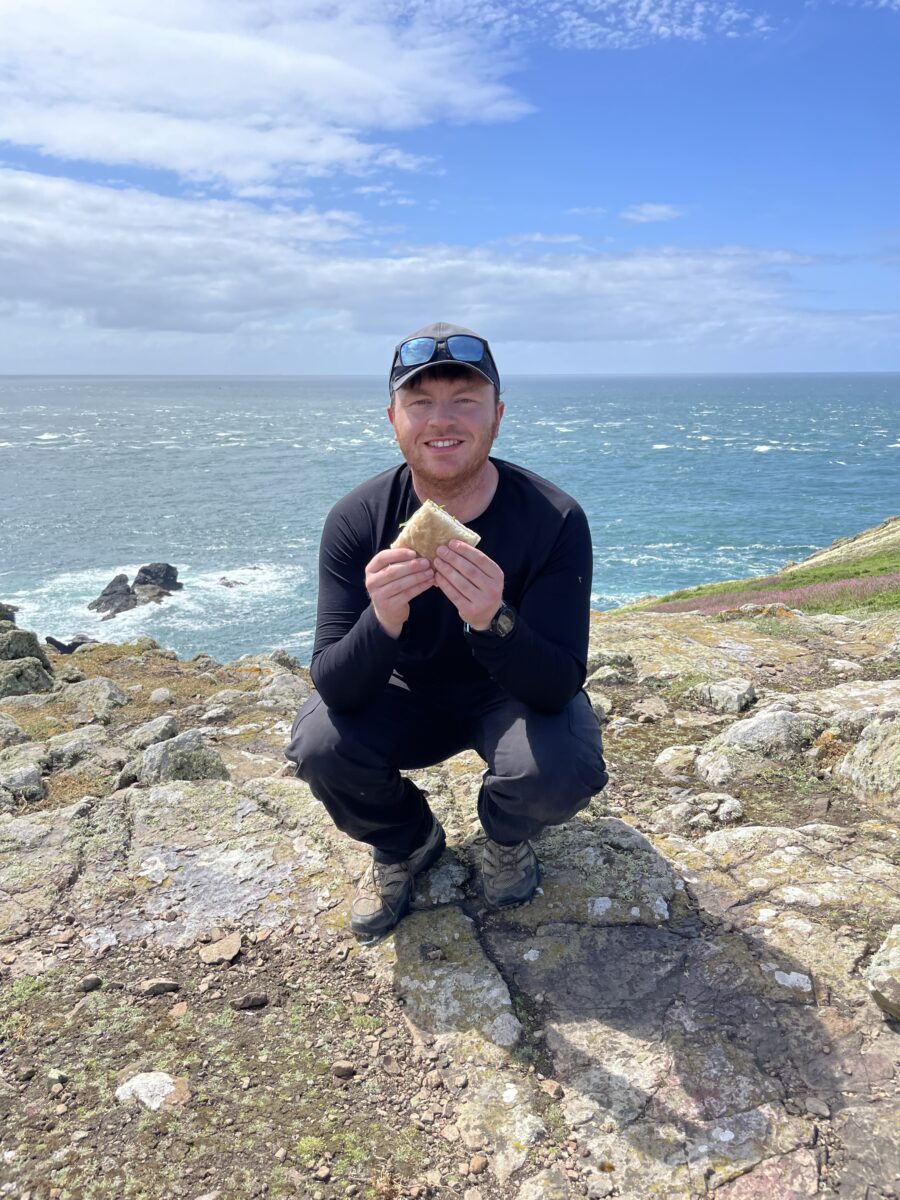
Now, that is asking a huge question! For those of you who might not know, I host a series on my Instagram called “Sandwich with a View”, which combines two of my loves – sandwiches and nature – to discuss some of the incredible sites and projects across the UK. 

I think it’s challenging to pick the best sandwich I’ve ever eaten because it all depends on the vibes. Sometimes you want light and fresh, sometimes something a bit heavier! I make a mean chickpea and pea patty, one of my favourite things to have in a sandwich because it’s light and flavourful but also quite dense, so it fills me up. I also found out last year that I have coeliac disease, so I also like trying different gluten-free breads and recipes. For those of you who are avoiding gluten for any reason, you’ll know how hard it can be! Down with “Big Gluten”, I say!

UK Youth for Nature is a group of like-minded nature lovers who are on a mission to improve the future for wildlife, nature and humans in the UK. If you want to be part of our community, you can find out more here.

Staff spotlight: Hannah Mulvany

Who are you?

There’s so many ways to answer this question but I won’t get too deep about it! I’m Hannah Mulvany – I’m the Head of Comms for UK Youth for Nature. I’m an Environmental Biologist and Communications Specialist with a love for funk and disco music, who has been a part-time vanlifer, part-time housesitter for the past 7 years. I’ve lived in seven different countries as an adult, recently learned my star sign describes me very accurately, only like spinach when it’s raw, and have always dreamed of playing the saxophone.

Me with one of the many dogs I’ve looked after!

How did you acquire this illustrious role?

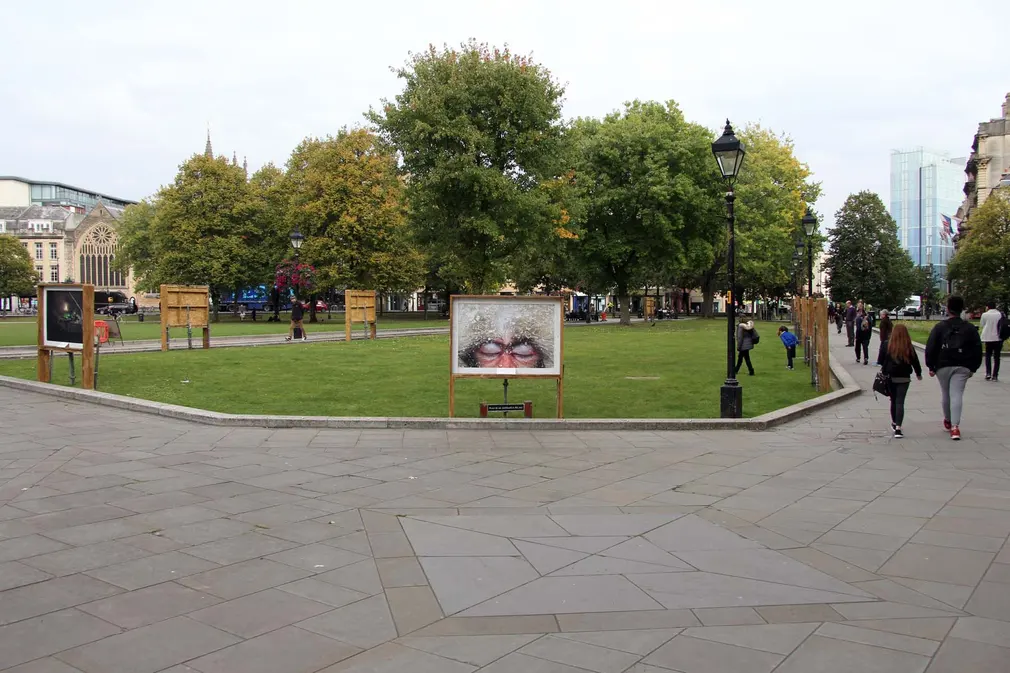
As with most people, my career has taken many meandering pathways. After doing my degree in Conservation Biology at the University of the West of England, I got a job straight away at Wildscreen, where I had done an internship during my degree. Here, I worked as a researcher/author, later working on building up their photo and video library for global conservation non-profits. I also ran the public programme for the Wildscreen Festival, which included creating large-scale street art, touring a bicycle-powered cinema around the city and screening wildlife documentaries, and creating the world’s very first completely recycled and recyclable outdoor photography exhibition. Part of my role was creating content for social media, and helping to acquire the content that charities needed to tell their stories. I knew I’d hit the nail on the head with my career when I figured out how to blend my creativity with my passion for the natural world.

The photography exhibition I curated, and created the concept for (built and installed by my friend Femi).

What’s something you find really annoying about the state of the planet?

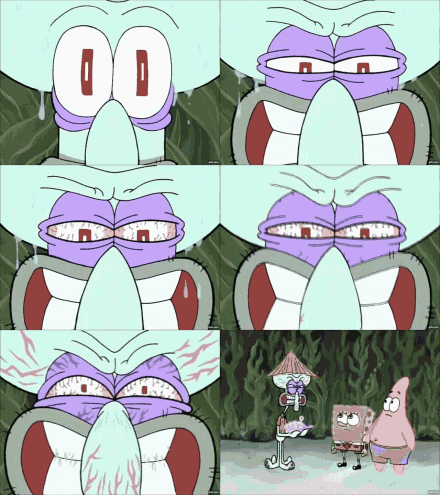
I don’t think anything annoys me more than littering. Watching someone casually discard a wrapper, cigarette butt or whatever they’re choosing to destroy the environment with makes me feel like Squidward after SpongeBob has asked him too many questions. I love cartoons – forgot that from the about me section!

Name three things that you do to help the planet.

I eat a plant-based diet, I only buy second hand or recycled clothes, and I have a sustainable bank account and pension plan. I don’t think anyone is perfect, and I’m certainly not, but I think taking baby steps and considering how any aspect of your life can be more environmentally friendly, then taking small steps to resolve them, is the best way to align your life with your values without feeling totally overwhelmed.

Being an environmental scientist can be pretty heavy at times, how do you manage this?

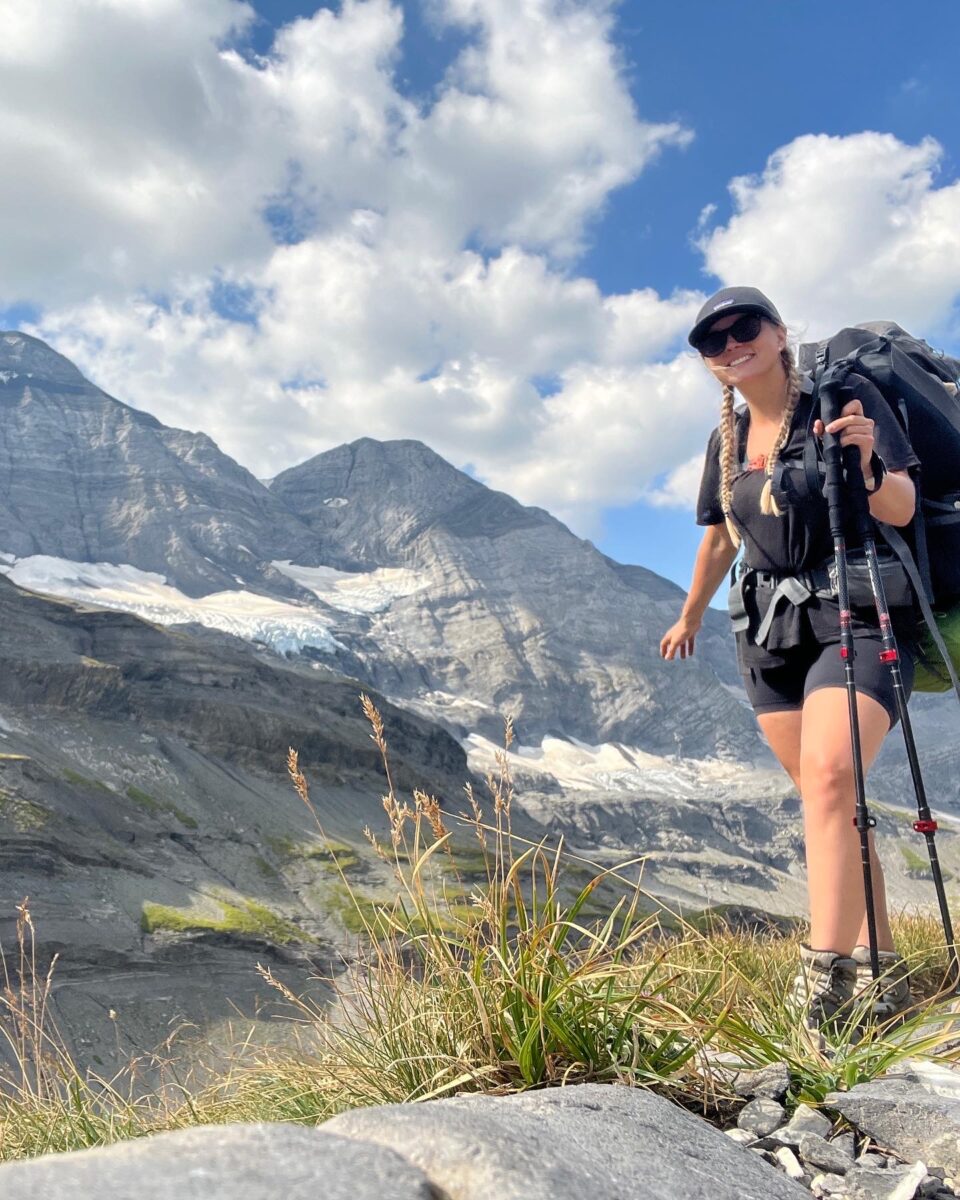
It is heavy, and I think it’s so important that as environmentalists we give ourselves time to recharge. Firstly, my phone gets turned off for a large proportion of the day because there is no ‘safe space’ online for me to ignore environmental issues – most of the accounts I follow on social media relate to the planet. I hike, do yoga, trail run, wild swim, mountain bike, surf, ski, and SUP – anything that involves moving my body outside, I’m into. When I’m doing these things I’m present, I look up, and I am surrounded by the flora and fauna I spend so much of my time trying to protect. Nature helps rejuvenate me when I feel run down from spending so much time trying to get people to care about it – there’s some reciprocity in that, and that feels kind of awesome.

If you could change one thing in the UK regarding nature, what would it be?

It sounds obvious, but for there to just be more of it! I grew up in the middle of Nottingham, which is a pretty nature-sparse city (especially where I lived). You have to travel pretty far to find anything that resembles nature, and thankfully I was dragged out into the countryside at any opportunity my Mum had, which was the starting point of my passion for protecting it. Not everyone has that opportunity. It would be great to take nature to more people rather than expecting them to come to it. I’d love to see more connectivity between nature reserves, more rewilding and more urban nature funding so that more people get the chance to connect with it too. We generally don’t care about things that we know nothing about and have no experience of, so why should we expect other people to?

Give us a nature recommendation.

Learn to identify things, it’s so satisfying!