

Who are you?
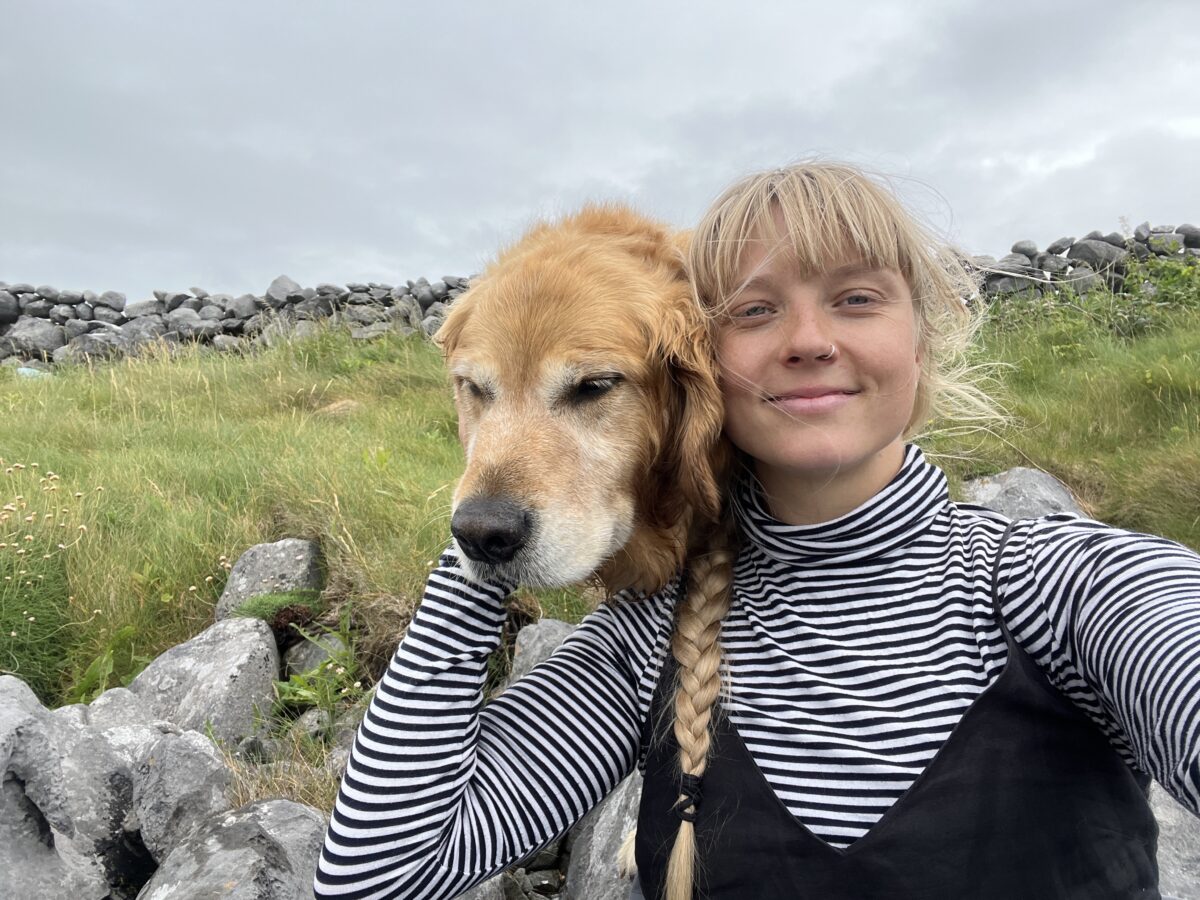
There’s so many ways to answer this question but I won’t get too deep about it! I’m Hannah Mulvany – I’m the Head of Comms for UK Youth for Nature. I’m an Environmental Biologist and Communications Specialist with a love for funk and disco music, who has been a part-time vanlifer, part-time housesitter for the past 7 years. I’ve lived in seven different countries as an adult, recently learned my star sign describes me very accurately, only like spinach when it’s raw, and have always dreamed of playing the saxophone.
How did you acquire this illustrious role?
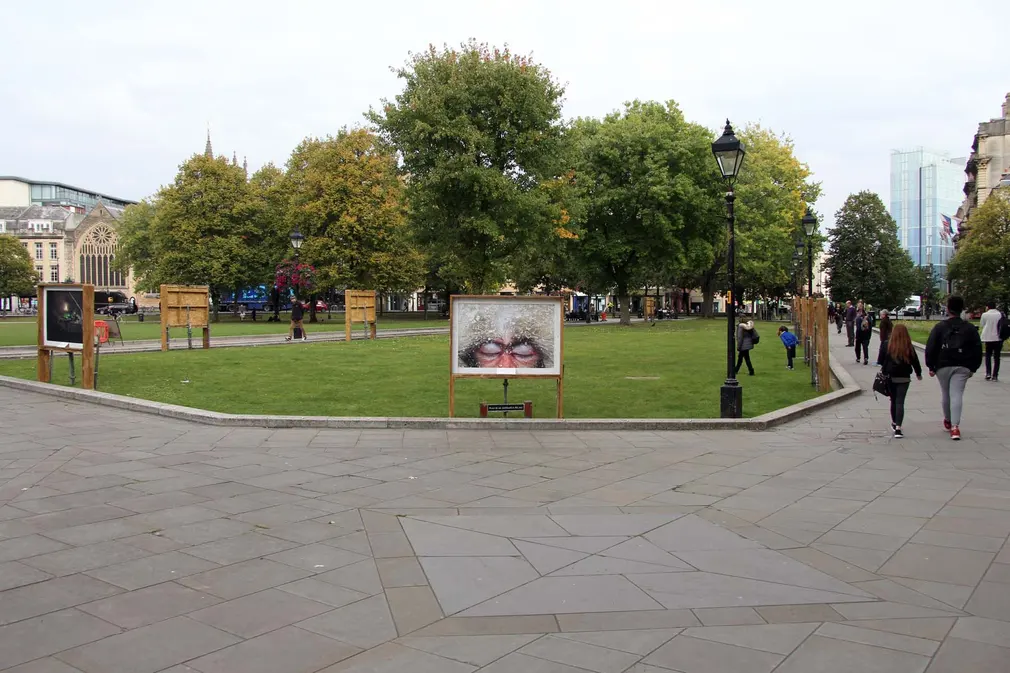
As with most people, my career has taken many meandering pathways. After doing my degree in Conservation Biology at the University of the West of England, I got a job straight away at Wildscreen, where I had done an internship during my degree. Here, I worked as a researcher/author, later working on building up their photo and video library for global conservation non-profits. I also ran the public programme for the Wildscreen Festival, which included creating large-scale street art, touring a bicycle-powered cinema around the city and screening wildlife documentaries, and creating the world’s very first completely recycled and recyclable outdoor photography exhibition. Part of my role was creating content for social media, and helping to acquire the content that charities needed to tell their stories. I knew I’d hit the nail on the head with my career when I figured out how to blend my creativity with my passion for the natural world.
What’s something you find really annoying about the state of the planet?
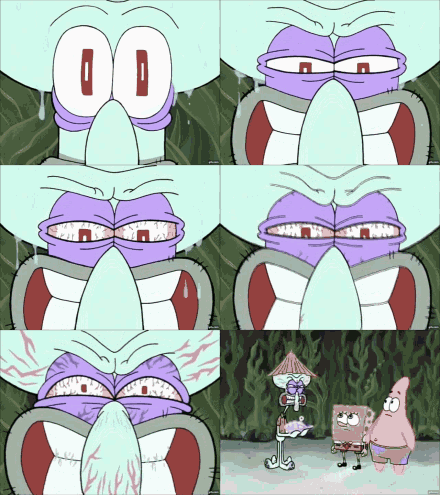
I don’t think anything annoys me more than littering. Watching someone casually discard a wrapper, cigarette butt or whatever they’re choosing to destroy the environment with makes me feel like Squidward after SpongeBob has asked him too many questions. I love cartoons – forgot that from the about me section!
Name three things that you do to help the planet.
I eat a plant-based diet, I only buy second hand or recycled clothes, and I have a sustainable bank account and pension plan. I don’t think anyone is perfect, and I’m certainly not, but I think taking baby steps and considering how any aspect of your life can be more environmentally friendly, then taking small steps to resolve them, is the best way to align your life with your values without feeling totally overwhelmed.
Being an environmental scientist can be pretty heavy at times, how do you manage this?
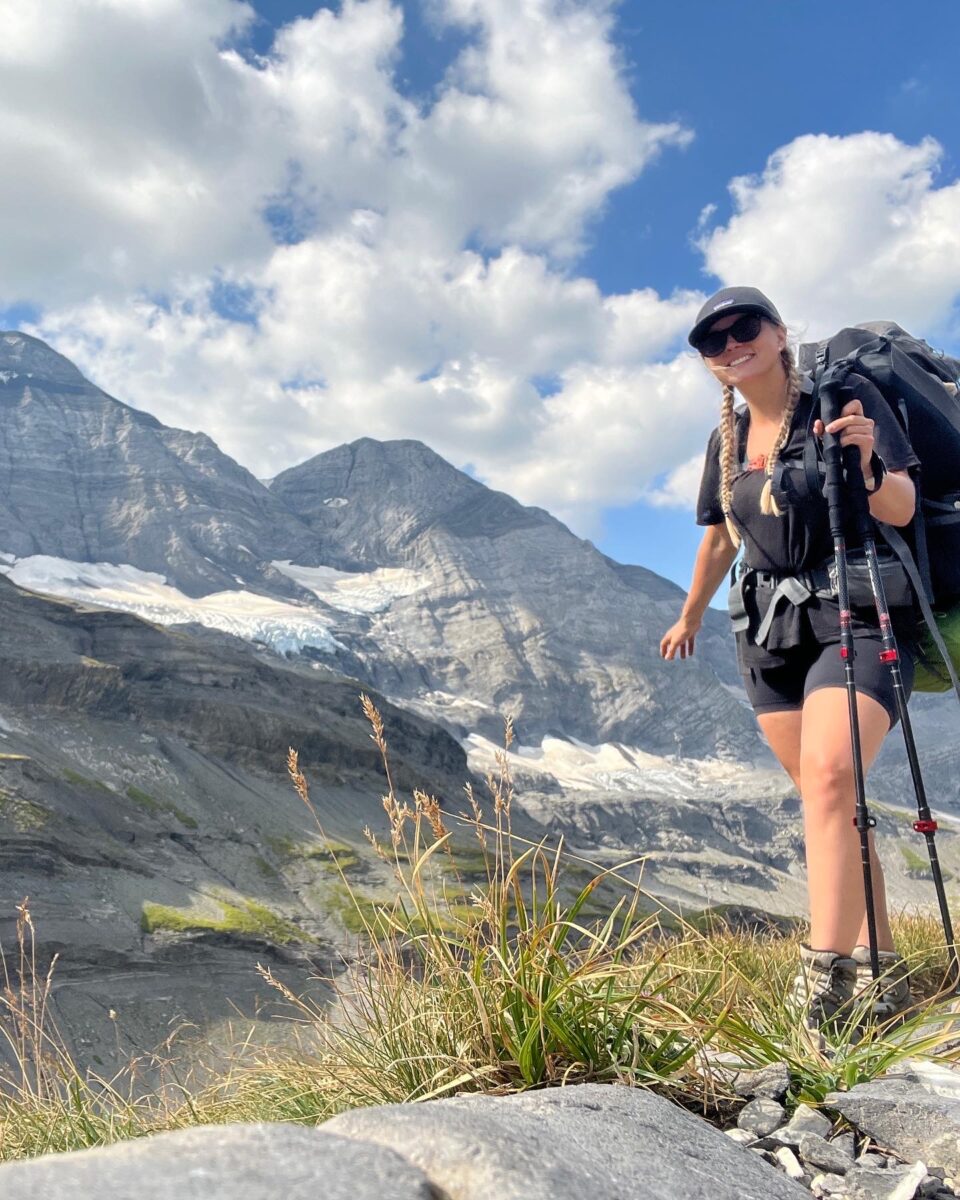
It is heavy, and I think it’s so important that as environmentalists we give ourselves time to recharge. Firstly, my phone gets turned off for a large proportion of the day because there is no ‘safe space’ online for me to ignore environmental issues – most of the accounts I follow on social media relate to the planet. I hike, do yoga, trail run, wild swim, mountain bike, surf, ski, and SUP – anything that involves moving my body outside, I’m into. When I’m doing these things I’m present, I look up, and I am surrounded by the flora and fauna I spend so much of my time trying to protect. Nature helps rejuvenate me when I feel run down from spending so much time trying to get people to care about it – there’s some reciprocity in that, and that feels kind of awesome.
If you could change one thing in the UK regarding nature, what would it be?
It sounds obvious, but for there to just be more of it! I grew up in the middle of Nottingham, which is a pretty nature-sparse city (especially where I lived). You have to travel pretty far to find anything that resembles nature, and thankfully I was dragged out into the countryside at any opportunity my Mum had, which was the starting point of my passion for protecting it. Not everyone has that opportunity. It would be great to take nature to more people rather than expecting them to come to it. I’d love to see more connectivity between nature reserves, more rewilding and more urban nature funding so that more people get the chance to connect with it too. We generally don’t care about things that we know nothing about and have no experience of, so why should we expect other people to?
Give us a nature recommendation.
Learn to identify things, it’s so satisfying!