Community Spotlight – Ryan Eddowes

First off, we love your YouTube channel – what got you started making wildlife films?

I’ve always been inspired by the legendary Sir David Attenborough – his passion for the natural world is so infectious. Growing up, I was curious about the insects I discovered in my back garden, from snails to woodlice. I wondered why they were all different shapes, sizes, colours, why snails had eyes on long stalks and why they had a shell etc. This ‘inner scientist’ is something every child has within them as they grow up.

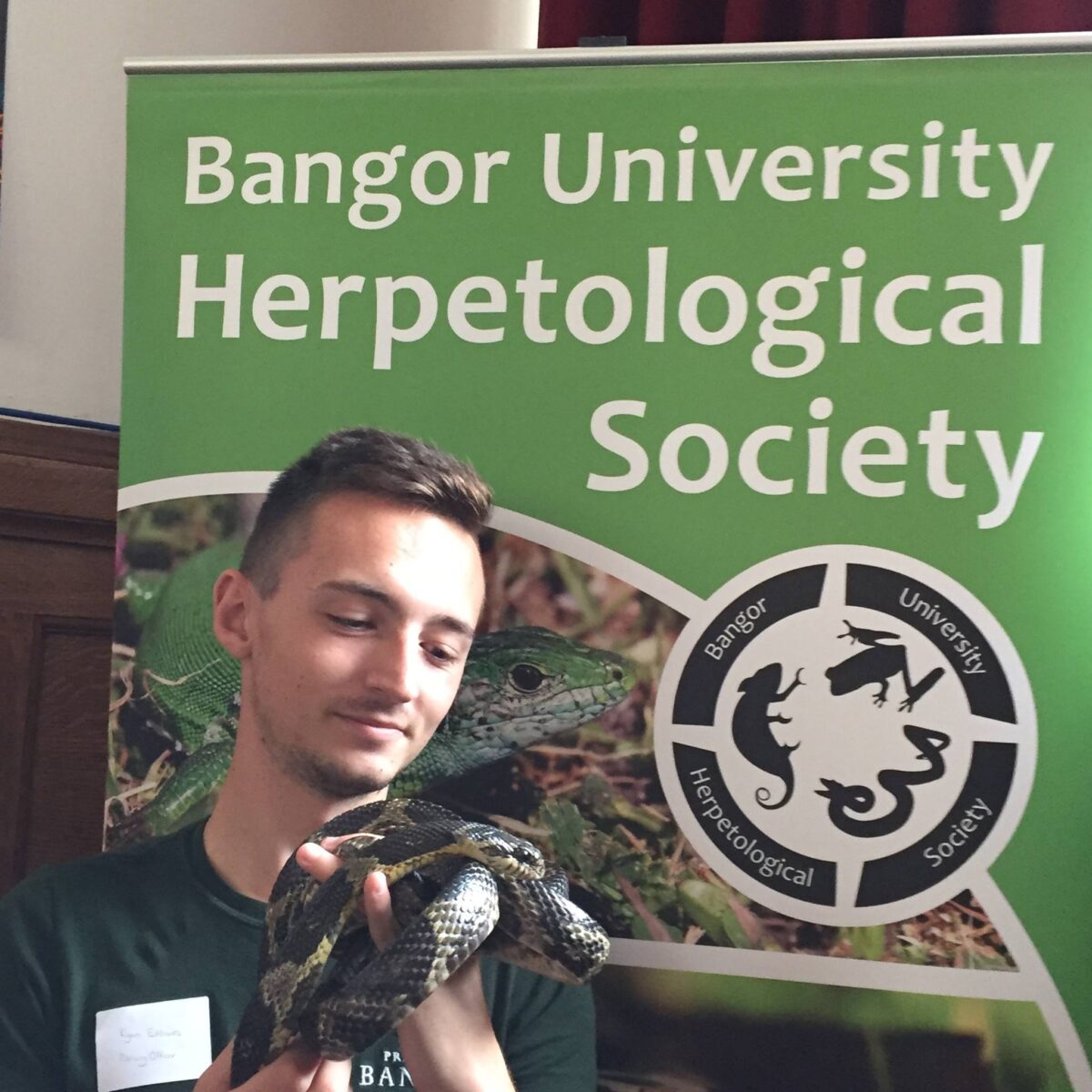
After leaving school, I went to study animal care at Rodbaston College. I graduated and went on to study Zoology with Herpetology (Snakes & Amphibians) at Bangor University in North Wales. It was here that I bought an old camcorder and started filming the local natural environment and wildlife. During a month’s wildlife filmmaking internship in South Africa, I learned how to become a presenter and I fell in love with the craft. I returned with my documentary called ‘Secrets of the Savannah’

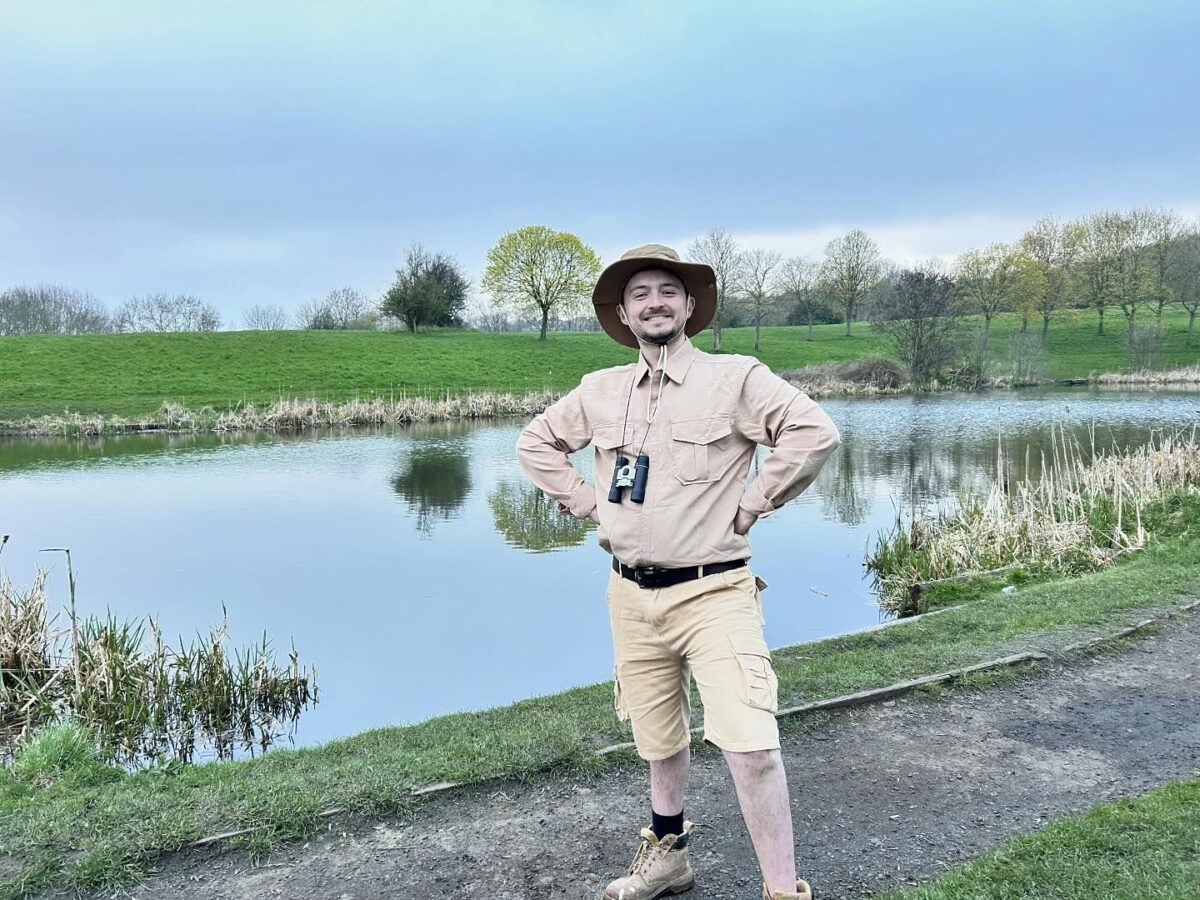
From here, I began making more films in my own time. My latest series ‘Ranger Ryan combines my unique humour and cheerful character to  teach kids and adults about their local nature, like ducks, which feature in the first episode! In the future I hope to make more series with Ranger Ryan and maybe even make it on TV or Netflix. 
Tell us about your Jurassic Coast Walk!

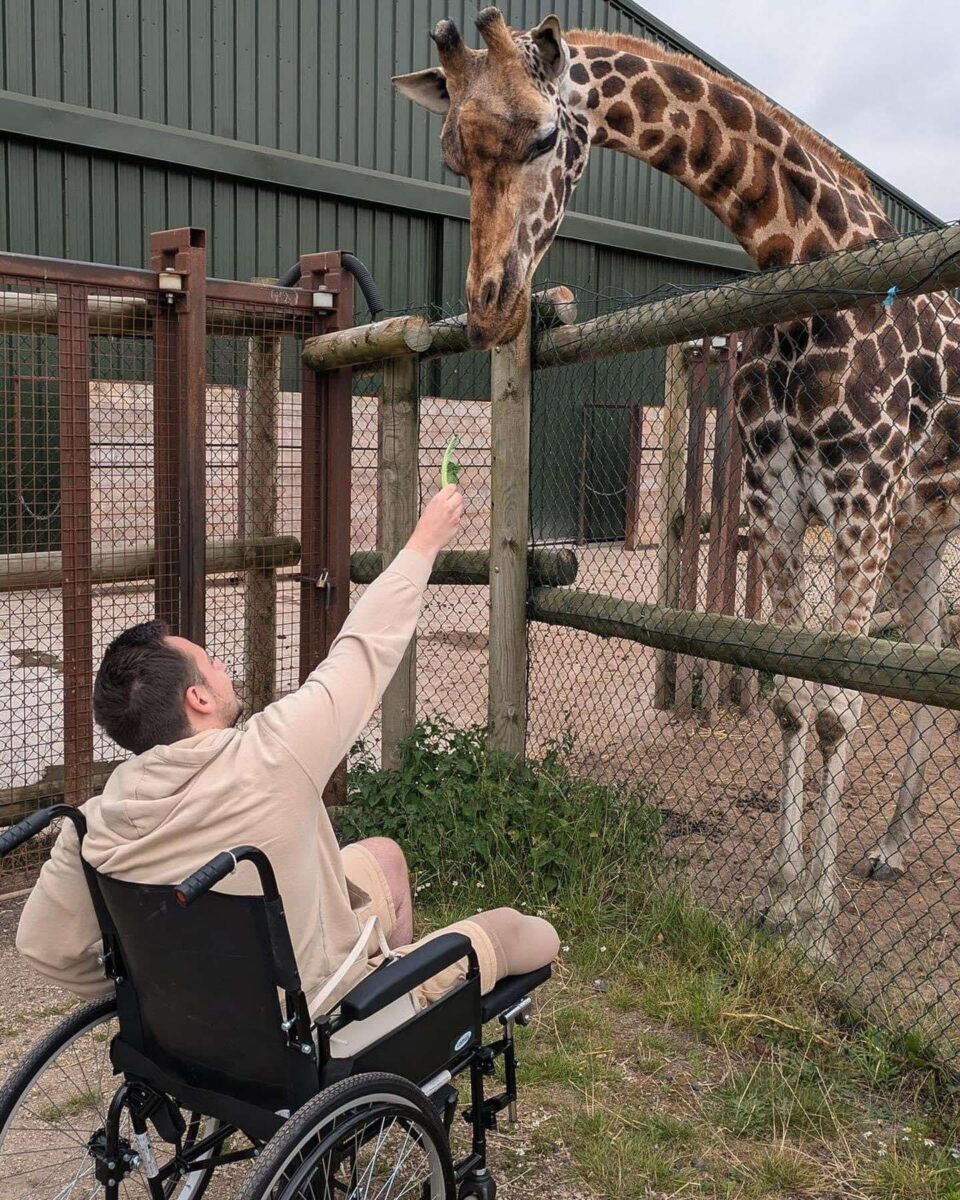
My Jurassic Coast Walk was to raise awareness of the birth condition I was born with known as clubfeet – a condition that causes your feet to turn inwards and downwards. It’s present on both of my feet. 

Although it’s a common lower limb condition, there’s a lot of mystery surrounding it, especially around adults with clubfeet. My mission was to raise awareness of the condition, as there are thousands, maybe even tens of thousands of adults with untreated clubfeet. My walking challenge was to prove that a disability shouldn’t bar us from achieving our dreams, and also to raise awareness of how the condition affects individuals.

I was backed by the charity ‘Steps’, which supports people with lower limb conditions such as clubfeet (since completing my walk I’ve become their ambassador and trustee). As well as this, I also gained the backing and support of Julia Bradbury (TV Presenter) and her sister Gina, who run the Outdoor Guide, whose mission is to make the environment accessible for those with hidden or physical disabilities.

I managed 82 out of the 95 miles of coastline, which was a massive success and raised national awareness for clubfeet. As of 2024, I had my right leg below the knee amputated due to the severity of my bilateral clubfoot. I am now on my recovery route.
How does nature in the UK compare with some of the more exotic places you’ve worked?

Many people expect the wildlife abroad to be more spectacular and indeed in many cases it is – you’re unlikely to see a mass migration of wildebeest walking past you in the UK! This said, I believe that British wildlife can be just as spectacular and beautiful.

In local parks or back gardens, I see multitudes of species from mammals (Hedgehogs) insects (bees, butterflies, beetles and ants) and birds (Pigeons, Jays, Starlings and Sparrows). There’s so much to see in this country, and I feel it gets overlooked every time.
What’s the weirdest or most unexpected thing you’ve encountered while on a nature expedition?

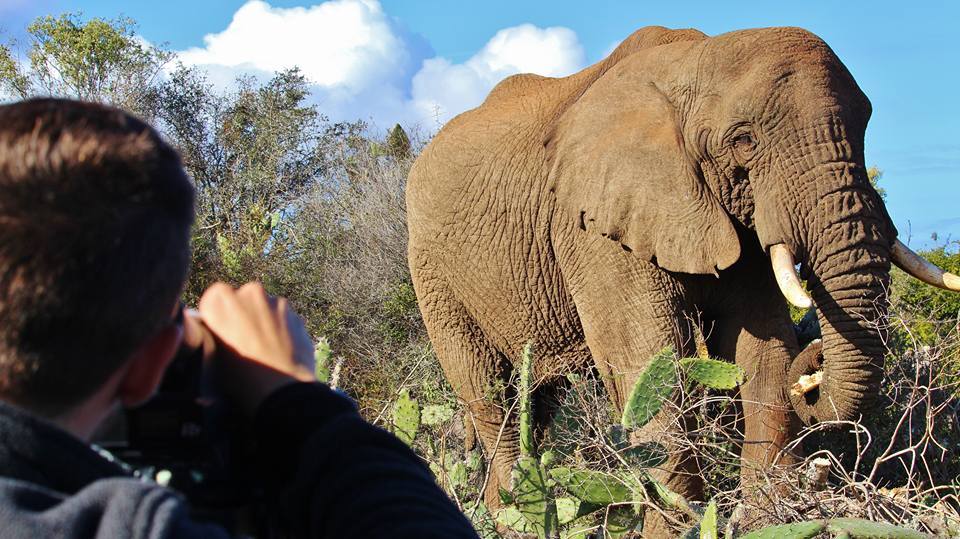
The most unexpected encounter was when I went from my university to the Kruger National Park in South Africa.

We went on a bush walk and came across a dried-up riverbed and had some food. Out of the bush, a family of elephants came walking towards us. The herd consisted of a matriarch, a sub-adult, and an infant. The mother and baby walked straight past us, and the sub-adult did a dummy charge at us, raising its trunk and flapping its ears. It then stepped back, waited a moment, and then walked up to catch up with its family.

It was breathtaking – the biggest land mammal walking past me while I was sitting eating a sandwich. That experience will stay with me for the rest of my life.
What animal could imitate most accurately?

Ha ha, this is a good question. I can imitate a few, to be honest. I can do the chuff of a tiger and the chirping noise of baby crocodiles.


UK Youth for Nature is a group of like-minded nature lovers who are on a mission to improve the future for wildlife, nature and humans in the UK. If you want to be part of our community, you can find out more here.

Community member spotlight – Robson Peisley

Who are you? (Tell us a bit about yourself!)

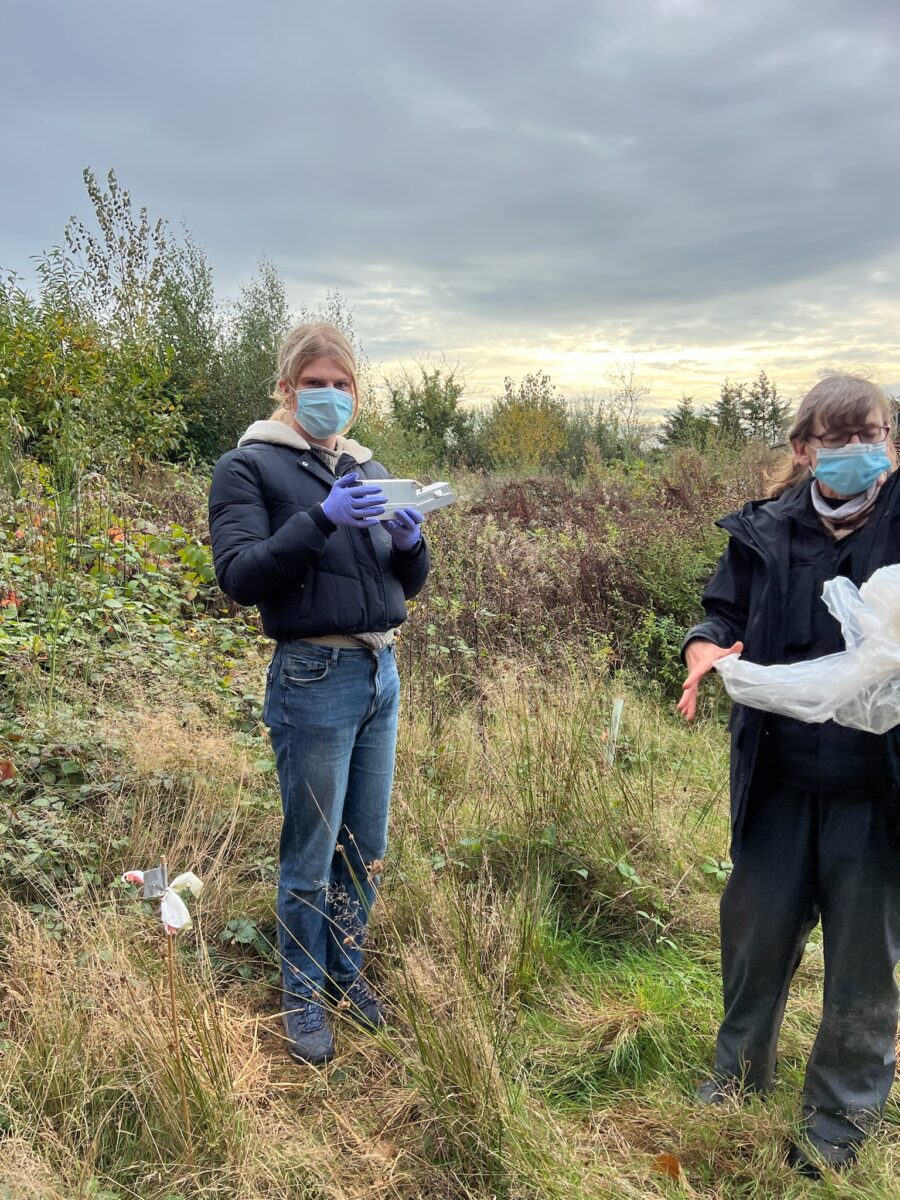
My name is Robson, and I am a third year Ecology and Conservation student at the University of Brighton. I am currently completing a dissertation on pond creation and restoration, looking at the use of invertebrates as bioindicators. At the university I am also President of the Ecological Society, where I work to deliver events and opportunities to connect students to nature and to develop their skills.

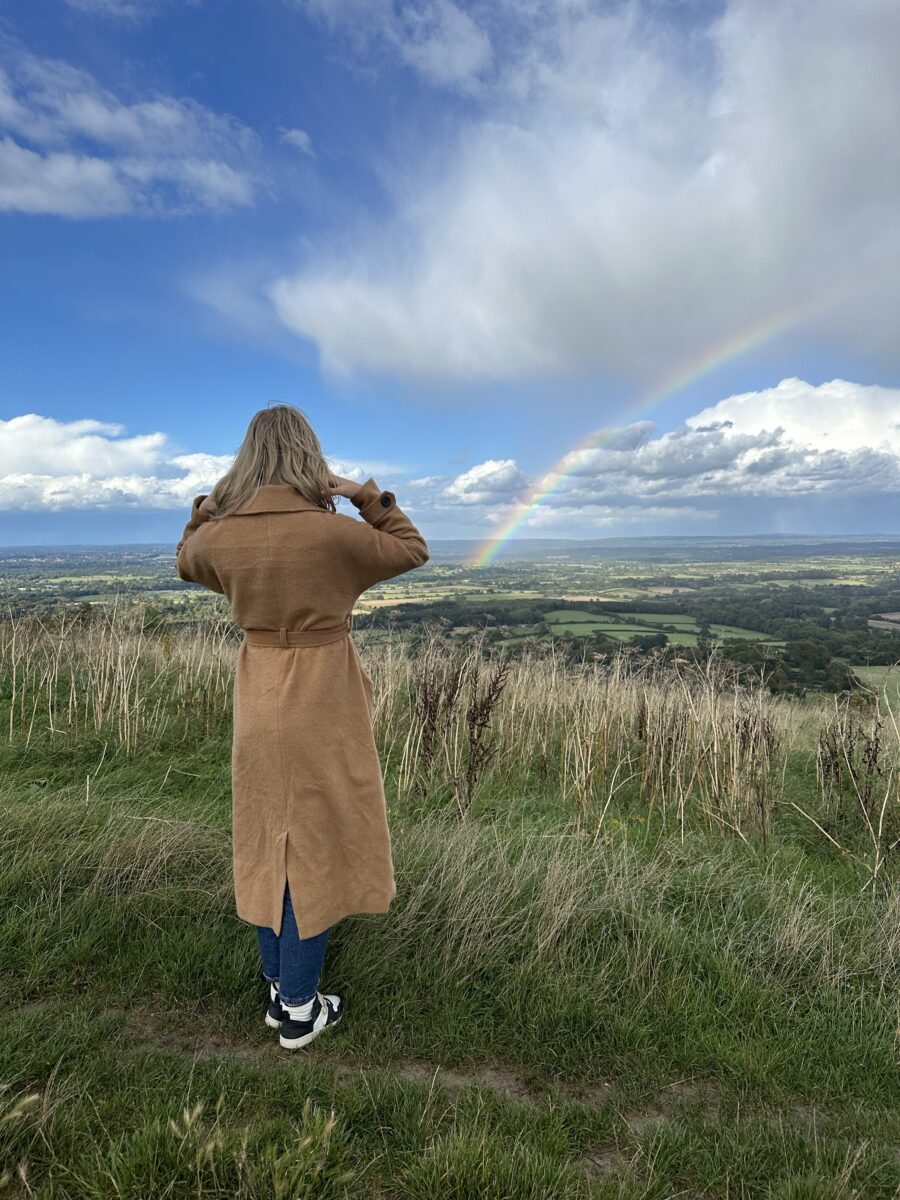
Outside of my studies I am a Youth Ambassador for the South Downs National Park, where I represent youth voice in the management and decision making relating to the park. As well as this, another part of the role is raising awareness about the work of the National Park and pushing for inclusion and accessibility within the landscape. I am also the Youth Engagement Coordinator for the Sussex Mammal Group, where I am working with other local groups and underrepresented communities to create a variety of opportunities and events for young people to engage with mammals and conservation. I also do some bits to support species monitoring efforts, such as being a Wetland Bird Surveyor and participating in other schemes. And of course, I am also part of the UK Youth for Nature community!

What’s your favourite season, and why do you enjoy it?

I love spring and autumn. I think there is something so special about how they act as a transitional period and the visual changes we experience in nature during these times. From bird migrations, flowers coming into bloom, and leaves falling, spring and autumn are definitely some of the most visually stunning. They’re also a fantastic time to spot a wide range of species, which is great if you’re a keen naturalist such as myself.

Why do you feel so passionately about National Parks?

There are a couple of reasons why I feel so passionate about working with National Parks here in the UK.

Firstly, I feel that there is an important role to play in increasing the public understanding of National Parks and what they are. Whilst National Parks are in part designated for their importance for nature, here in the UK they are also designated in part for their historical, geological, and landscape importance. In fact, many people live inside our National Parks, whereas in many other places National Parks are expanses of land where no one lives.

Secondly, I believe that landscape scale efforts are needed to counteract the ongoing nature and biodiversity crisis, and National Parks have such potential within this. To achieve biodiversity and nature targets we need to see habitat and landscape scale action, and protected landscape’s management plans can drive this.

What is one thing that you think we need to see more of in nature spaces?

Without a doubt knowledge exchange between individuals and groups. Something I have personally realised is that there are so many people with such vast knowledge of the natural world, but this knowledge doesn’t seem to always get exchanged. So for me I think a big thing is to try to start and facilitate these conversations. No one person is ever going to know everything about nature, but if we can all share what we each know then more people have a wider knowledge. This in turn creates more awareness about nature and the environment, but also develops for skills for those that work in the environment sector.

Where is your dream place to travel to?

My dream is to travel to Oceania one day. The wildlife is so diverse, and I would love to immerse myself in it all. For example, where else in the world would you come across an egg laying mammal? 

Closer to home, I would love to explore more of the British landscape. We have such diverse landscapes across the UK and without a doubt there is so much more I want to see. One big one that sticks out to me is Snowdonia, it’s somewhere I’ve always wanted to visit so fingers crossed I squeeze it in this year! I also would love to go to Skomer Island to see the puffins, and I would love to return to the Scottish Highlands as my previous visit to the Cairngorms was very brief.

If you could instantly learn any skill, what would it be?

I always say I would love to be better at species identification. However deep down I know that learning these skills and the extensive time it takes is part of what makes them so fulfilling. I am always curious to identify and understand the living things I come across, and so learning more about species identification is always a bonus. This is something I hope to really develop this year!

UK Youth for Nature is a group of like-minded nature lovers who are on a mission to improve the future for wildlife, nature and humans in the UK. If you want to be part of our community, you can find out more here.

FRESHWATER SPOTLIGHT: DIPPER

By Jasmine Foster

Dipper ecology 

Dippers are one of the many species inhabiting freshwater areas. They play a key role in their environment, keeping the ecosystems they live in stable. However, pollution and other factors are threatening their survival. 

Habitat and location

Dippers are found in freshwater habitats in North and South America, Europe, and Asia. They are also found in Morocco in Africa. There are five different species of dipper around the world, whoinhabit banks of fast-moving upland rivers and visit lake shores and sea coasts outside of the breeding season. The species found in the UK is also known as the white-throated dipper or European dipper.

Diet

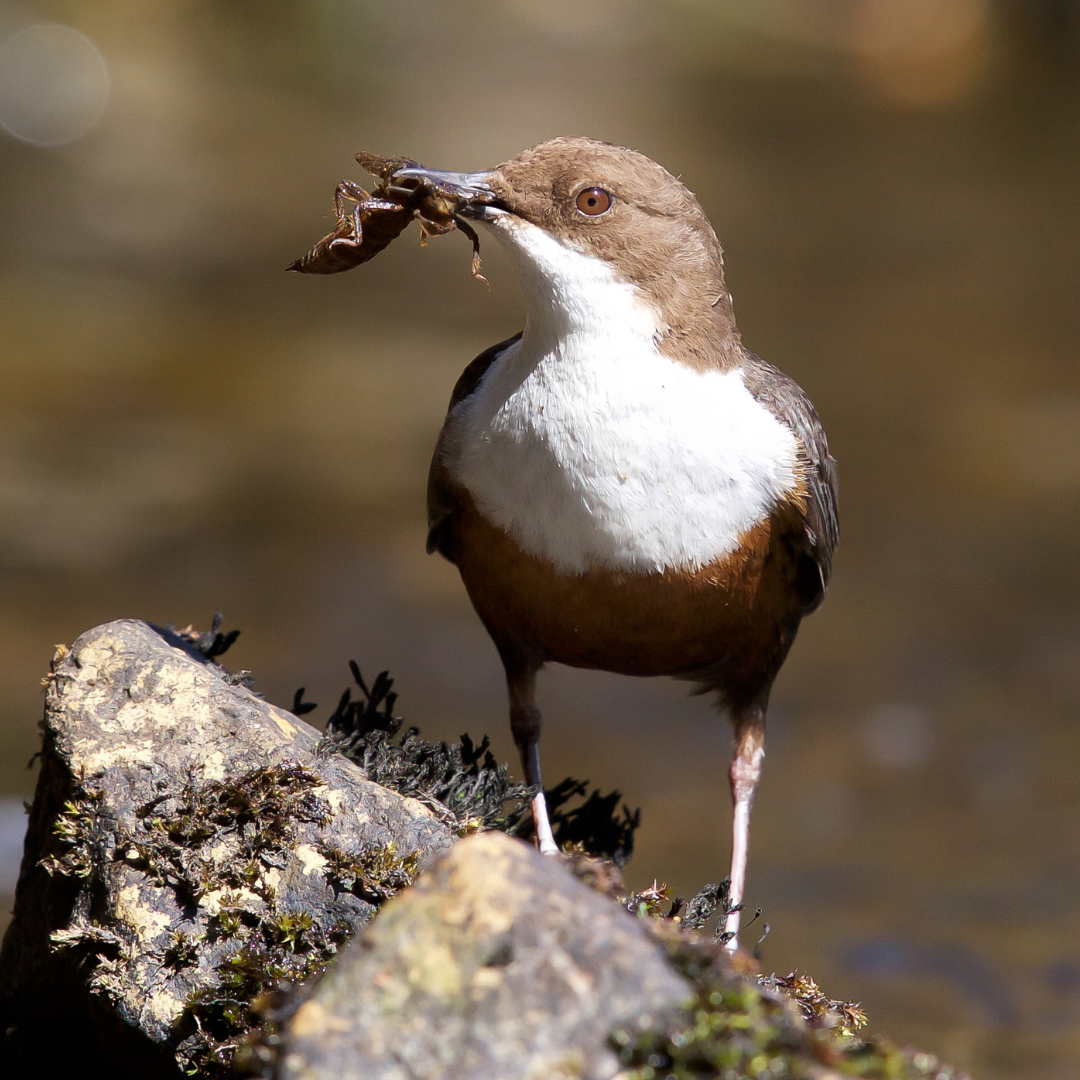
Dipper diets consist mainly of insects and their larvae. Crustaceans and molluscs are another source of food primarily during winter due to the lack of insect larvae. Additionally, they will sometimes feed on worms, tadpoles, and small fish.

Many types of prey that the dippers depend on are affected by pollution and water acidity, as they cannot survive in modified conditions. With the current state of rivers in the UK, dippers have less access to food which makes it difficult for them to sustain themselves. 

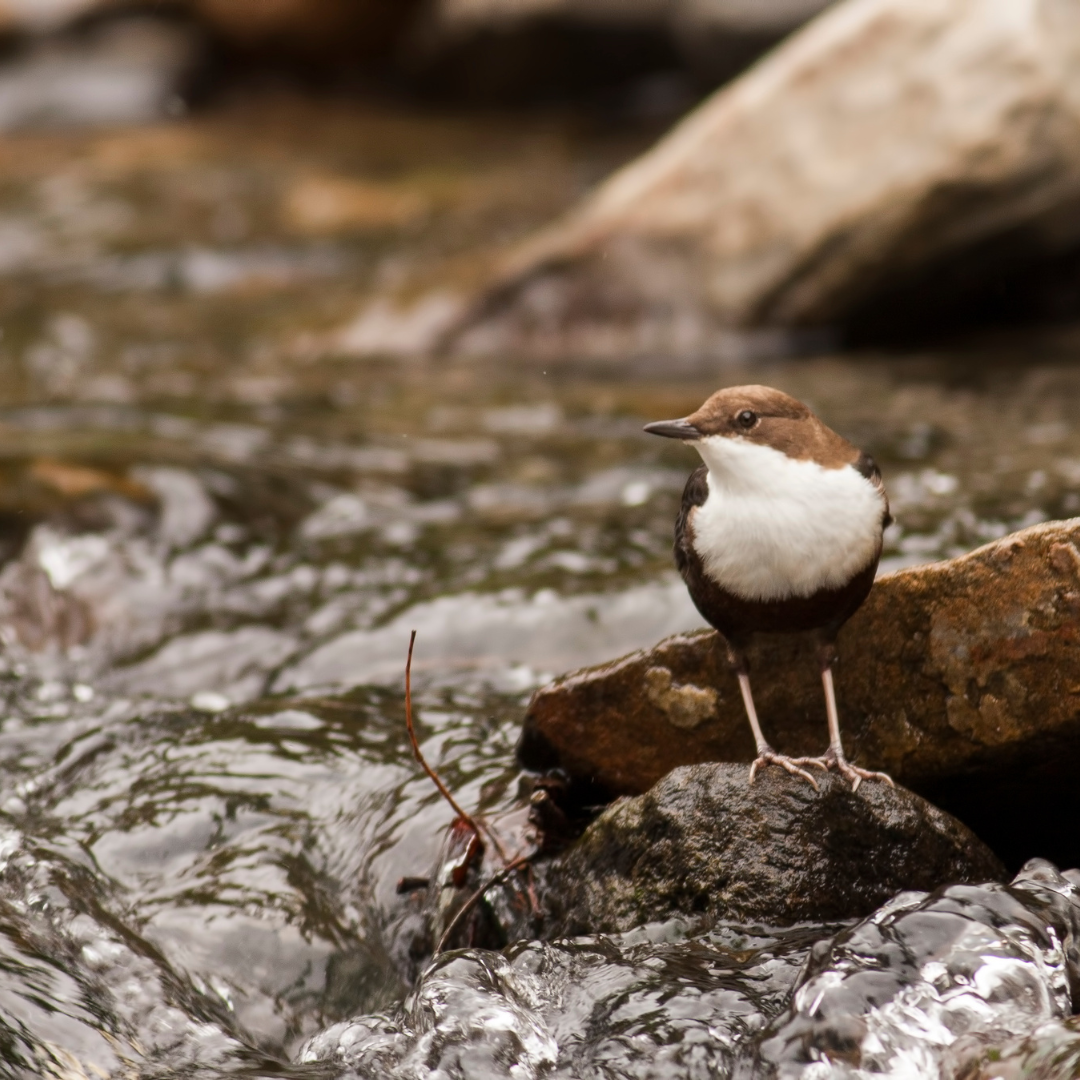
Dippers find their prey by foraging in and along the margins of fast-flowing freshwater streams and rivers, perching on the edge of rocks and feeding at the edge of the water. They will often grip the rocks firmly and walk beneath the water until partly or wholly submerged, searching underwater for prey between and under stones and debris. Their wings also allow them to swim, meaning that they can find their prey more effectively.

Behaviour

During the breeding season, dippers will establish breeding grounds along suitable rivers, which they defend against attacks by other dippers. Their nests are made from moss, grass, and rootlets, and have a dome structure with a side entrance hole. They are constructed on ledges, banks, drainpipes, and crevices. The length of these breeding territories are usually between 300 metres and 2,500 metres, sometimes larger. The size is usually dependent on the availability of food throughout the area, and whether there is enough to sustain themselves and their brood. 

The three northern dipper species usually have a clutch size of four or five, however clutch sizes of South American species aren’t well known. The incubation period usually lasts 16 to 17 days, after which the hatchlings are incubated by the female for 12 to 13 days and are fed by both parents. The fledging period lasts 20 to 24 days, and young dippers become independent within a couple of weeks of leaving the nest.

Dippers create loud, high pitched calls, similar to other birds inhabiting fast flowing rivers. They are the UK’s only aquatic songbird. Alongside vocalisation they communicate via dipping or bobbing movements, and rapidly blinking to expose the white feathers on their upper eyelids, creating a series of white flashes. This act is carried out for both courtship and threat displays.

Dipper vocalisatons (C) Simon Elliott/Xeno Canto CC BY-NC-ND 4.0

Environmental conditions

Dippers can be sensitive to the pH levels in water environments, and therefore need clear, clean water in their habitat. Heightened acidity in streams due to high levels of pollution can cause issues in reproduction and their survival. This is happening throughout the UK due to agricultural chemicals, sewage, oil pollution, and radioactive substances, causing declines in their population.

Not So Freshwater

Our Not so Freshwater campaign is calling on the UK Government to:

  1. Reduce pesticide use by 50% (volume and toxicity) by 2030
  2. Create ambitious targets to restore field margins and riverside ecosystems to reduce field run-off and boost our waters for wildlife and people

If you want to support our campaign, head to our campaign page and write a letter to your MP or subscribe to our newsletter to get regular updates directly to your inbox.

Why the Bad Rep? Halloween-adjacent Animals That Don’t Deserve Their Bad Reputation

By Jasmine Foster

Many of our UK wildlife species have spooky folklore and stories attached to them, making them prime Halloween decoration/costume inspo! But where do these stories come from? Jasmine wanted to explore where these scary stories originated and whether the species deserve their bad rep (we think not!).

Spiders

What’s their connection to Halloween?

  • Spiders’ history on why they are related to Halloween dates back to the medieval period, when the Roman Catholic Church spread word of the dangers of witchcraft. They were often seen to be companions to witches, therefore gaining a bad reputation within communities, especially during the witch trials between the 15th and 18 centuries. 
  • In addition to this, run down areas often said to be ‘haunted’ are naturally home to many species of spiders due to their fondness for darker, less disturbed areas. When there are lots of spiders sharing one area and building multiple webs, it doesn’t take long before they build up and look pretty much exactly like the decorations you can buy!

Why they don’t deserve their bad rep:

  • Spiders are a key aspect of insect control as they naturally prey on insects such as flies, moths, and mosquitoes. This means that insect populations can remain stable. The control of insect population can also reduce the spread of disease which can, in turn, benefit humans.
  • Spiders act as a source of nutrition for many bird species and other small animals, and therefore play a key role in their food web.

Favourite facts about spiders: 

  • A spider’s blood is blue. The oxygen in their blood binds to copper, giving their blood a blue appearance.
  • Around 100 different species of spider mimic the appearance of ants, and they are even able to produce ant pheromones. This makes it easier for them to hunt and also provides them with protection from some of their predators.
Synemosyna formica

Synemosyna formica

Owls

What’s their connection to Halloween?

  • Owls are nocturnal and therefore communicate during the night, producing haunting calls that are frequently used in horror films or to set the tone for a scary scene. The design of their feathers also allows them to fly silently.
  • Owls were also seen as the companions of witches, meaning that they became a sign of misfortune and ghostly and earthly decay. This was during the time period where Catholicism was encompassing Europe and more sinister Roman characteristics of owls became common. This made them more associated with Halloween themes. 
  • In Welsh folklore Blodeuwedd, a maiden who has an affair and tries to kill her lover’s partner, turns into an owl as a form of punishment. They do this as they state that an owl is “the creature hated by all other birds”. This has led to myths around owls surrounding the folklore, making them seem more spooky and mysterious. 

Why they don’t deserve their bad rep:

  • Similarly to spiders owls can act as form of pest control, especially for species such as rodents. Rodents are prone to eating and destroying crops in fields and storage, therefore controlling their populations is beneficial for human food production. 
  • Owls such as barn owls are birds of prey and are at the top of the food chain, therefore playing an incredibly important role in their ecosystem. Preservation of owls can sustain biodiversity in certain areas.

Favourite facts about owls:

  • Their eyes are immobile. Owls have eyes that are tube-shaped, and cannot move. Their retinas contain many rod cells to help them see at night and help them with their depth perception for hunting.
  • To compensate for not being able to move their eyes, owls can rotate their heads 270 degrees. When they turn their heads and cut off blood circulation, a blood-pooling system collects blood to power their brain and eyes. 

Tawny owl

Bats

What’s their connection to Halloween?

  • Around 2,000 years ago celtic people celebrated a festival called Samhain on the 31st October. The Celts believed that the division between the world of spirits and our world was the weakest during this day, meaning that spirits could cross into our world. The festival would include bonfires, which acted as an attractive light source for nearby flying insects. The gathering of these insects would then attract bats interested in a meal, therefore swarms of bats would gather near the festival. The Celts noticed this and then started to believe that the bats were the spirits that had crossed over to our world.
  • As well as old traditions, old media also influenced the reputations of bats. Dracula, a famous book written by Bram Stoker, depicts bloodsucking vampires turning into bats. The publishing of this book led to people believing that bats suck blood, when only 2 species are known to do so, and they prefer goats’ and birds’ blood over that of humans. This depiction of vampires and bats still influences how bats are seen and is one of the reasons they are feared, as well as the old wives’ tales about them getting stuck in your hair.

Why they don’t deserve their bad rep:

  • Bats are key for many tropical plants who depend on them, sometimes wholly, to pollinate their flowers or spread their seeds. This means that they can help maintain biodiversity of plants, making sure they’re spread across an area.
  • Bats are also insect controllers, due to them preying on many insects. All UK bat species eat insects, meaning that Britain benefits via pest control from their presence. Some studies show that bats are so efficient at this that they eat enough pests to save more than $1 billion per year in crop damage and pesticide costs in the United States corn industry alone. This is advantageous as it means less pesticides are being used, which can cause damage to the environment. 

Favourite bat facts:

  • A single bat can eat up to 3000 insects per night, which is the same as eating their body weight in insects. This proves how effective they can be at pest control. 
  • Over 300 species of fruit depend on bats for pollination. They also help spread seeds for nuts, figs, and cacao. Some other fruits that they pollinate include bananas, avocados, and mangoes. 

Brown long-eared bats (found in UK)

Crows

What’s their connection to Halloween?

  • A poem by Edgar Allen Poe called ‘The Raven’ may have led to the association of crows (and also ravens) with Halloween. The narrator in the poem called the raven a thing of evil and a prophet, which suggests a connection with the supernatural. The talking raven responded to the questions of the narrator, which eventually drove him mad. The talking ability and intelligence of the raven in the poem reflected the natural abilities of crowds and ravens.
  • Crows also most likely became a part of Halloween due to their habits. Crows are large and black and make a “cawing” sound that is often considered jarring when compared to other birds. The birds also are scavengers and the Celtic people strongly associated crows with war, death, and the battlefield because they were known to feed on the remains of those who died in battle. GRIM.

Why they don’t deserve their bad rep:

  • Crows play a big role in waste management. They consume tonnes of waste every year, which can prevent disease and bad odour. They have an efficient digestive system, so they can consume waste efficiently.
  • Crows will stay around gardens to eat grubs and insects rather than crops. Their ability to clear pests and parasites from farmlands can outweigh the minimal damage they cause to vegetation. An extended family of crows can feed on more than forty thousand caterpillars, armyworms, and grubs during nesting season. 
  • They can also act as pollinators by transporting pollen from one plant to another. 
  • They also eat carcasses, meaning that decay is prevented and, consequently, an influx of insects. 
  • Crows were used as an indicator by health authorities for the West Nile virus, due to being susceptible to it. The birds can die in large numbers during an outbreak which helps people detect the disease, but do not pass it onto humans.

Favourite crow facts

  • Crows can remember faces. 
  • Crows have different dialects. Different species’ languages can have slight differences.

Carrion crow

Toads

What’s their connection to Halloween?

  • Toads have an association with witchcraft, which came from the idea that toads are toxic, and can therefore be used to craft maleficent poisons. By the 1600s they became a classic ingredient for mythological witch’s brew. This was immortalised after the publication of Macbeth. 
  • A toad’s role in witchcraft then transformed into being a trusted and intelligent demonic figure accompanying witches. This was introduced in the Spanish Inquisition of the 17th century. In 1610 the Spanish inquisitors of Navarre reported that they’d seen a cult of witches in nearby mountains. They claimed that the devil had been recruiting witches in Navarre, and that he had gifted each new witch with a toad. These toads were described as “…A demon in the form of a toad with its face like a man’s, dressed in finely tailored velvet and cloth”. These creatures would then become known as a ‘dressed toad’ which would instruct witches on the Devil’s evil plans. 

Why they don’t deserve their bad rep:

  • Toads are pest controllers, meaning that they eat slugs, snails, beetles, and flies in gardens and crop fields. This is considered as “ecosystem service” in the fact that the animals are benefiting humans free of cost. 
  • Amphibians are important to their ecosystems. They are connected to many species in their food web, meaning that they eat a variety of things and a variety of things eat them. They are an indicator species, meaning that they often disappear from ecosystems first and indicate that something is wrong.

Favourite toad facts

  • A group of toads is often called a knot.
  • There are over 500 species of toads.
  • The largest toad is the cane toad. These can grow up to 23cm in length and are originally from South and Central America.

Common toad

Read our other Halloween blogs here.

All of our blogs are written by our community members who are aged between 16 and 35. If you’re a nature loving young person seeking like minded people, why not join us? Find out more here.

Subscribe to our newsletter to keep up to date with all things UK Youth for Nature!