
Reflections on April’s Wildfires

In light of the devastating wildfires this month, we wanted talk to a member of our community who helps to manage the uplands that have been burned. UKY4N volunteer and uplands common manager Jake Cohen, kindly shared his reflections on this landscape wide tragedy. Not So Freshwater


Jake Cohen:

“Across the land I look after, fires have devastated 1600 hectares of upland landscape.

The size, scale and impact of such a fire is quite difficult to fathom and has both short term and long-term consequences.
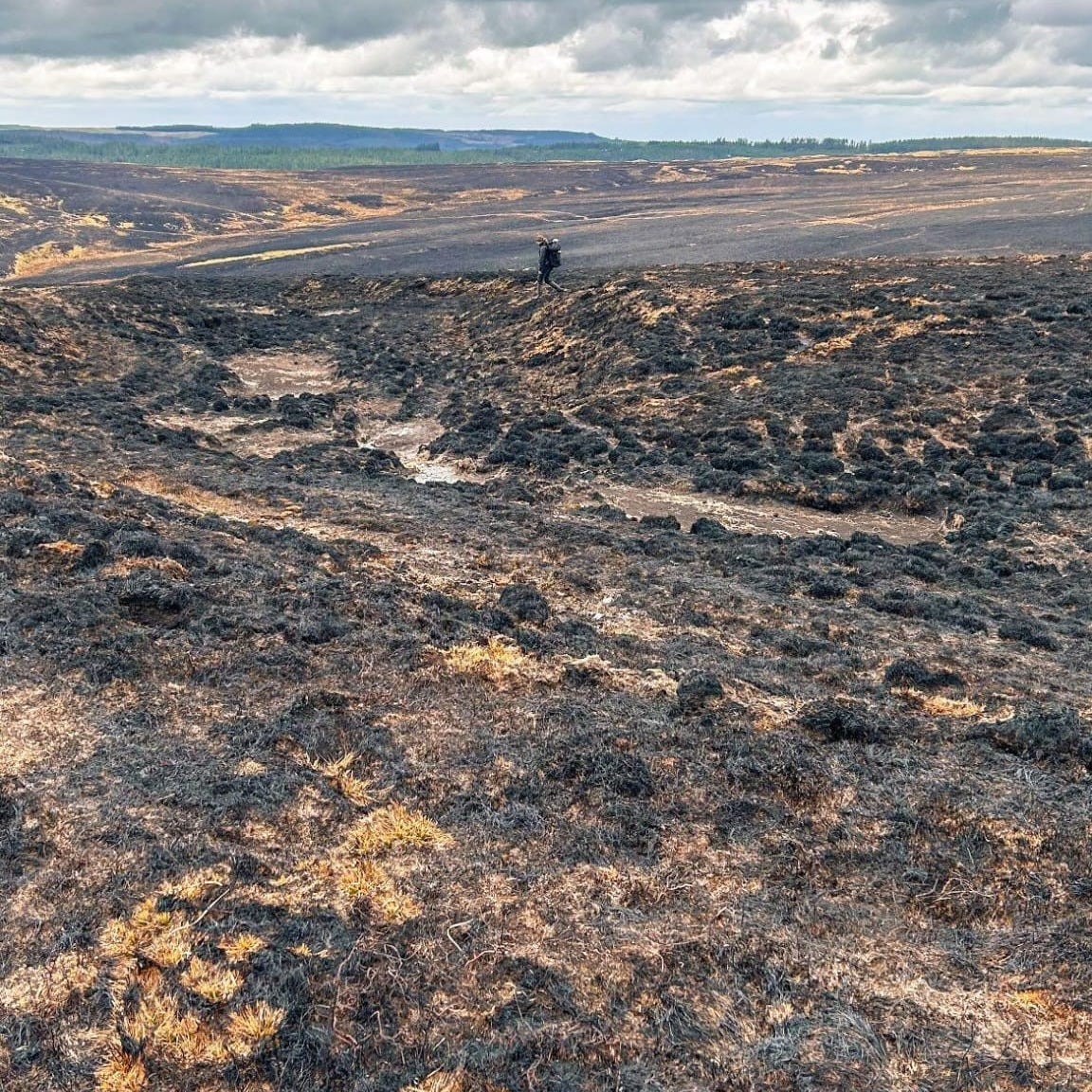
The fire has torn through our last known stronghold of breeding Golden Plover (which are just about clinging on as a breeding species in Wales) and through the last three years of peat restoration efforts. The top layer of peat has been burned away, thereby emitting thousands of years worth of carbon dioxide that would otherwise have stayed in the ground. Furthermore, the freshly exposed peat will now dry out, erode and therefore release further emissions and contribute to habitat loss.

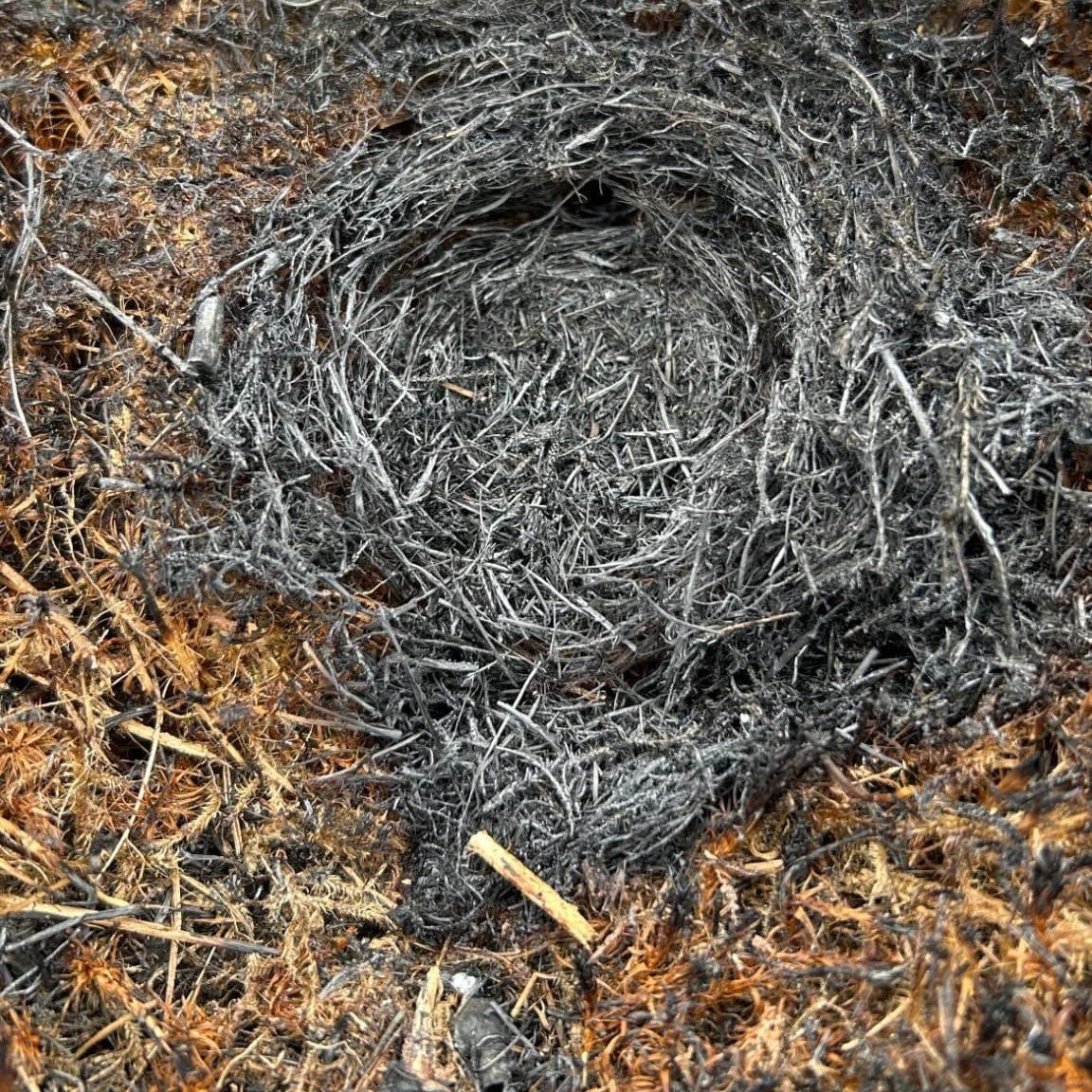
I went out last week to inspect some of the damage and found frogs and shrews burnt on the spot, as well as a lone male Golden Plover seemingly refusing to abandon his territory. Even if he does manage a nest, the lack of invertebrates leaves him and any potential chicks with very little chance. There was no Skylark or Meadow Pipit song which is usually rife this time of year and the miles and miles of blackened landscape was quite shocking. Our eyes, noses and clothing were choked with ash. It was a distressing and bizarre experience.
Upland Ecology

Fire damage also affects the long-term ecosystem as it encourages grasses, which hold their nutrients underground, to thrive, become dominant, and upset the delicate balance of this unique ecosystem. Grasses regenerate quickly and the fresh shoots are great for grazing livestock, but this rapid reproduction means that nothing else has the chance to come through. These dominant grasses create a dry level of vegetation, further increasing the fire hazard and thus creating a feedback loop.

Unfortunately, this is not an accidental wild fire – the fire services have deemed this fire to be ‘deliberate’ which just shows that we have quite a lot of work to do! Although this is a really mournful time for us – the fire didn’t reach rich areas of cattle grazing and more recent peat restoration sites, and the peat burn was only surface level and doesn’t appear to go deeper. So, we take stock and move forward!”
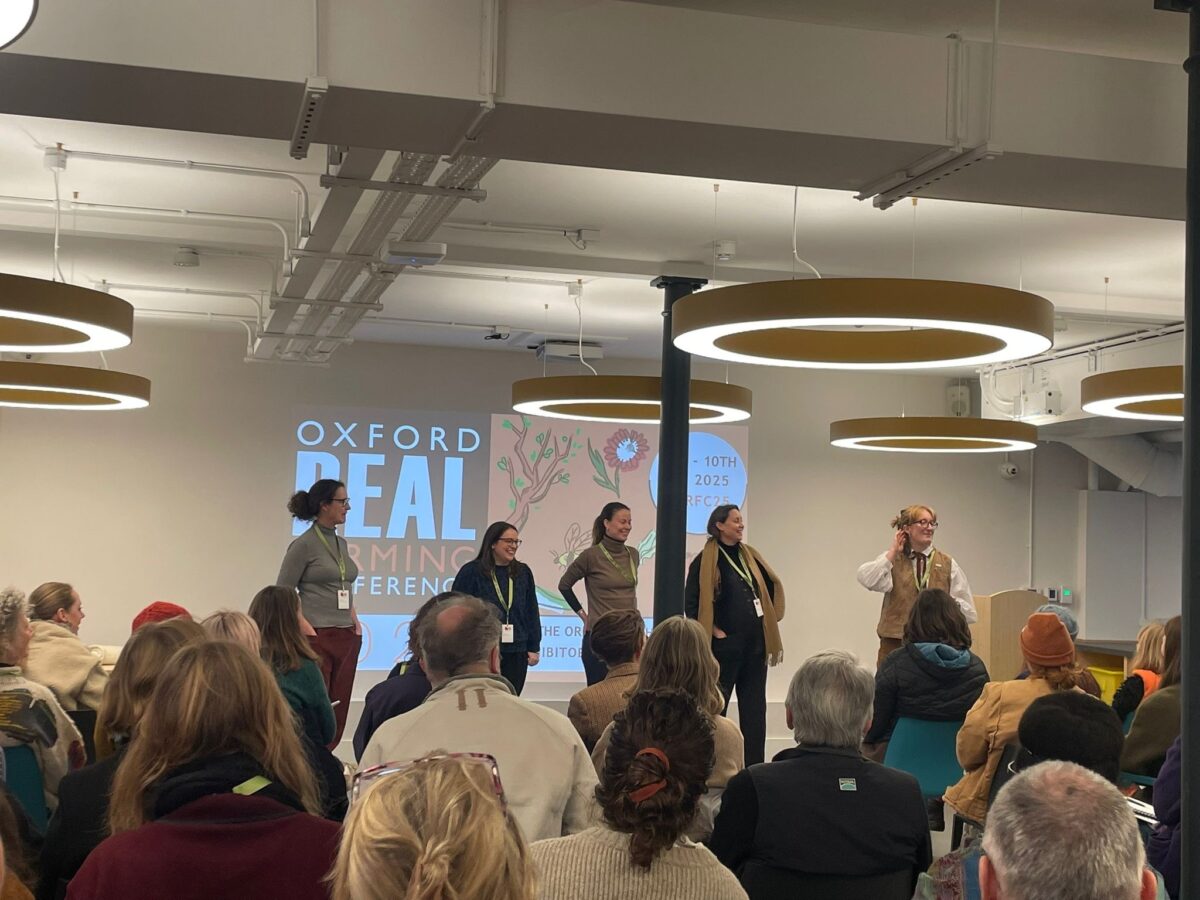
UKY4N at the Oxford Real Farming Conference

Farming in Flux

Oxford Real Farming Conference is a meeting of farmers, activists and various groups from across the rural economy. Yesterday our co-director Roisin delivered sessions aimed at connecting these interests, to help build a more biodiverse, sustainable future. 

Rois led a session on flower farming and diversification (her other job) focussing on: 

  1. How nature friendly methods can help us adapt to our changing climate.
  2. How we can increase the diversity within farming.
  3. How we can create community, starting right here in the conference.

This event was absolutely packed out, demonstrating the appetite among farmers and growers to adapt to the climate and biodiversity crises. The questions tackled in the event matched the tone of the wider conference – how can we develop farming to improve our communities, our nature and our planet?

Growing Culture

Rois also represented the UK Youth 4 Nature campaign in a session hosted by the ‘Growing Culture’ cooperative. This session explored how we can communicate the trauma of climate change, nature loss and genocide without our narratives themselves reproducing that trauma.  

The session was a space for everyone to share stories of hope and their stories of pain without fear of judgement. Rois’s favourite quote from the session was:

“We are not fighting for nature to survive, we are fighting to survive as nature.” 

The room discussed the importance of looking after our own mental health and practicing self love as a critical tool against oppression. One member explained that this practice was vital to be able to recognise when we have become overwhelmed or burned out.

Inclusion and solidarity are values that we in the UKY4N campaign hold dear, and we were pleased to see it reflected in the broader conference. These values were woven through many of the sessions over the two days and we are excited to further engage with farming spaces as we navigate and develop our Not So Freshwater campaign in 2025.

Not So Freshwater

Our Not so Freshwater campaign is calling on the UK Government to:

  1. Reduce pesticide use by 50% (volume and toxicity) by 2030
  2. Create ambitious targets to restore field margins and riverside ecosystems to reduce field run-off and boost our waters for wildlife and people

If you want to support our campaign, head to our campaign page and write a letter to your MP or subscribe to our newsletter to get regular updates directly to your inbox.