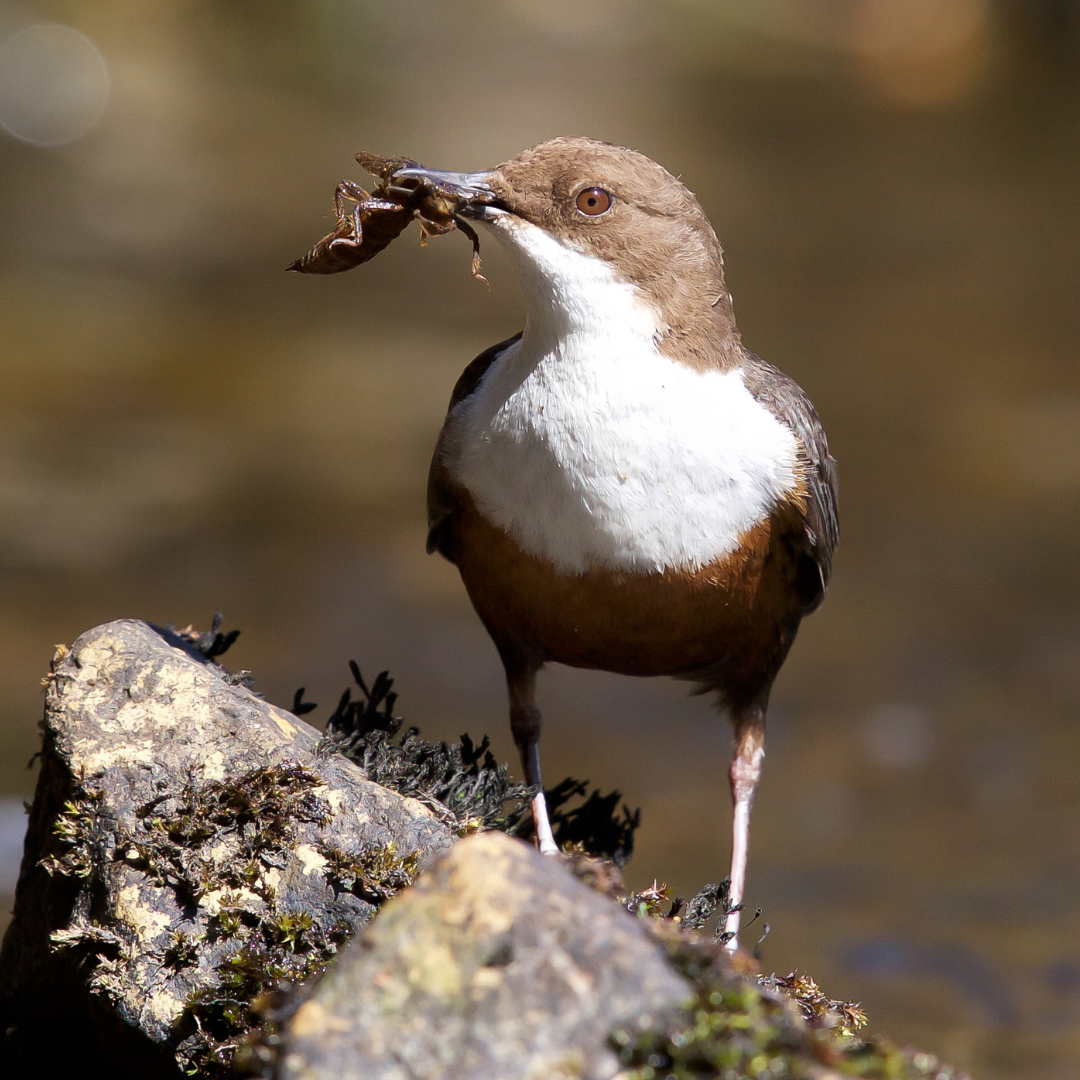
Reflections on April’s Wildfires

In light of the devastating wildfires this month, we wanted talk to a member of our community who helps to manage the uplands that have been burned. UKY4N volunteer and uplands common manager Jake Cohen, kindly shared his reflections on this landscape wide tragedy. Not So Freshwater


Jake Cohen:

“Across the land I look after, fires have devastated 1600 hectares of upland landscape.

The size, scale and impact of such a fire is quite difficult to fathom and has both short term and long-term consequences.
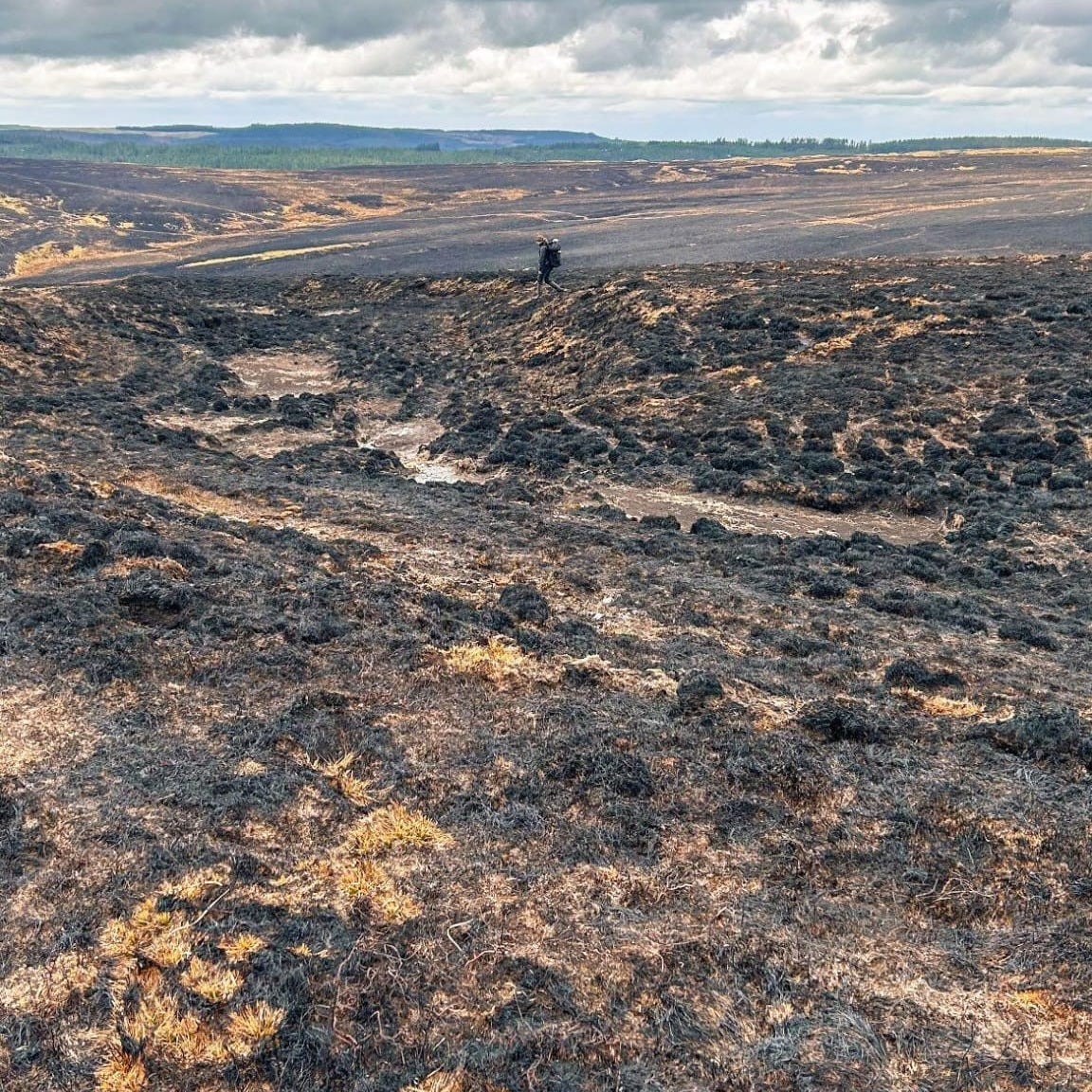
The fire has torn through our last known stronghold of breeding Golden Plover (which are just about clinging on as a breeding species in Wales) and through the last three years of peat restoration efforts. The top layer of peat has been burned away, thereby emitting thousands of years worth of carbon dioxide that would otherwise have stayed in the ground. Furthermore, the freshly exposed peat will now dry out, erode and therefore release further emissions and contribute to habitat loss.

I went out last week to inspect some of the damage and found frogs and shrews burnt on the spot, as well as a lone male Golden Plover seemingly refusing to abandon his territory. Even if he does manage a nest, the lack of invertebrates leaves him and any potential chicks with very little chance. There was no Skylark or Meadow Pipit song which is usually rife this time of year and the miles and miles of blackened landscape was quite shocking. Our eyes, noses and clothing were choked with ash. It was a distressing and bizarre experience.
Upland Ecology

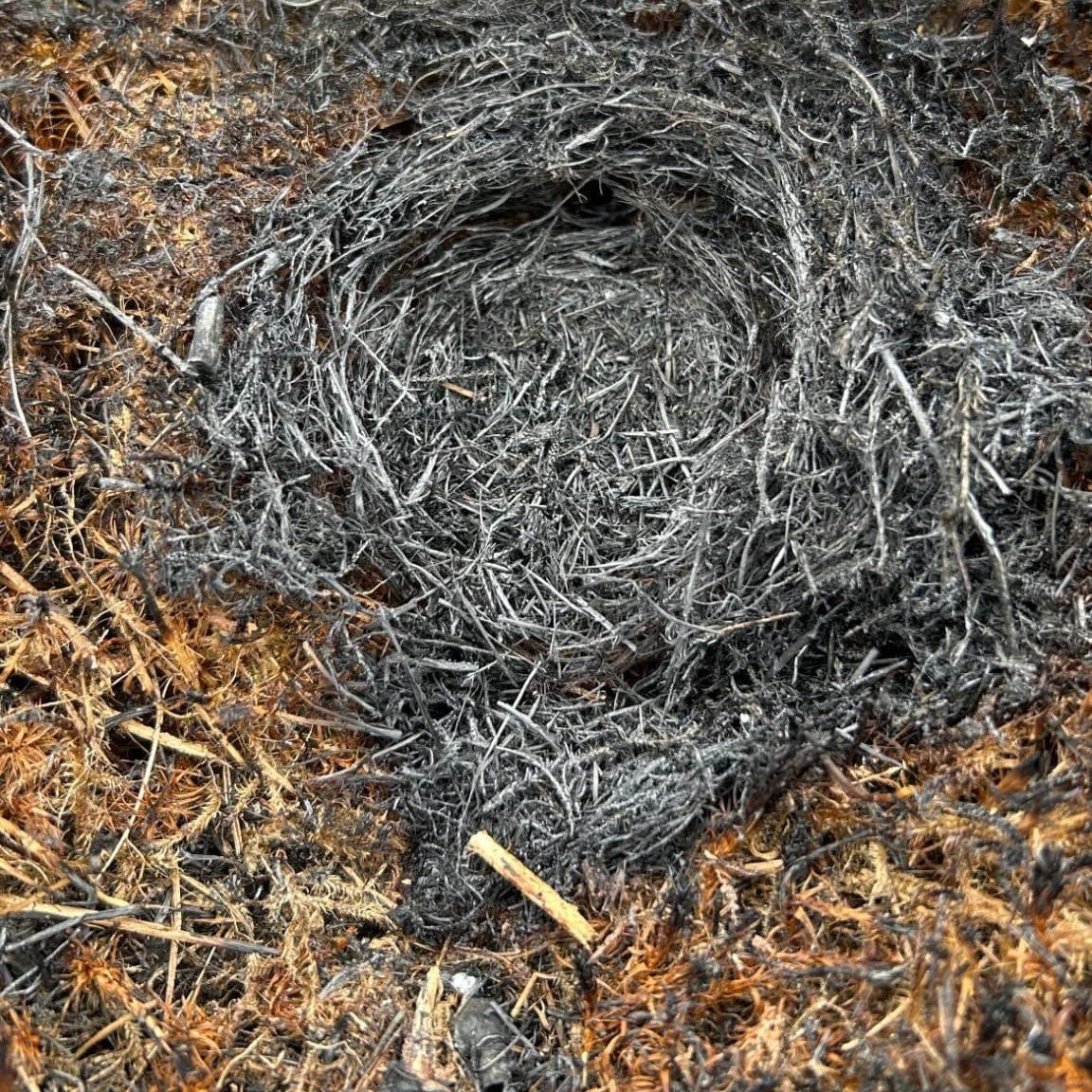
Fire damage also affects the long-term ecosystem as it encourages grasses, which hold their nutrients underground, to thrive, become dominant, and upset the delicate balance of this unique ecosystem. Grasses regenerate quickly and the fresh shoots are great for grazing livestock, but this rapid reproduction means that nothing else has the chance to come through. These dominant grasses create a dry level of vegetation, further increasing the fire hazard and thus creating a feedback loop.

Unfortunately, this is not an accidental wild fire – the fire services have deemed this fire to be ‘deliberate’ which just shows that we have quite a lot of work to do! Although this is a really mournful time for us – the fire didn’t reach rich areas of cattle grazing and more recent peat restoration sites, and the peat burn was only surface level and doesn’t appear to go deeper. So, we take stock and move forward!”

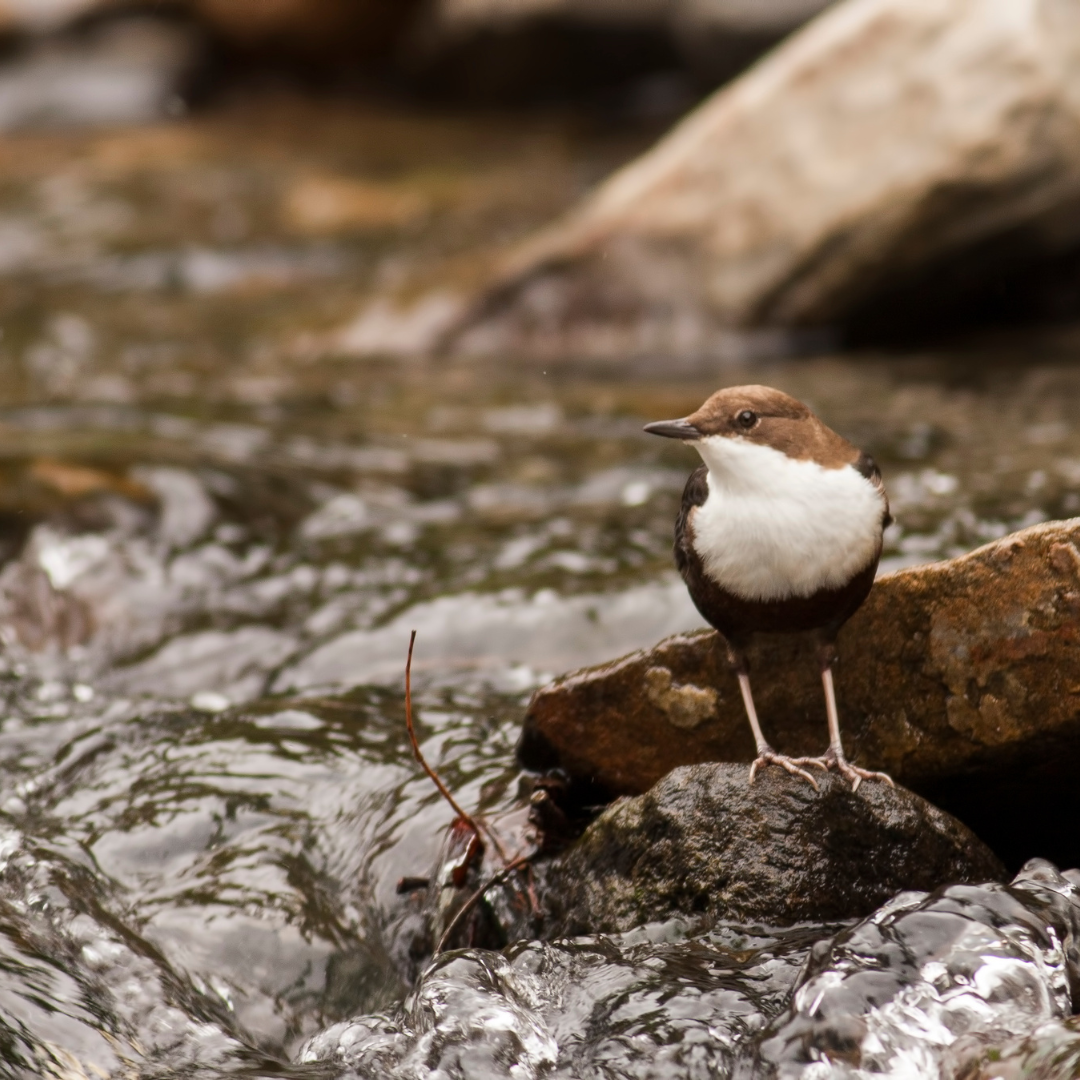
FRESHWATER SPOTLIGHT: DIPPER

By Jasmine Foster

Dipper ecology 

Dippers are one of the many species inhabiting freshwater areas. They play a key role in their environment, keeping the ecosystems they live in stable. However, pollution and other factors are threatening their survival. 

Habitat and location

Dippers are found in freshwater habitats in North and South America, Europe, and Asia. They are also found in Morocco in Africa. There are five different species of dipper around the world, whoinhabit banks of fast-moving upland rivers and visit lake shores and sea coasts outside of the breeding season. The species found in the UK is also known as the white-throated dipper or European dipper.

Diet

Dipper diets consist mainly of insects and their larvae. Crustaceans and molluscs are another source of food primarily during winter due to the lack of insect larvae. Additionally, they will sometimes feed on worms, tadpoles, and small fish.

Many types of prey that the dippers depend on are affected by pollution and water acidity, as they cannot survive in modified conditions. With the current state of rivers in the UK, dippers have less access to food which makes it difficult for them to sustain themselves. 

Dippers find their prey by foraging in and along the margins of fast-flowing freshwater streams and rivers, perching on the edge of rocks and feeding at the edge of the water. They will often grip the rocks firmly and walk beneath the water until partly or wholly submerged, searching underwater for prey between and under stones and debris. Their wings also allow them to swim, meaning that they can find their prey more effectively.

Behaviour

During the breeding season, dippers will establish breeding grounds along suitable rivers, which they defend against attacks by other dippers. Their nests are made from moss, grass, and rootlets, and have a dome structure with a side entrance hole. They are constructed on ledges, banks, drainpipes, and crevices. The length of these breeding territories are usually between 300 metres and 2,500 metres, sometimes larger. The size is usually dependent on the availability of food throughout the area, and whether there is enough to sustain themselves and their brood. 

The three northern dipper species usually have a clutch size of four or five, however clutch sizes of South American species aren’t well known. The incubation period usually lasts 16 to 17 days, after which the hatchlings are incubated by the female for 12 to 13 days and are fed by both parents. The fledging period lasts 20 to 24 days, and young dippers become independent within a couple of weeks of leaving the nest.

Dippers create loud, high pitched calls, similar to other birds inhabiting fast flowing rivers. They are the UK’s only aquatic songbird. Alongside vocalisation they communicate via dipping or bobbing movements, and rapidly blinking to expose the white feathers on their upper eyelids, creating a series of white flashes. This act is carried out for both courtship and threat displays.

Dipper vocalisatons (C) Simon Elliott/Xeno Canto CC BY-NC-ND 4.0

Environmental conditions

Dippers can be sensitive to the pH levels in water environments, and therefore need clear, clean water in their habitat. Heightened acidity in streams due to high levels of pollution can cause issues in reproduction and their survival. This is happening throughout the UK due to agricultural chemicals, sewage, oil pollution, and radioactive substances, causing declines in their population.

Not So Freshwater

Our Not so Freshwater campaign is calling on the UK Government to:

  1. Reduce pesticide use by 50% (volume and toxicity) by 2030
  2. Create ambitious targets to restore field margins and riverside ecosystems to reduce field run-off and boost our waters for wildlife and people

If you want to support our campaign, head to our campaign page and write a letter to your MP or subscribe to our newsletter to get regular updates directly to your inbox.