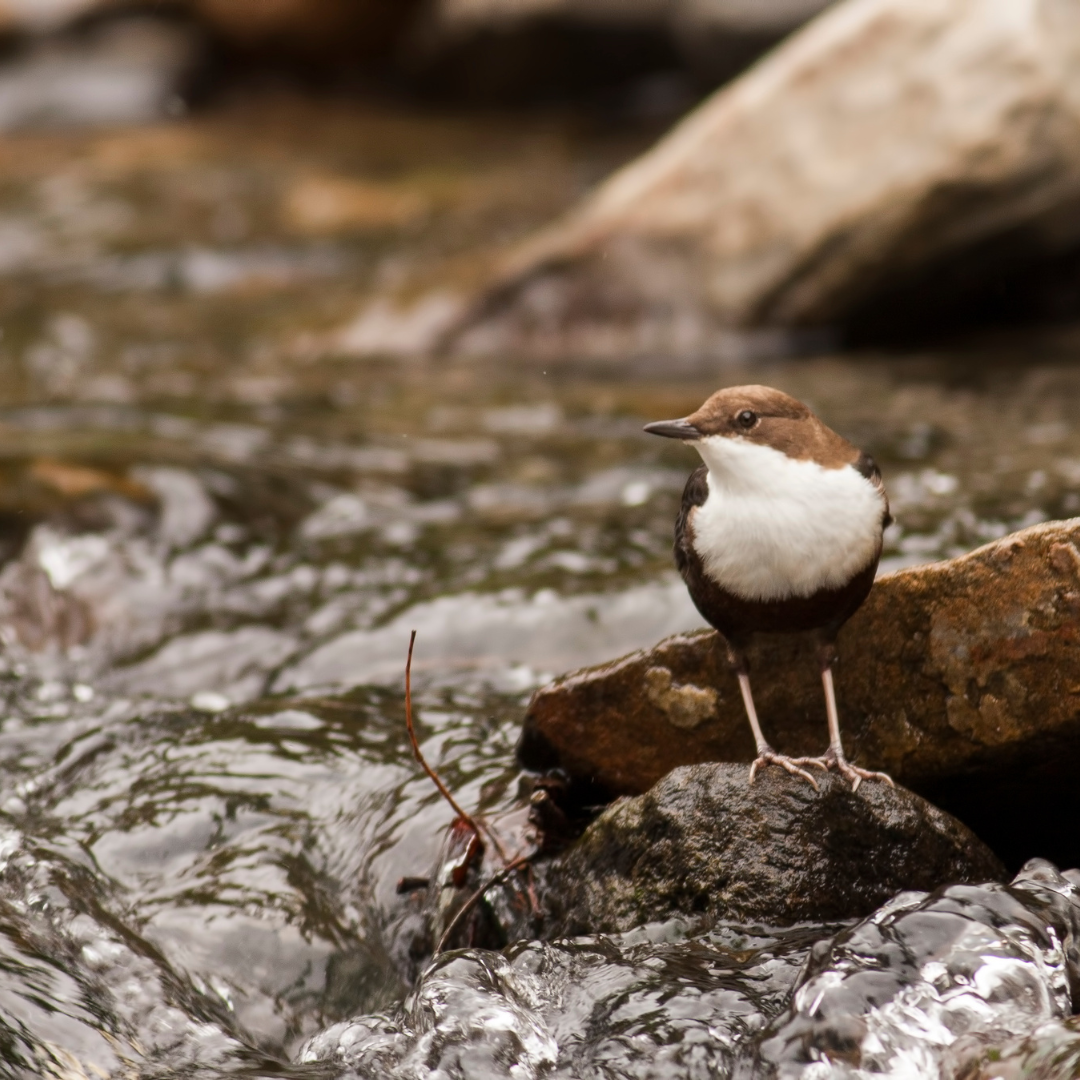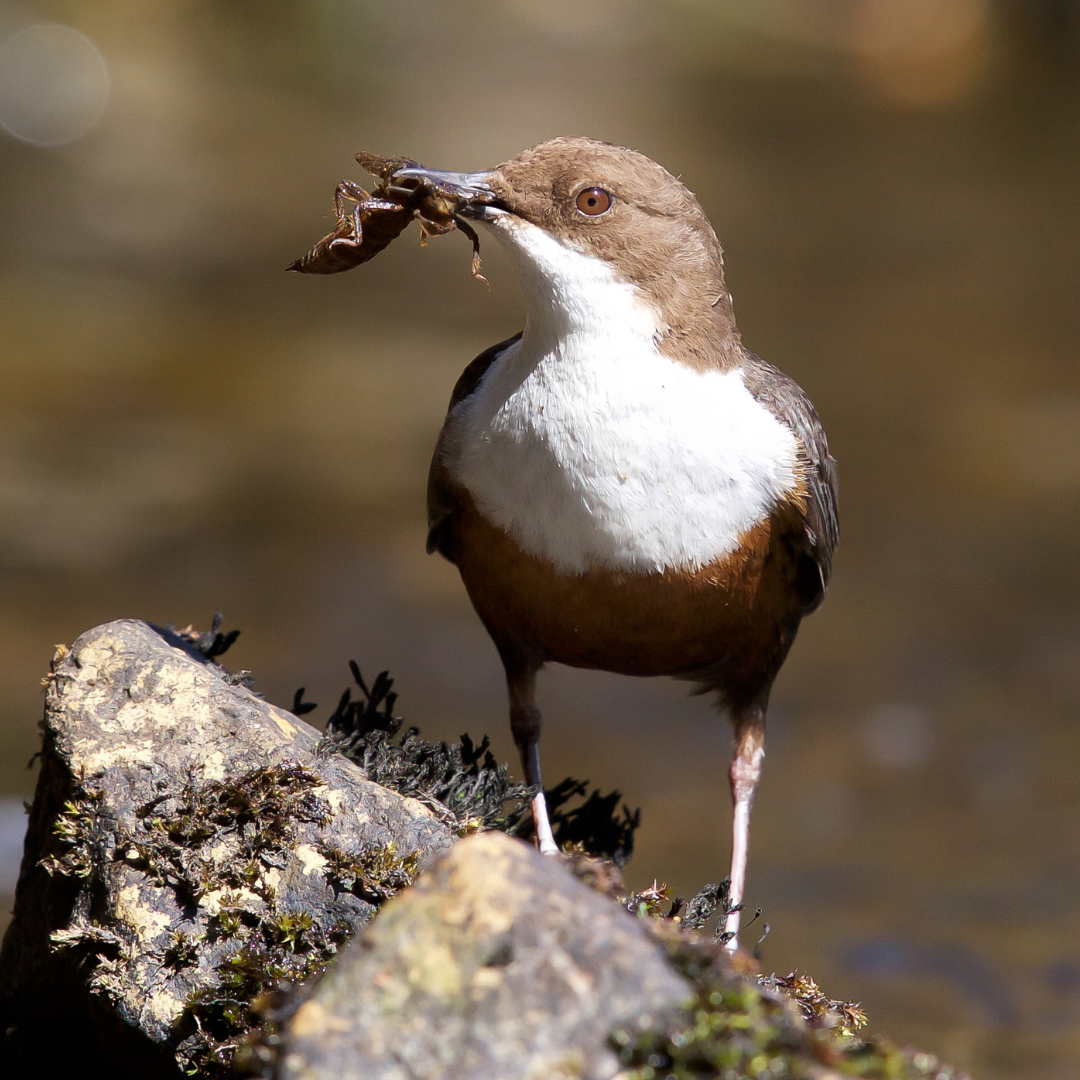
We recently held an event at the Senedd in Cardiff, entitled, ‘A Voice for Our Rivers’. We invited organisations and policy-makers, who were treated to a line-up of song and dance, speeches, and walls adorned with artwork that celebrated the UK’s freshwater species. This was all part of our Not So Freshwater campaign, which you can find out more about here.
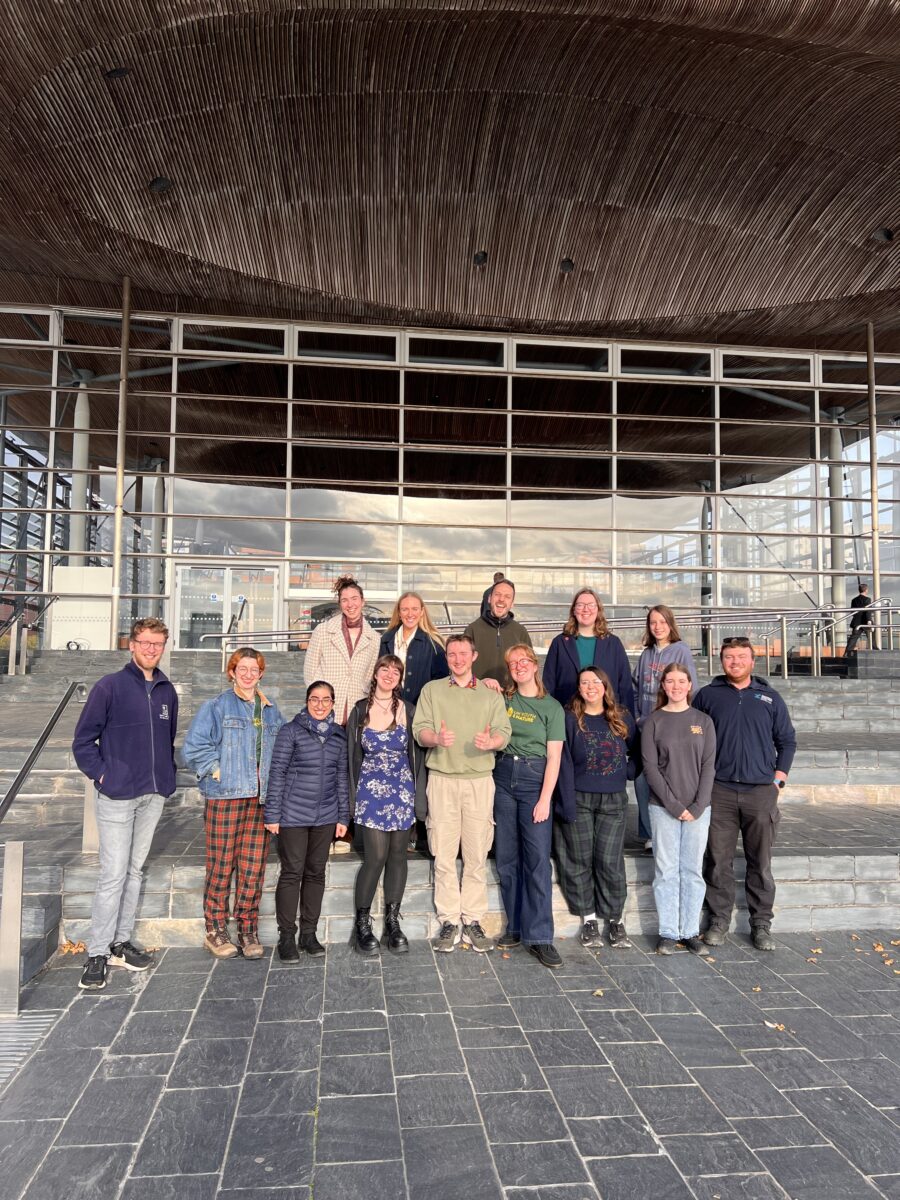
Delyth’s speech
Our MS sponsor, Delyth Jewell shared these beautiful words about the importance of rivers in Wales (read below, or scroll to the bottom to watch instead):
“Thank you so much to everyone for being here this afternoon, and thank you so much to the Oasis One World Choir for singing and for dancing and for performing. For bringing that to life for us, because we need to remember that the reason that we all care about this is because of future generations.
It’s exactly what we’ve just been hearing. It’s for young people today and tomorrow. We have to save our rivers for young people like you, so thank you so much for inspiring us.
And it’s fitting that we should have music, because rivers in Wales, they sing to us the tune of our national anthem. Did you know this? The tune of our national anthem, Hen Wlad Fy Nhadau, it was inspired by a river.
The person who composed that tune that we sing on match days and things like that, was when the River Tab – well, so the story goes anyway – the River Tab and the River Rhondon meet together in Pontypridd, and the gentlemen who heard these coming together, that inspired where Hen Wlad Fy Nhadau comes from.
So we are a nation that listens to rivers. That song that is now so synonymous with everything that makes us Welsh, in all of our amazing differences. That came to us through water.
But if those rivers sang to us now, it would be quite a sad song, wouldn’t it? That they’d be singing to us instead. Because so many of our streams are struggling for breath. You were just singing to us about how we need to save future generations. It’s because they are struggling, the rivers, the waters, they’re really struggling.
Dirty pollution is killing the plants and the fish and the animals that rely on these habitats for their sources of life. Now, we have to unclog them if we’re able to hear our rivers sing again.
This afternoon, I mean, I was going to say we’re into a real treat. We’ve already had a real treat with that, we’re being treated to this celebration in song and dance. So thank you again to Oasis One World Choir.
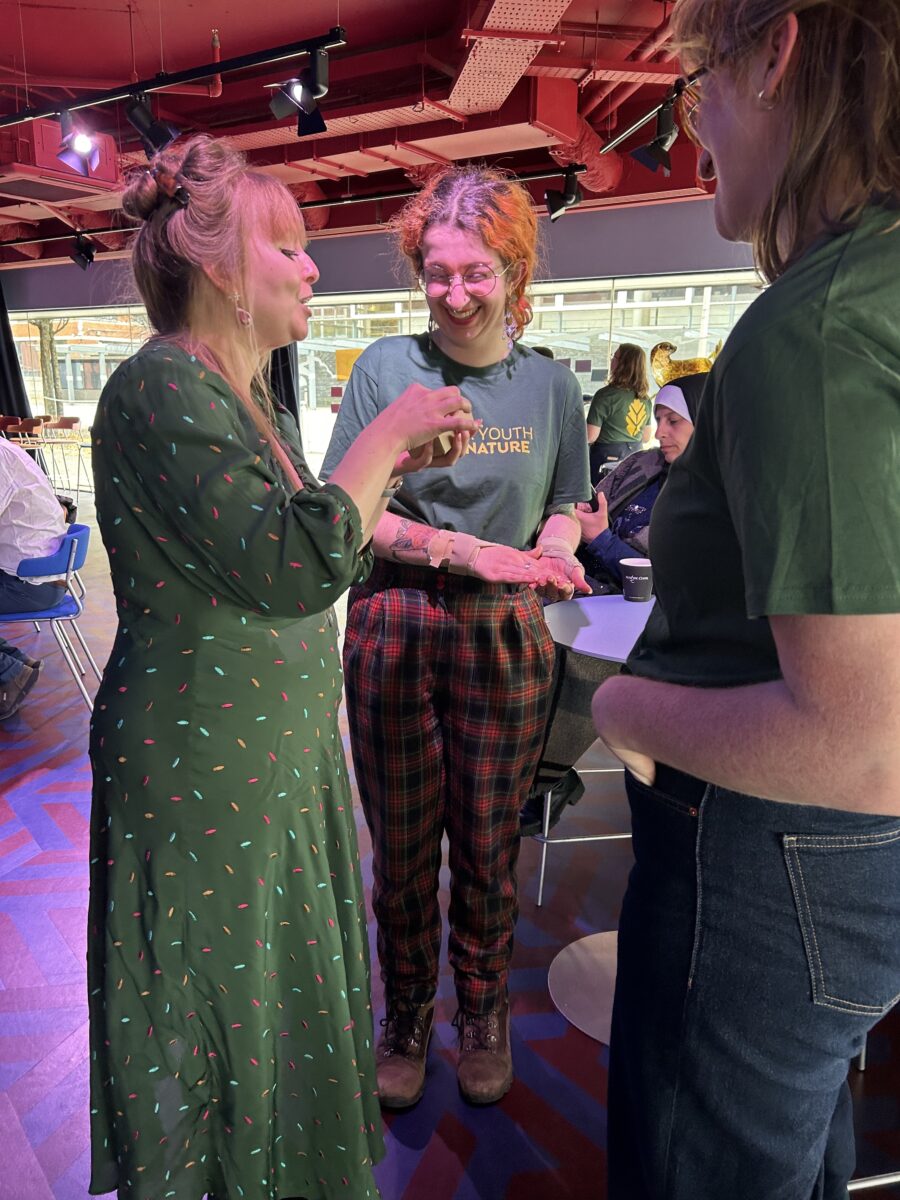
We’ll be hearing from UK Youth for Nature campaigners, Welsh farming voices, there’ll be interactive art pieces like water testing, and all of this coming together in one massive cacophony of noise, and of voices coming together. That’s how it should be.
There’s a Welsh language poet called Waldo Williams, and he talks about this idea of ‘Un llef pedwar llais’ which means one harmony of four different voices coming together. This is very much how it should be. One flow of water, all different voices coming together.
Now, the campaign, the fight, the absolute necessity for doing this, it’s something which isshared, I think, across different political parties in the Senedd. Our Senedd was the first parliament to declare a nature and climate emergency. We need to make sure that those are acted on as much as they can be. I saw that Julie James was here earlier, who was the minister who had pushed these through. We have these hugely supportive voices in the Senedd who are fighting for these changes.
Again, we have to make sure that it’s more than words, always. Because I think everyone, when you talk to your friends, they probably agree with you that this is important, don’t they? I think all young people think it’s important. It’s not always clear that decision makers will be willing to make the difficult decisions, and that’s what we need to happen. Because between us, together, we can make a difference.
The inspiration we’ve heard this afternoon here, the passion that the young people have brought here, the dedication that they have, the drive that we can all tell that they have, that’s something we have to keep in our hearts.

It’s something that we have to keep reminding ourselves why these difficult decisions need to be made. I mean, lots of these decisions aren’t actually difficult, you know? In terms of making sure that water companies are doing what they need to do to save our planet, making sure that rivers and streams and our seas are safe for children to play in, that they’re safe for habitats to thrive. This should be a no-brainer. It shouldn’t be about where money goes. In Wales, at least, we don’t have shareholders and water companies in the same way. We need to reform the way that all of that works.
Our rivers, they sing to us of our yesterdays. Our rivers tell us the tale of where we as a nation have been. So let’s all make sure that youth voices are the ones that carry us forward to ensure that we as a nation, that we save the sounds of our waters for the future of these amazing young people. That their cry, unsullied by sewage or by pollution, will once again inspire great songs like our national anthem. like you’ve just been singing to us. Great songs for all the ages to come. Let’s save our rivers.”
For a full account of the event, see this blog from our community member, Joe Wilkins.
Feeling fired up to take action? Use our email template to write to your MP and encourage them to take action for rivers in your local area.