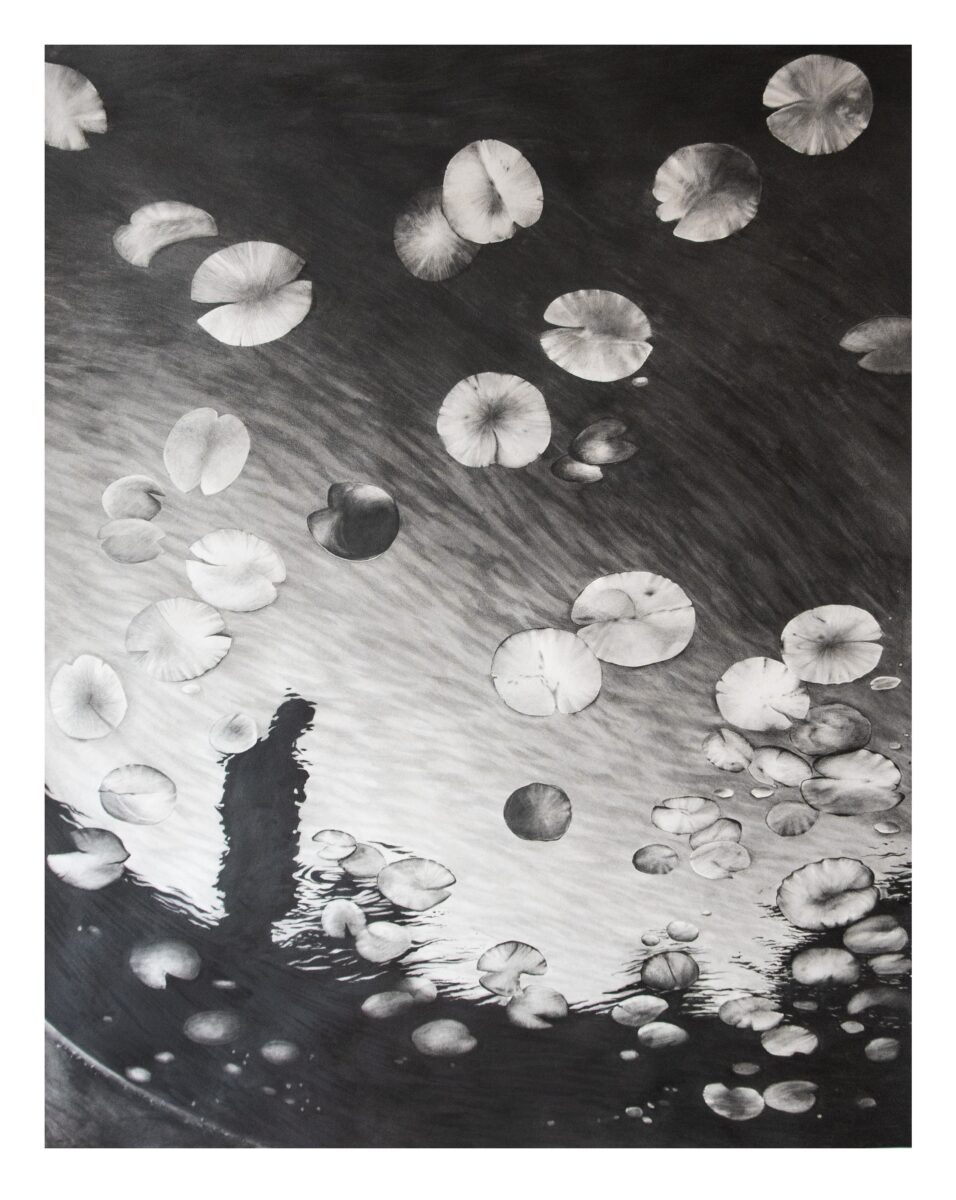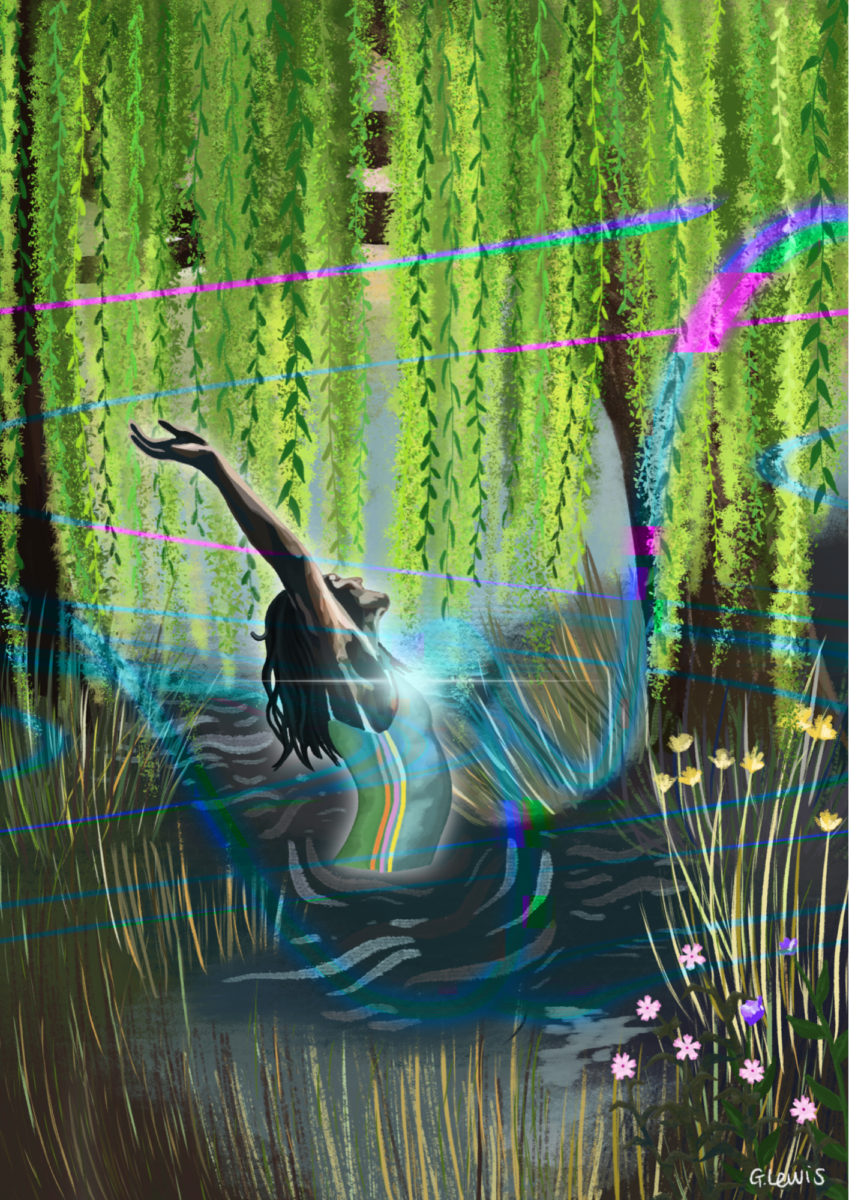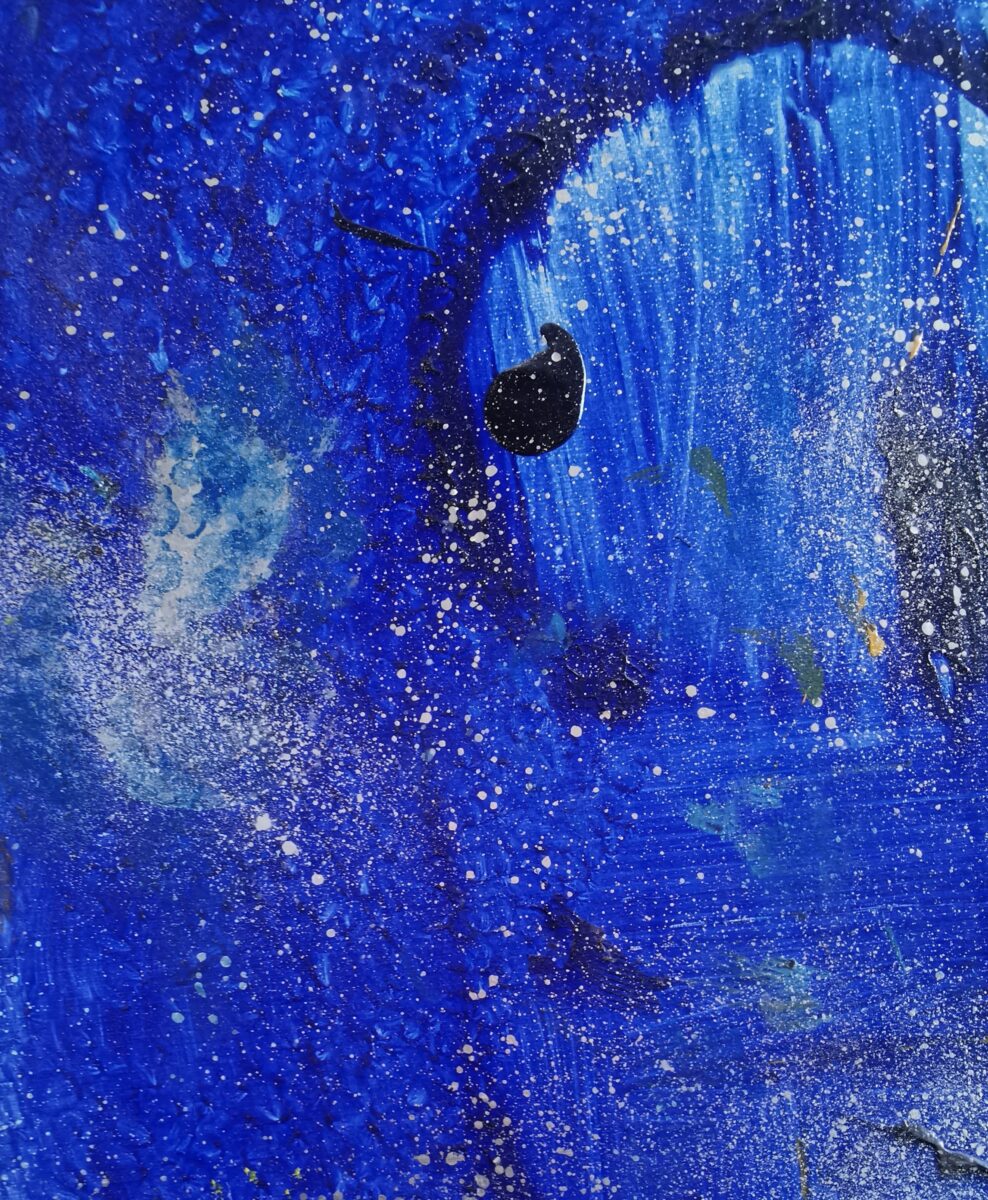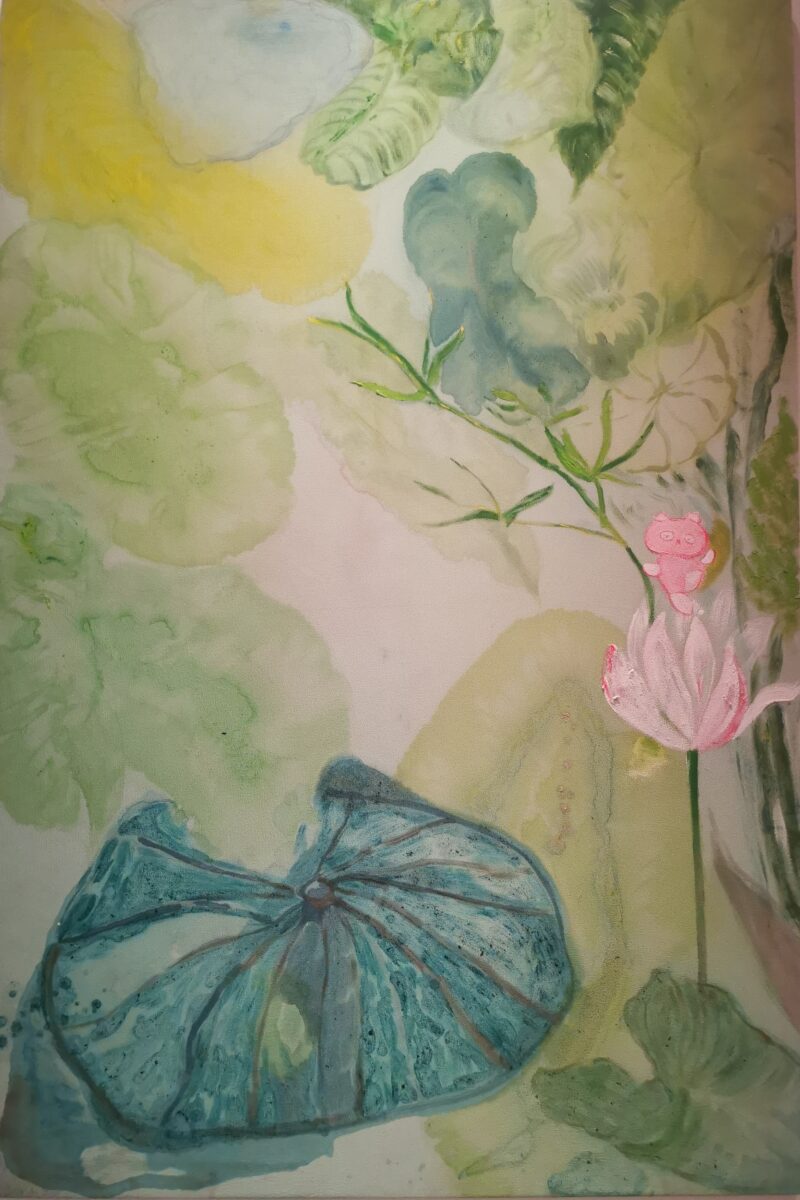
Not so Freshwater online youth art exhibition

A while ago we asked for submissions for an art and poetry exhibition that would celebrate freshwater, and how much it means to all of us, as well as highlighting the current struggles that the UK’s freshwater ecosystems are facing. We were absolutely blown away by the submissions we received, and empowered by how many of our community care about freshwater issues too.

Chemical cocktail bar

We also exhibited four of the art pieces at our Chemical Cocktail event in London, which was attended by parliamentarians and decision-makers, and aimed to highlight freshwater chemical pollution in the UK and get the issue prioritised. And, as we knew they’d be so great, we also proposed an online exhibition of all of the artwork and poetry that we received (poetry coming soon!).

So, without further adieu…

London exhibition
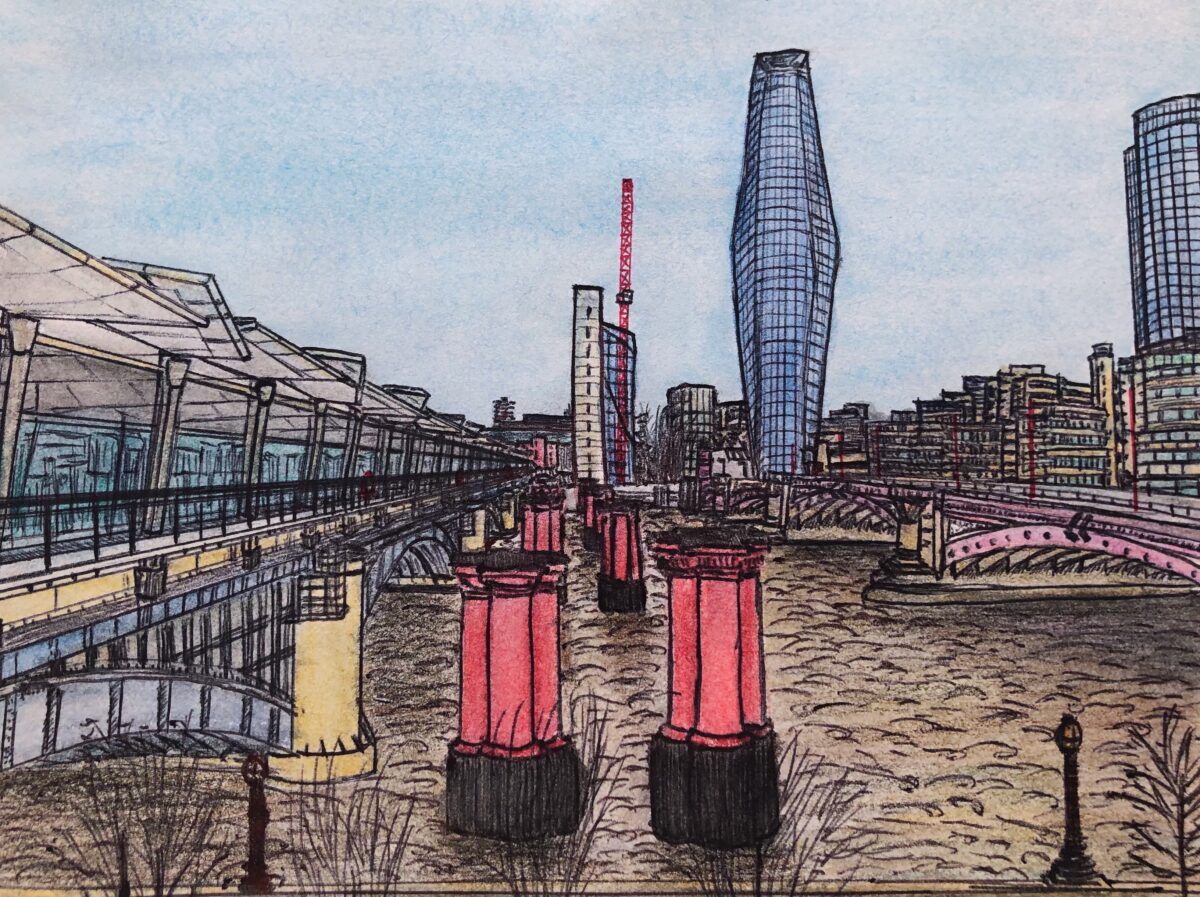
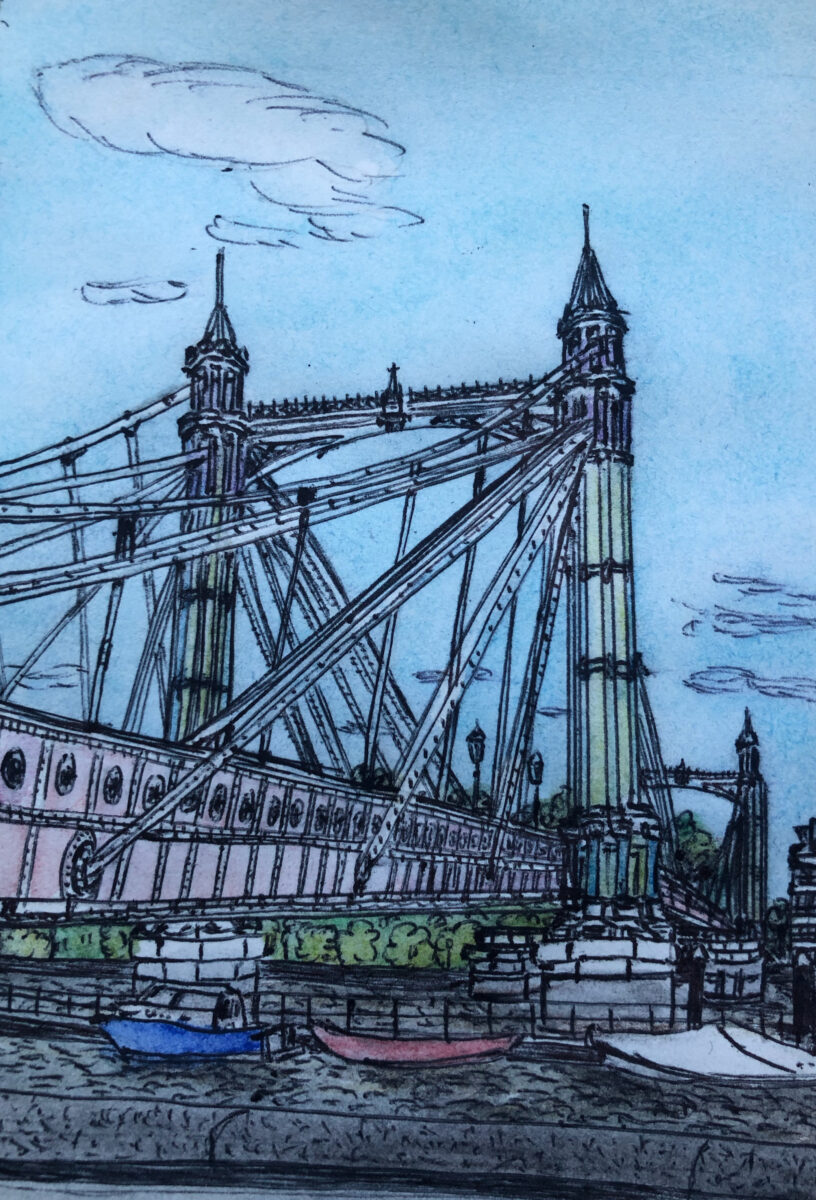
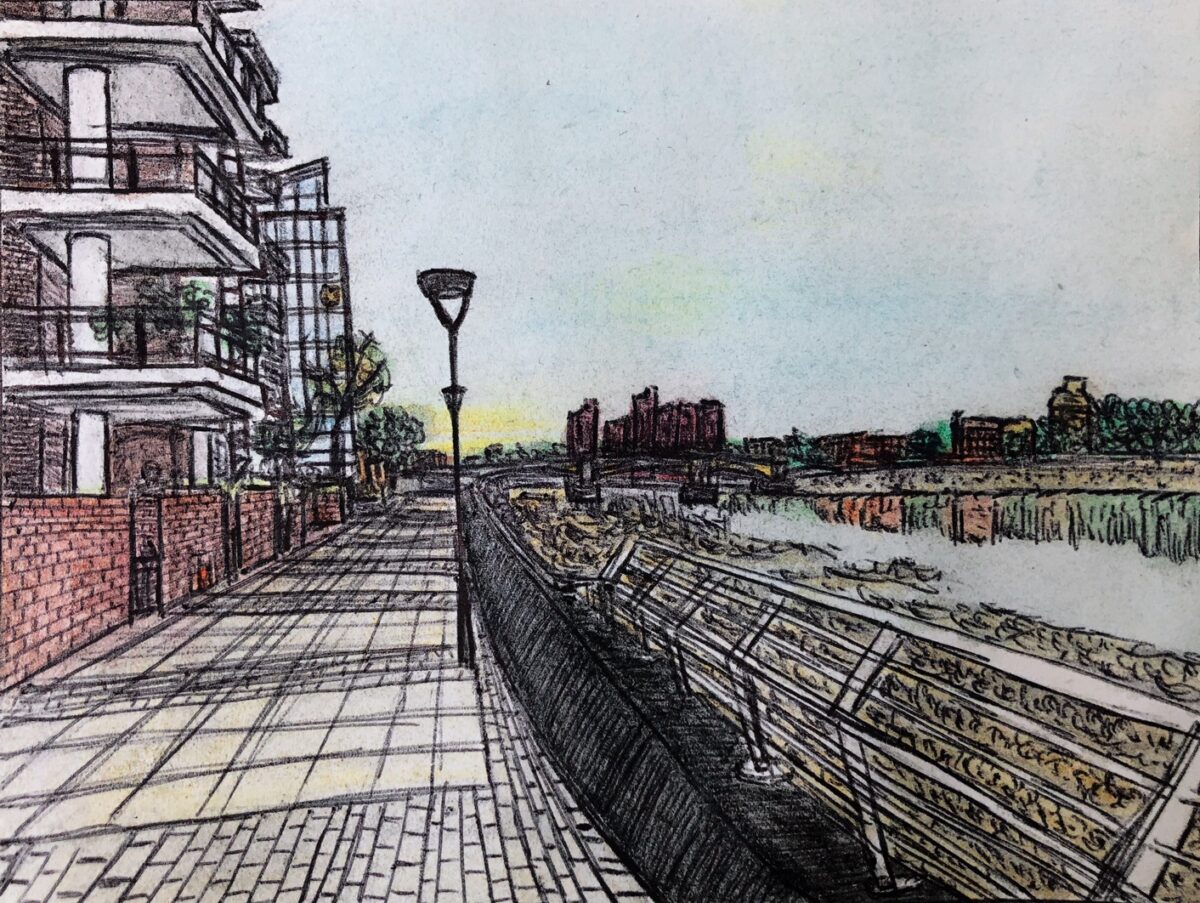
Claudia Tong – Along the River Thames – Blackfriars

Along the River Thames is a series of sketches on location near the river, unveiling hidden gems in our surroundings, especially fresh water, which is so essential to our lives but is often overlooked. My work shares a nostalgic feeling and visualises our emotional attachment to the freshwater.

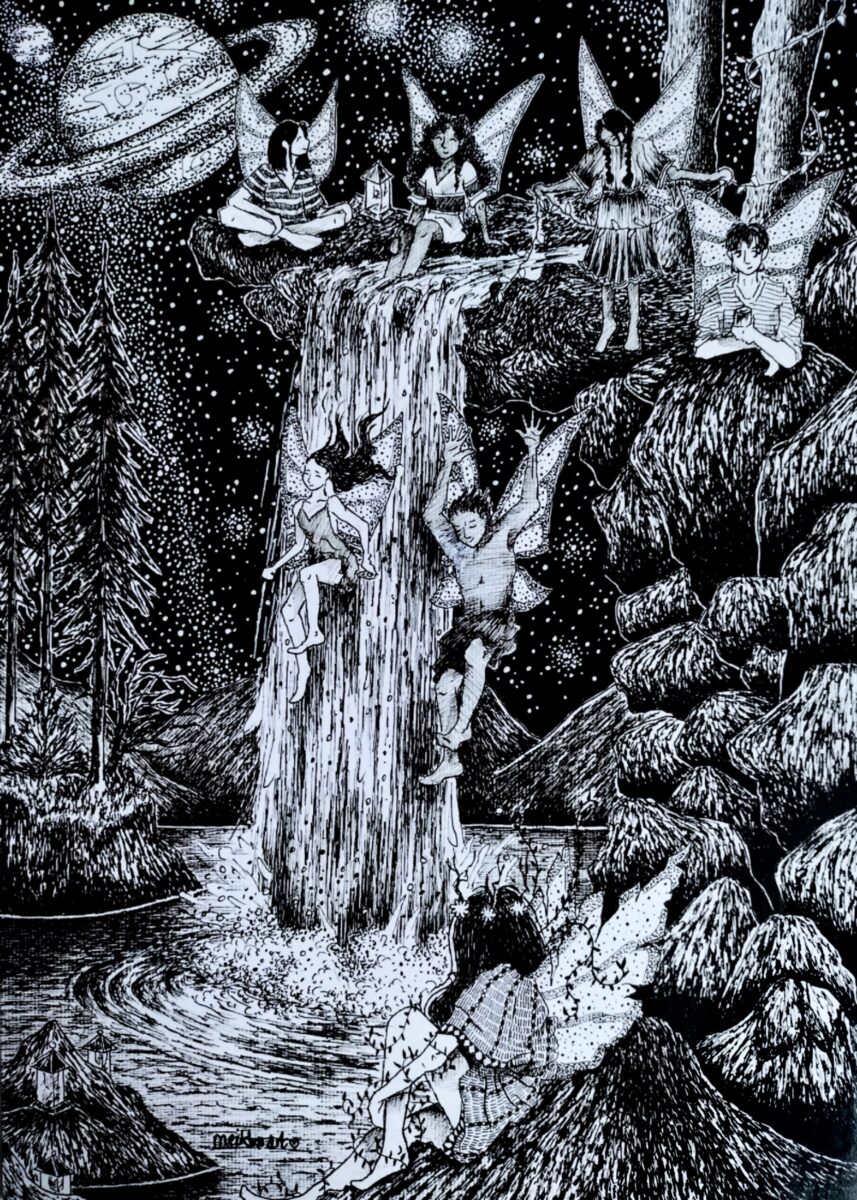
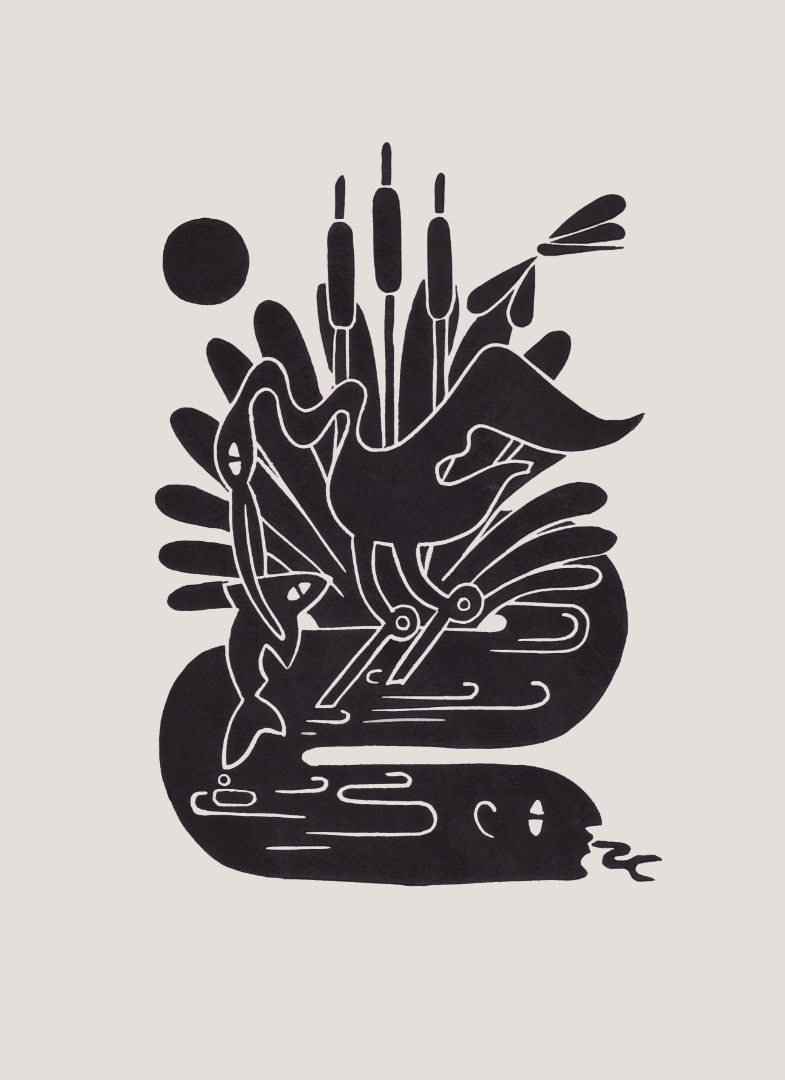
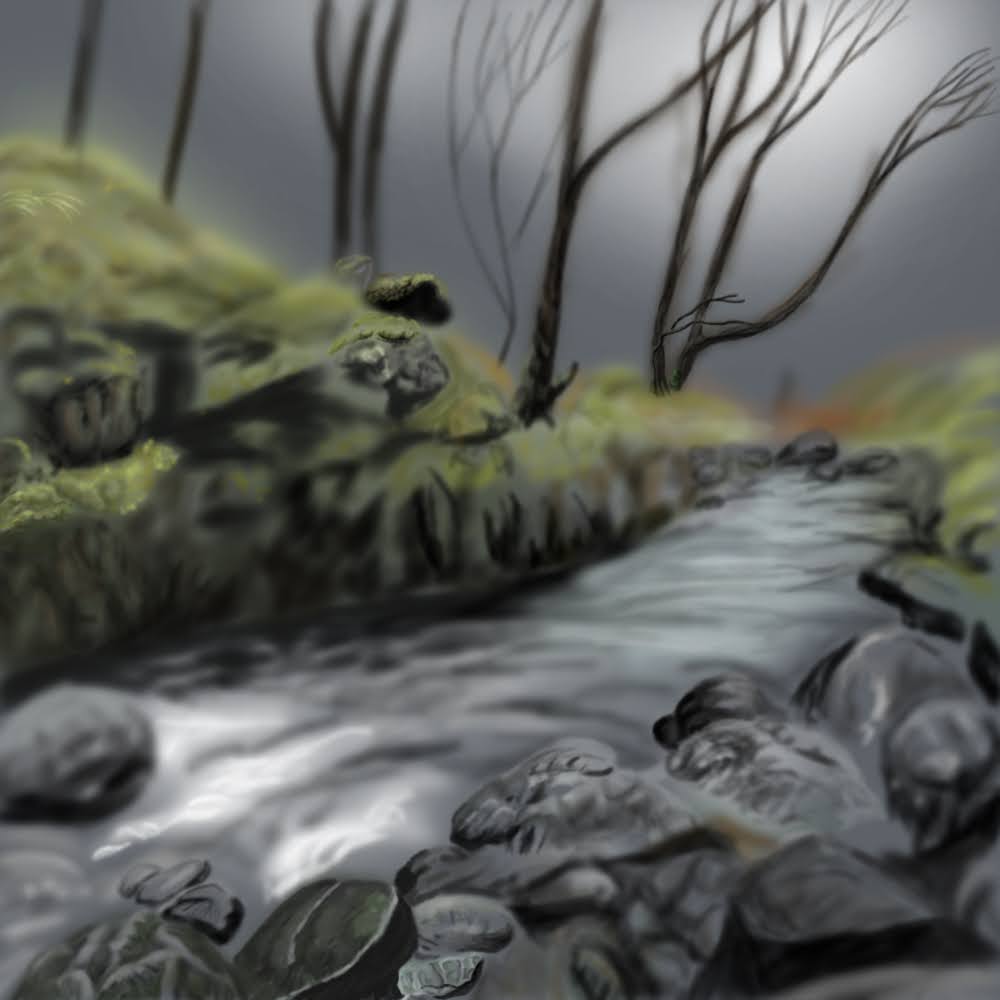
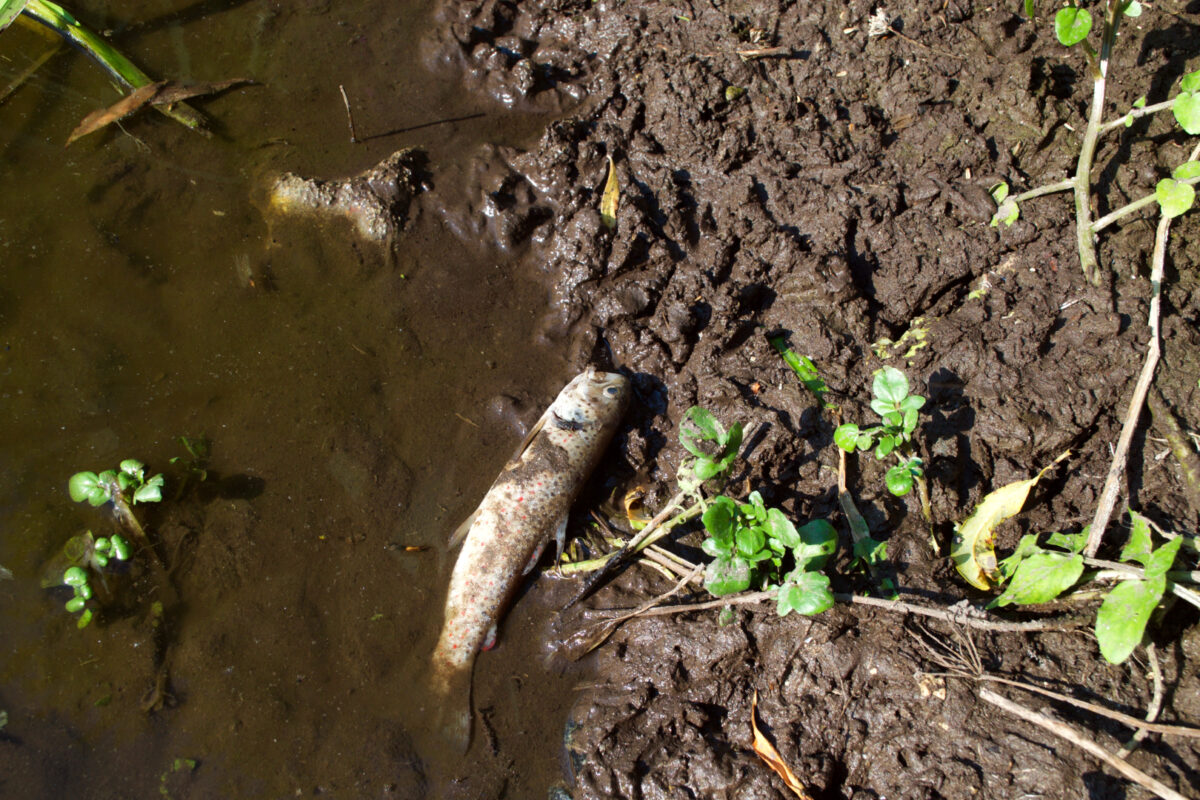
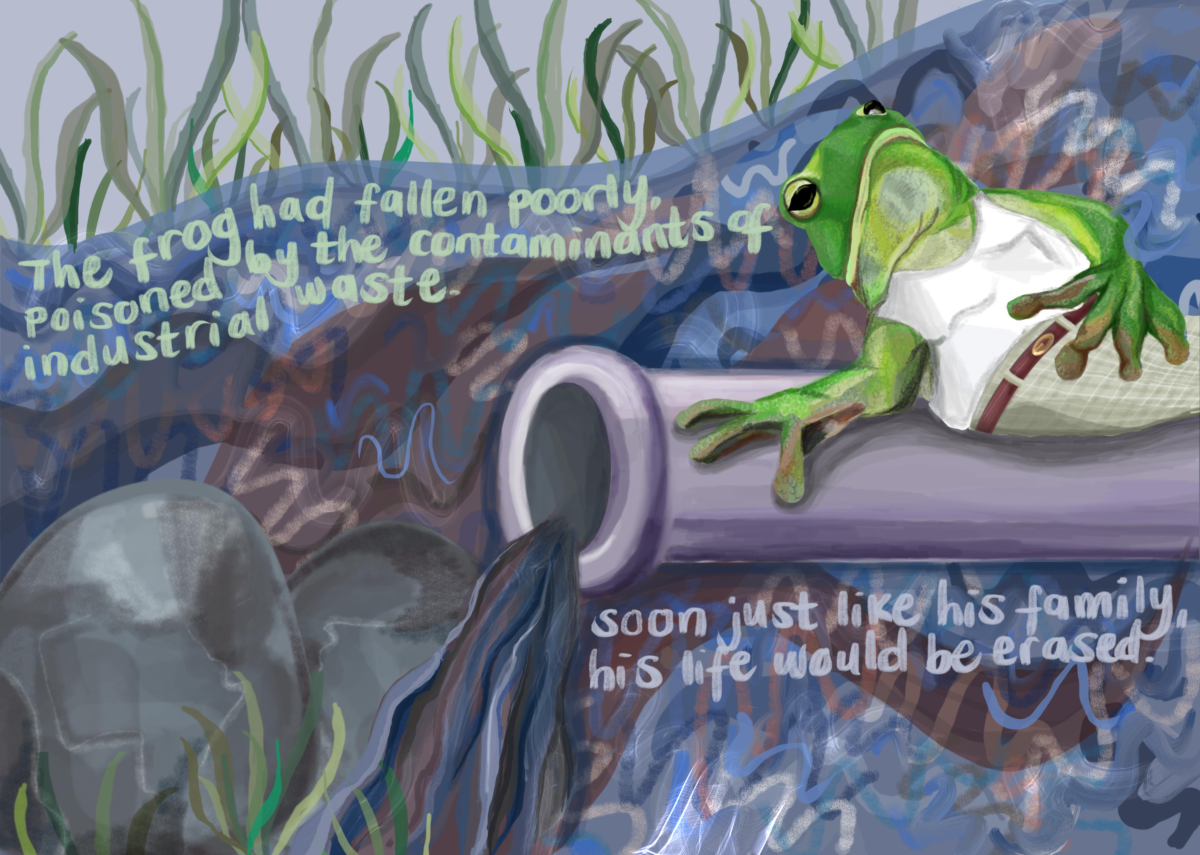
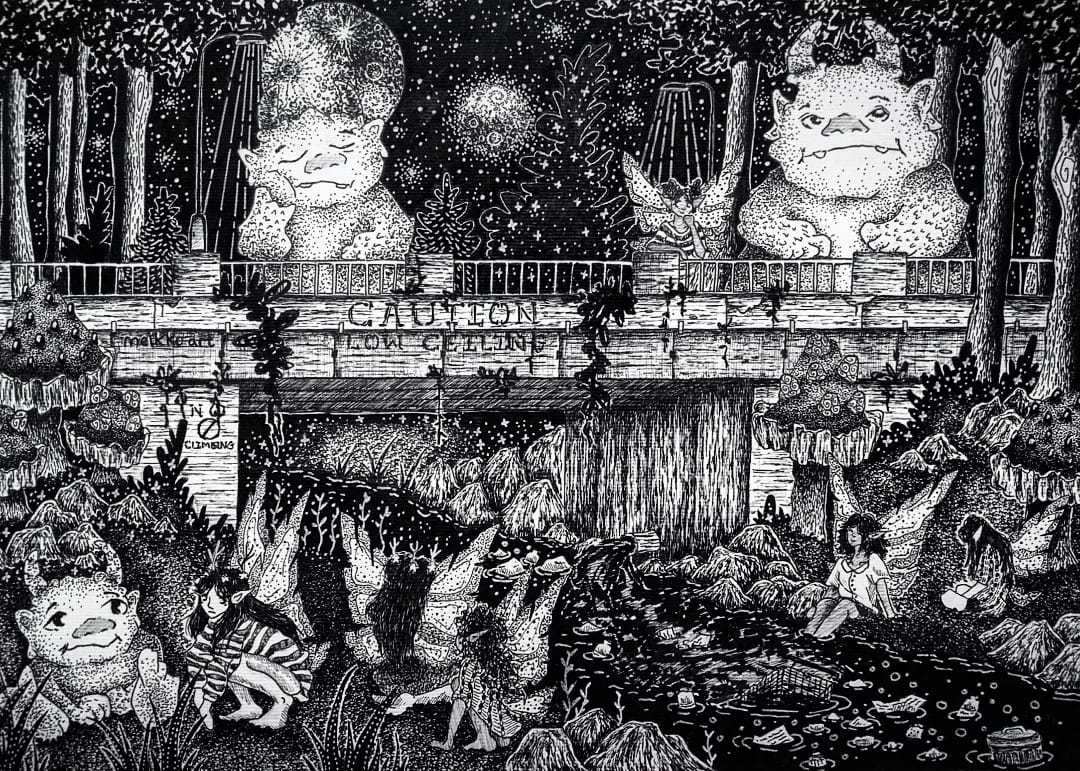
Ella Leppanen (Meikko) – The Betoni River

This piece was created as part of a series set in a dystopian city called Betoni, which reflects the worst of our own real cities. Freshwater is such an integral part of survival for all organisms and it is awful and infuriating seeing it being destroyed by the greed and ignorance of humans. My hope is that artwork can act as a wake up call for how poorly we are treating all the rivers, so that hopefully one day every river will be appreciated and respected as they should be.
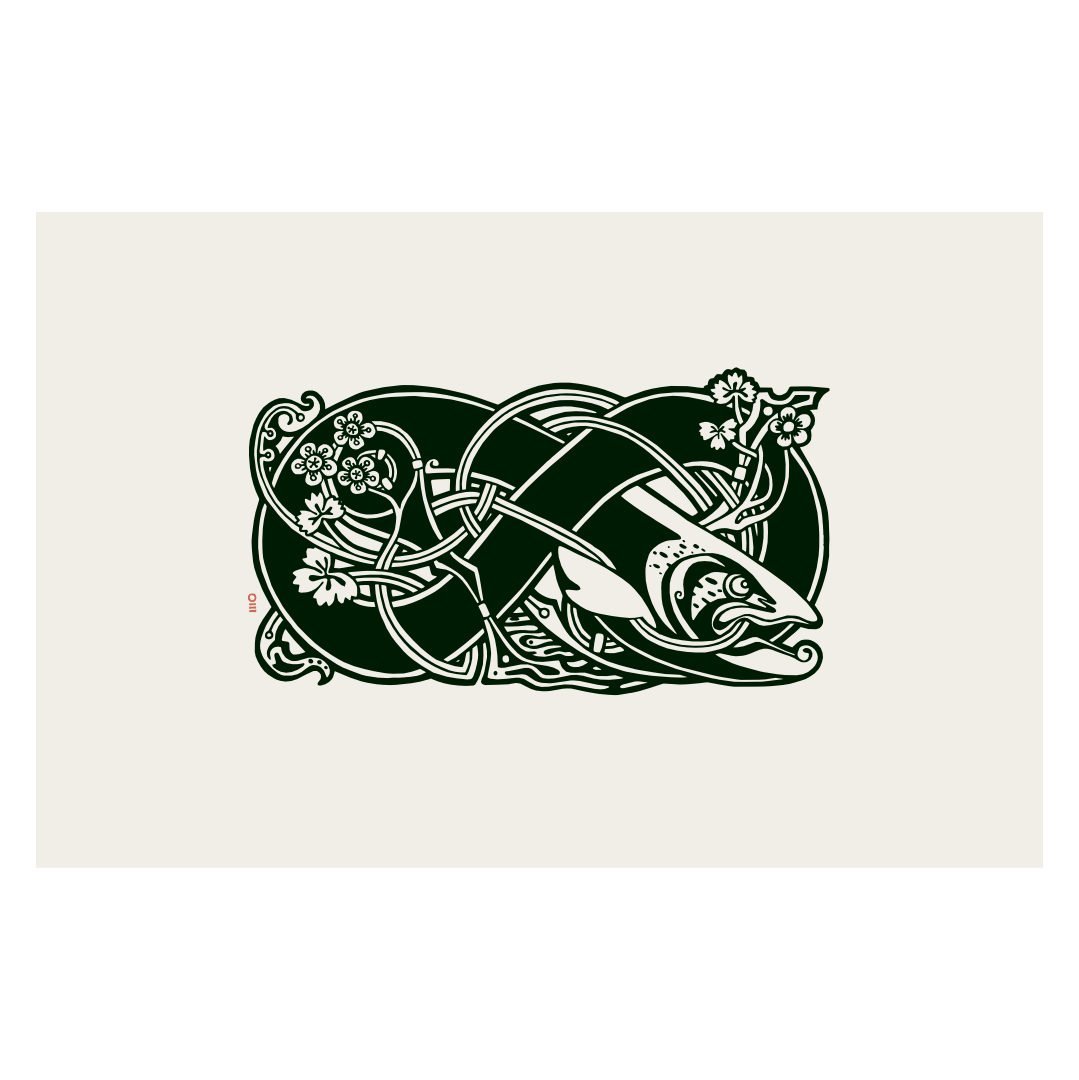
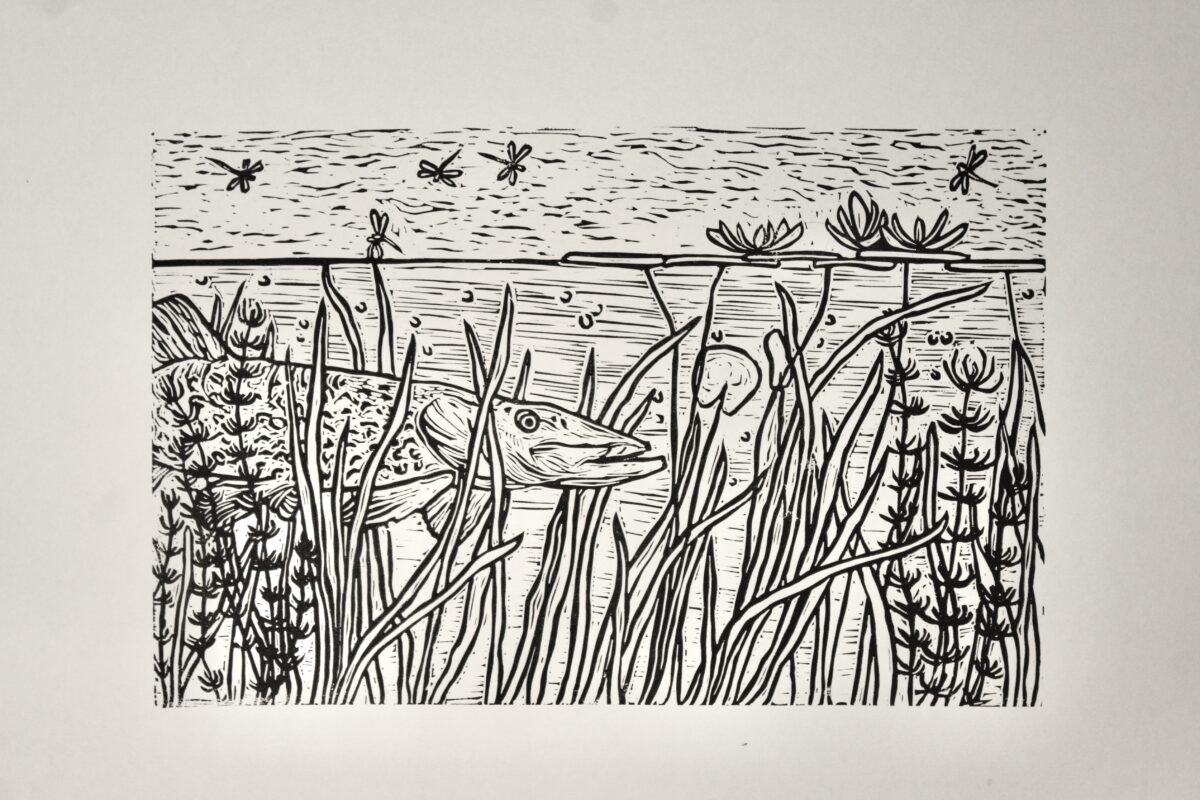
Rosie Rowland – Chalkstream Knotwork (Brown Trout & Water-Crowfoot)

Simply put, freshwater is life – an immensely dynamic & powerful force of life.

Nothing on this planet would exist without water. To allow our finite freshwater resources to be polluted by human activity is a fundamental misunderstanding of our own basic needs for survival. Let alone the countless other species relying on this incredibly precious resource.

Shirley Therese van der Horst – A Big Meal

Freshwater is such an important resource. It is fundamental for life’s survival, and freshwater habitats shelter an enormous amount of wildlife. This is more than enough reason to want to protect them, but for anyone who has sat next to a stream listening to the soothing noise of water over pebbles or has felt the cool, comforting embrace of lake water as they swam, watched the damselflies dance over its surface, we know that it’s importance to us runs deeper. For me, at least, it provides comfort, like the visit of an old friend.
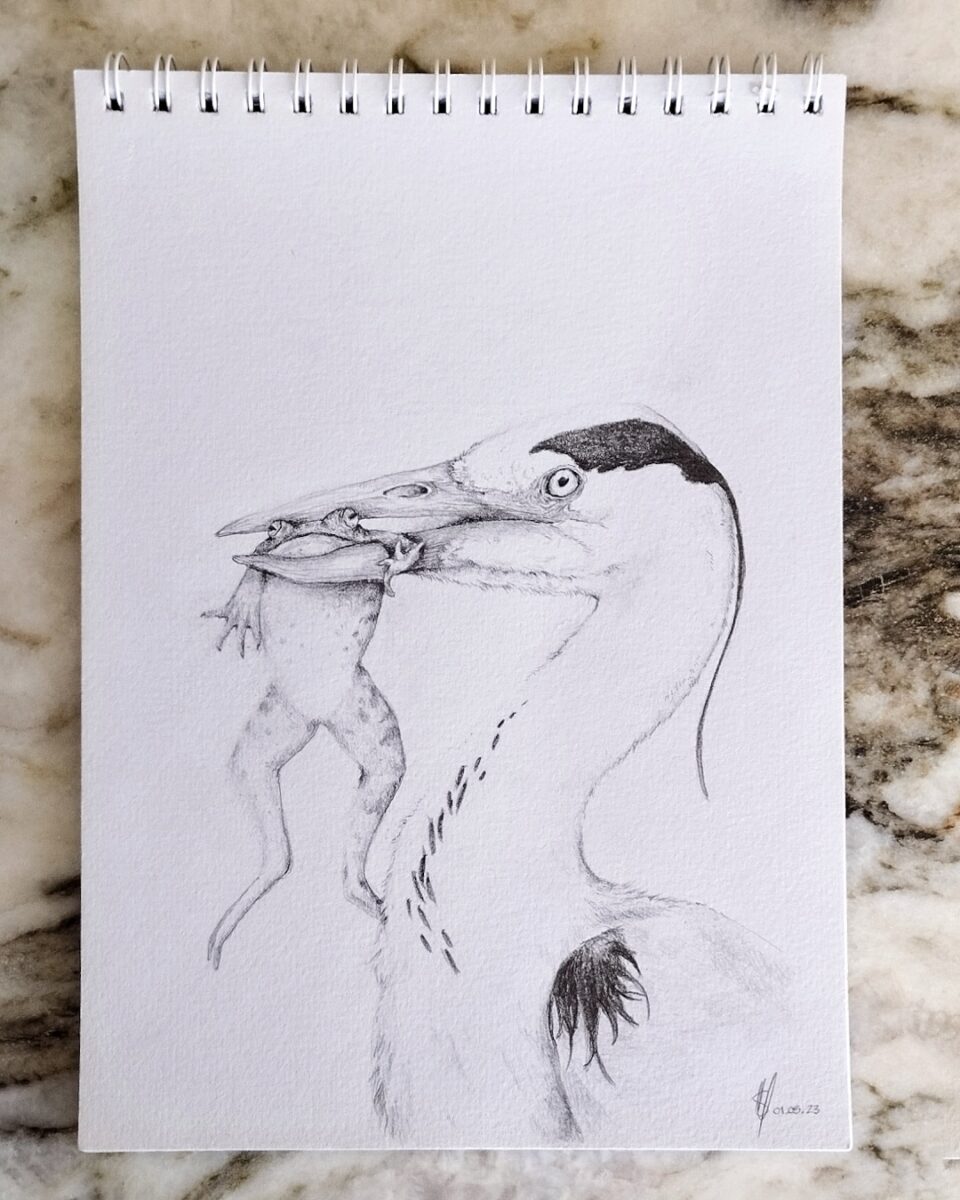
Freshwater exhibition
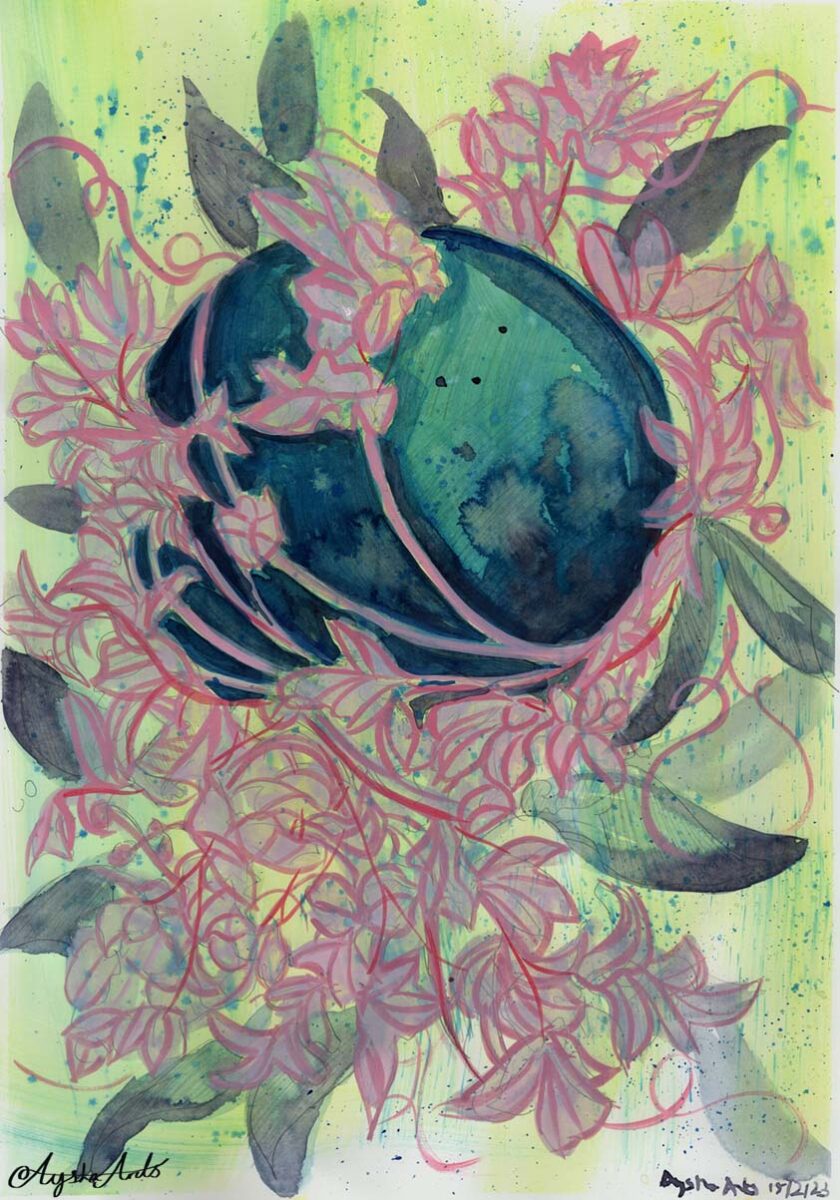
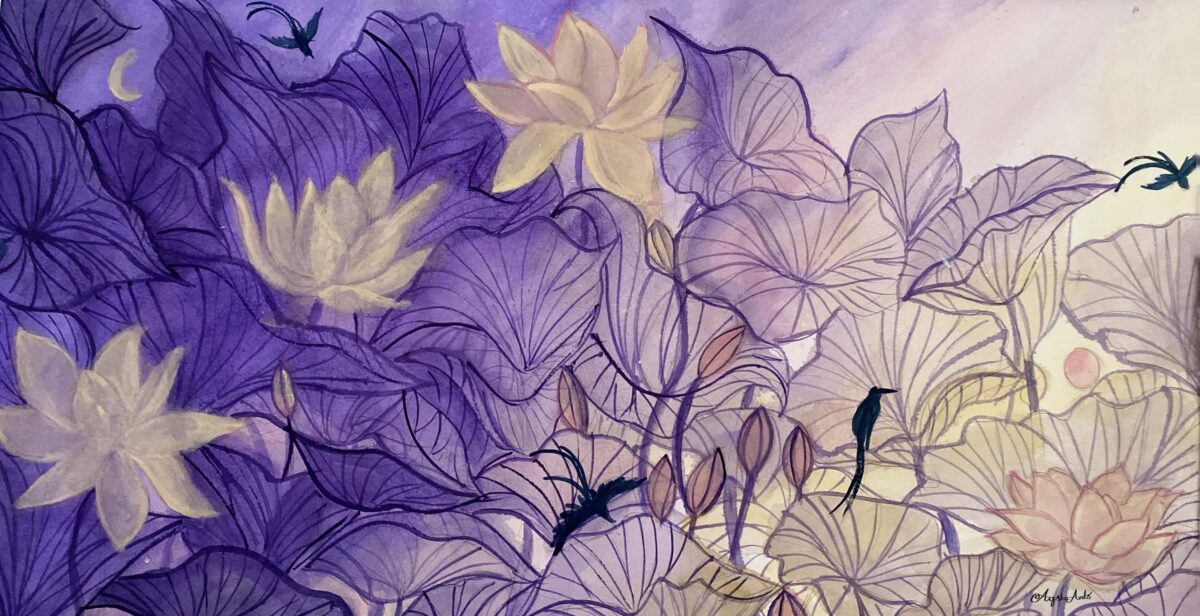
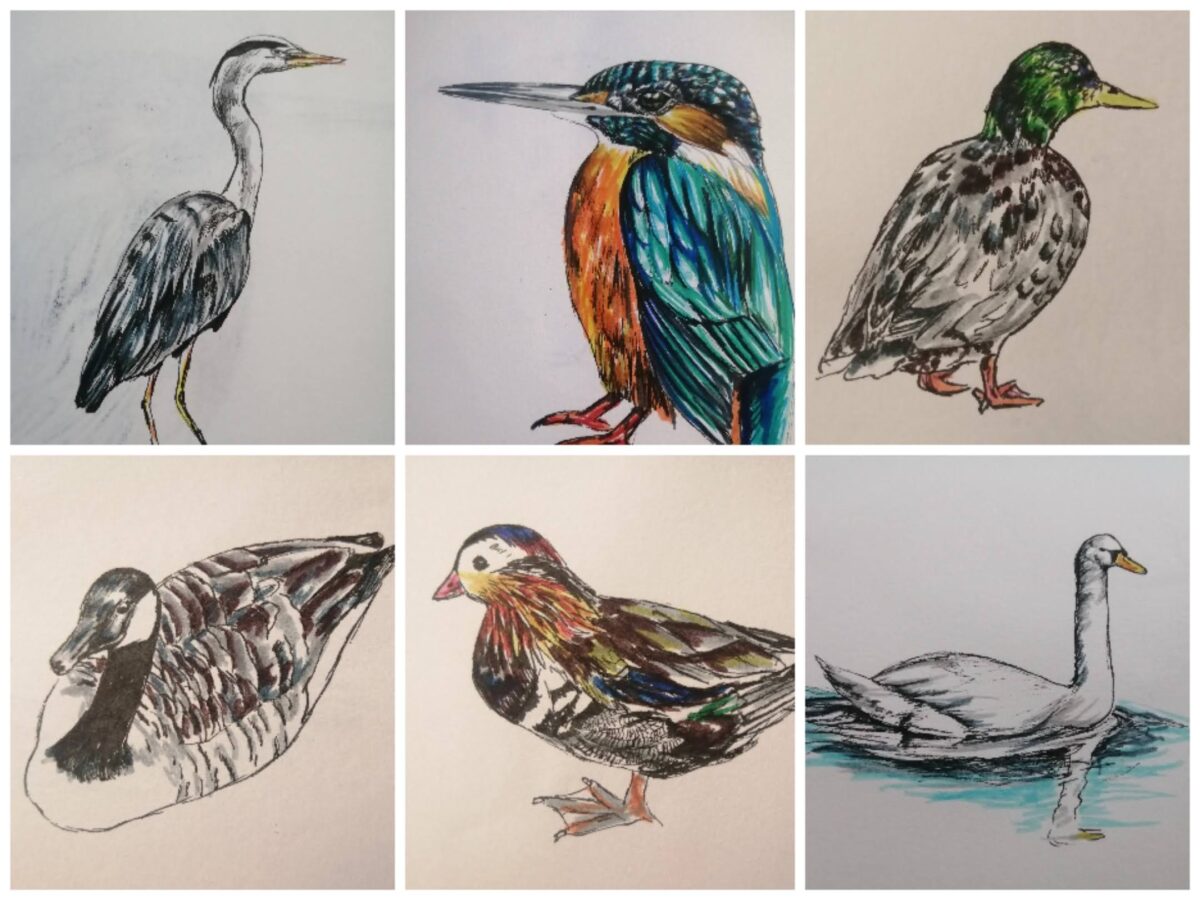
Christie Randall – birds (collage)
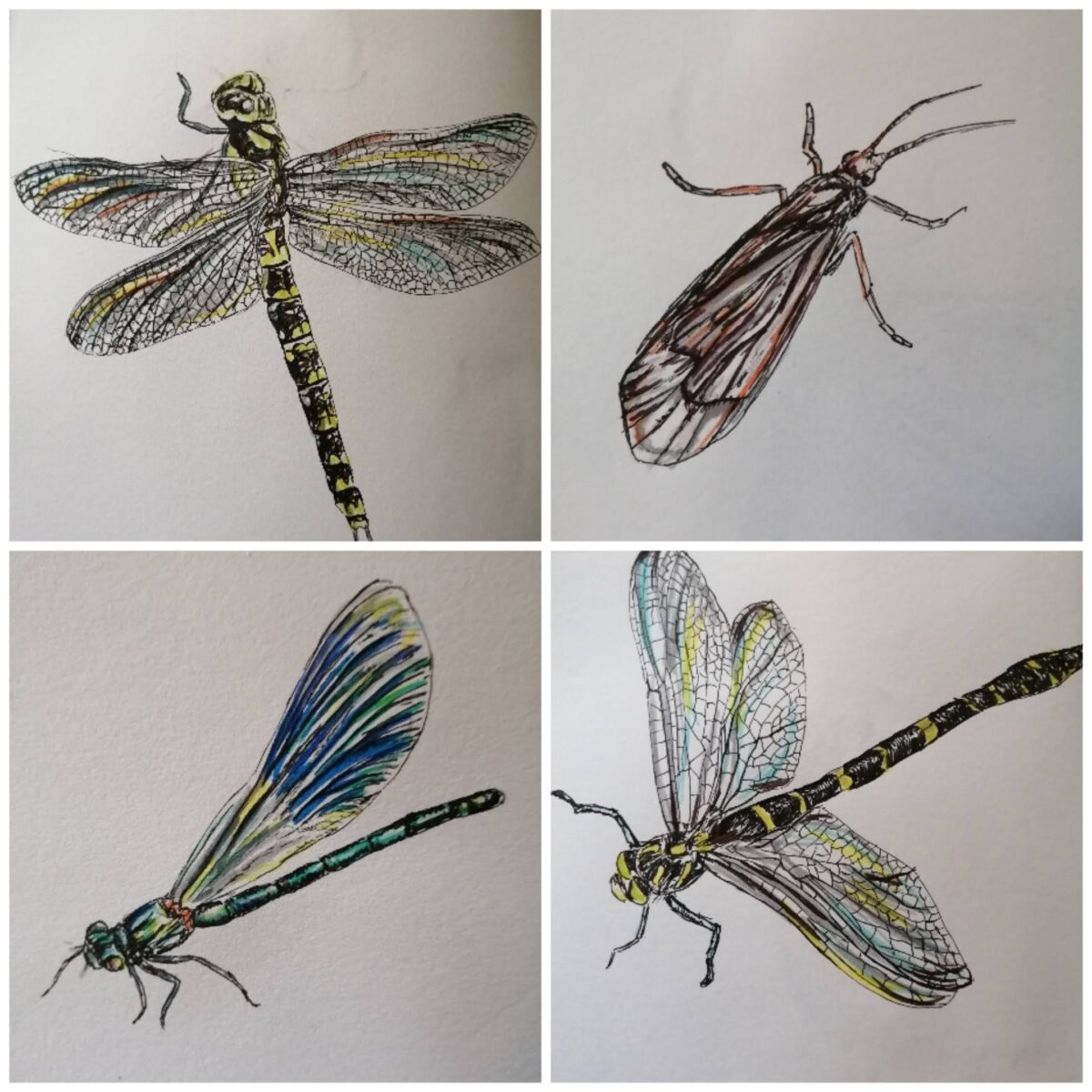
Christie Randall – dragonfly (collage)
Christie Randall – river
Claudia Tong – Along the River Thames – Battersea (watercolour and pen on paper)
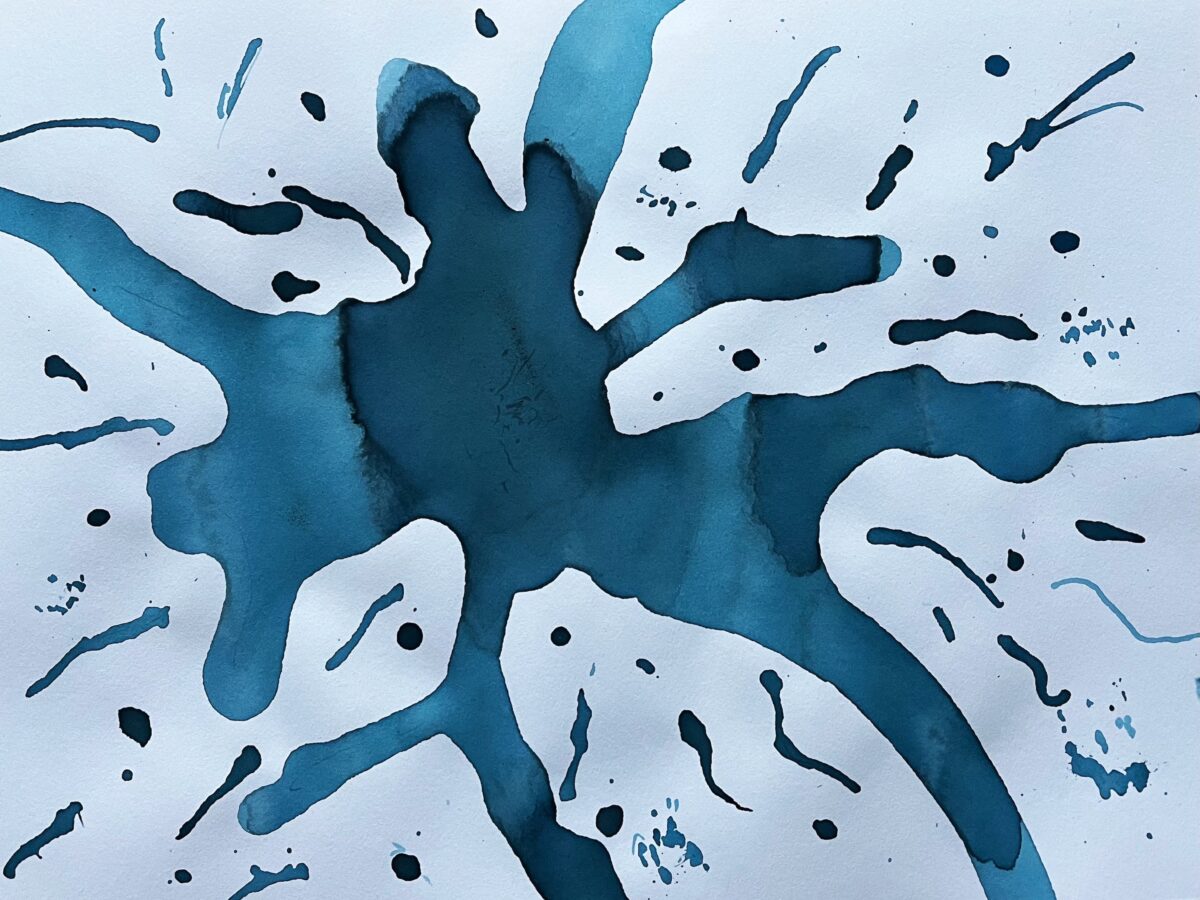
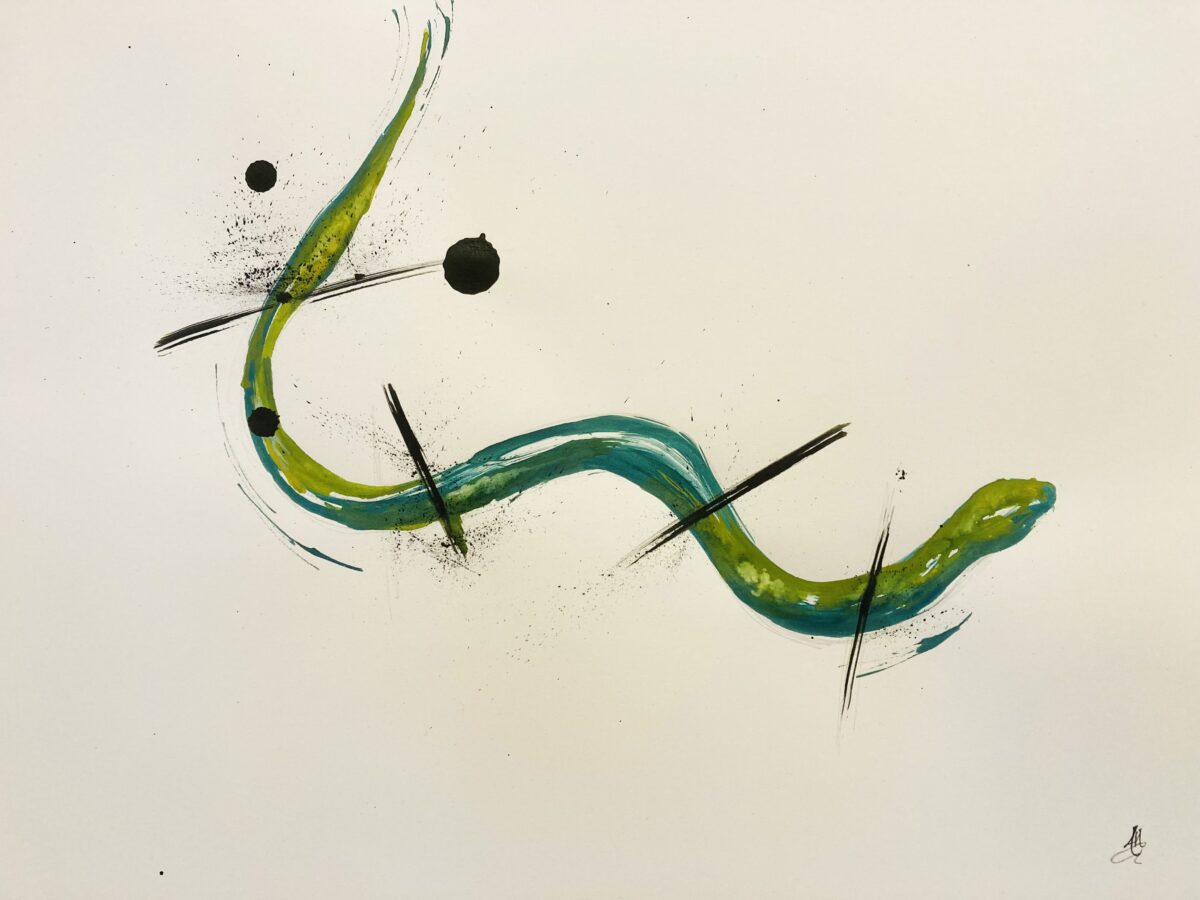
Claudia Tong – A Splash of Freshwater (ink on paper)
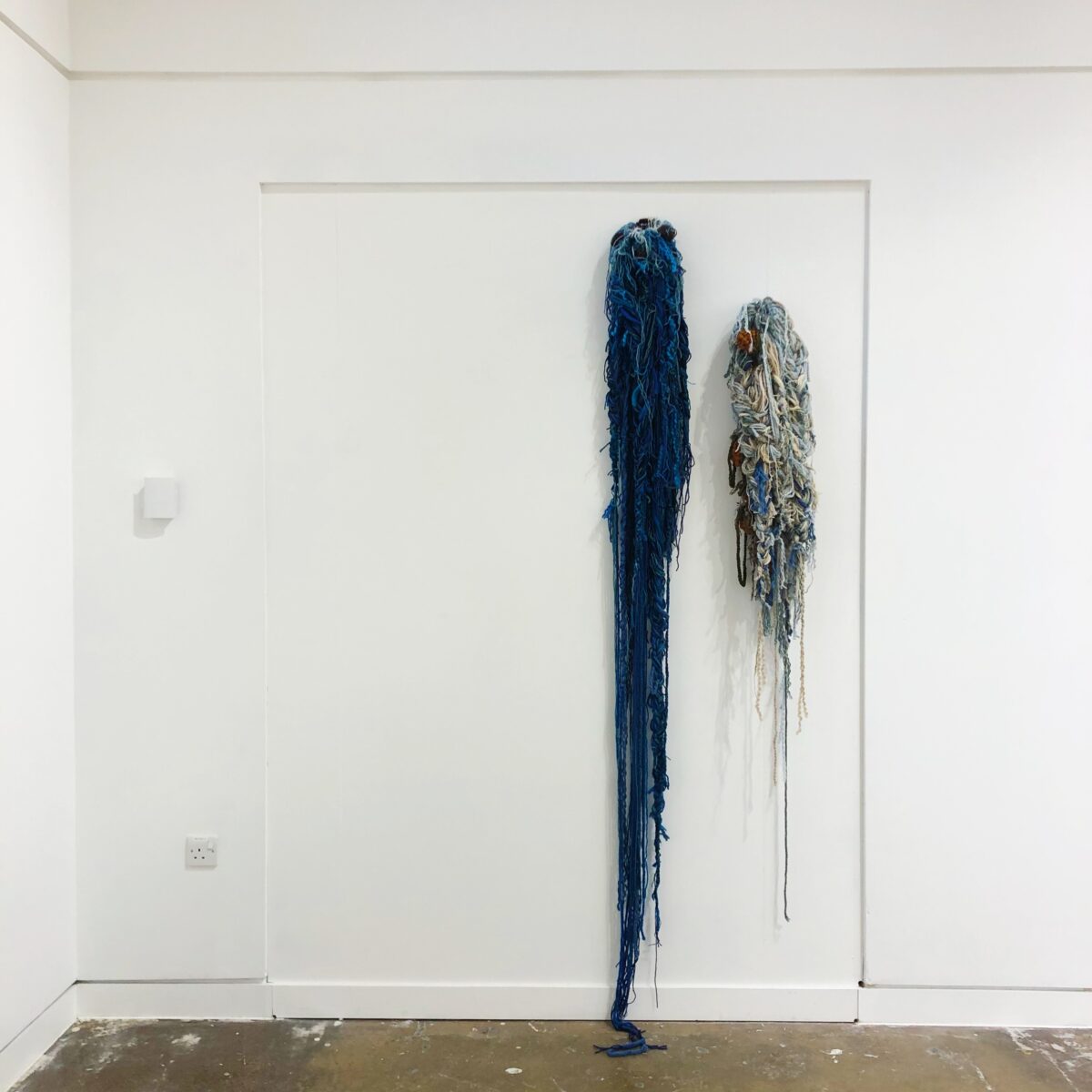
Eve Harker – Hardraw Falls and Falling Foss (textiles)
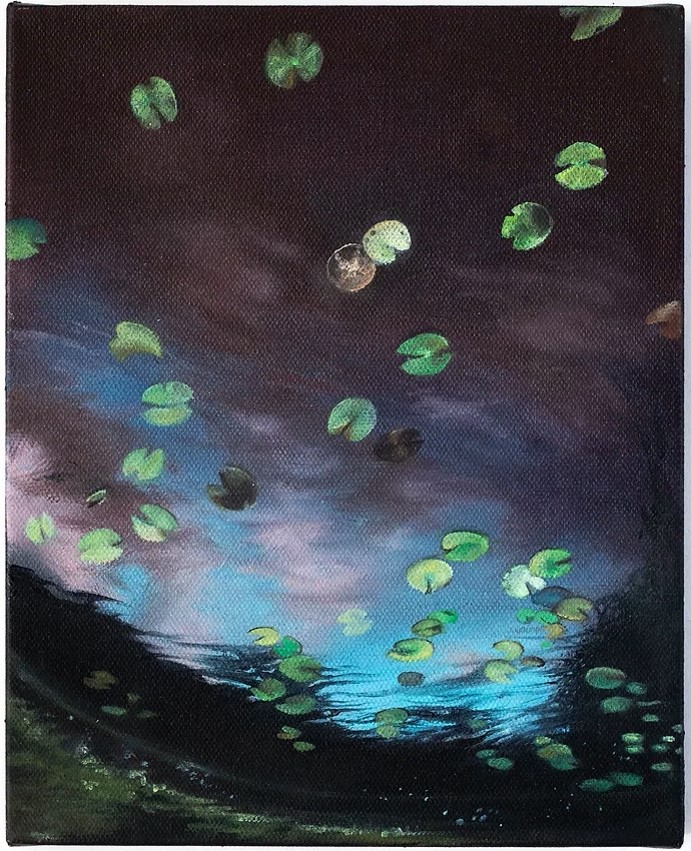
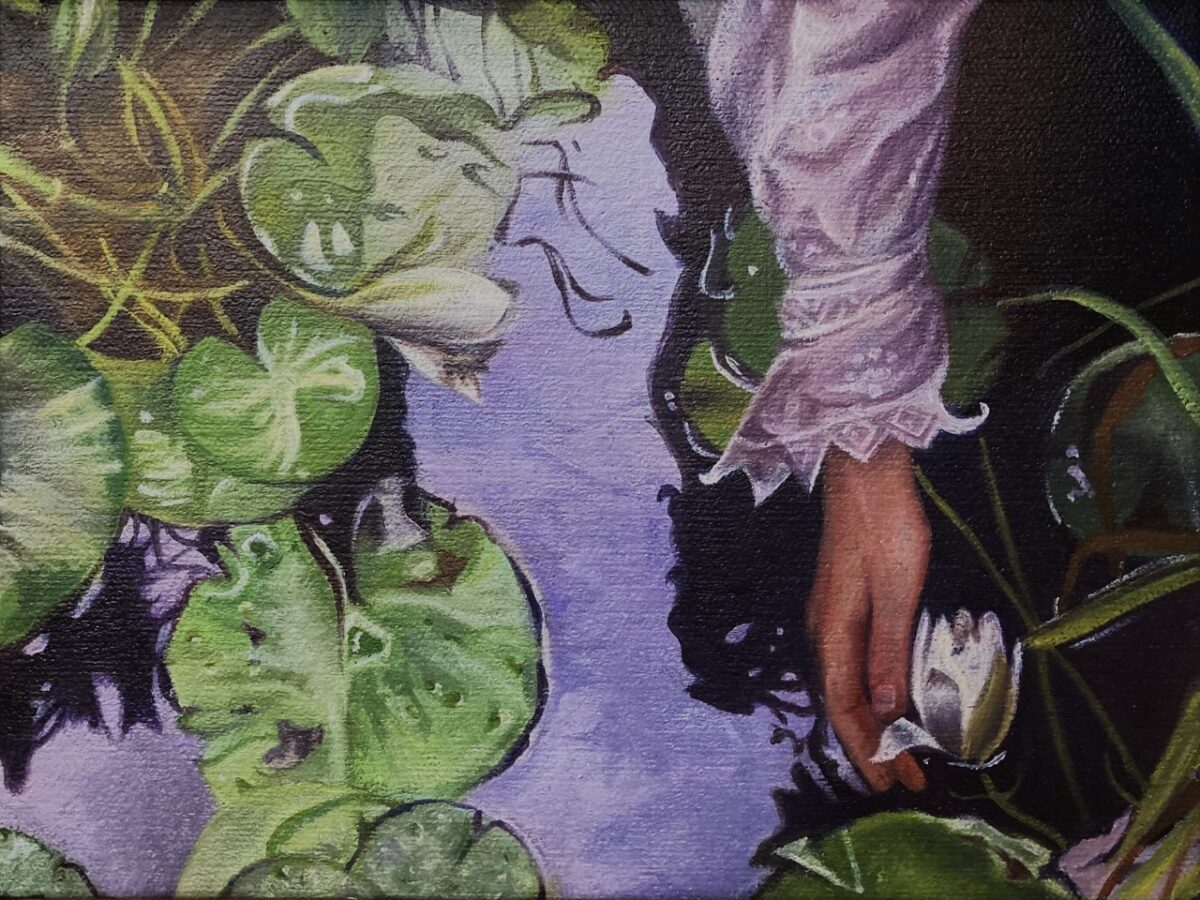
Emma Phillips – Lillies (oil on linen)
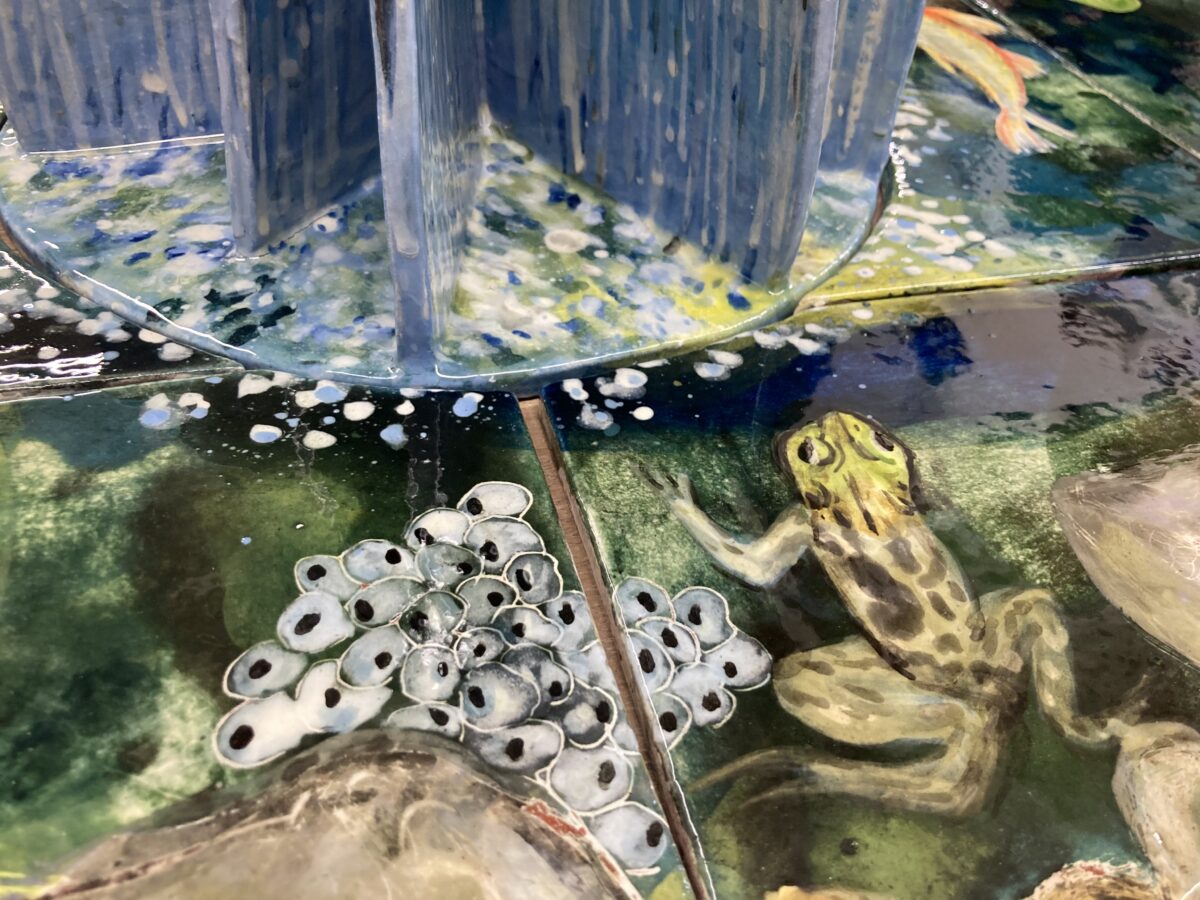
Henrietta MacPhee – Pond Life (Painted and glazed ceramic mounted on wood)
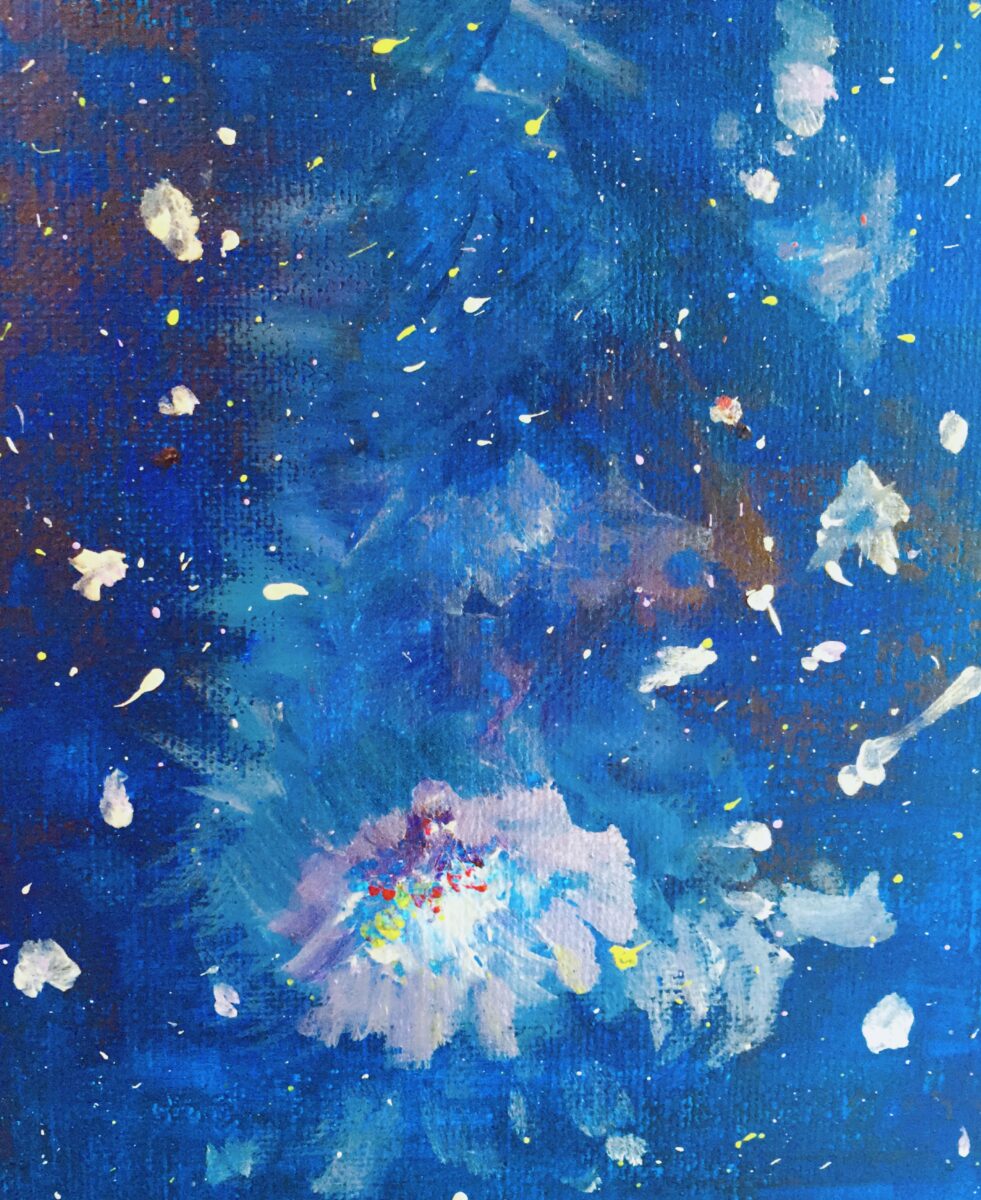
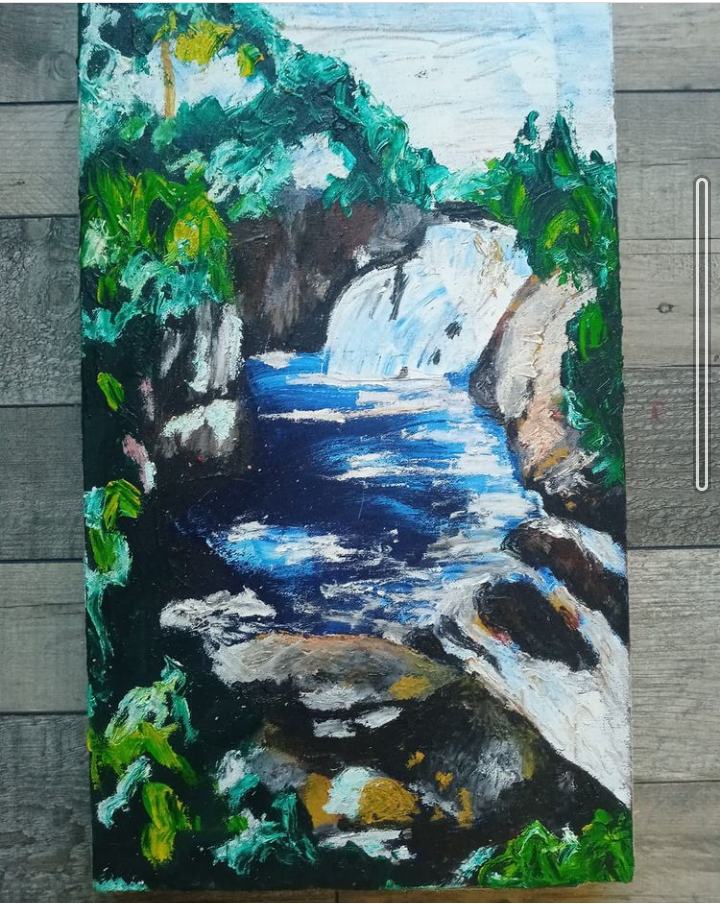
Kun Fang (Mixed media on canvas)
Manuela Amey (film photograph)
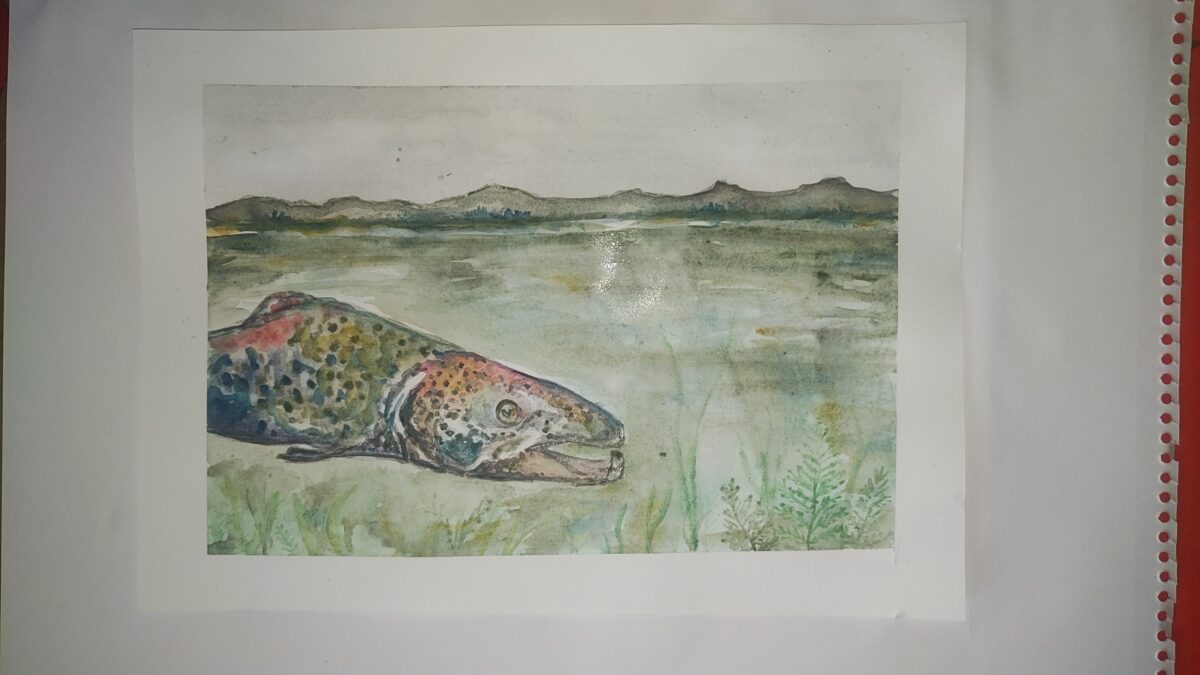
Rosa Hicks – Atlantic salmon
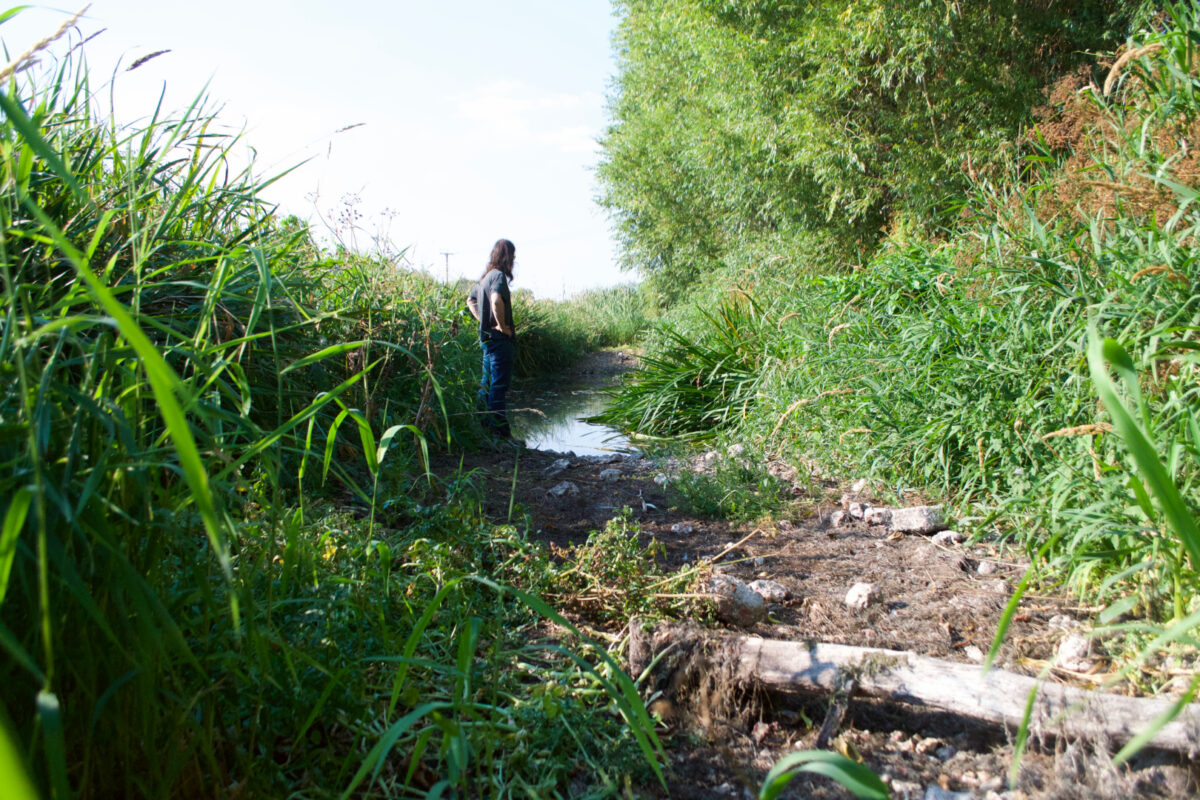
Rosie Rowland – Wallop Brook (photograph)
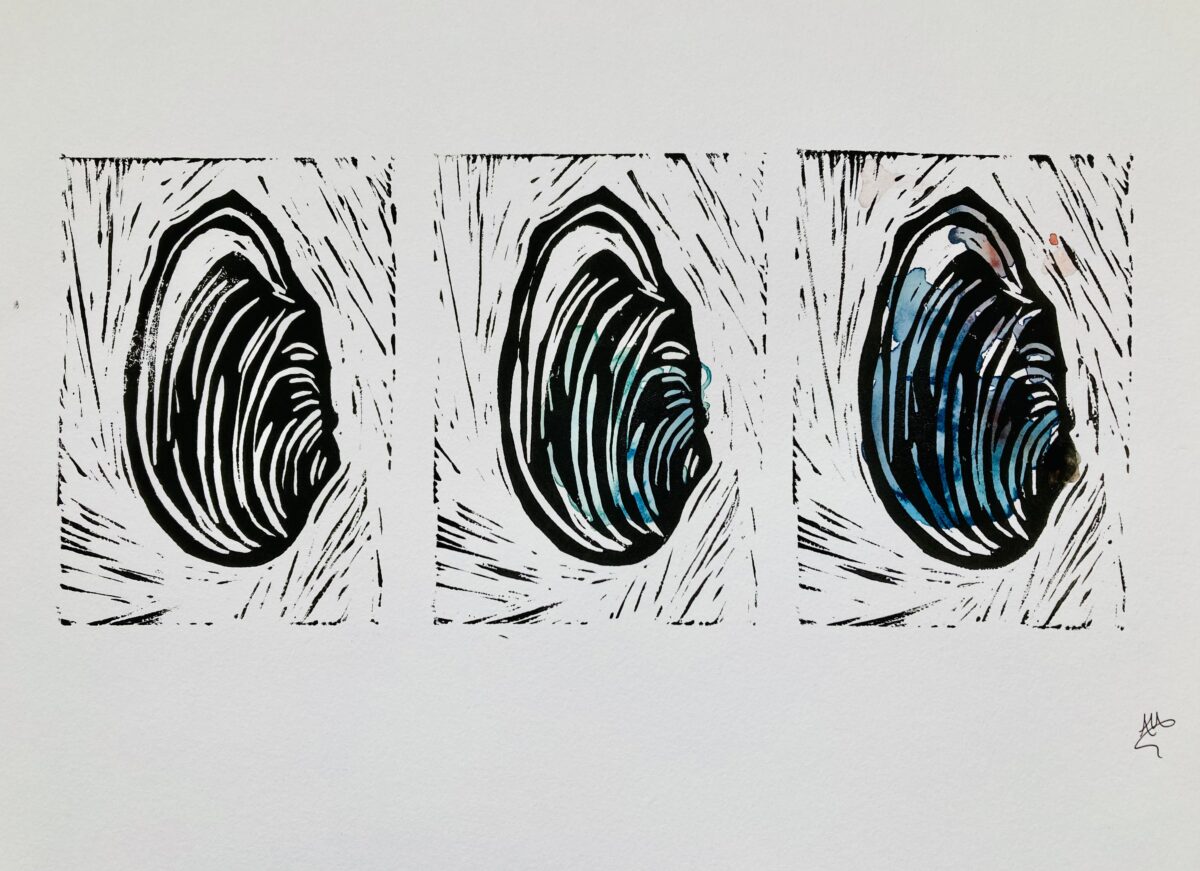
Will Wright and Martha Solloway – Coppermill (lino print)
Yarm Prep School (ceramic)
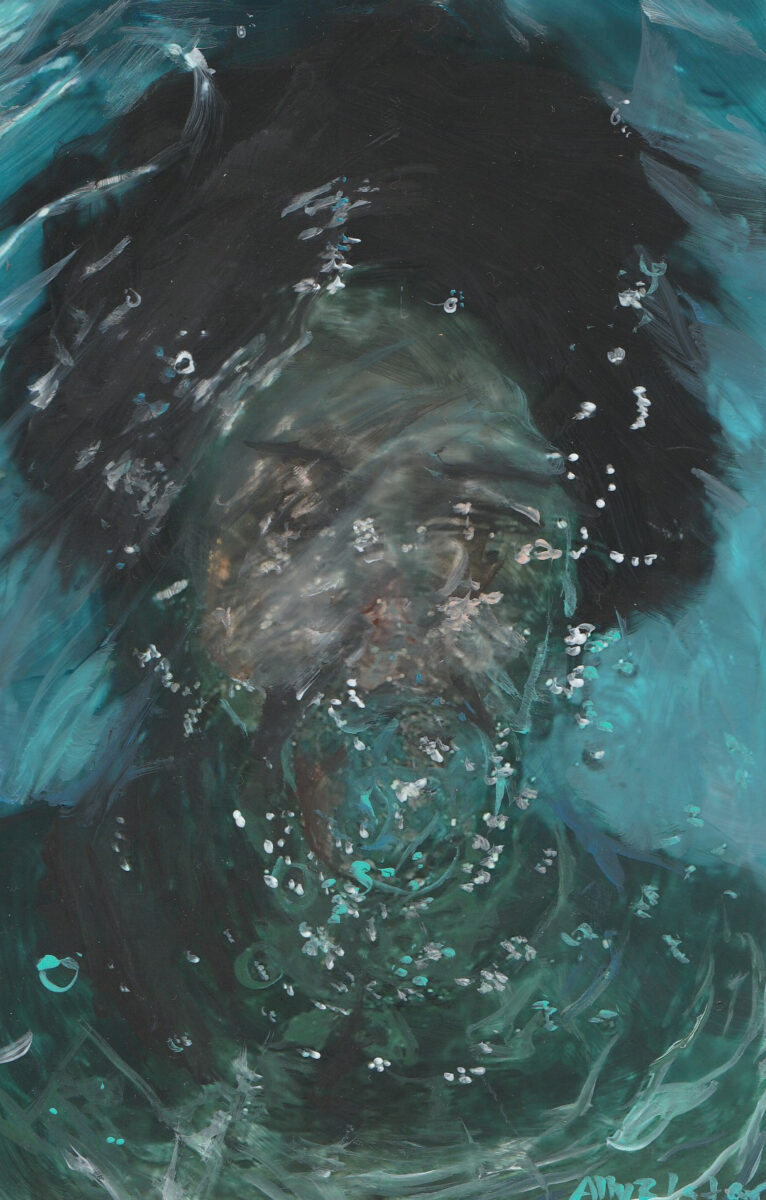
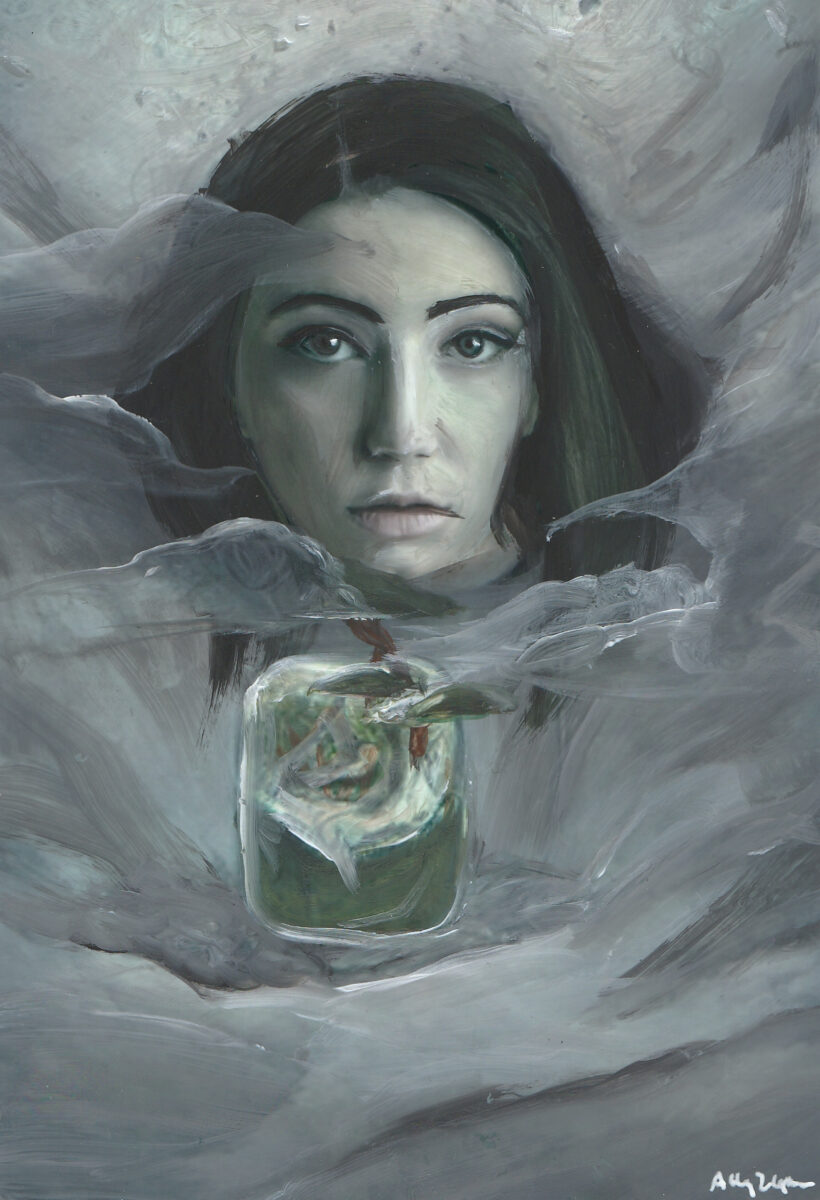
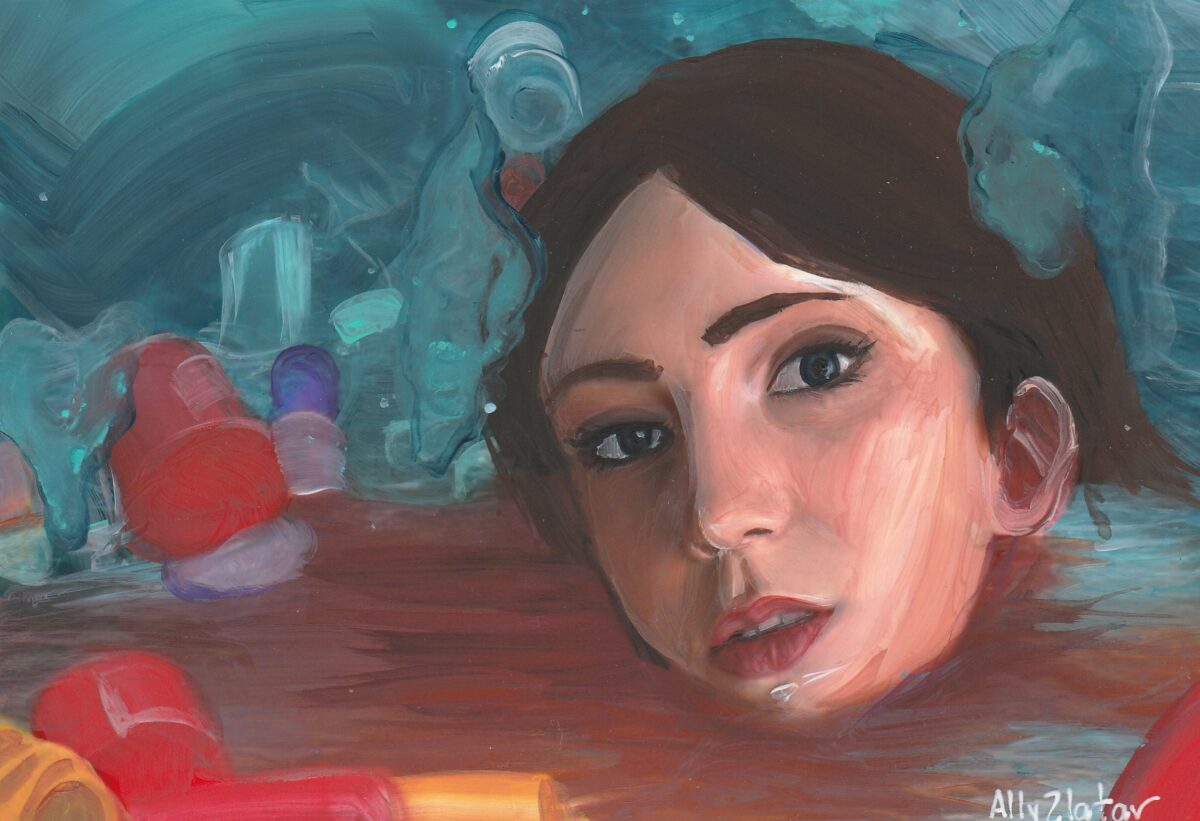
Ally Zlatar
Alicia Hayden
Alicia Hayden

Thank you to everyone who sent in their artwork – we can’t wait to run something else like this again very soon!

If you want to learn more about our Not so Freshwater campaign and the chemical crisis in UK rivers, click here.

UK Youth for Nature Environmental Book Club

We asked our community members to share their favourite nature and environmental books with us so we could get some top tips for summer reads, and share it for our wider audience to enjoy too! We ended up with a super diverse list of books – some fiction, some non-fiction, some new, some old – featuring a range of topics, all of which had made some kind of impact on those suggesting them, and even changed some of their behaviour patterns. Books have an amazing ability to change the world, and here’s a list of some of the ones that have changed ours:

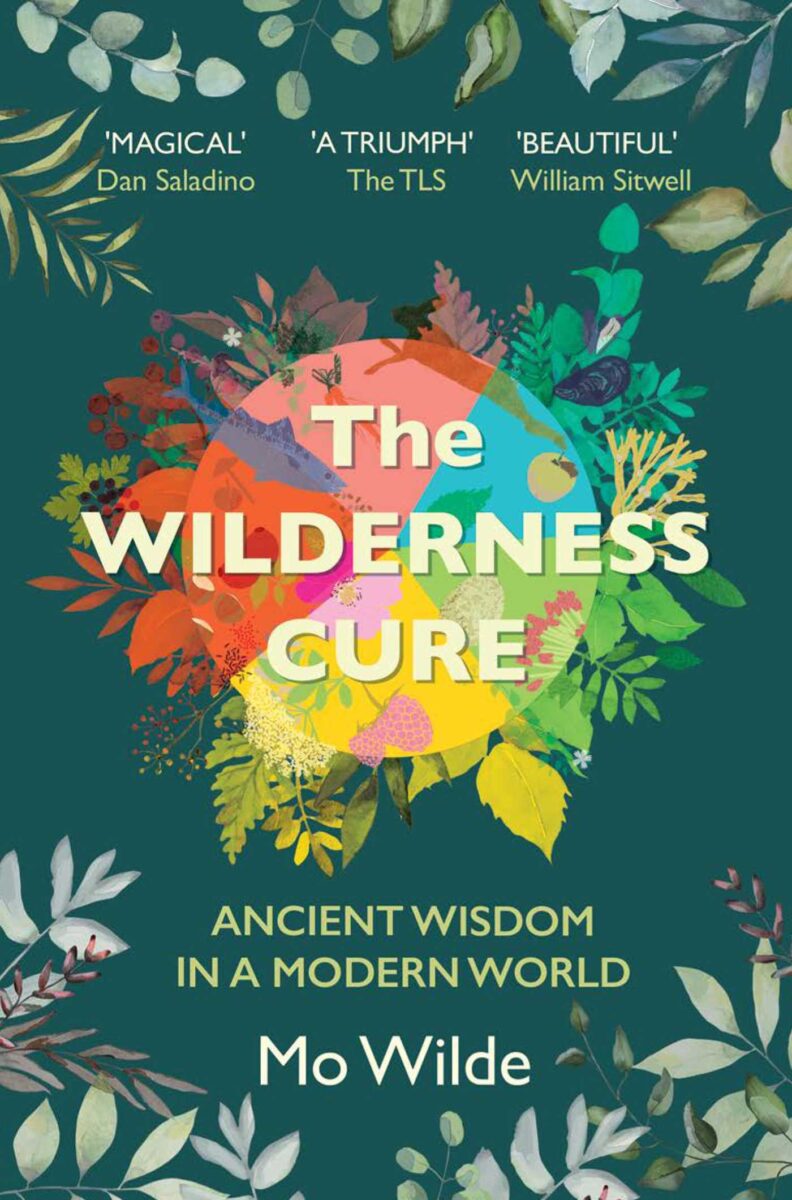
Mo Wilde – The Wilderness Cure

I’ve always been a very basic forager – nettles, dandelions, blackberries and wild garlic, and mussels with my Grandad when I was little. Having become very interested in food sovereignty, I have become fascinated with growing food and foraging, and this book took that one step further.

In this book, Mo does a ‘wild food year’ where she only eats foraged food. I’ll be honest, at times it sounds absolutely bleak, but the feeling of completing it, and how she describes feeling, would be been worth the challenging times. I felt so inspired and I know I’ll carry so much of this book with me for the rest of my life.

– Hannah


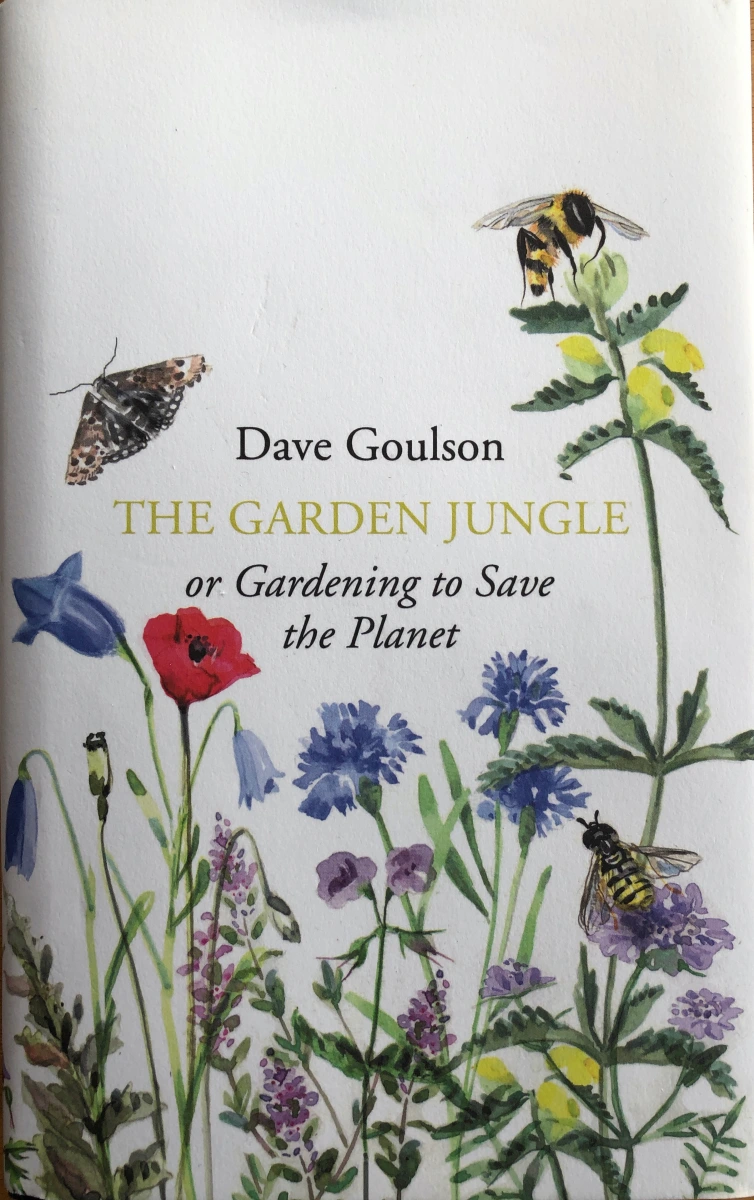
Garden Jungle – Dave Goulson

I love the way that the book brings the wildlife in your back garden to life and celebrates creatures that don’t get enough love.

Favourite fact from the book: Earwigs have two penises, if they are disturbed during sex, they can snap one off to keep fertilising the female while they make a quick getaway.

– Ellen


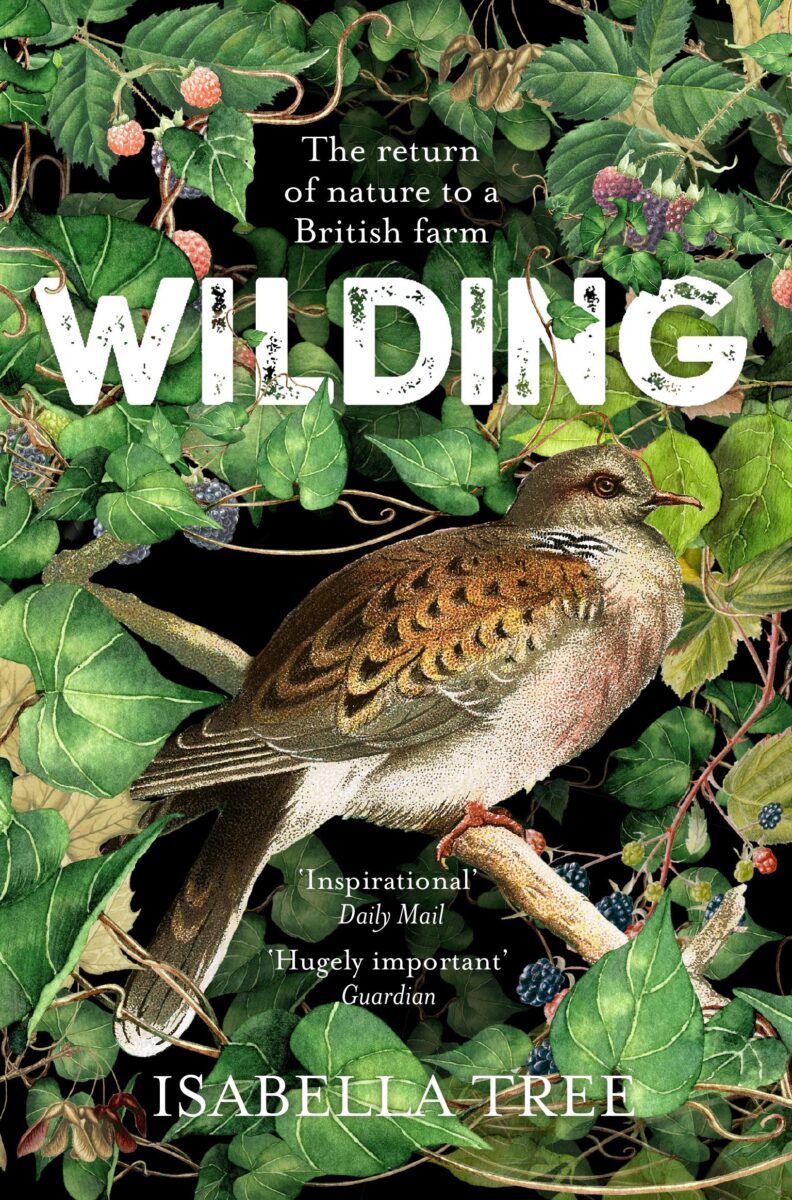
Wilding – Isabella Tree

Such a fantastic insight into Britain and it’s changing relationship to nature.

Rewilding is such a hot topic and Wilding is a great addition to the conversation.

– Lucy


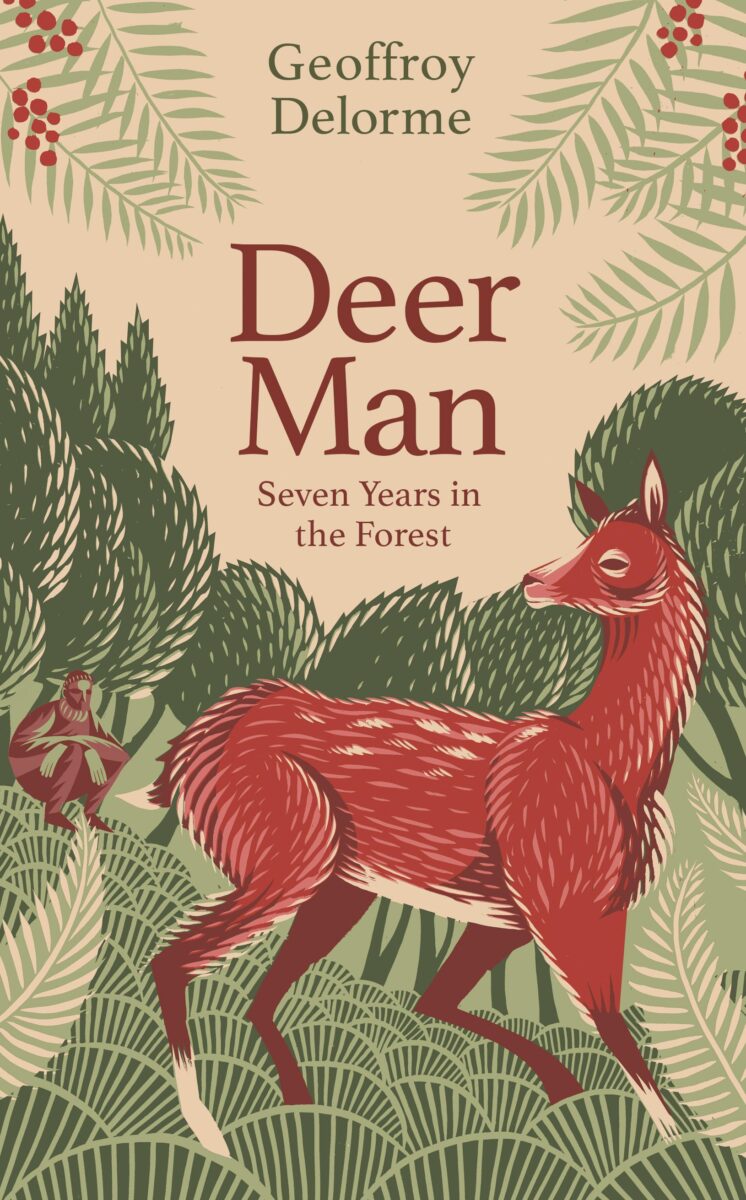
Deer Man: Seven Years in the Forest – Geoffroy Delorme

This is my absolute favourite.

It’s a non-fiction book about a man who goes to live with roe deer in the forest and it changes your perspective on the habitats and human impact we have on nature.

– Lucy


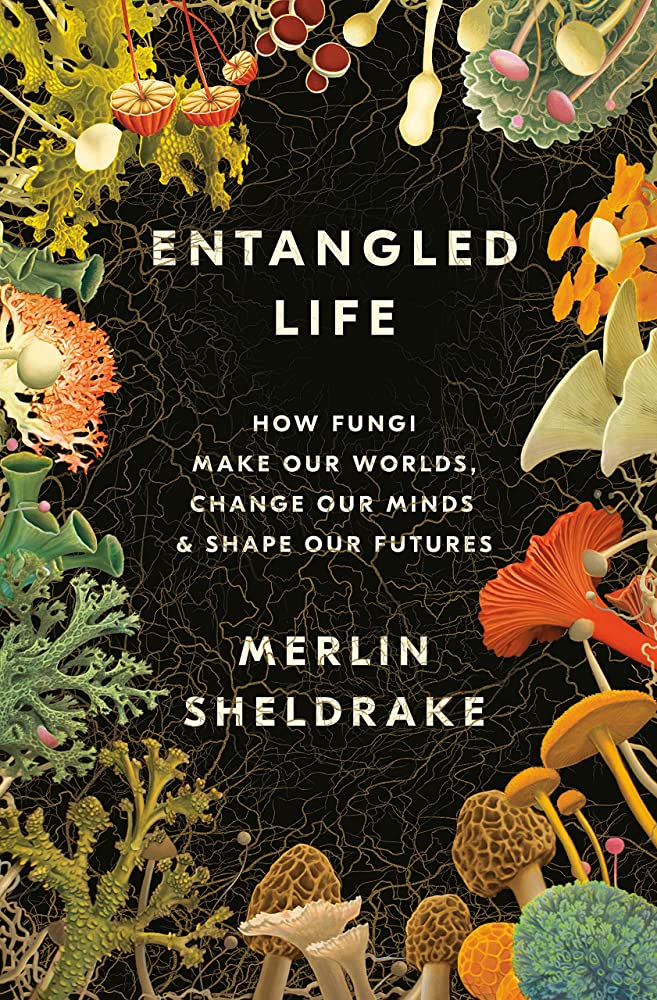
Entangled Life – Merlin Sheldrake

I already thought that mushrooms were super cool but reading this book made me realise how much we can learn from mushrooms in how they relate to eachother and other species and the expansiveness and resilience they have.

It’s one of those reads that’s science told in a way of a story or journey almost and I love that as a combo. Also very accessible if you’re not into science too. Plus there’s an adorable picture of a truffle hunting dog!!

– Glesni


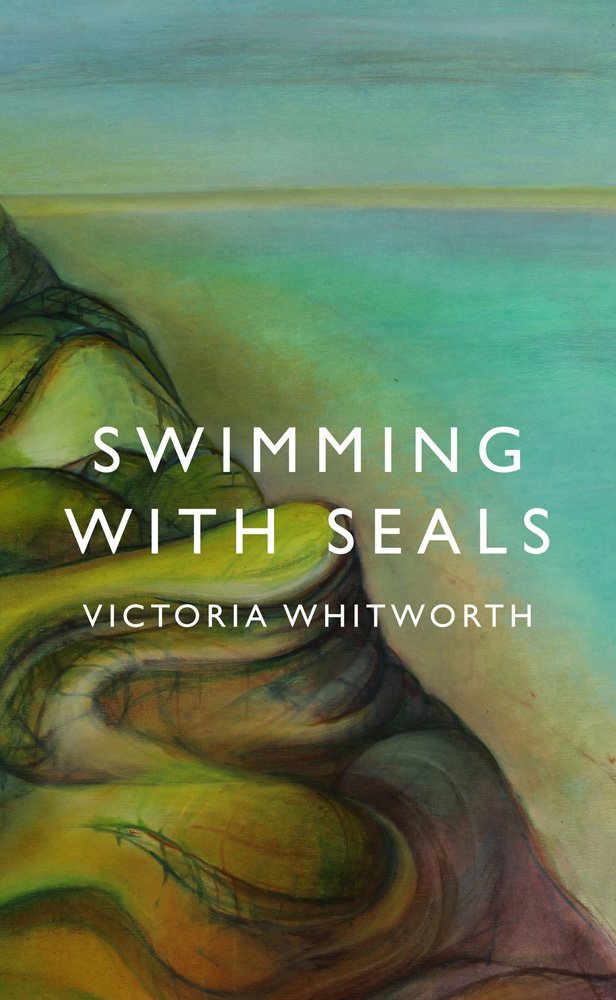
Swimming with Seals – Victoria Whitworth

I loved ‘Swimming with Seals’ by Victoria Whitworth which is about swimming in the seas around Orkney. It’s also about connection and community and how the author finds an escape in her swimming from her failing marriage.

There’s a lot of folklore and history in there as well, but most of all it makes you want to go swimming in the cold.

– Christina


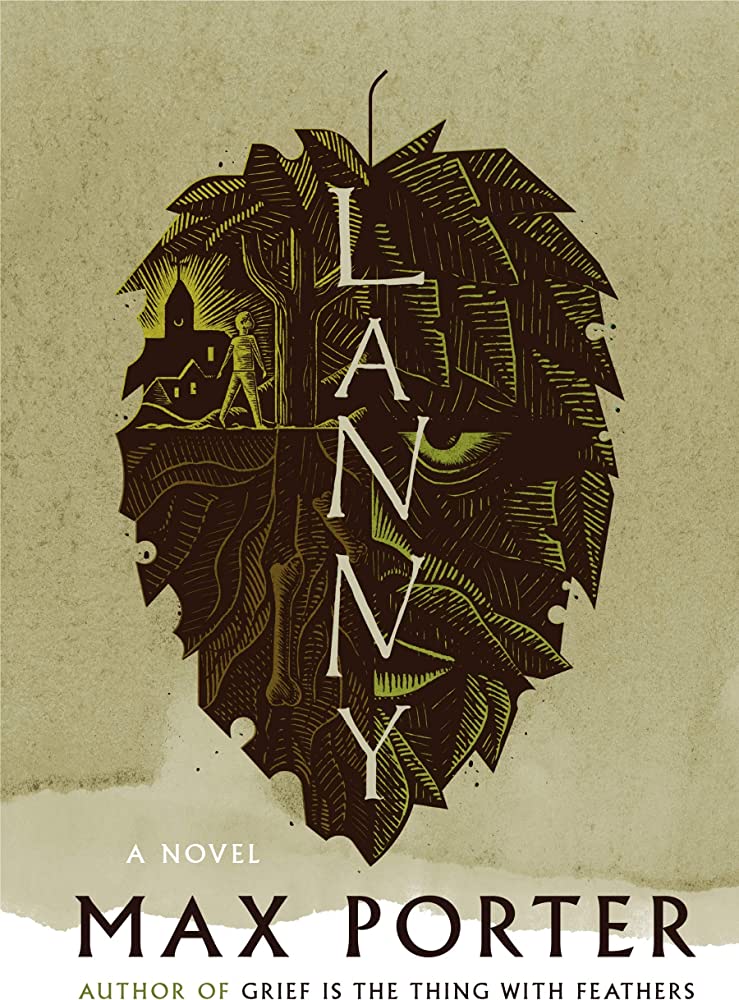
Lanny – Max Porter

Lanny by Max Porter is such a beautiful book about an English village and a lost boy, and the Greenman figure of Dead Papa Toothwort. It is a book in which the countryside feels alive and part of the story, and it makes you feel connected to the land.

I read it in a day and everyone I’ve recommended it to loves it as well.

– Christina


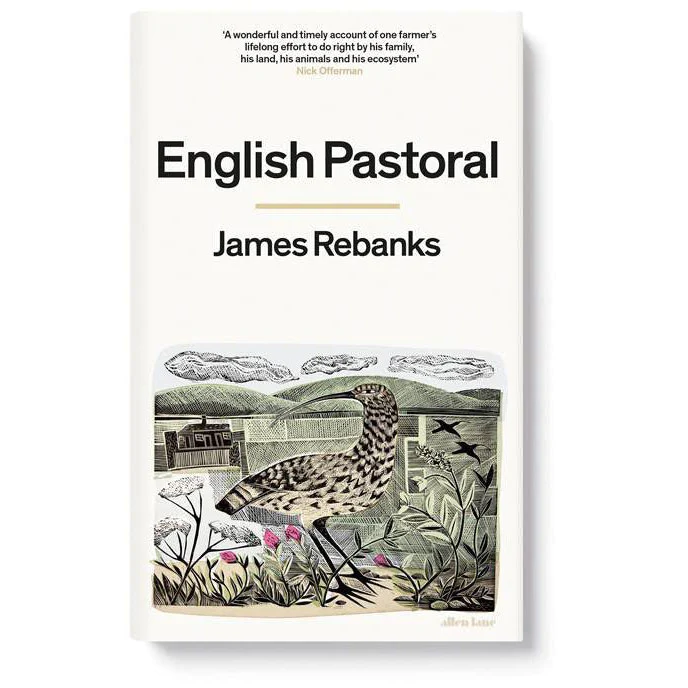
English Pastoral – James Rebanks

One of my favourites is English Pastoral by James Rebanks, a view of UK agricultural history, the role that commercial farming has played in depleting biodiversity in the UK and what can be done to reverse that.

A heartbreaking vision of all we have lost that still manages to end with hope for the future. Left me in tears! Happy and sad tears!

– Ella

Have we missed your favourite nature or environmental book off of our list? Drop us a DM on your favourite social media platform so we can add it to our must-read list!

Join our online freshwater art and poetry exhibition!

Summary: Through our latest campaign, Not so Freshwater, we’re calling on the UK government to act now for our freshwater ecosystems, for nature and for our future. Freshwater ecosystems in the UK are internationally important. Of the world’s 210 chalk streams, 170 are in England. The UK’s freshwater network is made up of 200,000km of streams and rivers, plus thousands of ponds, lakes and ditches, forming a cross cross of habitats that support a diverse array of wildlife from dragonflies to water voles. Our freshwater systems should be one of the jewels of our landscape but no rivers in England, Wales or Northern Ireland are considered to be in high ecological health. In Scotland, 92% of rivers do not meet high ecological health.

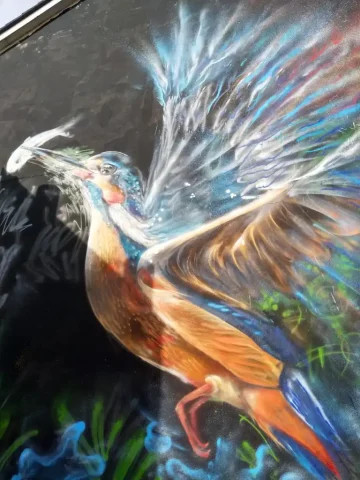
Artist: Glesni Lewis

Theme: With rivers, lakes and waterways being such a source of inspiration for our community, both artistically and for our environmental activism, we wanted to celebrate how much they mean to us by asking our wider youth (16-35) community to submit artwork and poetry, following the themes of our campaign. They can be celebratory, environmentally-focussed or nostalgic – however you wish to represent your feelings towards these beautiful, crucial ecosystems is up to you! 


Artist: Spike Clark

Online and offline exhibition: You can submit your artwork to ukyouthfornature@gmail.com anytime between now and 8th of May. All artwork will be exhibited on our website and social media, and a selection will also be exhibited at our Chemical Cocktail event in London on 23rd May 2023. This event will bring youth campaigners and policy-makers together, in the hope that we can spread our campaign message far and wide, and achieve our campaign goals. We will have a small exhibition space in the corner for guests to view whilst attending the event.

Your artwork can be painted, drawn, sculpted, or however you wish to let your creative juices flow (pardon the pun!). Please send in a high resolution image of your artwork so that we can show it in its full glory. Poetry can be sent in as a word document, or alternatively, an image of the paper it was written on can be submitted. There is no limit to the number of pieces you can submit, but if you submit multiple we may not be able to exhibit all of your pieces.

Staff spotlight: Hannah Mulvany

Who are you?

There’s so many ways to answer this question but I won’t get too deep about it! I’m Hannah Mulvany – I’m the Head of Comms for UK Youth for Nature. I’m an Environmental Biologist and Communications Specialist with a love for funk and disco music, who has been a part-time vanlifer, part-time housesitter for the past 7 years. I’ve lived in seven different countries as an adult, recently learned my star sign describes me very accurately, only like spinach when it’s raw, and have always dreamed of playing the saxophone.

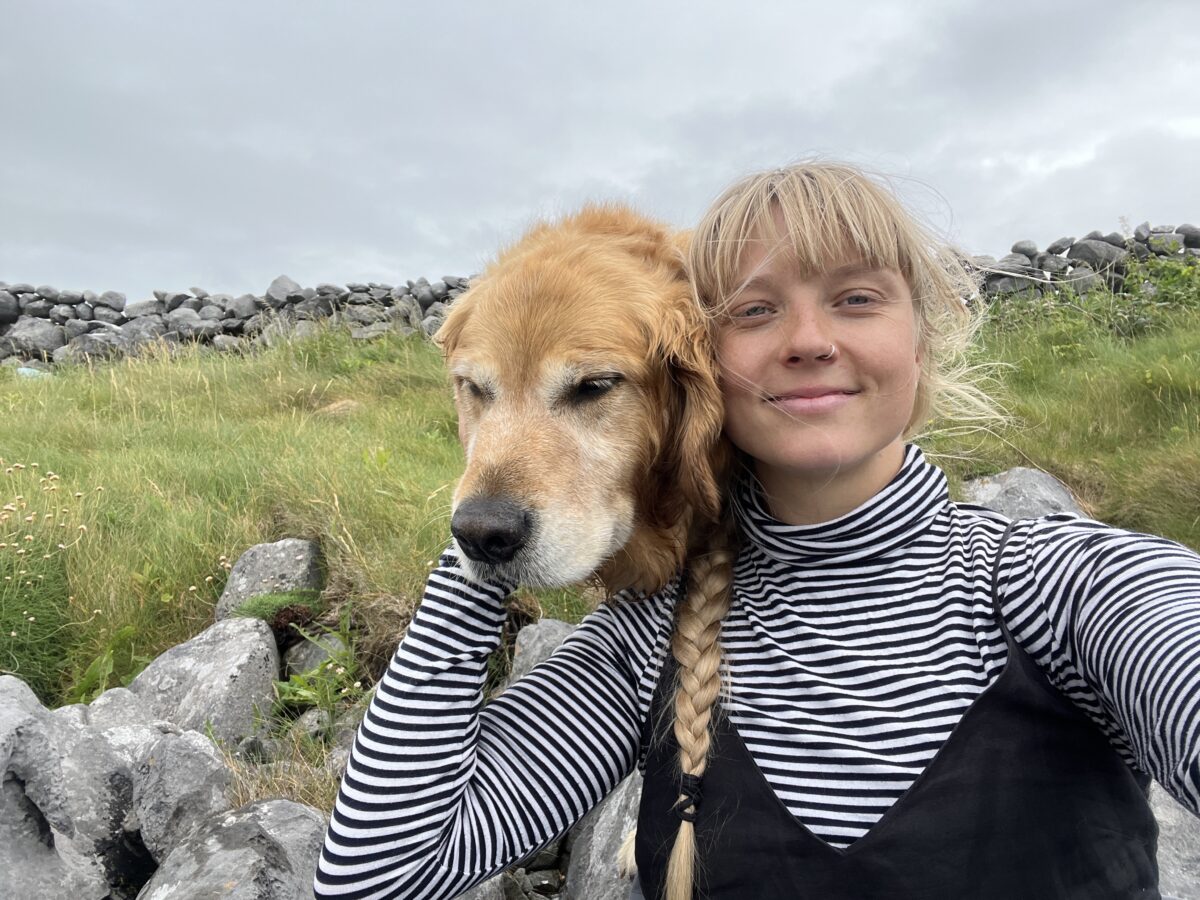
Me with one of the many dogs I’ve looked after!

How did you acquire this illustrious role?

As with most people, my career has taken many meandering pathways. After doing my degree in Conservation Biology at the University of the West of England, I got a job straight away at Wildscreen, where I had done an internship during my degree. Here, I worked as a researcher/author, later working on building up their photo and video library for global conservation non-profits. I also ran the public programme for the Wildscreen Festival, which included creating large-scale street art, touring a bicycle-powered cinema around the city and screening wildlife documentaries, and creating the world’s very first completely recycled and recyclable outdoor photography exhibition. Part of my role was creating content for social media, and helping to acquire the content that charities needed to tell their stories. I knew I’d hit the nail on the head with my career when I figured out how to blend my creativity with my passion for the natural world.

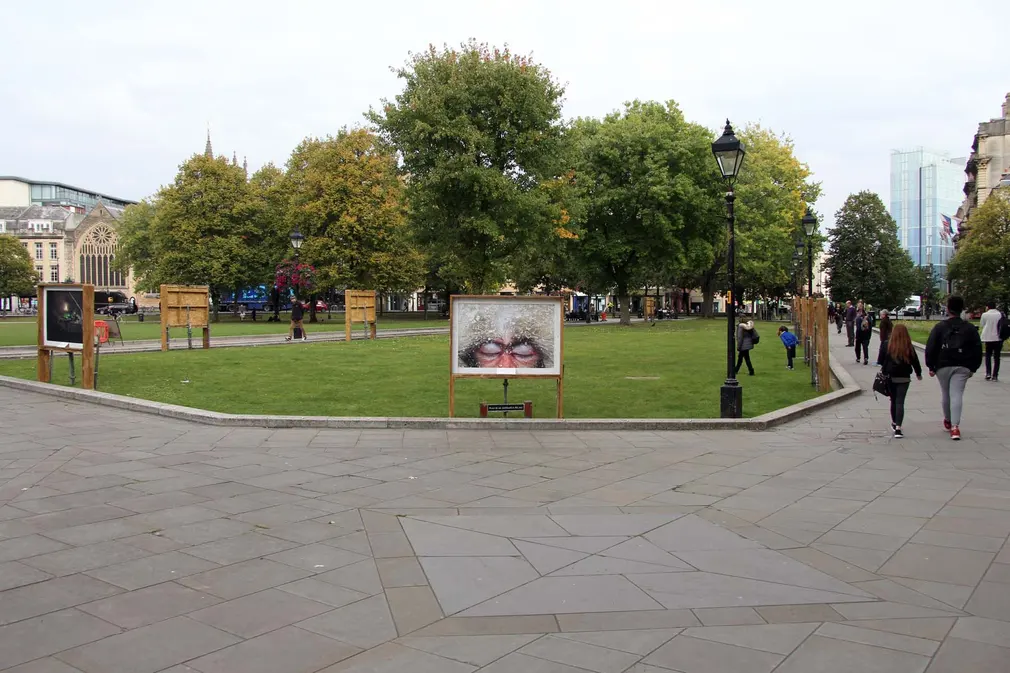
The photography exhibition I curated, and created the concept for (built and installed by my friend Femi).
What’s something you find really annoying about the state of the planet?

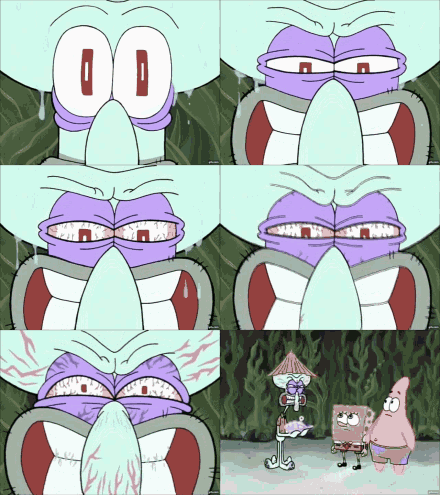
I don’t think anything annoys me more than littering. Watching someone casually discard a wrapper, cigarette butt or whatever they’re choosing to destroy the environment with makes me feel like Squidward after SpongeBob has asked him too many questions. I love cartoons – forgot that from the about me section!

Name three things that you do to help the planet.

I eat a plant-based diet, I only buy second hand or recycled clothes, and I have a sustainable bank account and pension plan. I don’t think anyone is perfect, and I’m certainly not, but I think taking baby steps and considering how any aspect of your life can be more environmentally friendly, then taking small steps to resolve them, is the best way to align your life with your values without feeling totally overwhelmed.

Being an environmental scientist can be pretty heavy at times, how do you manage this?

It is heavy, and I think it’s so important that as environmentalists we give ourselves time to recharge. Firstly, my phone gets turned off for a large proportion of the day because there is no ‘safe space’ online for me to ignore environmental issues – most of the accounts I follow on social media relate to the planet. I hike, do yoga, trail run, wild swim, mountain bike, surf, ski, and SUP – anything that involves moving my body outside, I’m into. When I’m doing these things I’m present, I look up, and I am surrounded by the flora and fauna I spend so much of my time trying to protect. Nature helps rejuvenate me when I feel run down from spending so much time trying to get people to care about it – there’s some reciprocity in that, and that feels kind of awesome.
If you could change one thing in the UK regarding nature, what would it be?

It sounds obvious, but for there to just be more of it! I grew up in the middle of Nottingham, which is a pretty nature-sparse city (especially where I lived). You have to travel pretty far to find anything that resembles nature, and thankfully I was dragged out into the countryside at any opportunity my Mum had, which was the starting point of my passion for protecting it. Not everyone has that opportunity. It would be great to take nature to more people rather than expecting them to come to it. I’d love to see more connectivity between nature reserves, more rewilding and more urban nature funding so that more people get the chance to connect with it too. We generally don’t care about things that we know nothing about and have no experience of, so why should we expect other people to?
Give us a nature recommendation.

Learn to identify things, it’s so satisfying!