Eco-anxiety webinar – reflections from our community and bonus resources

As we face the state of our natural world and open our eyes to the extent of the climate crisis more and more young people are experiencing eco-anxiety.

A global survey in 2021 found that more than half of people aged 16–25 felt sad, anxious or powerless, or had other negative emotions about climate change. This highlights how important this topic is and that we should be talking more about these emotions that we might be feeling.

Speakers

Ellie: Community Cultivator at Re-Action Collective. Ellie (she/her) is a Change Agent and Community Cultivator at Re-Action Collective, a thriving global community driven by a shared love for the planet and outdoor adventures.
Morag: Force of Nature speaker. Morag is a science student determined to tackle social and ecological challenges, highlighting the interconnection of biodiversity & climate crises with human rights, health inequalities and air pollution
Parker: A Climate Aware Psychologist. Parker is a psychotherapist, coach, facilitator and farmer working at the intersections of mental health, climate justice and engaged spirituality. We had a set of panel questions and then each speaker was able to talk about some topics that they were passionate about such as eco-justice, mindful practice as well as neurodivergence.

Main takeaways

🍃 The intersection between the ecological and the social- The climate crisis is a social justice issue as much as it is an environmental issue. When talking about eco-anxiety we must be aware that these two themes go hand-in hand.

🍃 The importance of community – find people that support you but also champion for change in a way that resonates and inspires you. Community will also be able to support you when you are struggling and hopefully inspire you to not give up hope. If you’re not currently a member of one, why not join ours?

🍃 The importance of taking time to feel your emotions- Parker talked about how it is okay to pause and take a step back. Not only might you have feelings of anxiety, but you might feel grief and other intense
emotions and if you continue to ignore them, they will only get worse. You might then be feeling your eco-anxiety physically as well.

🍃 Hope and optimism can sometimes feel a little hollow. Ellie talked about adopting terms like rebellious hope which highlights how hope is an active process as well as stubborn optimism. These are emotions that you should be holding onto when struggling with eco-anxiety and feeling hopeless.

🍃 Find your way of enacting change- not all activism requires you to be loud and out-going. There are so many different types of activism, and this webinar highlighted some of them such as writing, art, dancing or any other way you find you can best express yourself.

🍃 Focus on small moments of wonder and joy-These can keep you inspired play with what’s possible and think outside of the box. Morag talked a lot about looking out for little pieces of inspiration as these are the things that can help you re-focus when you are struggling.

🍃 Take time to rest- It can be very easy to be burnout especially when you might be deeply passionate about the environment. Passion can drive you to work for long hours and push to yourself to your limits. Rest will encourage balance and allow you to approach challenges from a fresh perspective and give you the energy to push for change.

🍃 Spend more time outside – The importance of spending time outside has been shown to have many positive effects. Click here for some tips. Research into ecotherapy, which involves doing activities outside in nature has show that it can help with feelings of anxiety and depression.

Resources if you are struggling with eco-anxiety

• Parker Bowling – one of our speakers who has recently started working and offering with people in
the UK – find out more on his website.

Force of Nature – organization offering resources, online community, training, podcasts & info on eco-anxiety

Resilience Project – workshops, training & resources on eco-anxiety

Climate Psychologists – resources & training programmes

A Field Guide to Climate Anxiety

Climate and Mind – website with info, resources and signposting

Good Grief Network – support network groups, training, resources

Gen Dread – blogs, resources, stories & news

EcoAnxious Stories – people’s perspectives, resources & reflectionsthrough storytelling

Climate Psychology Alliance – resources, blogs, podcasts, therapeutic support

Climate Psychology Alliance – offers up to 3 free therapeutic support options for those experiencing distress in the face of the climate crisis and/or support in activism

Climate Psychology Alliance podcasts

Find a Climate Cafe/Circle near you (in person or virtual) – Climate Cafes aim to be safe & informal spaces to express feelings around climate & ecological crises & connect with others-

Counselling for Social Change

• Hope Resilience Circle

Why the Bad Rep? Halloween-adjacent Animals That Don’t Deserve Their Bad Reputation

By Jasmine Foster

Many of our UK wildlife species have spooky folklore and stories attached to them, making them prime Halloween decoration/costume inspo! But where do these stories come from? Jasmine wanted to explore where these scary stories originated and whether the species deserve their bad rep (we think not!).

Spiders

What’s their connection to Halloween?

  • Spiders’ history on why they are related to Halloween dates back to the medieval period, when the Roman Catholic Church spread word of the dangers of witchcraft. They were often seen to be companions to witches, therefore gaining a bad reputation within communities, especially during the witch trials between the 15th and 18 centuries. 
  • In addition to this, run down areas often said to be ‘haunted’ are naturally home to many species of spiders due to their fondness for darker, less disturbed areas. When there are lots of spiders sharing one area and building multiple webs, it doesn’t take long before they build up and look pretty much exactly like the decorations you can buy!

Why they don’t deserve their bad rep:

  • Spiders are a key aspect of insect control as they naturally prey on insects such as flies, moths, and mosquitoes. This means that insect populations can remain stable. The control of insect population can also reduce the spread of disease which can, in turn, benefit humans.
  • Spiders act as a source of nutrition for many bird species and other small animals, and therefore play a key role in their food web.

Favourite facts about spiders: 

  • A spider’s blood is blue. The oxygen in their blood binds to copper, giving their blood a blue appearance.
  • Around 100 different species of spider mimic the appearance of ants, and they are even able to produce ant pheromones. This makes it easier for them to hunt and also provides them with protection from some of their predators.
Synemosyna formica

Synemosyna formica

Owls

What’s their connection to Halloween?

  • Owls are nocturnal and therefore communicate during the night, producing haunting calls that are frequently used in horror films or to set the tone for a scary scene. The design of their feathers also allows them to fly silently.
  • Owls were also seen as the companions of witches, meaning that they became a sign of misfortune and ghostly and earthly decay. This was during the time period where Catholicism was encompassing Europe and more sinister Roman characteristics of owls became common. This made them more associated with Halloween themes. 
  • In Welsh folklore Blodeuwedd, a maiden who has an affair and tries to kill her lover’s partner, turns into an owl as a form of punishment. They do this as they state that an owl is “the creature hated by all other birds”. This has led to myths around owls surrounding the folklore, making them seem more spooky and mysterious. 

Why they don’t deserve their bad rep:

  • Similarly to spiders owls can act as form of pest control, especially for species such as rodents. Rodents are prone to eating and destroying crops in fields and storage, therefore controlling their populations is beneficial for human food production. 
  • Owls such as barn owls are birds of prey and are at the top of the food chain, therefore playing an incredibly important role in their ecosystem. Preservation of owls can sustain biodiversity in certain areas.

Favourite facts about owls:

  • Their eyes are immobile. Owls have eyes that are tube-shaped, and cannot move. Their retinas contain many rod cells to help them see at night and help them with their depth perception for hunting.
  • To compensate for not being able to move their eyes, owls can rotate their heads 270 degrees. When they turn their heads and cut off blood circulation, a blood-pooling system collects blood to power their brain and eyes. 

Tawny owl

Bats

What’s their connection to Halloween?

  • Around 2,000 years ago celtic people celebrated a festival called Samhain on the 31st October. The Celts believed that the division between the world of spirits and our world was the weakest during this day, meaning that spirits could cross into our world. The festival would include bonfires, which acted as an attractive light source for nearby flying insects. The gathering of these insects would then attract bats interested in a meal, therefore swarms of bats would gather near the festival. The Celts noticed this and then started to believe that the bats were the spirits that had crossed over to our world.
  • As well as old traditions, old media also influenced the reputations of bats. Dracula, a famous book written by Bram Stoker, depicts bloodsucking vampires turning into bats. The publishing of this book led to people believing that bats suck blood, when only 2 species are known to do so, and they prefer goats’ and birds’ blood over that of humans. This depiction of vampires and bats still influences how bats are seen and is one of the reasons they are feared, as well as the old wives’ tales about them getting stuck in your hair.

Why they don’t deserve their bad rep:

  • Bats are key for many tropical plants who depend on them, sometimes wholly, to pollinate their flowers or spread their seeds. This means that they can help maintain biodiversity of plants, making sure they’re spread across an area.
  • Bats are also insect controllers, due to them preying on many insects. All UK bat species eat insects, meaning that Britain benefits via pest control from their presence. Some studies show that bats are so efficient at this that they eat enough pests to save more than $1 billion per year in crop damage and pesticide costs in the United States corn industry alone. This is advantageous as it means less pesticides are being used, which can cause damage to the environment. 

Favourite bat facts:

  • A single bat can eat up to 3000 insects per night, which is the same as eating their body weight in insects. This proves how effective they can be at pest control. 
  • Over 300 species of fruit depend on bats for pollination. They also help spread seeds for nuts, figs, and cacao. Some other fruits that they pollinate include bananas, avocados, and mangoes. 

Brown long-eared bats (found in UK)

Crows

What’s their connection to Halloween?

  • A poem by Edgar Allen Poe called ‘The Raven’ may have led to the association of crows (and also ravens) with Halloween. The narrator in the poem called the raven a thing of evil and a prophet, which suggests a connection with the supernatural. The talking raven responded to the questions of the narrator, which eventually drove him mad. The talking ability and intelligence of the raven in the poem reflected the natural abilities of crowds and ravens.
  • Crows also most likely became a part of Halloween due to their habits. Crows are large and black and make a “cawing” sound that is often considered jarring when compared to other birds. The birds also are scavengers and the Celtic people strongly associated crows with war, death, and the battlefield because they were known to feed on the remains of those who died in battle. GRIM.

Why they don’t deserve their bad rep:

  • Crows play a big role in waste management. They consume tonnes of waste every year, which can prevent disease and bad odour. They have an efficient digestive system, so they can consume waste efficiently.
  • Crows will stay around gardens to eat grubs and insects rather than crops. Their ability to clear pests and parasites from farmlands can outweigh the minimal damage they cause to vegetation. An extended family of crows can feed on more than forty thousand caterpillars, armyworms, and grubs during nesting season. 
  • They can also act as pollinators by transporting pollen from one plant to another. 
  • They also eat carcasses, meaning that decay is prevented and, consequently, an influx of insects. 
  • Crows were used as an indicator by health authorities for the West Nile virus, due to being susceptible to it. The birds can die in large numbers during an outbreak which helps people detect the disease, but do not pass it onto humans.

Favourite crow facts

  • Crows can remember faces. 
  • Crows have different dialects. Different species’ languages can have slight differences.

Carrion crow

Toads

What’s their connection to Halloween?

  • Toads have an association with witchcraft, which came from the idea that toads are toxic, and can therefore be used to craft maleficent poisons. By the 1600s they became a classic ingredient for mythological witch’s brew. This was immortalised after the publication of Macbeth. 
  • A toad’s role in witchcraft then transformed into being a trusted and intelligent demonic figure accompanying witches. This was introduced in the Spanish Inquisition of the 17th century. In 1610 the Spanish inquisitors of Navarre reported that they’d seen a cult of witches in nearby mountains. They claimed that the devil had been recruiting witches in Navarre, and that he had gifted each new witch with a toad. These toads were described as “…A demon in the form of a toad with its face like a man’s, dressed in finely tailored velvet and cloth”. These creatures would then become known as a ‘dressed toad’ which would instruct witches on the Devil’s evil plans. 

Why they don’t deserve their bad rep:

  • Toads are pest controllers, meaning that they eat slugs, snails, beetles, and flies in gardens and crop fields. This is considered as “ecosystem service” in the fact that the animals are benefiting humans free of cost. 
  • Amphibians are important to their ecosystems. They are connected to many species in their food web, meaning that they eat a variety of things and a variety of things eat them. They are an indicator species, meaning that they often disappear from ecosystems first and indicate that something is wrong.

Favourite toad facts

  • A group of toads is often called a knot.
  • There are over 500 species of toads.
  • The largest toad is the cane toad. These can grow up to 23cm in length and are originally from South and Central America.

Common toad

Read our other Halloween blogs here.

All of our blogs are written by our community members who are aged between 16 and 35. If you’re a nature loving young person seeking like minded people, why not join us? Find out more here.

Subscribe to our newsletter to keep up to date with all things UK Youth for Nature!

Waste not, Want not: Nature Friendly Uses for your Pumpkin 

Sounding the alarm on pumpkin waste

By Nidhi Mahajan

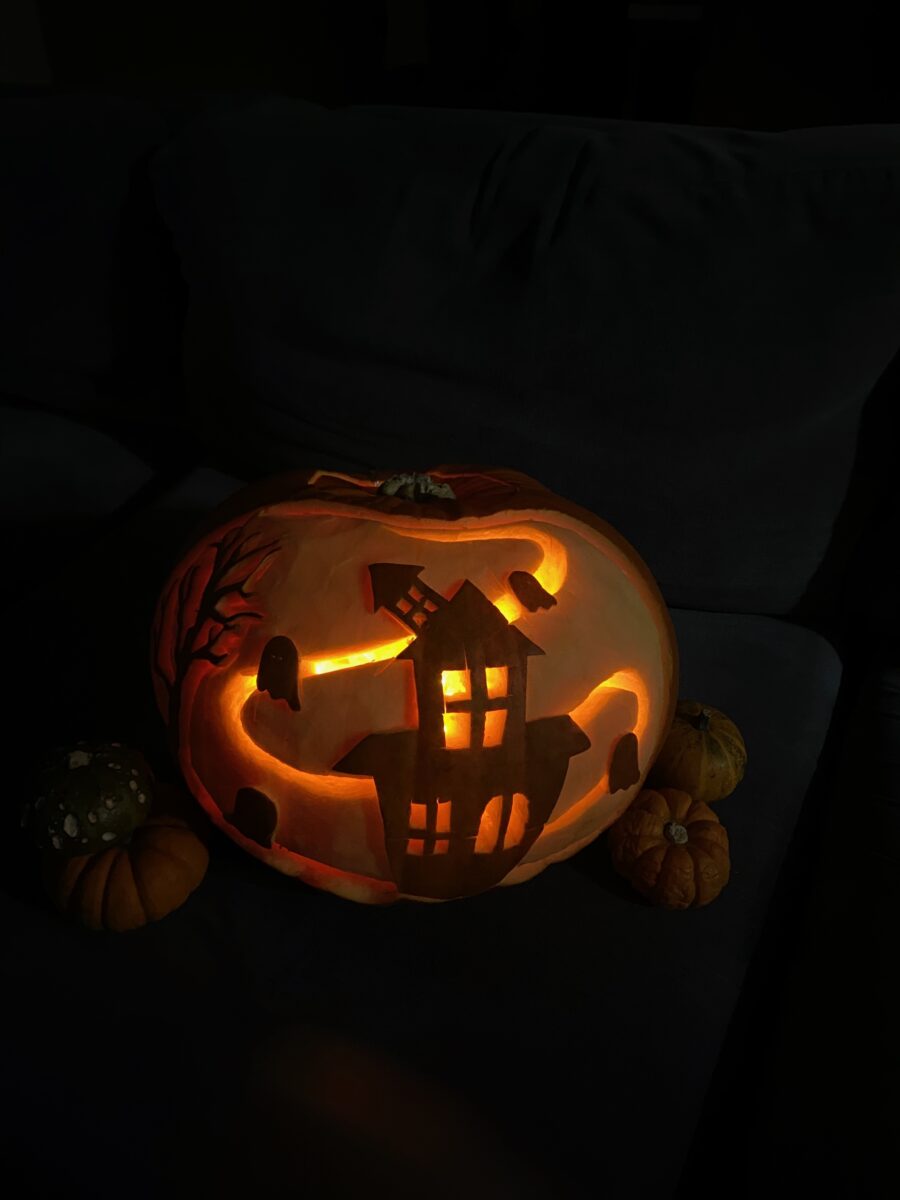
The spooky season is upon us once more. Out come the decorations, the costumes, the sweets, and let’s not forget the fruit of the season: pumpkins. Many households in the UK will have at least one carved pumpkin sitting proudly in their windows, on their front lawns or decorating their doorstep, warding off “evil spirits”. 

While Halloween is a night of tricks and treats, it is also a nightmare for food waste.

Every year 10 million pumpkins are grown in the UK, 95% of which are used at Halloween. Around 2 million discarded pumpkins end up in general household bins rather than food compost bins (1). In the UK alone, a staggering 18,000 tonnes of uneaten pumpkins are discarded each year (2).

When sent to landfill, pumpkins and other organic materials decompose and produce methane gas, a potent greenhouse gas that is 20 times more effective (3) at trapping heat in the atmosphere than carbon dioxide. Reducing food waste can play a crucial role in mitigating these effects.

To combat this issue various councils across the UK, such as Warwickshire County Council (4), have provided resources and tips on what to do with pumpkins and food waste in general. If you don’t have a council compost bin, you could also see if there are any local community composting programmes in your area.

Did you know that pumpkins and other organic matter can processed through anaerobic digestion to produce biogas, which can then be converted into renewable electricity, powering homes and transport?

Check out Alice’s blog below for some delicious ways to use pumpkins in your kitchen!

By adopting these practices and raising awareness about the issue, we can significantly reduce the amount of edible food that is thrown away and make a positive impact on our planet. Embracing a more sustainable approach to our pumpkin consumption not only helps minimise waste but also enriches our culinary experiences, allowing us to enjoy the season while caring for our environment. Let’s make this Halloween not just a time for celebration but also an opportunity to make a difference!

  1. BBC News – Pumpkin farmer carves out plan for Halloween waste
  2. The Guardian – Over half UK’s 24m Halloween pumpkins destined for food waste
  3. World Economic Forum – Are Halloween pumpkins a problem for the planet?
  4. Warwickshire County Council – Warwickshire residents are encouraged to take a green approach to their pumpkin celebrations

From Lanterns to Leftovers: Delicious Ways to Stop 22 Million Pumpkins Going to Waste This Halloween

By Anna Price

Since the 1800s, pumpkins have been the gourd of choice when it comes to lantern carving (1), but the waste this produces is both an environmental hazard and economic absurdity, translating to £32.6 million of wasted money. When you consider the rising cost of living and food banks being utilised more than ever before – this simply doesn’t make sense (2). So this Halloween, instead of ditching your pumpkin after carving, why not try out some of the recipes listed below to make the most of the seasonal harvest!

Pumpkin Puree:

Making a puree is a great place to start when it comes to using up your pumpkin. This can be used for cakes, cookies, pies, pasta sauces and more! Simply roast your pumpkin, once cool, remove the skins and blend! 

Classic Pumpkin Soup:

Pumpkin soup is an easy, cosy and delicious way to use up the pumpkin flesh and the scraped out insides which are often thrown away. This BBC Good Food recipe takes less than an hour and is the perfect for blending in pumpkin pieces which might otherwise have ended up in the bin. Other veg in the fridge could also be added such as celery or carrots, especially if it needs using up! 

Ingredients:

  • 2 tbsp olive oil
  • 1kg pumpkin
  • 2 brown onions 
  • 700 ml vegetable stock
  • 150ml (or I would recommend a bit less than this) double cream (or soy/oat/coconut alternative)

Pumpkin Cupcakes:

I was a bit nervous to try these out but they were actually delicious, if you’re into carrot cake, I’d definitely recommend trying out this seasonal twist!

Ingredients : 

  • 175g self raising flour (or mix plain flour and baking powder if you don’t have any!)
  • 175g light brown sugar
  • 1 tsp mixed spice 
  • 1 tsp bicarbonate of soda
  • ¼ tsp salt
  • Zest of ½ an orange
  • 2 large eggs 
  • 100g unsalted butter
  • 1 tbsp fresh orange juice 
  • 100g sultanas/chopped nuts 
  • 250g pumpkin (grated or pureed)

For a cream cheese frosting:

  • 100g unsalted butter
  • 300g icing sugar
  • 2-3 tbsp milk/double cream 
  • 150g cream cheese

Vegan pumpkin cupcake recipe can be found here.

Pumpkin Pie:

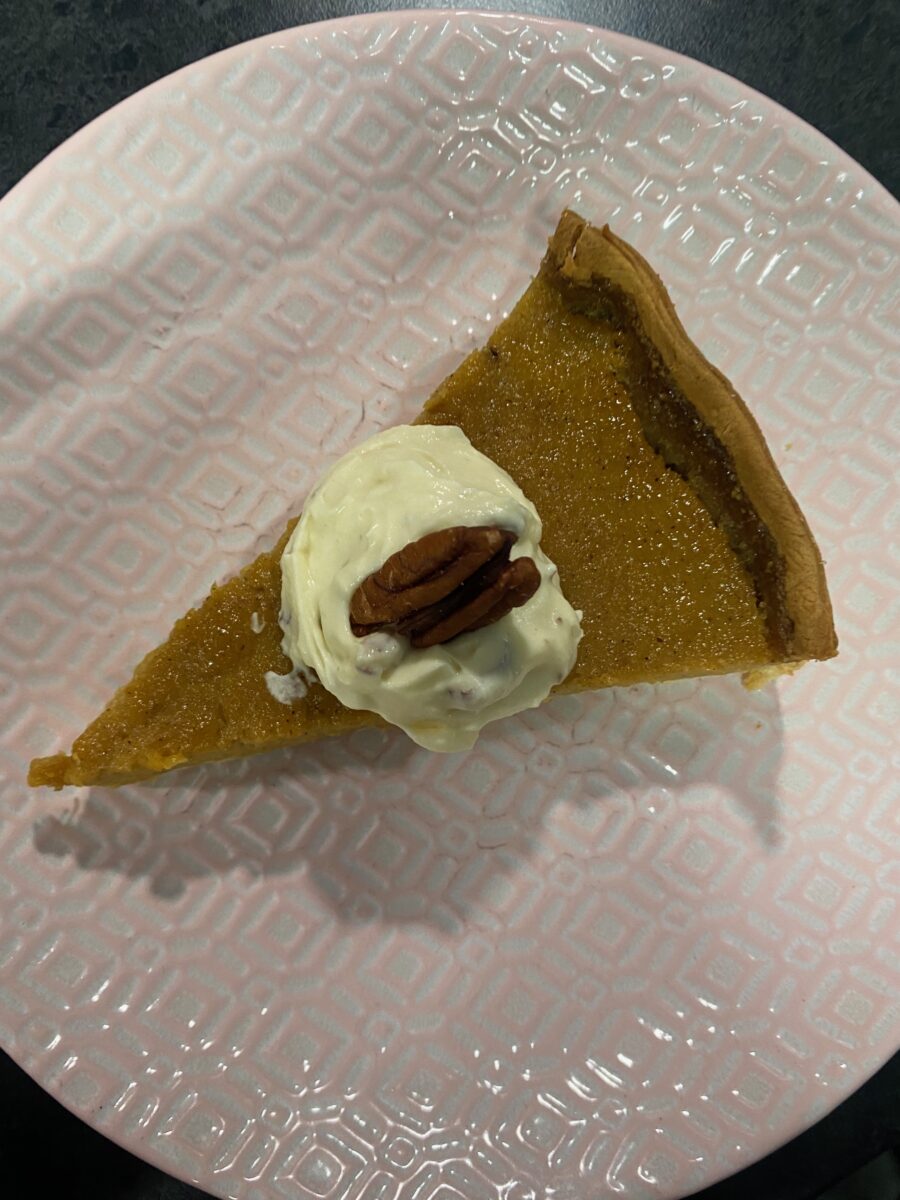
A popular fall favourite in the US, pumpkin pie is another great way to use up your lantern leftovers! This recipe comes with the addition of a maple and pecan cream which definitely did not disappoint… 

Ingredients:

  • 550g pumpkin (I used the puree I made earlier) 
  • 500g shortcrust pastry
  • 175g light muscovado sugar (light brown sugar worked just fine for me!)
  • 2 eggs
  • 140ml double cream 
  • 1 tsp cinnamon 
  • 1 tsp allspice
  • 1 tsp ginger 
  • A sprinkle/grating of nutmeg

For the cream:

  • 140ml double cream
  • 5 tbsp maple syrup
  • 25g pecans 

A vegan pumpkin pie recipe that comes HIGHLY recommended can also be found here.

Pumpkin seeds:

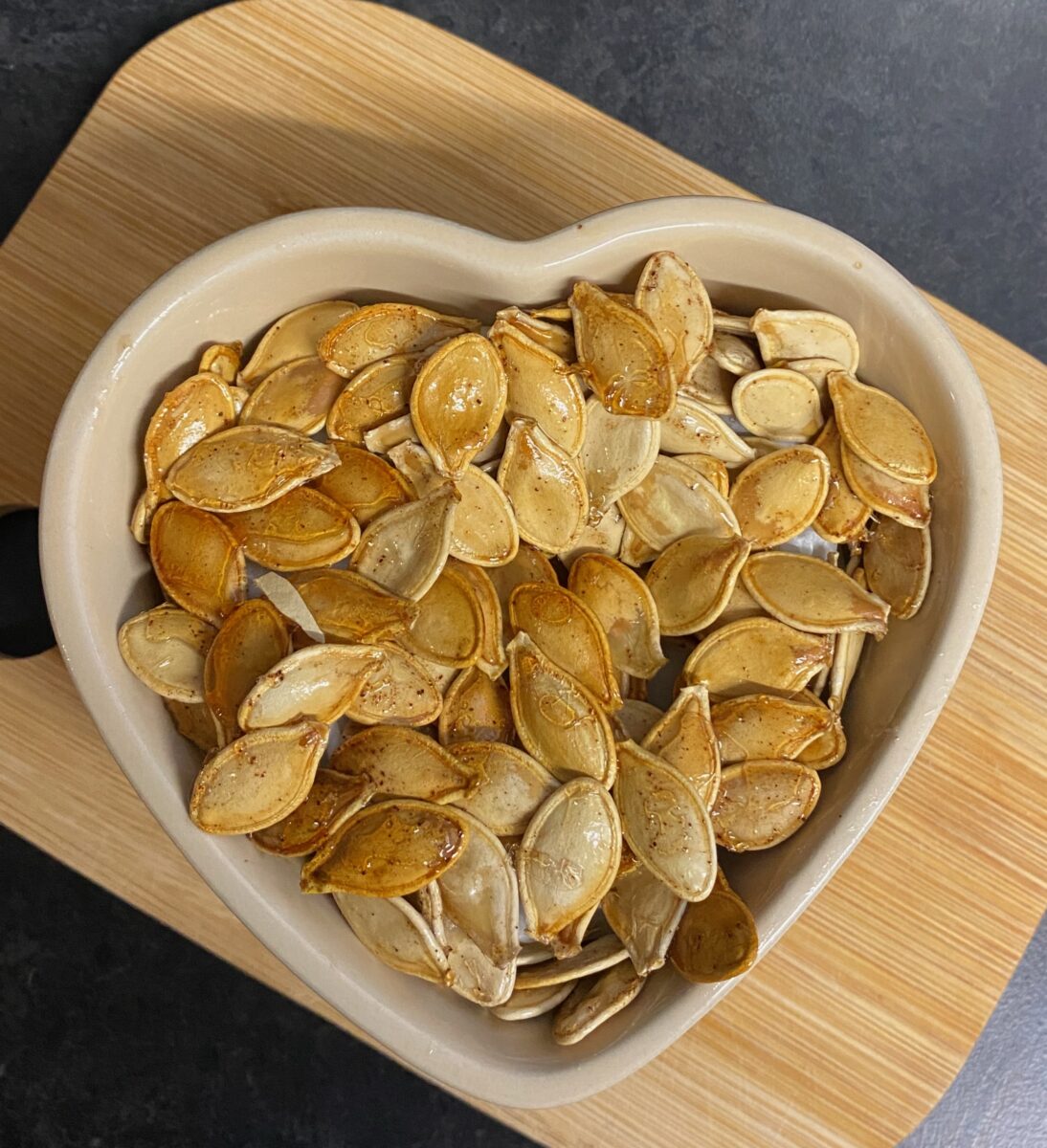
Pumpkin seeds can be roasted in their shell for about 10 minutes to make a crunchy snack. I saw recommendations for adding spices such as harissa, curry powder and paprika. I tried adding some honey, cinnamon and salt to make a sweet and salty snack. If you don’t fancy the crunch, the shells were also much easier to break off after roasting, revealing the seeds which could be used to top soups, porridge, granola or in a homemade bird feed!

Tricks For an Environmentally Friendly Halloween:

  • Decorating your pumpkin rather than carving it helps keep your pumpkin fresher for longer until you’re ready to cut and cook it, helping reduce waste and creating a safer, seasonal activity for younger people!
  • Beware of the dangers of leaving your pumpkin out in woods and parks! Contrary to recent claims that this is beneficial for local wildlife, pumpkins can actually make animals including hedgehogs, foxes and birds really sick! Read more about this on the Forestry England website
  • If it’s past its best, add pumpkin to your compost instead! This can be a great source of nitrogen and water to use on your garden when planting next spring. Community gardens, zoos and farms may be happy to take your pumpkin off your hands if you don’t have a compost bin!
  1. Food 52 – The 200-Year-Old History Behind Why We Carve Pumpkins
  2. Sustainable Food Trust – The problem with pumpkins: Reducing food waste at Halloween

Head back to our blog to see explore more Halloween articles.

Why Protecting UK Ancient Woodlands Matters: Threats, Conservation, and How You Can Help

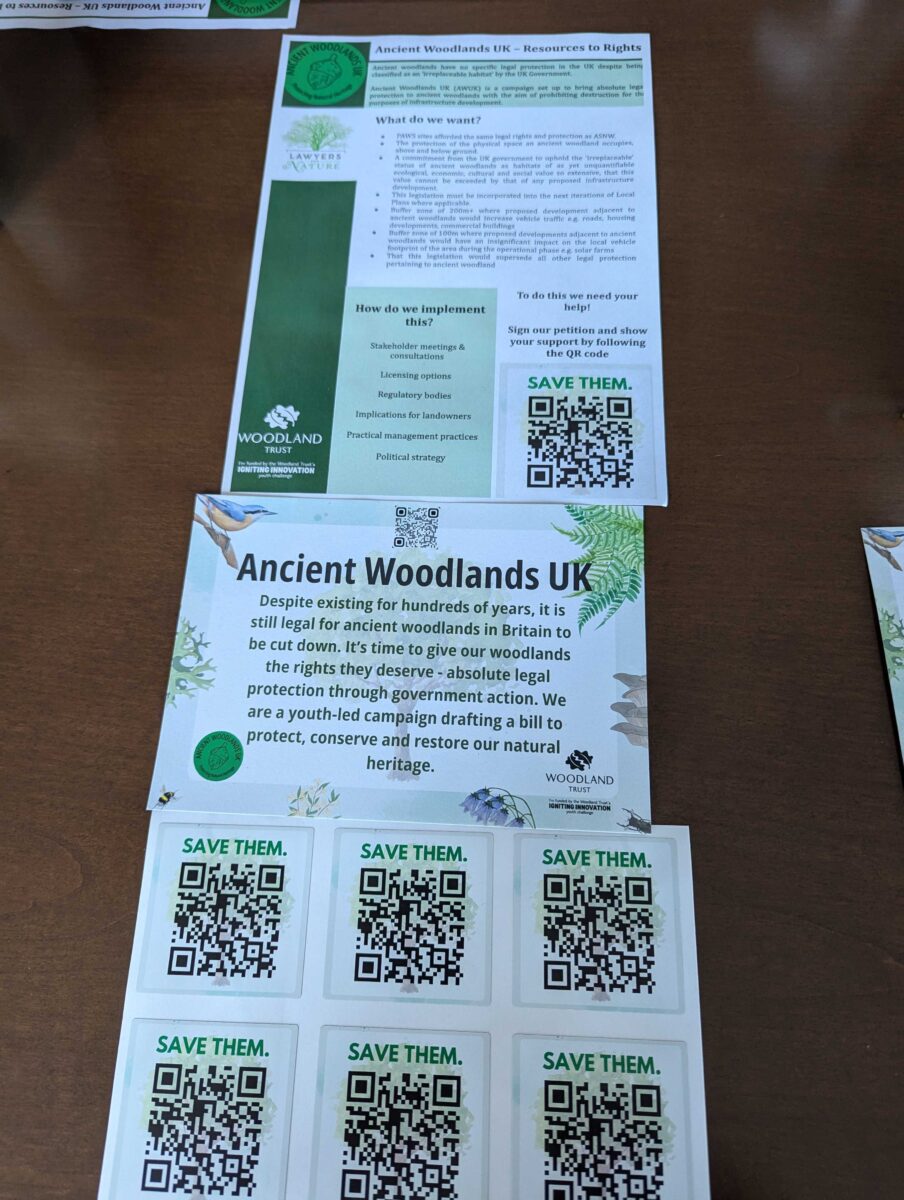
Frankie and Emily, both UK Youth for Nature volunteers, are passionate about the conservation of ancient woodlands. In this blog, Frankie discusses her attendance at an ancient woodlands event, and Emily, who is also an Ancient Woodlands UK volunteer, goes into more detail about what threatens ancient woodlands, why they need protecting and how you can help. We hope you enjoy this exploration of one of the UK’s most precious and endangered ecosystems.

Ancient Woodlands event

By Francesca Reed-Cutting

I recently had the privilege of attending a stakeholder workshop in London with Ancient Woodlands UK (AWUK), representing the voice of UKY4N.

AWUK did a fantastic job bringing together a variety of stakeholders, including academics, government agencies (Forestry England), charities (Woodland Trust), lawyers (Lawyers for Nature) and more, to explore:

  1. How and why is it still legal to destroy ancient woodlands, despite them being classified as an “irreplaceable habitat” by the UK government?
  2. How can we bring absolute legal protection to ancient woodland, with the aim of prohibiting destruction for the purposes of infrastructure development?

AWUK set the tone for the day’s discussions with their moving documentary, ‘Saving Oaken Wood’. This detailed the planned expansion of a quarry in Maidstone that would lead to the destruction of ancient woodland cherished by the local community. 

To ensure all stakeholders felt confident in addressing the two key questions, AWUK provided a concise run through of the current legislative landscape and the key threats facing ancient woodland. My key takeaway was that vague wording in law and policy allows Ancient Woodlands to be lawfully destroyed under “wholly exceptional circumstances” or “where public value outweighs the harm”. But who determines these circumstances? When ancient forests are critical for combating climate change, storing almost double the carbon compared with new growth forests, how does the law justify that there could ever be ‘public value’ in their continued destruction? And how does one measure ‘public value’?

The roundtable discussion aimed to debate these questions and direct Ancient Woodlands UK to relevant resources and case studies that could guide how the UK’s loopholes could be challenged and overcome. 

Ancient woodlands – what they are and why they must be protected

By Emily Napier

Ancient Woodlands are sacred habitats that not only house thousands of different species but have also grown and adapted to native species over hundreds of years. They are also cultural and socially significant, holding history, heritage and archeology within.

Our remaining ancient woodlands only cover 2.5% of the UK, making them incredibly rare.

Shockingly, ancient woodlands don’t have automatic rights of protection in the UK, making them unprotected from destruction. This oversight was dramatically highlighted in 2020 when the phase 1 section of the HS2 route from London to Birmingham destroyed ancient woods and veteran trees, with 55 ancient woods impacted. 

What are ancient woodlands?

When I first started to look into ancient woodlands I was trying to understand how to differentiate them from other woodlands or areas with trees. The key criterion they all share is their continuous existence since the 1600s in England, Wales, and Northern Ireland, and since 1750 in Scotland.

Ancient woodlands are extremely unique, in that “they are relatively undisturbed by human development. As a result, they are unique and complex communities of plants, fungi, lichens, insects and other microorganisms.” Species found in these areas are often uncommon or absent in recently planted woodlands.

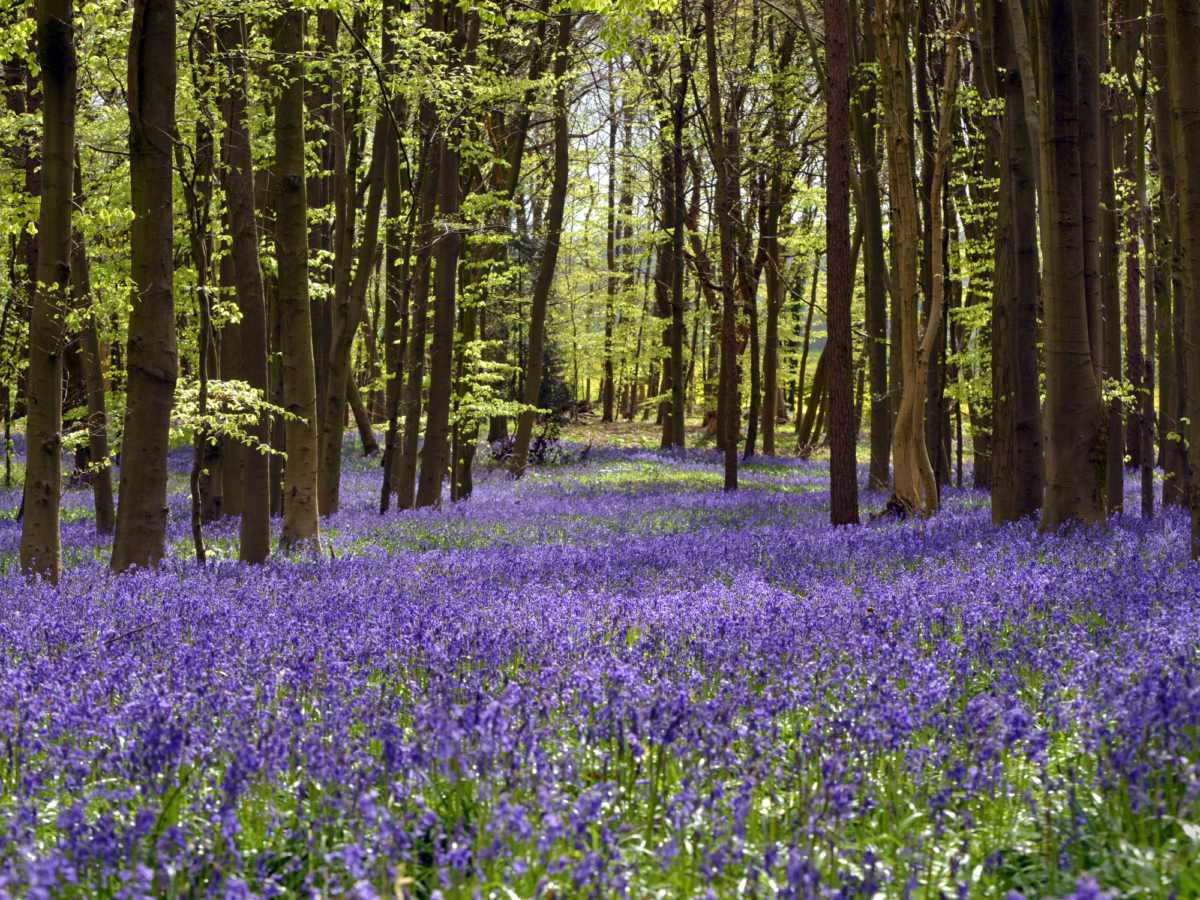
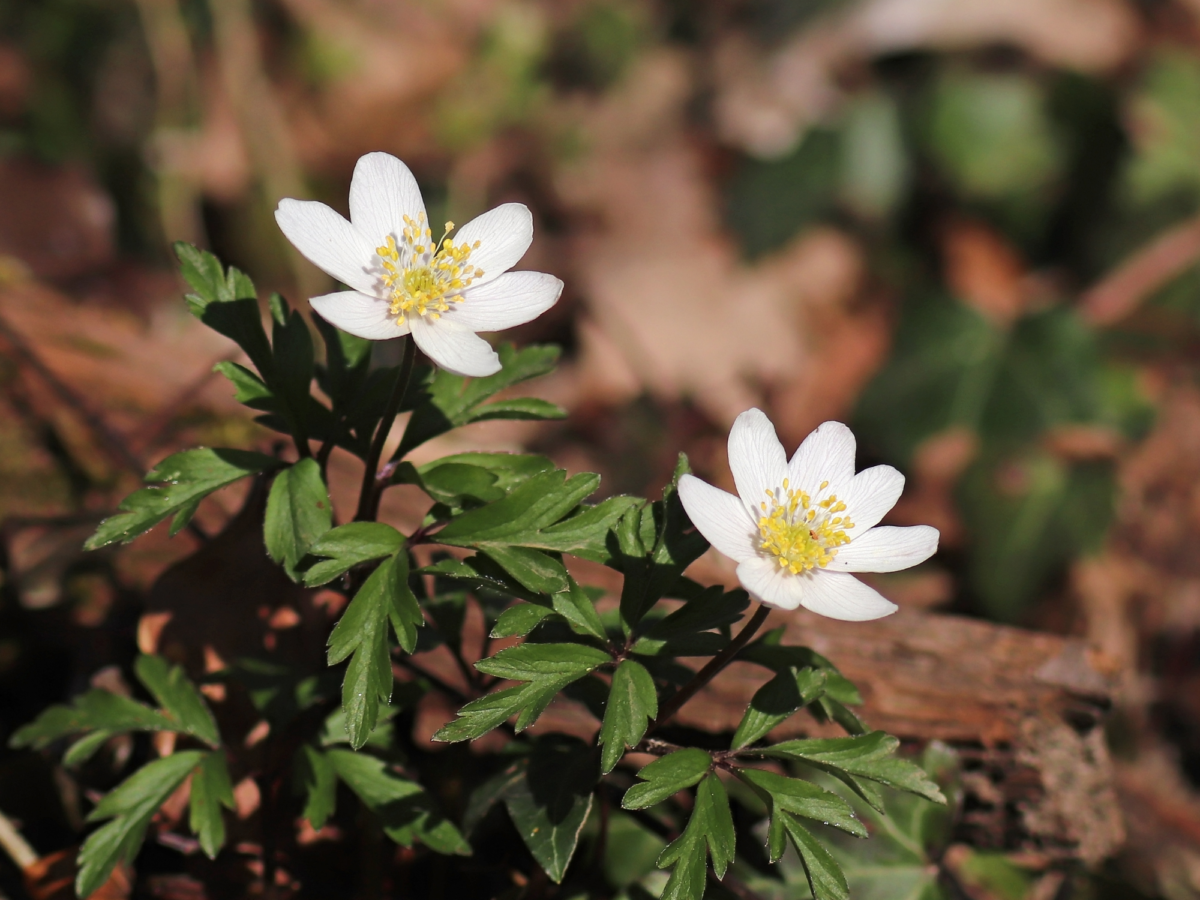
The most recognisable ancient woodland species are the vascular plants that grow in the understory. Plants that are often seen include bluebells and wood anemones, as well as rarer species such as yellow archangel and lily-of-the-valley. I have shared some images below to show you the amazing species that exist and so that you can identify an ancient woodland.

Ancient woodlands can be classified into different categories:

  • Ancient semi-natural woods: woods that have developed naturally. Most have been used by humans – often managed for timber and other industries over the centuries. They have had woodland cover for over 400 years.
  • Plantations on ancient woodland sites: ancient woods that have been felled and replanted with non-native species. Although damaged, they all still have the complex soil of ancient woodland, retaining soil communities and networks that secondary woodland creation does not have.

Why are ancient woodlands important?

Ancient woodlands are important numerous economic, social, environmental and cultural reasons.

Ancient woodlands have been mostly undisturbed, so they are home to rare and threatened species of plants, fungi, insects, and other microorganisms. Ancient woodlands are a unique and valuable part of our environment; many plant and animal species found here cannot be found elsewhere. The presence of certain species of plants, insects, lichens, and molluscs can indicate that a site has been continuously wooded for a long period of time as they are only present in undisturbed habitat.

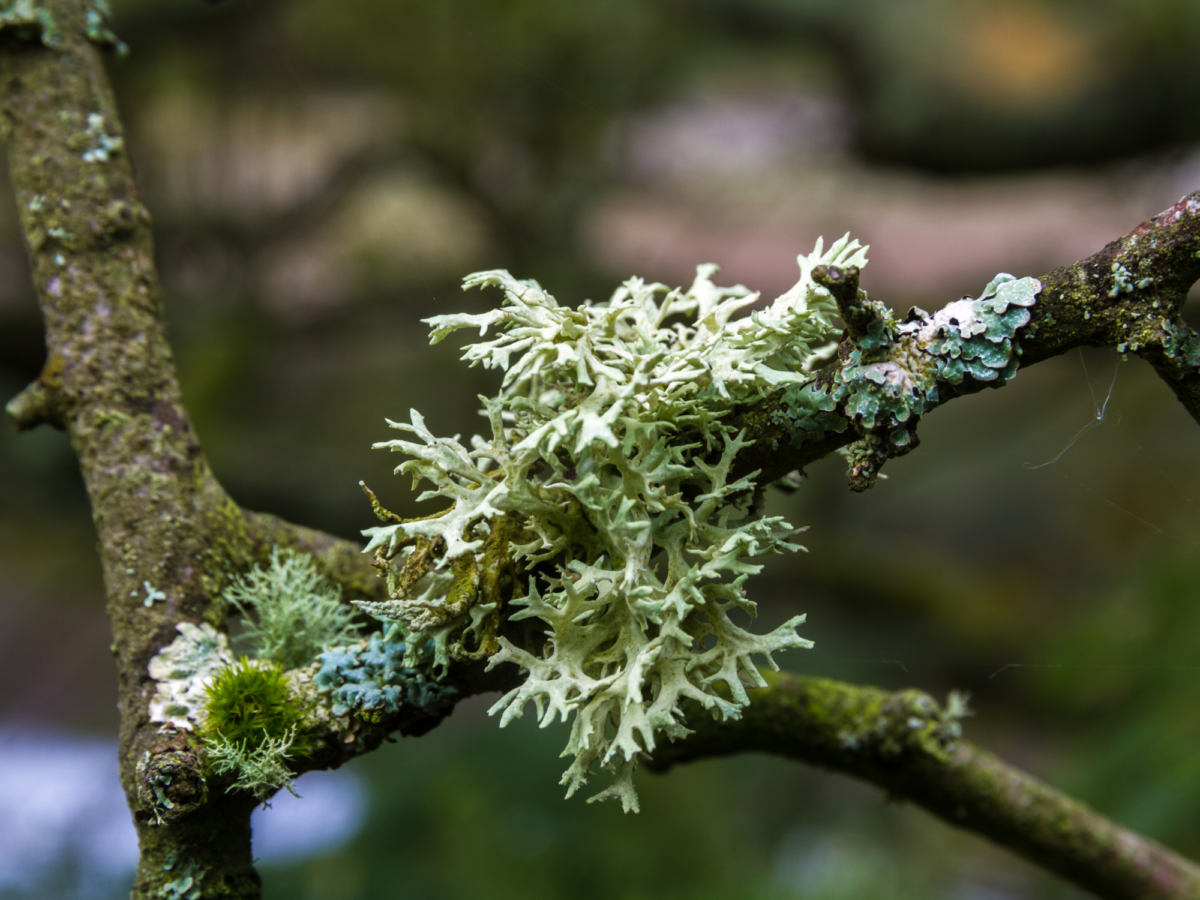
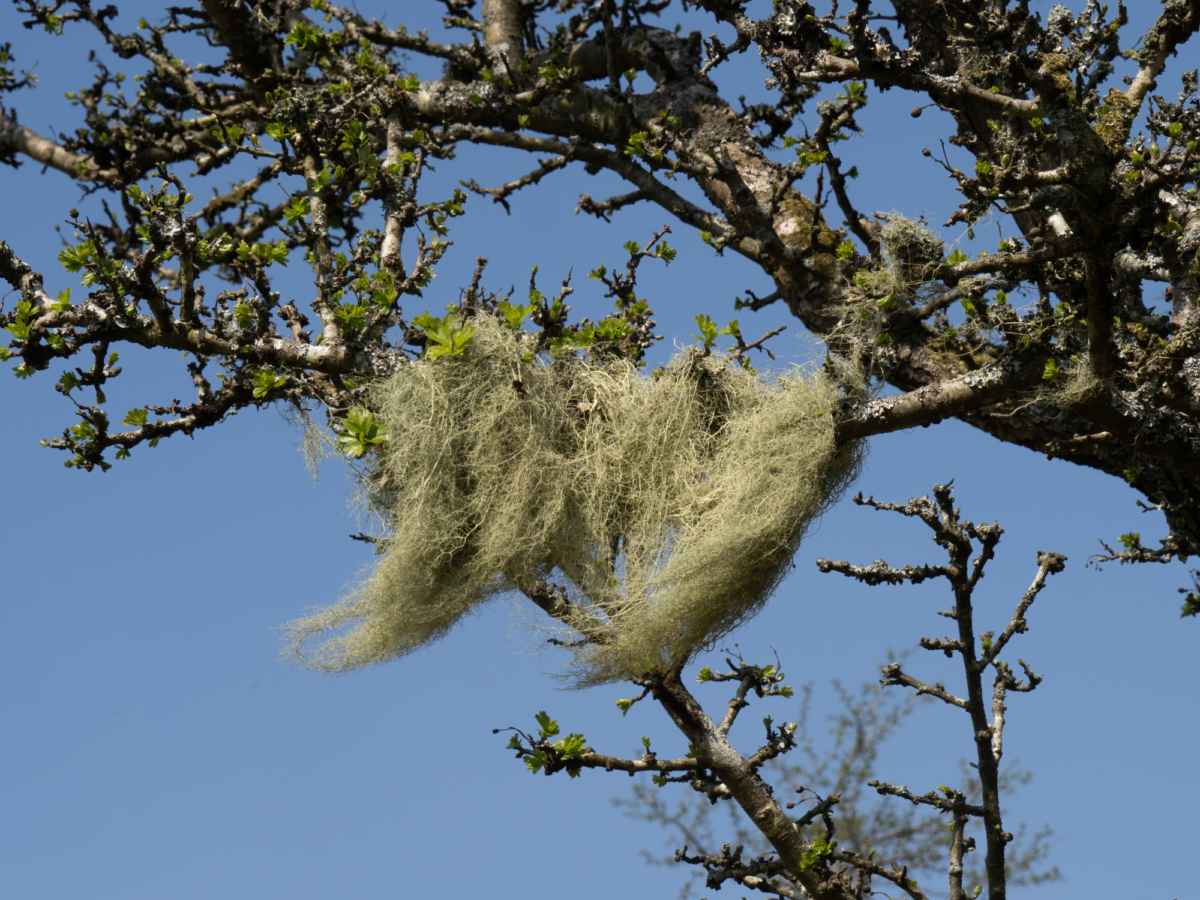
Ancient woodlands are home to an abundance of lichen species. These strange organisms are neither plant or animal, and are completely unique. While most people may think lichens are a type of moss, they are actually a combination of an algae and a fungus. They serve as a food source and habitat for many animals such as deer, birds, and rodents, provide nesting materials for birds, and protect trees and rocks from rain, wind, and snow. They also absorb carbon dioxide from the atmosphere, and therefore play a key role in climate change mitigation.

When I went on walks with my family as a child I would always see these things on trees and never understood what they were. Now I know that they are and am aware if their their importance for the environment and ancient woodland ecosystems, I want to share my knowledge so other people are aware of how amazing they are!

Threats to ancient woodlands

There are many threats to ancient woodlands and our current legislation does not provide enough protection to prevent them from being harmed or destroyed. Other areas have much higher levels of protection, such as the Scheduled Ancient Monument status, which important archaeological sites have.

There are many reasons why ancient woodlands are disappearing from the UK, including

  • Large scale infrastructure projects
  • Land management
  • Invasive species and disease
  • Poor management and grazing
  • Climate change

All of these factors mean that we are at risk of losing even more of our ancient woodlands and, subsequently, the species that rely on them.

Ways you can help

Joining Ancient Woodlands UK as a volunteer has given me the opportunity to support the fight to protect these precious ecosystems. This campaign was set up to bring absolute legal protection to ancient woodlands, and prohibit destruction for infrastructure development. It was originally funded by the Ignite Innovation Fund from the Woodland Trust.

The campaign is youth-led, and our main focus is to raise the profile of ancient woodlands using social media. We want to continue to educate and spread awareness to as many people as possible, building to get other people involved – you can follow us on Instagram, Facebook or TikTok. The account is full of ancient woodland appreciation posts, so you can learn how to recognise them for yourself!

We are working with Lawyers for Nature on new policy and legislation asks, and are looking for funding and ambassadors. If you can support the campaign in any way, please get in touch via social media or our website. We’ve also got a live petition calling for the government to give ancient woodlands absolute protection, which will prevent any further destruction. Please sign it to support our mission!

Other ways to help

  • If you have a local woodland that is under threat, contact the Woodland Trust for support and advice.
  • Share your newfound knowledge about ancient woodlands and the threats they are under in the UK
  • Educate yourself on invasive species and volunteer for groups assisting in their removal

If you’ve enjoyed this blog, check out the other articles that have been contributed by members of our 16-35 year old community.

Your Wild Streets: Reducing and phasing out of pesticide use in Bristol and beyond!

by Ione Howells

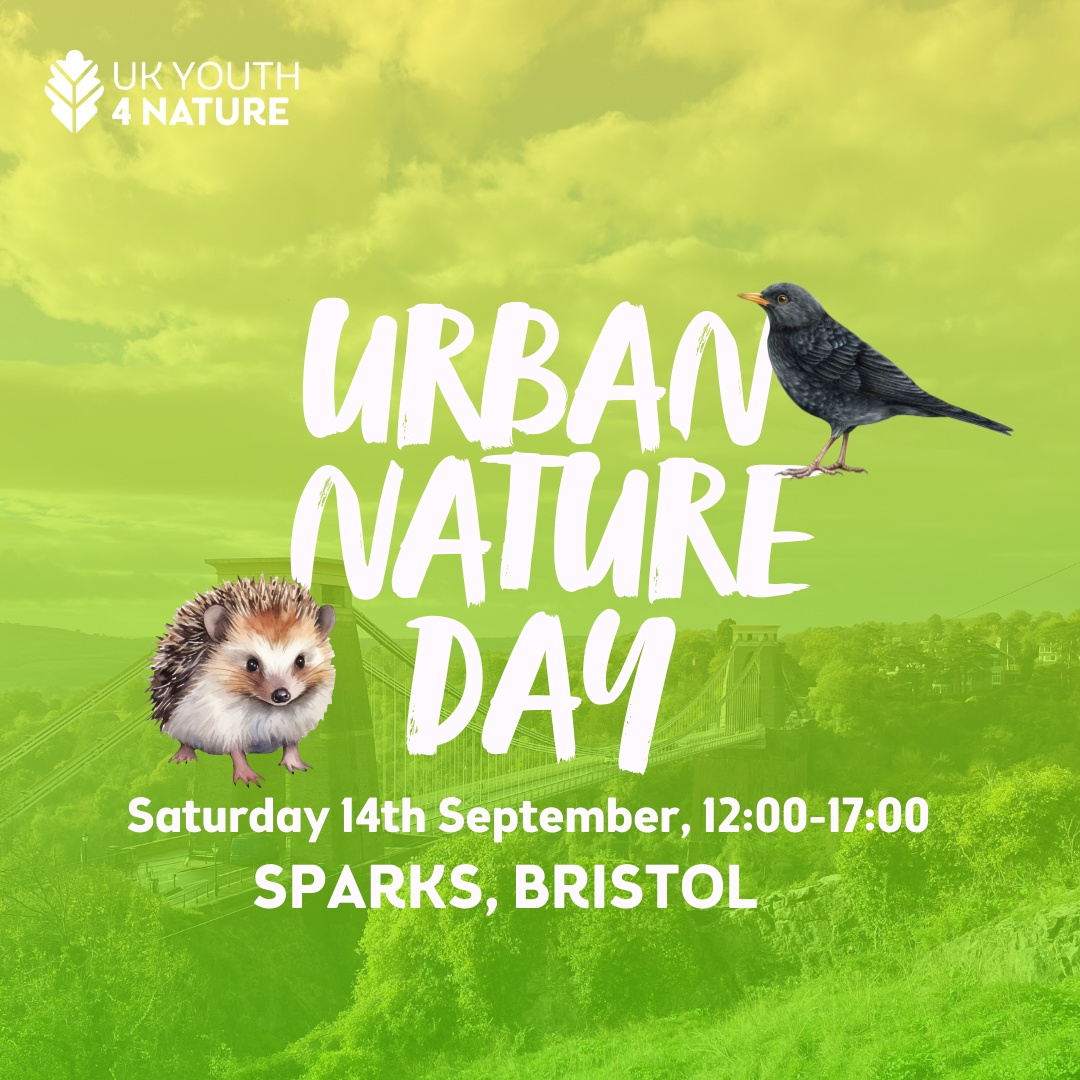
At UKY4N, we’re passionate about nature everywhere, not just in our wild spaces. As part of the Urban Nature Day in Bristol and our ‘Your Wild Streets’ campaign, we’re working with Pesticide Action Network UK (PAN UK) and the Pesticide Safe Bristol Alliance (PSBA) to call for a reduction and phase out of pesticide use in Bristol and other urban spaces.

Earlier this year, UKY4N attended the launch of the Pesticide Collaboration’s brand new campaign for reducing pesticide use in urban spaces through a new government bill that would commit councils to a phase-out of pesticides in our urban areas – our streets, parks, playgrounds, and other green spaces. But change on a local level can have a huge impact too.

Why is this important?

Pesticides can take many forms – herbicides, insecticides, fungicides – but are increasingly being associated with ill health. Pesticide use in urban areas makes up ~10% of the UK’s total usage, but is the second most common route of exposure (after food). That’s important – many pesticides harm our health, causing irritation and illness, or are ‘possible carcinogens’. We also don’t know what impact these can have long-term, or in combination with each other.

Of course, there’s a huge harm to nature too! Urban insects and wildflowers – and those above them in the food chain, like hedgehogs – are killed or significantly harmed by pesticide use, and runoff from spraying can pollute our waterways and harm aquatic life too. We care about nature and want to integrate it into our cities, and we know that this can have huge benefits to our mental and physical health.

By reducing pesticide use and using alternative methods, we can create wilder streets that benefit plants, non-human animals and us in so many ways, and help us reach the climate and nature goals we need to save our planet.

What’s this got to do with Bristol?

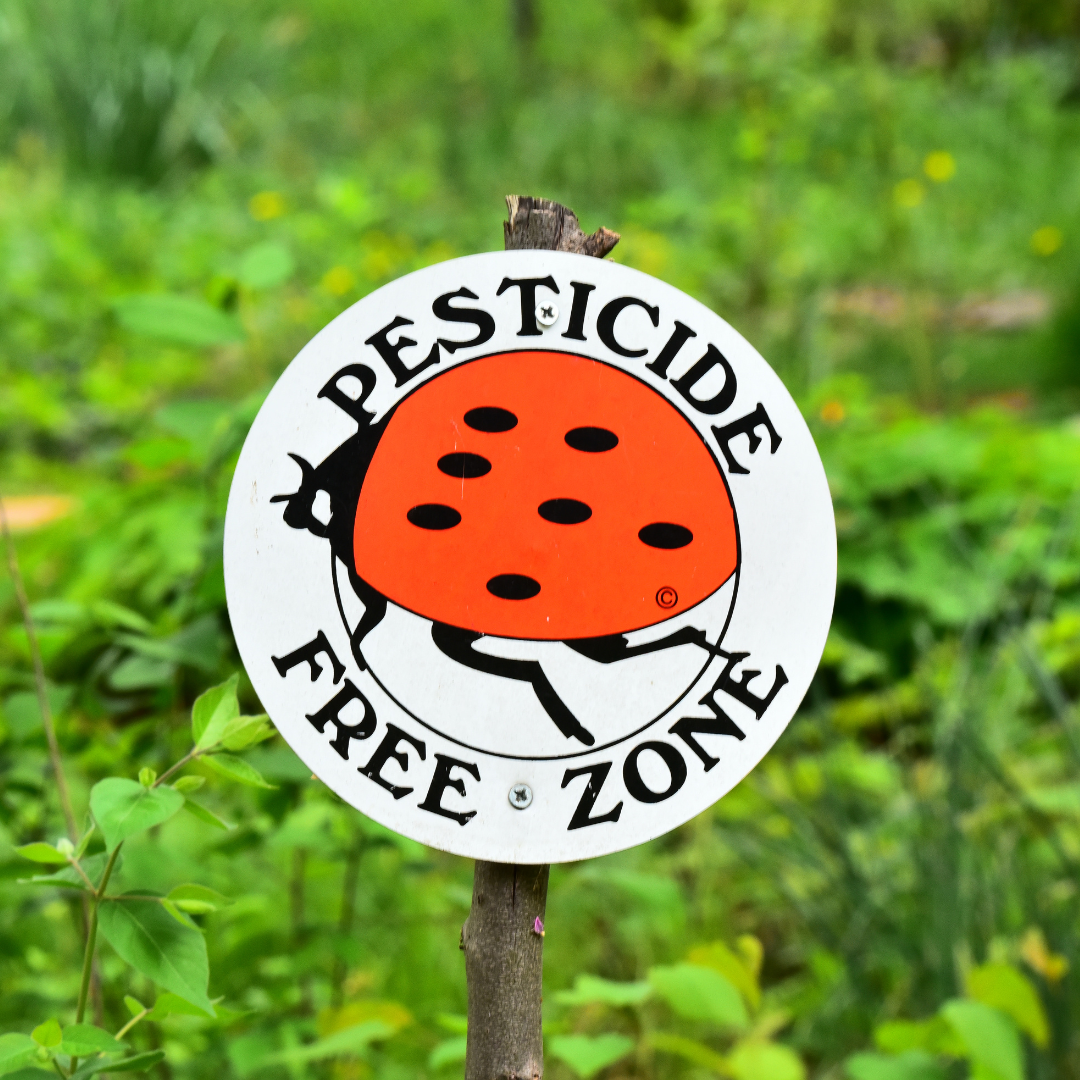
Bristol was named the most eco-friendly city in England this year – but pesticides are still used across the city. In Bristol, local organisation PSBA have been working for almost 10 years and have received a number of concessions from the council, including a pledge to reduce glyphosate use by 50% by 2030 and an establishment of local ‘Pesticide-Free Zones’. However, there’s not been very much real movement – only an 18% reduction. The Bristol One City climate plan calls for ‘sustainable restoration and enhancement of wildlife population and habitats in Bristol’ by 2030 – phasing out pesticides could be a great first step in helping our urban wildlife.

Pesticide Action Network have also been working across the UK – 49 towns are ‘Pesticide Free Towns’ (PFT), including local towns Glastonbury, Trowbridge, Warminster, and Frome. Bath is also linked to PFT, having banned the use of glyphosate. These local steps show that pesticide reduction or phase out can be successful in Bristol!

What are the next steps?

During our Urban Nature Day on 14th September, we’re hoping to invite a number of key local decision makers, to show them that young people care about urban nature and their health, and want harmful pesticides used less in their towns.

 Alongside encouraging letters to local MPs and councillors, we (as always!) want to integrate a creative aspect too. As well as creating a pesticide-free ‘streetscape’ on the day, we want to link this to the wider Your Wild Streets campaign – encouraging young people to go explore and capture the nature around them, whether that be through photography, writing, painting… the possibilities are endless!

If you do go exploring, share your photos with us on Instagram @UKYouth4Nature – we’d love to see them!

Stay up to date with everything we’re working on by subscribing to our newsletter!

Learn more about our campaigns here

Community member spotlight – Kirsty Lloyd (they/she)

Who are you?

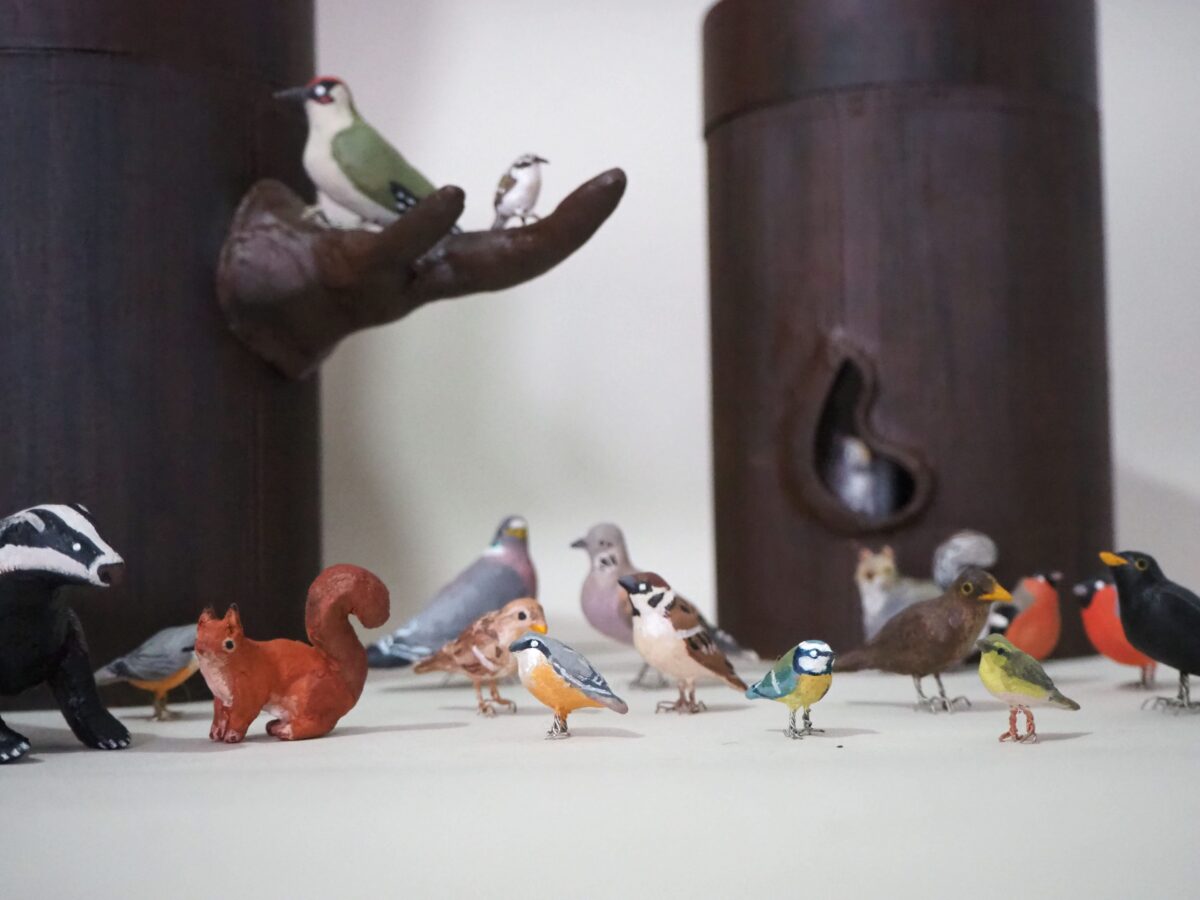
I’ll try to sum myself up as best I can! You might find me most places under the name Merløreli. I’m an illustrator/ creator currently based in Newark, Nottinghamshire. My work is centered around UK wildlife species whether that be drawing, painting or making clay creatures for my Etsy store or markets I appear at. I sometimes will run fun illustration workshops, the last one I did was on Fungi! Generally, if you get talking to me about anything nature related I probably won’t stop, but hopefully my enthusiasm infects you and you go away with a new fact or take something I’ve said as interesting.

What got you started on your creative nature journey ?

It didn’t feel like there was much of an emphasis on nature where I grew up – a tiny village in the West Midlands. My parents tried to take us into green spaces as much as they could, as they got busier with work and as we became older, this became less. But, during the holidays, we would make our great escape. Dad would take most of his holiday time and book a campsite which we’d toddle along in our trailer tent. Northumberland was a highlight whenever we visited but we’d always end up travelling back to North Norfolk, where the nature obsession started. I was always collecting rocks, shells, feathers from everywhere and drawing or reading when we had down time.

I don’t remember much as a child, mainly those holidays. I remember being woken up by my parents at 5am to go see a bird migration (don’t ask me which one) and being really excited but tired, my brother (not as impressed) shouting “but, WHY?!”. I loved, and still do, the array of habitats along that coastline. I remember watching one of Britain’s rarest and most beautiful butterflies along the reed beds of the Norfolk Broads – the swallowtail – that changed everything. These exquisite insects have been declining for decades, a terrifying 52% since 1970. Going back a few years later and seeing this decline in person affected me so much and still does to this day.

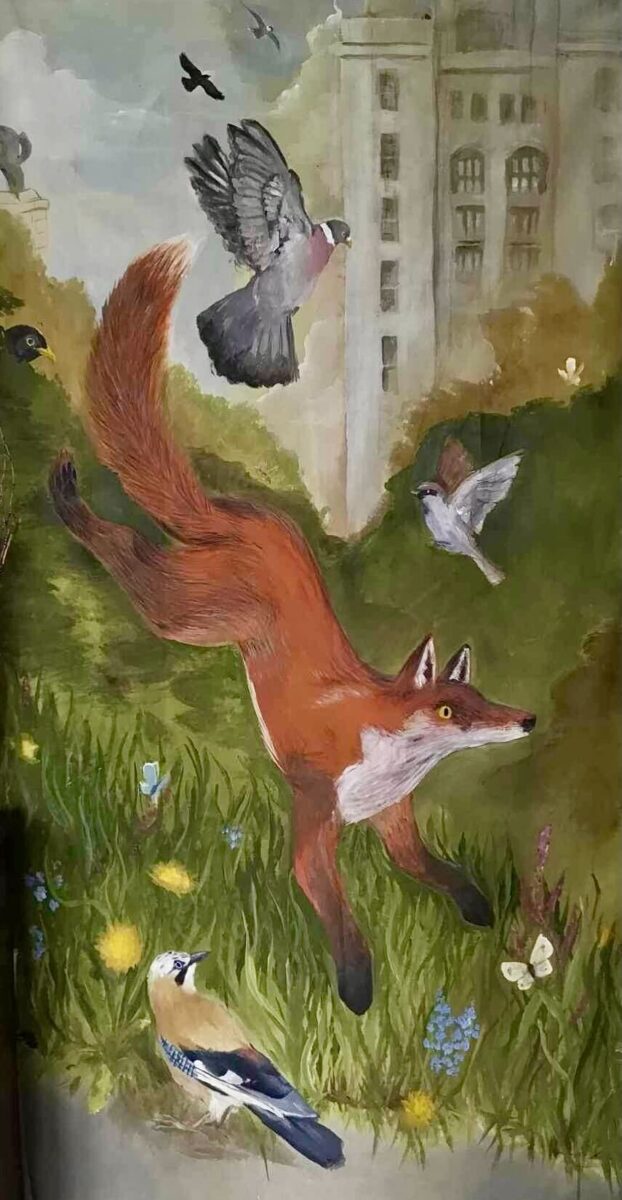
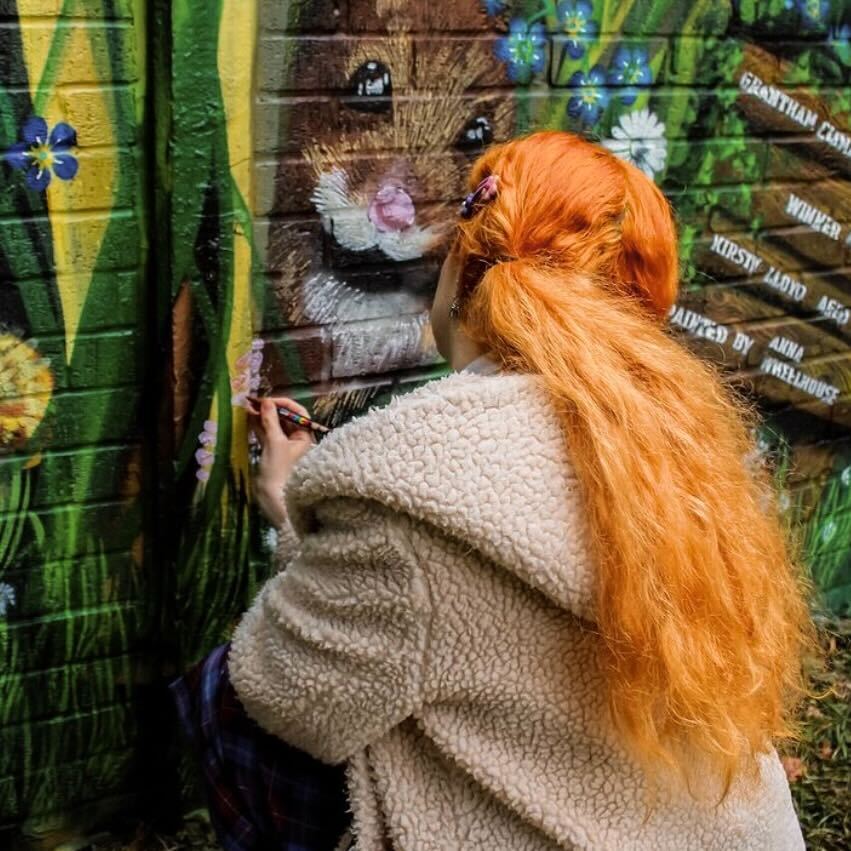
I’d always been scared to move away from home but at 21, I took a leap and went off to Nottingham Uni to do illustration, I wasn’t completely alone though which made it easier for me and was lucky to get a rented house with my partner, Ryan who had been studying the previous year at Trent. The original plan was to do character design but my growing eco-anxiety was pushing me into a different direction, a more nature-focused one. At the worst point my anxiety was debilitating, I remember being in bed spiralling for weeks. Ryan took me out to Wollaton to be out in nature, when I saw a poster to have an opportunity to design a mural at Wollaton Hall for Cop 26. I got picked and spent days with Anna putting it on the side of the 508 cafe in Wollaton grounds. That seems so long ago now…..

What got you involved in UKY4N?

It was that mural that linked me up with UK Youth for Nature, through their Natural Kingdom: Wild Walls campaign as I saw it displayed on the Octopus website. What followed was nearly a year of lurking. I loved seeing UKY4N’s social media posts and I thought the team looked AMAZING, but I was too nervous to reach out, I just didn’t feel qualified enough. Eventually I plucked up the courage to send an email about volunteering and after Ryan had checked it over for me, I sent it. Ellen got in touch straight away and we had a really lovely talk over Zoom about what it is like being part of the team. I signed up that day and have never looked back.

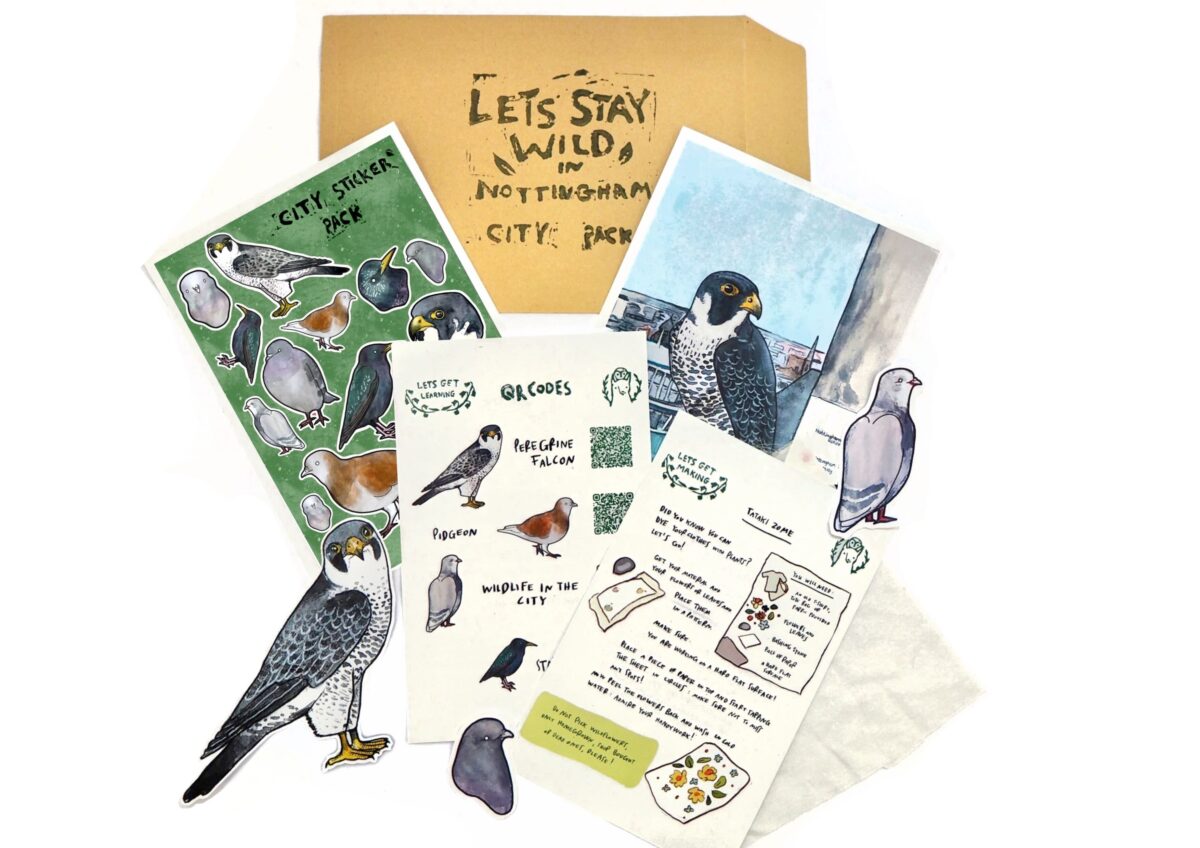
Since signing up I’ve done as much as I can to creatively support UKY4N’s campaigns, illustrating the recipe cards for the chemical cocktail bar last year, creating banners and wildlife stickers for our Liverpool Urban Nature Day. I’m an active member of our EDI action group and am currently working on a series of butterfly illustrations to show our support for the LQBTQIA community. I’ve even had the chance to use some of those character design skills to create some halloween social media content.

Why is EDI so important to you ?

Equality, diversity and inclusion in nature is an absolutely huge part in what I do. I am someone who is both disabled and a carer for another disabled person. There are so many issues that arise in this sector and the exclusion you can feel sometimes is overwhelming. Many times I don’t disclose that I walk with a stick because of the fear of refusal. I volunteer a lot because there is less judgement when you are not paid which is insane!

Growing up in a working class family you understand how much time goes into work and less into nature (why I always wanted a nature based job). It is so important to be able to get people involved even if they don’t have access to large green spaces or gardens. Getting people to notice things like the weeds on their walk to work, or the pigeons in the city, to the spiders that come into their warm houses in the winter is a first step into a nature filled world. Everyone should be able to access the information and get their interest started in nature at any age/ stage of life. Nature is meant for everyone it doesn’t judge, I have always called it my safe space and so many others do too! This is why it needs to be accessible for all.

How has being part of UKY4N changed you?

UK Youth for Nature has given me so much confidence, everyone is so supportive and I’ve definitely made friends for life. I’ve never been very good at face-to-face interactions, attending the urban nature day last year really helped my confidence. I’d always felt a bit like an outsider growing up, I couldn’t find people like me but UKY4N is full of people just like me, huge nature nerds. I feel really at home.

I never stop talking about UKY4N or the team telling everyone who asks probably way too much but I just get too excited talking about it. I couldn’t be prouder to be part of this amazing group. I’d encourage everyone to get involved! I would love our team to grow and include more people. I wish I had joined sooner!

Head to Kirsty’s website to see more of their amazing artwork – lots of it is for sale too!

Check out our blog to learn more about other UK Youth for Nature community members, and what we’ve all been getting up to!

UK freshwater news update – the good, the bad and the slurry

Watershed Pollution Map

Wondering what’s in your water? Now you can find out using the Watershed Pollution Map.

WATERSHED provides independent, not-for-profit, investigative journalism that shines a light on the water crisis in its many forms. Using in-depth, rigorous and evidence-based stories, they hold the powerful to account, uncover abuses, illuminate overlooked stories, and champion solutions.

Their newly released Map brings together multiple layers of data from a wide range of sources to reveal the huge number of pressures on rivers, lakes, groundwater and seas. The map contains more than 120 datasets, ranging from river health, bathing water health, to historic landfill sites, sewage dumping, intensive farming, heavy industry and a lot more. 

Access the map here to investigate the biggest pressures affecting your local area.

Earthwatch Bioblitz

Earthwatch Europe has just published the results of their “Great UK WaterBlitz”. Run as a biannual campaign, the Blitz calls on everyone to go out and test the quality of their local freshwater including rivers, streams and lakes to help build a national picture of water quality across the UK. Their most recent blitz saw thousands of people across the UK measuring their local water quality over a weekend in June, collecting over 1,300 datasets and qualifying as the UK’s largest citizen science water quality testing event. Their new report revealed:  

– 75% of rivers across the UK in poor ecological health, rising to over 89% in the Thames and Anglia regions

– Solway Tweed area in the northwest showed the best health with only 50% of data showing unacceptable levels of nutrient pollution

– Hertfordshire and Cambridgeshire had the worst water quality, whereas Gwent and Northumberland had the least nutrient pollution

Their next Blitz is due to take place in September, and you can sign up here.

The Rivers Trust Big River Watch

From 6th-12th September there’s another citizen science project you can get involved with – the Big River Watch. All you need is a smartphone and a waterway. You simply download the app and use it to make your observations, then submit them to help the Rivers Trust build a better picture of river health throughout the UK.

Forever Pesticides: PFAS contaminating our environment

A recently paper published explores the extent of PFAS contamination of pesticide products and their implications for human and environmental health in the US. The study found that PFAS chemicals are widely added to pesticides in increasing doses. This is increasing the health threat to humans and our environment through spreading these chemicals directly into the US’s food and water supply.  PFAS are added to a range of pesticides, including those on crops, to kill mosquitoes, or to kill fleas on our pets. 

To find out more you can take a look at the research here.

Water this, water that…

Why are we always banging on about freshwater? Because of our Not so Freshwater campaign! With news from the Environment Agency that our target date for cleaning up England’s waterways will be moved from 2027 to 2063, UK Youth for Nature are calling on government to act now for our freshwater ecosystems, for nature and for our future. If you’re concerned about PFAS or general river health, you can use the template on our campaign page to write to your new MP.

Gardening with nature: starting from scratch


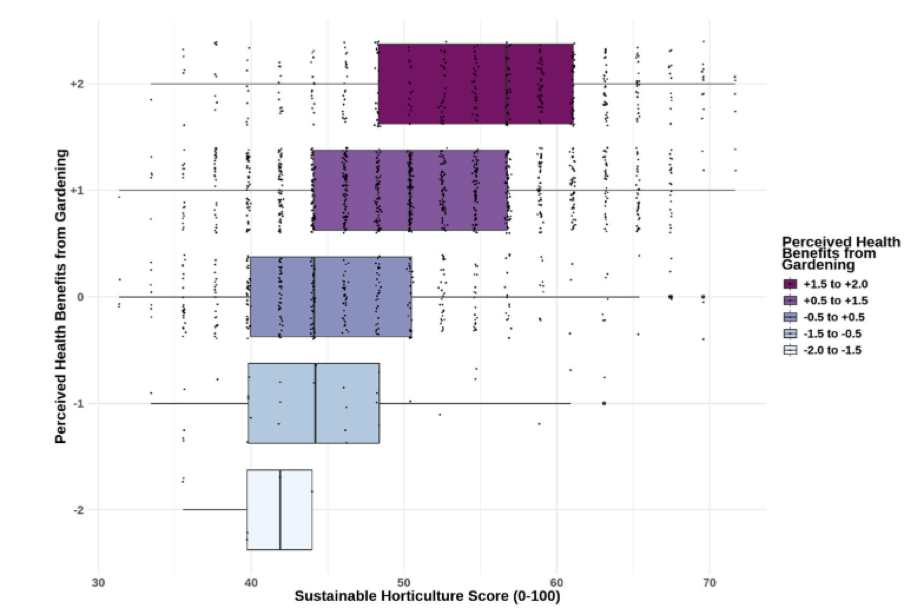
A new study published by researchers at the RHS (Royal Horticultural Society) suggests that gardeners who help wildlife and the environment gain a greater boost to wellbeing. Some of the nature-friendly approaches highlighted in the research included avoiding pesticides, providing areas for wildlife, using peat free products and hand weeding.

Chart showing that the more sustainable the gardening practice is, the greater the perceived health benefits from gardening are.

The diagram shows that the more sustainable the gardening practice is, the greater the perceived health benefits from gardening are.

As part of the study, they identified that 83% who gardened considered it both positive for overall health and wellbeing and found a greater connection with nature when you work, with rather than against it.

How, then, can you work with nature when you have a space void of it?

I live in Manchester in a third floor flat with a balcony. When I moved in, it stood out as a blank space, empty and barren. I set out on a mission to change it, take ownership, and create my own garden. Over the course of 9 months the space has been transformed.

First, I began with grasses, and overwintered onions and garlic. Once spring arrived, I sewed seeds of courgette, aubergine, peas, and beans. Now, after generous gifts from various relatives the garden is home to tomatoes, raspberries, strawberries, lavender, rosemary, and mint too. I’ve created a mini oasis in the sky; not only for myself and my housemates, but slowly but surely, for nature too.

three pots on the balcony a willow to the left, broad beans take the centre and with large leaves and white flowers, and a tomato plant with yellow flowers to the right.
A willow to the left, broad beans take the centre and with large leaves and white flowers, and a tomato plant with yellow flowers to the right.

In a recent campaigns meeting with the UKY4N team there was discussion of the constant battle against the slugs and other garden critters who munch on your produce before you’ve even realised its grown! I sat there thinking whether I had ever seen a slug in my garden.

‘A mini oasis in the sky’

In relation to the RHS research, I am coming from an alternative perspective to many of my fellow garden-goers. I hope to work with nature and create a space for nature, in a place where it is difficult for nature to grow by itself. Little by little, nature began to appear. I spotted cuckoo spit (the home of the nymph stage of froghoppers) and this was the first sign that the biodiversity of my garden was growing.

In more established pots, every time I see the odd worm or centipede, I celebrate a little, it means my garden is slowly developing and providing habitats and forming ecosystems. Even within the pots, I don’t weed, I let what wants to grow, grow. This is something the RHS research suggests as a good practice for pro-environmental gardening.

A small pot with a central purple leafed shrub surrounded by grasses and other so-called weeds.
A whole host of weeds growing alongside a royal purple shrub

I have even seen bumblebees buzzing around the broad bean flowers, and a ladybird on the mint.

Ladybird on mint plant

An unconventional approach

The way I have approached gardening is not necessarily conventional or fits within any box, but I still see the benefits to my wellbeing as it provides an opportunity for reflection and restoration regardless. I have grown the garden through alternative means, on a budget and as eco-friendly as possible. I used Freegle and Olio (free things apps) to find the grasses and ferns, skip dived for old buckets to use as pots (UKY4N do not condone skip diving!!), just using my hands instead of a trowel, and growing from seeds as this is generally cheaper.

The way I have grown the garden offers a different way of ‘doing’ gardening, highlighting you don’t need a big space, or lots of money to garden. If you are working with nature, any opportunity you provide, unorthodox or not, nature will grow.

A collection of pots on a balcony containing a range of grasses and ferns.

For more information, here is a summary of the research plus the open access article itself published in the Journal of Urban Forestry and Urban Gardening.

This is the second blog we’ve published which was inspired by this news article – read Christina’s blog here.

Gardening Pains: how accepting holey veg and working with nature brought peace to my garden
By Christina Owen

Summer 2021. It’s my first year gardening and my first time dealing with the heartache that comes from emerging on a sunny morning to find chewed up squash seedlings and munched on bedding plants. Suddenly, my mother’s visceral hatred of slugs and snails doesn’t just seem understandable but… relatable. They’re everywhere and they want my vegetables. The vegetables I sowed as seeds and worked very hard to grow! When I’m gardening, I start to collect them up in boxes and angrily stomp with them to the park, muttering about how much I hate them and their hunger. Even releasing them somewhere else, I hope birds find and eat them. Soon I’m going out at night with a torch to hunt them out, and every morning starts with a nervous check of the garden; I wonder what’s been destroyed this time. Each time I step outside, I feel my heart rate rise and I genuinely get stressed out… and worst of all, nothing seems to work. In shame and frustration, I resort to beer traps but feel disgusted with myself for wishing harm on animals that are just doing what they need to to survive, not to mention nauseated by the yeasty smell my garden develops. 

I thought gardening was meant to be good for you.

Like many other people, I relied on the natural world for solace during lockdowns, and my mental state shifted dramatically over the course of 18 months. For years I had been suffering from a quite profound depression, and during the pandemic, my partner and I started going for long walks. We’d head out and by hour three, I’d feel a clarity of thought and a sense of peace that had long been absent from my life. Combined with therapy, a more supportive work environment and stable housing situation, I managed to sort my head out and even stopped taking the medication I’d been relying on for a long time. I mention the other factors because it is important to me that a reader of this blog doesn’t think it was just being outside that did it, but a combination of factors. However, the walking felt like both a turning point and a catalyst, and I truly believe I would be in a very different place without it. 

Naturally perhaps, after such a transformative experience, my mind turned to creating my own green space in which to capture a little bit of the calm from my walks at home. I was determined to get growing, so I diligently purchased peat-free compost, packets of seeds and a few pre-grown plants from a local garden centre. Weekends were suddenly taken up with sowing, window ledges became nurseries, and lunch breaks were watering opportunities as my plans started to come together. Once I started to plant things out however, I was met with a reality that all gardeners face at some point, usually sooner rather than later. My crops were delicious to more than just humans. The seedlings I had planted with such optimism were set upon by a barrage of hungry critters, and quickly my hopes for the garden turned to despair as I tried doggedly to prevent damage. Neither of my neighbours gardened so no matter how tidy my garden was, there were hiding places for my enemies on either side. I tried all the tricks I could find online – though I never touched pesticides – and didn’t notice when my fun, ‘great-for-your-mental-health’ hobby started to make me feel bad. I felt out of control, obsessed, and like I couldn’t catch a break. 

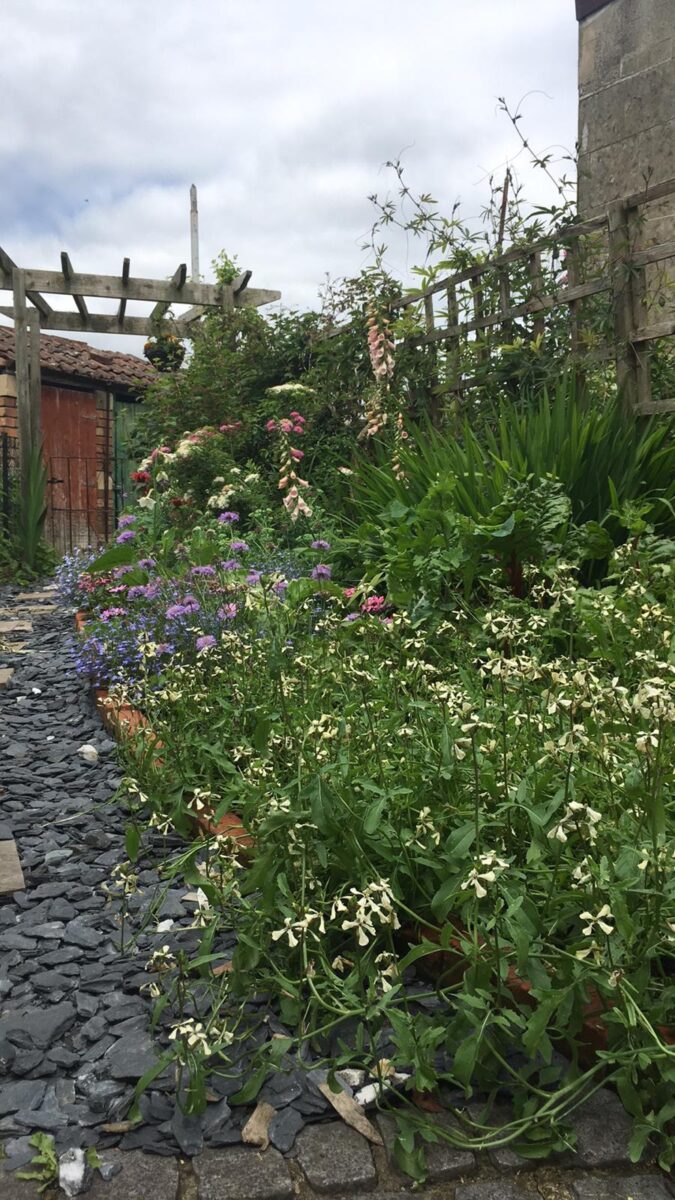
In 2022, I repeated the same sequence, constantly fighting the other occupants of the garden, setting traps and escorting them off the premises. I did not enjoy it. So, last year, I tried something different. I stopped sowing the lettuce I knew would get destroyed, and instead I grew flowers, sprinkling the seeds over soil with abandon, hoping some would pop up, and they did. I grew vegetables in a temporary greenhouse and planted them out as late as I could, and I did so knowing that they might still get eaten, and some did, but also some didn’t. I let weeds poke into the gaps so that instead of bare soil I saw green, and I had a more colourful garden than I could have imagined. Instead of hunting ‘pests’ I sought out the spiders that lived on the slate path, the caterpillars enjoying the perennials, and the bees that visited the sage when it flowered. This year, I’ve neglected the garden more than I would have liked, and you can barely walk to the end without getting caught on a bramble, but it almost doesn’t matter as a three metre tall foxglove has presided over the entire space for months. It’s in this garden that I found a hedgehog last weekend. He has since had to go to a sanctuary, but his appearance brought tears to my eyes as I thought about how the mess and the insects probably played a role in bringing him to us. 

Christina's much-more wild garden in 2023
2023

Now a study from The Royal Horticultural Society has found that those who say they garden with nature and sustainability in mind feel greater health benefits than those who don’t. Whilst I can’t speak to anyone else’s experience, or the differences various gardening techniques can make in how you feel in your body, I can say with certainty that my mental health improved when I started to consider my practice as part of nature, not in opposition to it. Accepting that my garden is a space I share with my animal neighbours hasn’t stopped me from feeling sad when woodlice burrow into a much anticipated strawberry, but it has allowed me to let go of the reins a little.

One day I hope to have a much larger space in which to have a proper vegetable patch, and I’m sure that I’ll keep being challenged by unwanted visitors, but maybe then I’ll look back at this blog, and the study, and remember that it’s ok to share. It might even be better. 

Our upcoming campaign ‘Your Wild Streets’ focuses on reducing the amount of pesticides that are used in our towns, cities and villages. Subscribe to our newsletter to make sure you don’t miss out on the launch, and our upcoming Urban Nature event!

Interested in joining a community of like-minded young nature lovers? Click here to discover how you can join us!

Our hopes for nature with the new UK government

We asked the young poeple in our community what their hopes are for with the incoming government, here’s what they said…

A just, green energy transition

“My hope is that the climate crisis is taken more seriously by the next government. Investment in sustainable energy, more green jobs and just transitions for those working in oil & gas, no more oil & gas licences, and a focus on nature restoration that helps to capture carbon.”

More protection for nature

“I hope that there is more protection for nature and more measures and actions taking place. As the longer we wait the harder it becomes to turn the tide, the time for action is now! More work needs to be done with businesses to help create plans to reduce their impact on climate and nature as they can make a big difference. Finally nature can bring so many benefits to people so everyone should have equal access to it so they can build a lasting connection with it and experience it in their own way.”

Fixing water pollution issues

“My hope for nature from the next government would be the government prioritising policies that would benefit the public compared to companies. This would mean reducing sewage run-offs from water companies which would allow people to finally use the beach without worry, or creating adequate incentives for farmers to rewild unproductive land to support wild highways.“

Consulting experts on new policy decisions

“My hope for nature is that we see deep engagement with experts on policy and action to make sure our land, seas, rivers and skies are protected and restored in a way that ensures our generation and many more to come finally see an biodiversity thriving alongside communities. From farming, to industry, to energy, to education, to politics, I am hopeful that nature will finally have its say and that youth voices will be listened to on issues that impact us, and I can’t wait to get started.”

Nature and climate taking centre stage

“My hope is that nature, climate, and equity are central to the next government. There’s a lot of optimism today, but a lot of work to be done. We know how important nature is for both us and the climate, so now we need to act! This government’s mandate takes us to just before the 2030 SDG goals – we need transformation to have a chance to meet them. The UK has the chance to be a world-leader on nature-friendly policy, and I hope both the government and the opposition can take a progressive, positive stance on biodiversity and nature. It’s our future, and we want it to be a green one – one where we value nature, rather than use it.”

Addressing the consequences of our actions on nature

“My hope for nature for the next government is we start to see the whole interconnected picture, from the wider views such as our relationships with other nations and the impact those have on our world, right through to areas like our education and food systems. I hope we can start to see how everything has a consequence for nature and for our survival. I hope we can start to ask why we do things the way we do and what that means for the roots of our society and our connections to nature. Question everything, there are other ways of doing things.”

Caring for nature, rather than just exploiting it

“I hope nature is viewed as something to protect and love, not use and exploit. If we care for nature, it will then care for us. I hope to see a complete shift in the way nature is viewed in the commons, it is such an overarching element of our existence and must be at the forefront of everything we do.”

Refreshing Net Zero and Nature 2030 commitments

“We have a new government now but they don’t have time to rest on their laurels – it’s time to act to save Britain’s nature! I hope that green policies are high up the priority list, including recommitting to Net Zero and Nature 2030, and that ministers change the conversation around a green policies to recognise the opportunities, rather than just the difficulties, they afford.”

If you’re feeling fired up from the General Election and would like to join a group of young, like-minded nature enthusiasts campaigning for a better future – JOIN US!
Want to let your new MP know that people in their constituency care about nature and the environment? Find their email here!